Author: LSTV

  • The Ego-Less Handshake in Afrobeats

    The Ego-Less Handshake in Afrobeats

    Written by: Abdulmuqsit Idowu
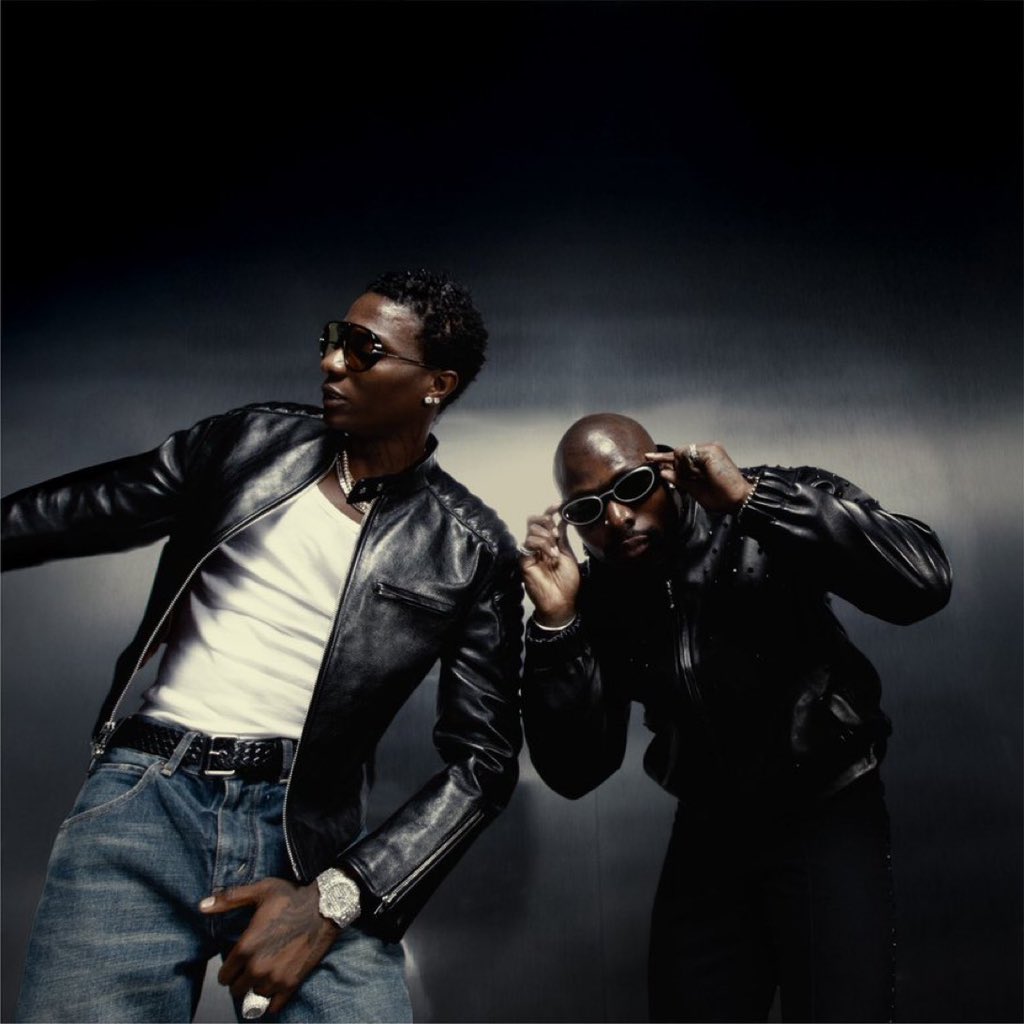
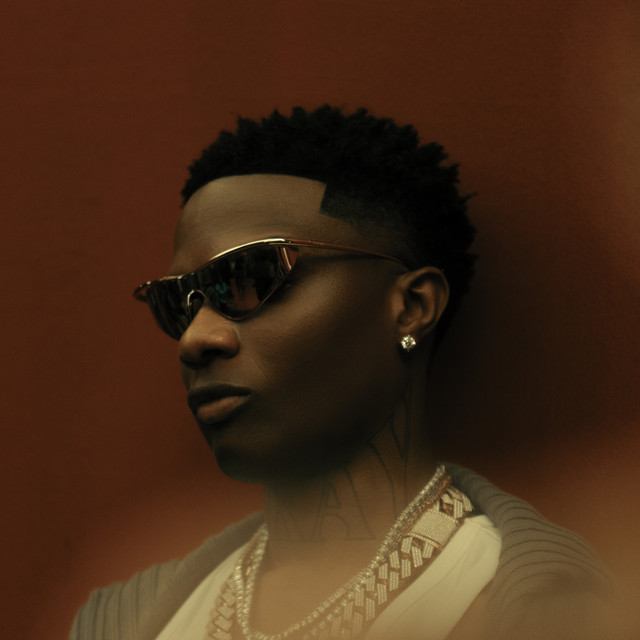
    There is a specific kind of electricity that hits the timeline when a massive joint project is announced. It feels different from a solo album rollout; while a solo body of work is a statement of self, a joint project is a high-stakes conversation—and honestly, it’s the ultimate ego-check. Right now, it’s time for Real Vol 1 from Wizkid and Asake, which in all senses we are incredibly lucky to be getting. In an industry often paralysed by “Who is bigger?” and “Who has more streams?”, seeing the architect of the 2010s global run trade verses with the undisputed landlord of the 2020s is a massive win for the culture. It’s a refreshing outlier, proof that when the music is right, the generational gaps and the towering egos simply take a backseat.

    I’ve always felt that the African music landscape finds its greatest strength in these rare, concentrated collisions. Unlike a standard feature—where an artist just “pops in” for a quick 16 bars, a joint project requires building an entirely new world. We saw this tectonic shift back in 2015 with Olamide and Phyno’s 2Kings. That wasn’t just an album to me; it was a cultural treaty. Seeing the King of the West and the Eze Nnunu of the East shake hands on a full-length record told the streets of Lagos and Enugu that we were all on the same frequency. It proved that our local dialects weren’t only “indigenous”—but the main event. If you want to talk about drama-turned-classics, we have to look at Bnxn and Ruger’s RnB. For years, we watched them trade subs on Twitter over “solo hits” vs “features” and who had the better numbers. Then, out of nowhere, they hopped on a flight, sat in a room, and knocked out a seven-track EP in just three days. Sonically, it’s a masterclass in chemistry—Bnxn’s “velvet and honey” hooks meeting Ruger’s gritty, dancehall-inflected delivery. It transformed a public rivalry into a shared victory lap that solidified proving that an alliance will always be more powerful than an enemy.  

    The impact of these alliances often dictates the very “vibe” of our lives for years. Think back to the mid-2010s when the energy between Nigeria and Ghana was at its peak. Those collaborative efforts between the likes of Mr Eazi and Juls literally slowed down our heartbeats. They took us from the frantic dance steps of the early 2010s into a smooth, “Pon Pon” highlife-infused era that had everyone leaning back in the club instead of sweating through their shirts. These projects are like the secret R&D labs of Afrobeats; they test the sounds that eventually become our personality for the next three Decembers.
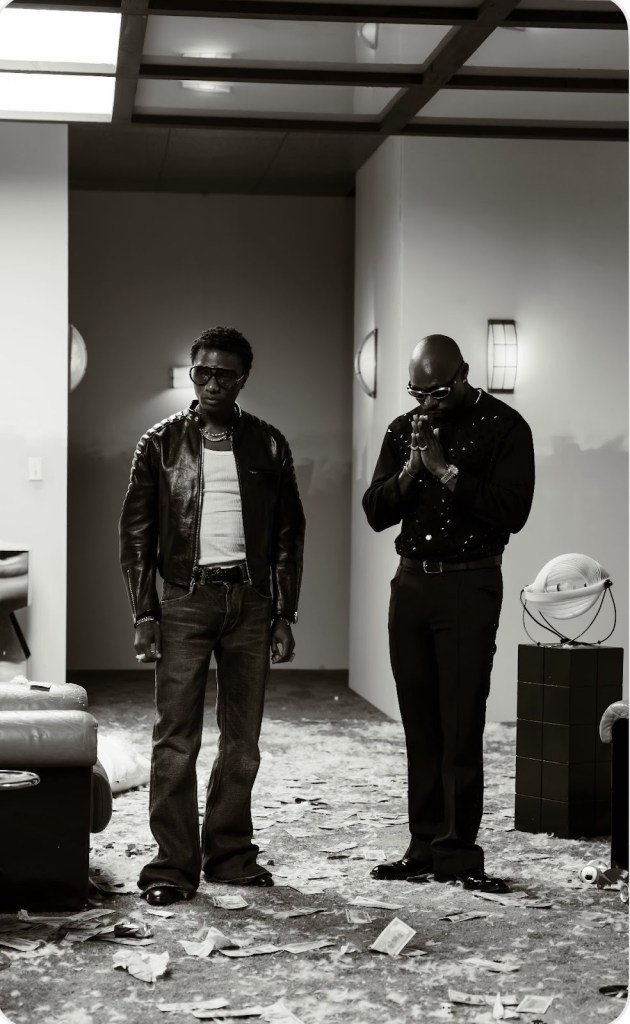
    What really gets me excited about Real Vol 1 is the “coronation” factor. When a titan like Wizkid shares the marquee with a force like Asake, it’s the ultimate flex of confidence. Wizkid has mastered this polished, “expensive” minimalism that feels like a chilled glass of wine on a private jet. Then you have Asake, whose sound is like a frantic, beautiful Lagos rush hour—choral, urgent, and deeply rooted in Fuji. Watching these two sonic worlds collide is fascinating because it’s a handshake between the veteran’s poise and the newcomer’s hunger, plus you could tell both of them genuinely enjoy each other’s company. Remember the “big brother, small brother” energy that completely took over our feeds some months back, seeing them buddy up on their Apple Music radio takeover and joke around for Instagram’s Close Friends Only series made the internet pause a little from stan wars, but enjoy a lovely, wholesome environment, maybe i’m living in a bubble who knows, but it’s rare to see that level of unfiltered love in such a high-pressure industry, and it makes the music on the project feel so much deeper knowing it comes from a place of actual friendship. 
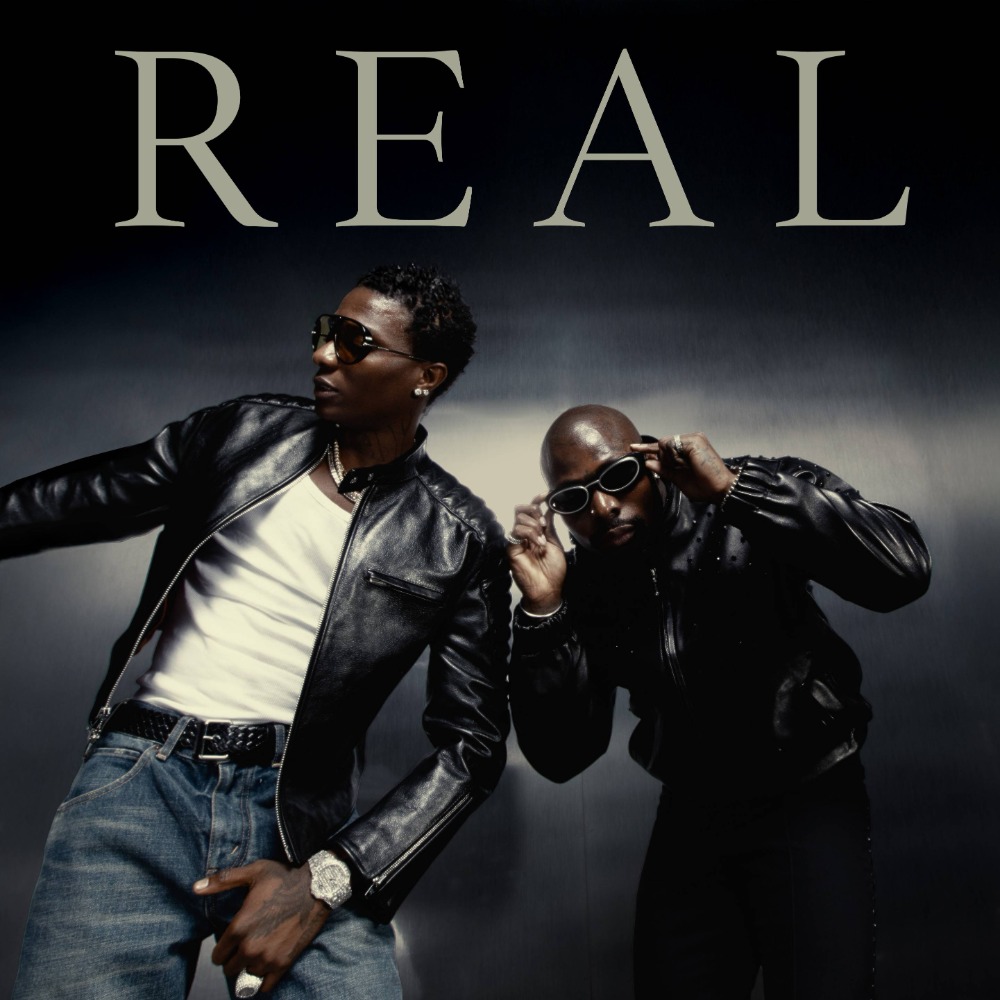
    Ultimately, these bodies of work remind us that we’re part of a continuum. In an industry where everyone is constantly fighting for a singular crown, the joint project is that rare moment where two giants decide the kingdom is better served by a shared vision. It’s a bridge between the legends we grew up with and the superstars we’re stanning today. I don’t see this as a new tracklist or just another collaboration; we’re witnessing a legacy being reinforced in real-time, and I for one am just happy to be here for the ride.
  • Africa Magic Was Always More Than TV—SDC Knew Exactly What They Were Doing on “Afrika Magik”

    Africa Magic Was Always More Than TV—SDC Knew Exactly What They Were Doing on “Afrika Magik”

    By Lawrence Hart

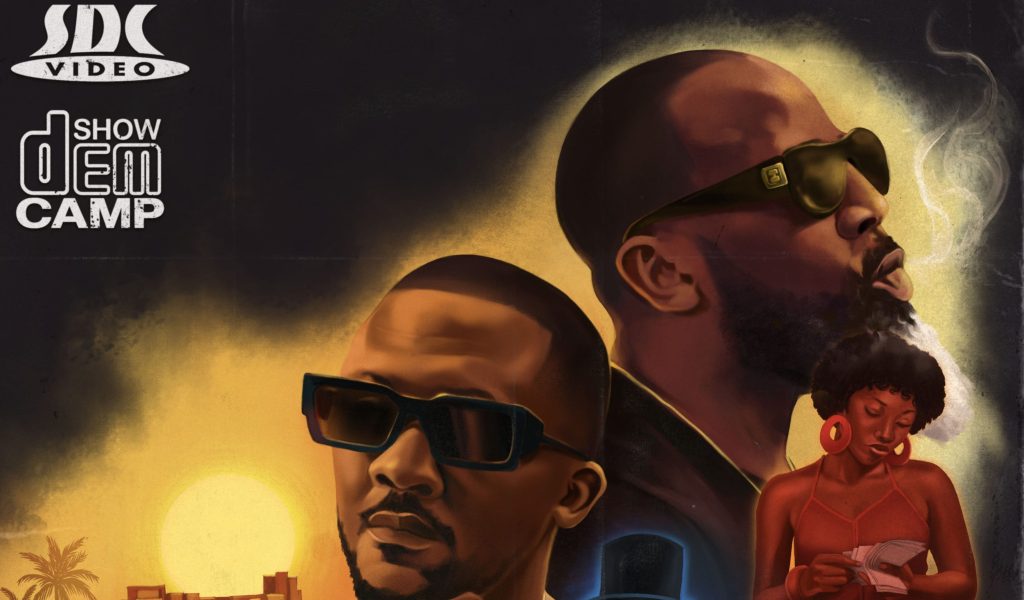
    Show Dem Camp
    Show Dem Camp

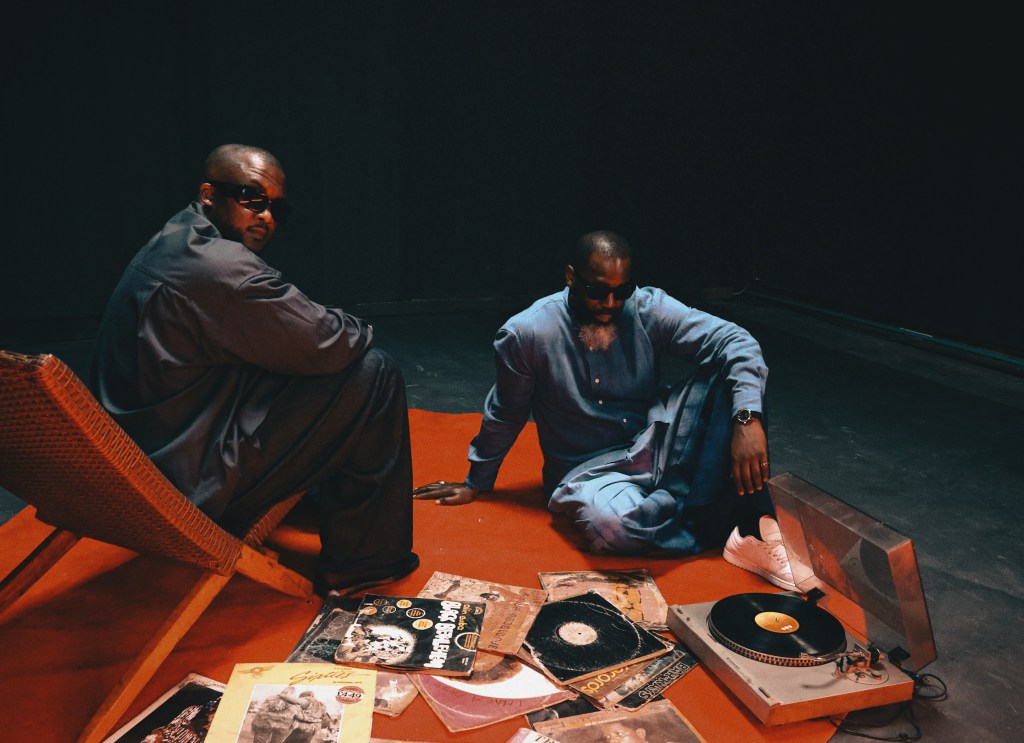
    At the Centre of every middle-class family revolves an evening’s catching up with African magic playing on the DSTV. The choice of “Afrika Magik” is a symbolic one by SDC. Almost like a reminder of the cultural heritage and nostalgia African magic brought to our homes. The album is a love-letter to Nigerian life, to the undercurrents of belief, myth, women’s voices, and the rhythms of Lagos and beyond.

    The Significance of “African Magic” in our Everyday Lives. 

    From the outset, the album houses a spiritual undercurrent: on the opening track “Libations”, Tec and Ghost pay homage to musical forebears such as Victor Olaiya and William Onyeabor, weaving in the idea that legacy, ritual and daily life are intertwined. 

    Processed with VSCO with s2 preset

    In Nigerian everyday life, “magic” is less about fantasy and more about the subtle ordinariness of belief: the stories told during commutes, the juju whispered in cautionary tales, the spiritual backdrop to success or failure. The album taps this: interludes such as “White Juju” (which humorously addresses “AI aka white juju and voodoo”) highlight how technology, mysticism and everyday hustle merge. Thus, Afrika Magik becomes more than just an album—it becomes a map of how African spiritual aesthetics, cultural memory and modern life co-exist. The nods to old Nollywood films further this: they’re not just nostalgia, they’re cultural signposts reminding us that “fantasy” and “normal life” share the same space in Nigeria.

    Inclusion of Female Voices

    On this album, SDC said UP FEMCO!!

    This album has more female features in contrast to their previous albums. One of the strengths of this album is how it elevates female voices and perspectives not merely as features but also as integral presence on this album. Artists like Tems,Moonchild Sanelly, Lulu Winny and Lusanda. Btw Tems and SDC can never do wrong in my eyes. Their collaborations always feel like a harmattan breeze blowing over skin. This inclusion matters because it shifts the album away from simply male rap narratives; it makes space for female texture, influence and presence not just as backing but as foreground. In a society where women’s lives are often the unspoken backdrop, these features lift them into view.

    The Role of Interludes

    Interludes here act as more than mere breathing space; they are dramaturgical and thematic anchors. The “Nollywood Vixens” interlude, for instance, explicitly situates the album in a cultural cinema-space, invoking female archetypes and the interplay of everyday drama with myth. 

    Similarly, “One Chance (Interlude)” and “White Juju” help punctuate the album into acts: the first half often more reflective/romantic, the second more celebratory/expansive. These breaks allow the listener to reset and transition between moods, which is vital given the diverse sonic terrain. This kind of album-craft is deliberate: SDC treat the album like a film.

    Standout Tracks

    Libations: A powerful opener that declares their place, name-checking legendary Nigerian artists and setting tone. 

    Small Chops and Champers: Do I need say more about this track?? What a track guy!! It gave everything it was meant to give. Just give me small chops and champagne joor .

    I’ll Wait: A perfect outro to a perfect album.

    Pressure (FT Taves): Taves was literally flexing on this track. He almost stole the song from them (just my opinion tho). The beats also in this track too>>>>.

    “Magik (ft Moonchild Sanelly): Experimental Rhythm, connects South African + Nigeria, bridges hip-hop, kwaito and the albums theme of “magic”.

    Experimental Tracks & Production & Writing

    One of the hallmarks of Afrika Magik is its fearless blending of genres: highlife, palmwine music, hip-hop, alté, amapiano, R&B.

    The production was handled by longtime collaborator Spax, with contributions from Guiltybeatz, Genio and Yinka Bernie. Instrument such as guitar riffs, horns, soft percussion, log drums (especially on the closer) bring a live-feel, organic layer. The writing is rich. Dialogues with past legends, personal journeys, street-life, love, ambition. The lyrics on “Send a Text” for example, become conversational and reflective. 

    Experimentally, tracks like Magik (with its kwaito bounce) or masterkey (mixing R&B/hip-hop with American singer Mereba) push SDC outside their previous safe zones. The interludes themselves are creative experiments—cinematic skits, voice-overs, nostalgia refracted into sound. Thematically and sonically, the album is both wide and deep.

    Verdict

    Afrika Magik is a strong, multifaceted album. It doesn’t just sound good, it feels rooted, culturally attuned and ambitious. Show Dem Camp manage to honour the past (the musical and cinematic traditions of Nigeria), include new voices (especially female collaborators) and explore new sonic territory without losing their identity.

    For a Nigerian listener, the album works on many levels: it’s a soundtrack to everyday life—party, reflection, hustle, love, belief. It’s also a mirror of how African magic (in its broadest sense) lives in the margins, in songs, in gatherings, in the interludes of life.

    If I have a caveat, it’s that the length (17 tracks) and the variety means that at times the pacing could feel uneven. Some transitions are bold; some tracks may require several listens to fully land. But that is a small trade-off for the album’s ambition and the rewards it offers.

    Score: 4/5

    If you’re looking for a project that offers depth, nostalgia, and fresh collaborations, Afrika Magik is more than worth your time. For SDC fans it’s a meaningful continuation; for newcomers it’s a compelling entry point into what Nigerian rap and Afro-fusion can sound like in 2025.

  • A Lagos Homecoming: This Is Us Opens Its Flagship in Grand Style

    A Lagos Homecoming: This Is Us Opens Its Flagship in Grand Style

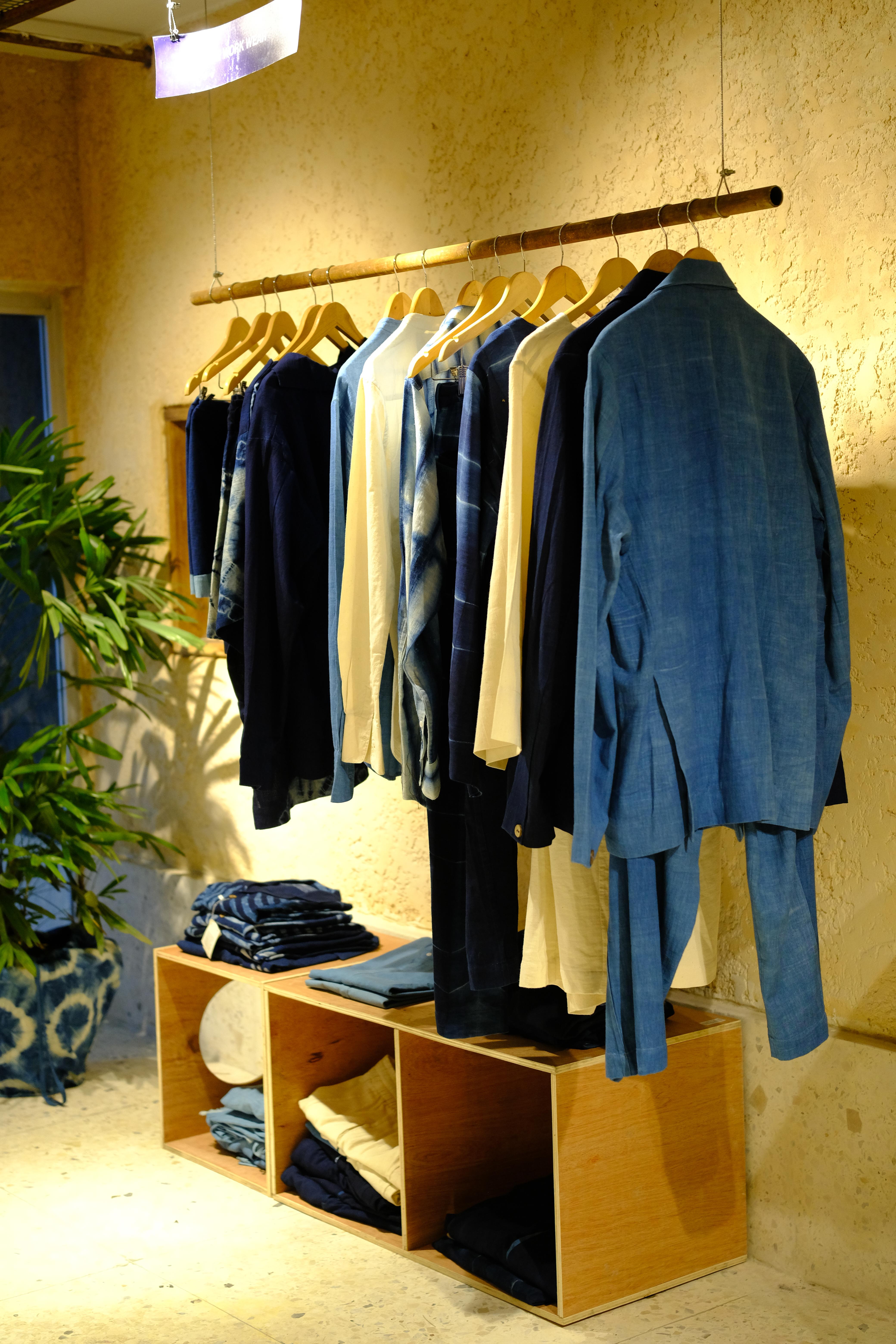
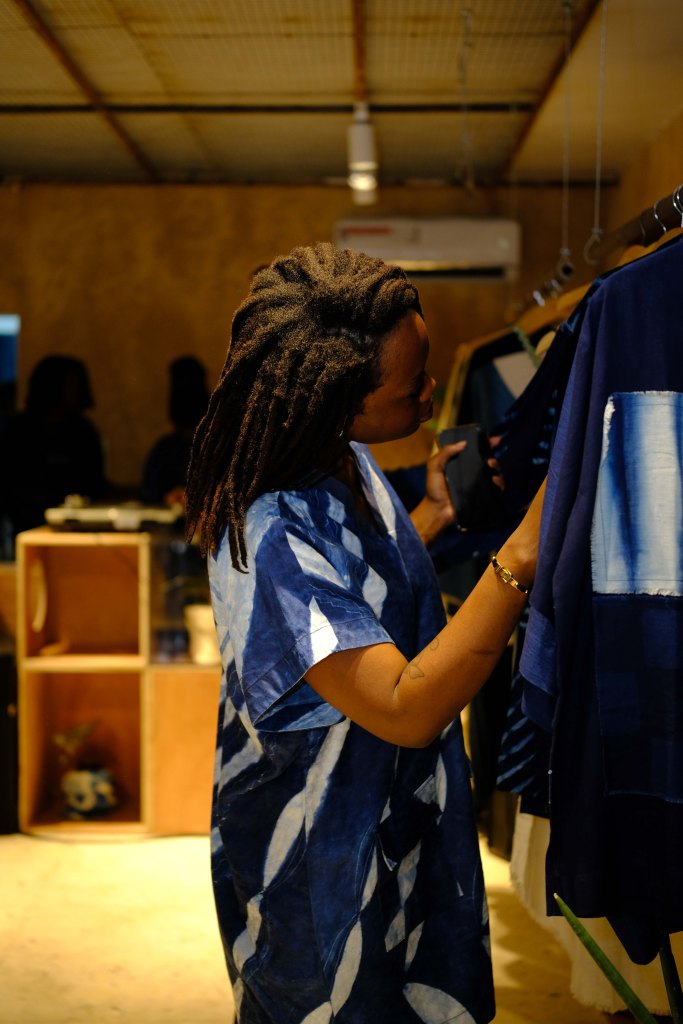
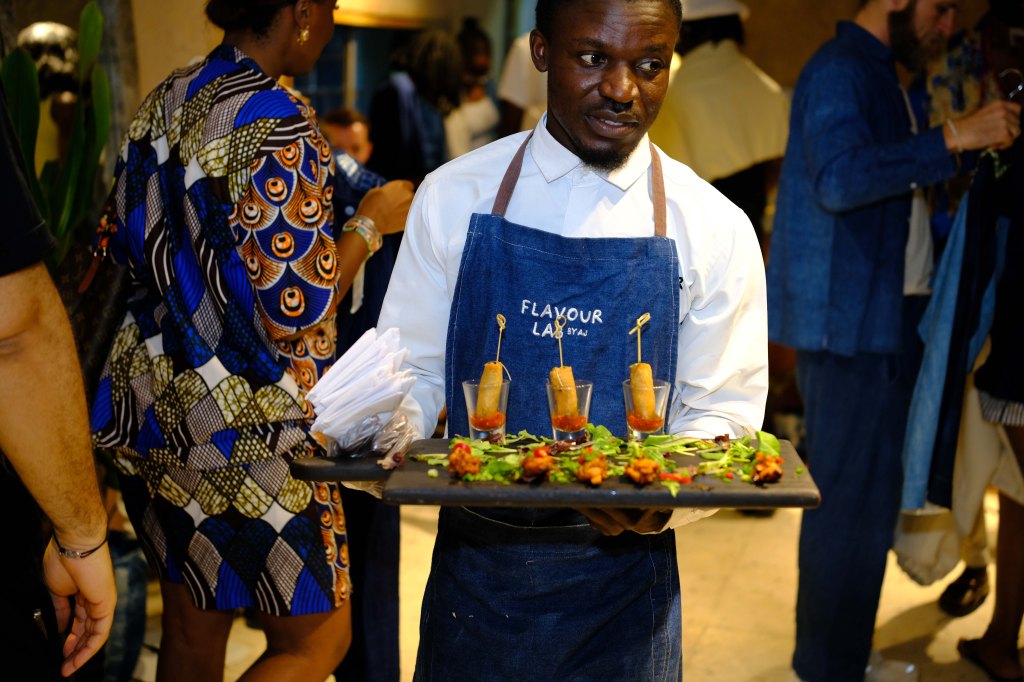
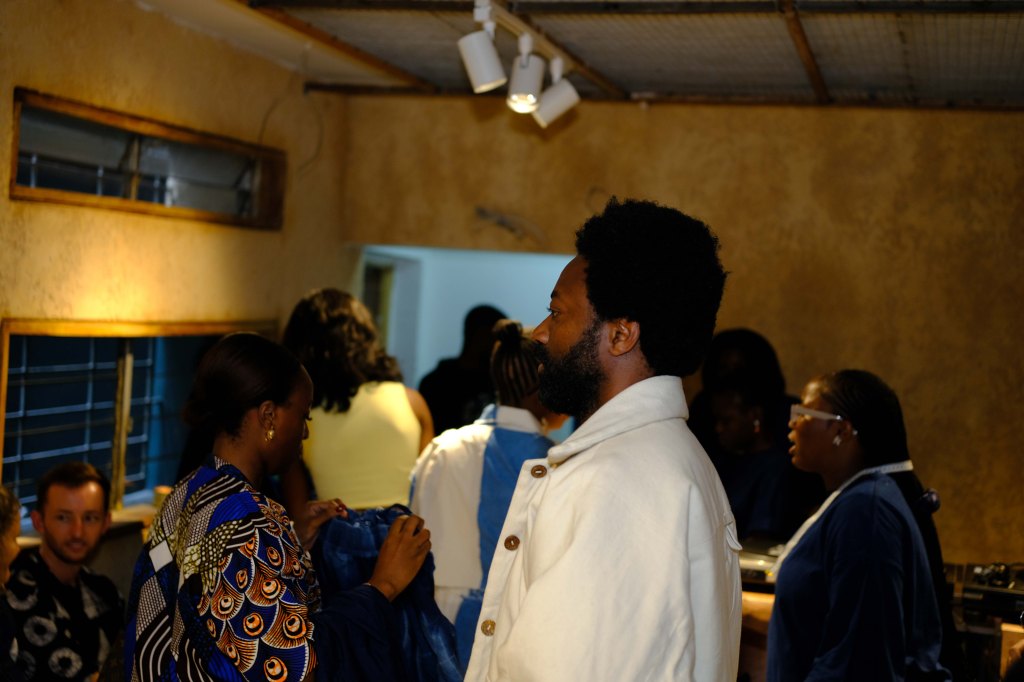
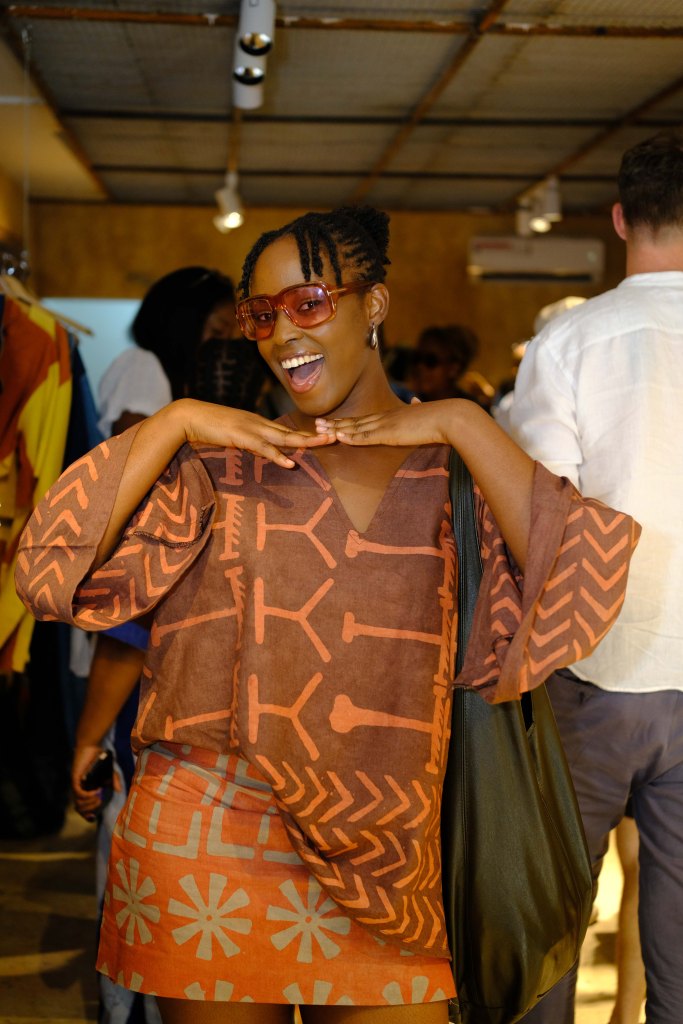
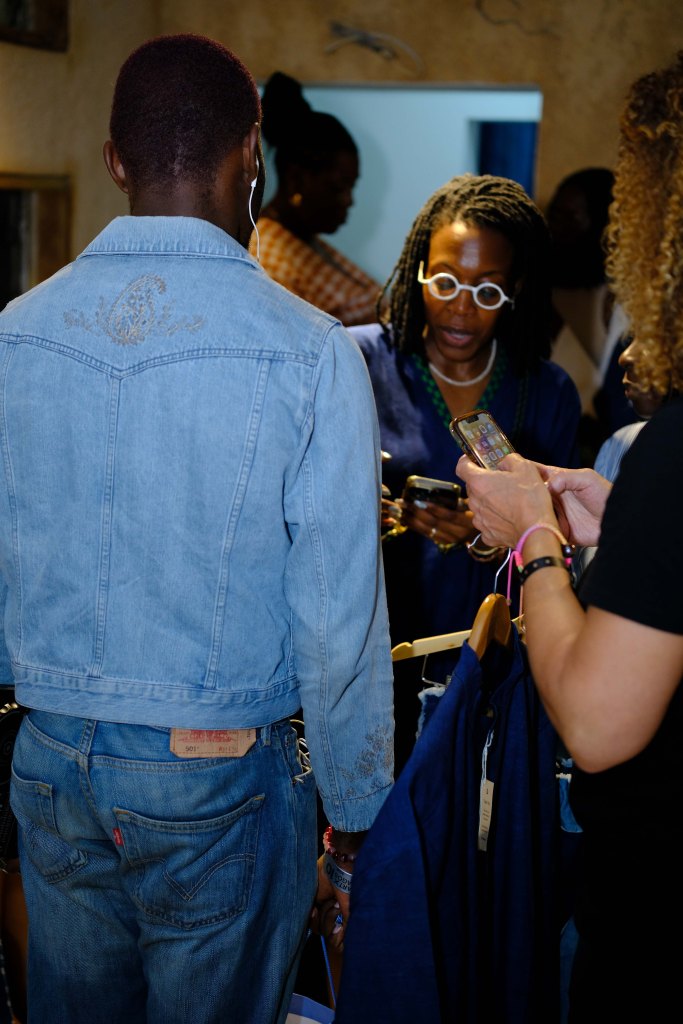
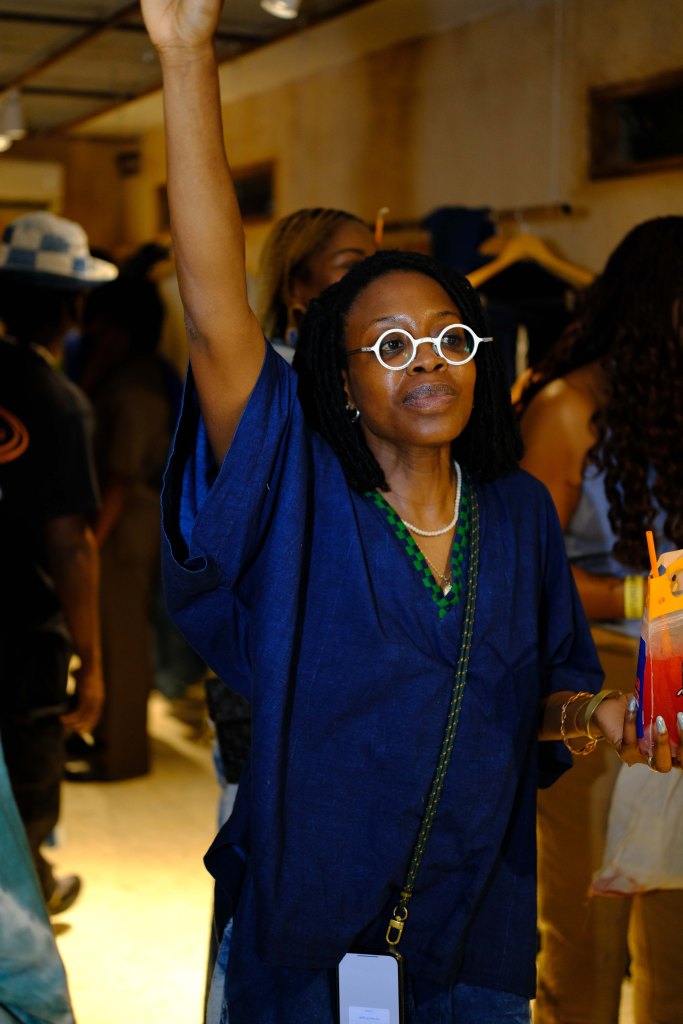
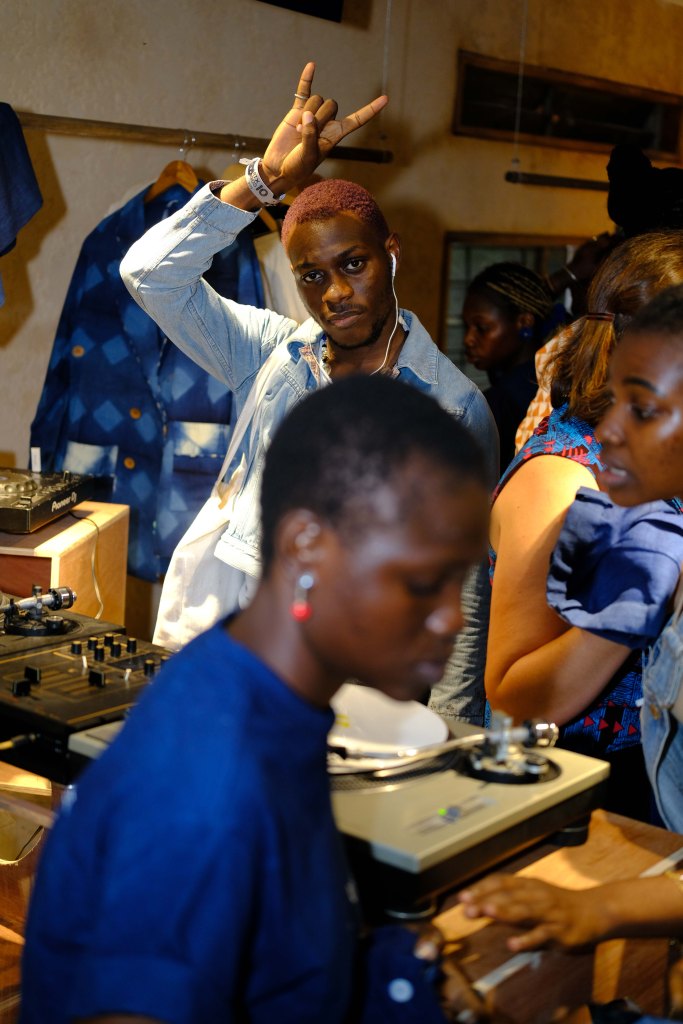
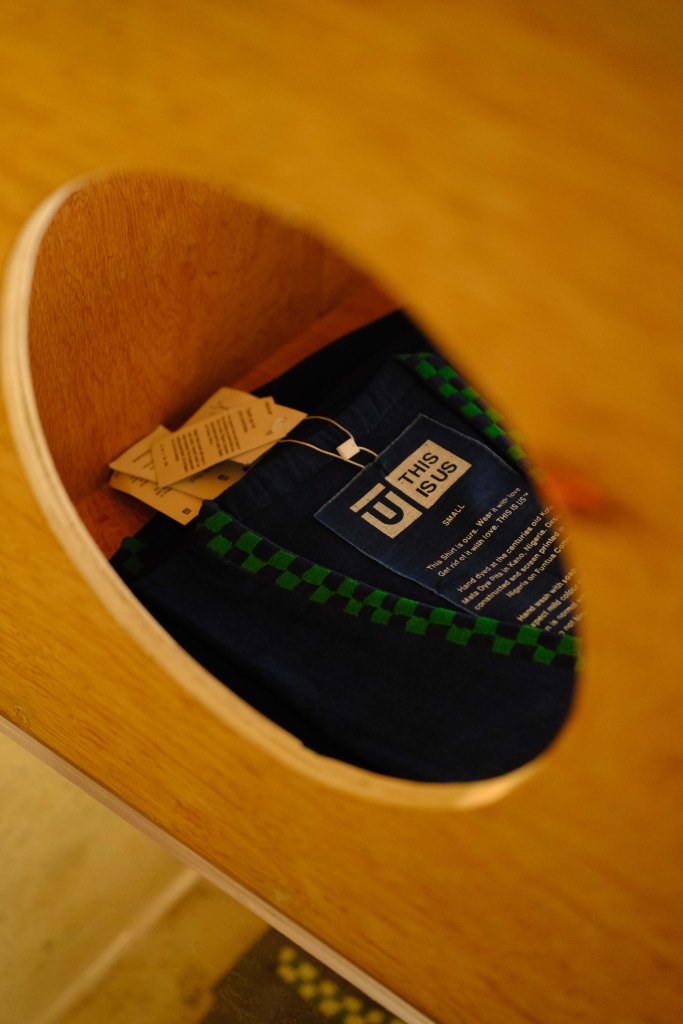
    THIS IS US™ has officially opened its flagship store in Onikan, Lagos Island, marking a defining moment for one of Nigeria’s most respected homegrown design brands. The opening preview took place during Art Week on November 8th, bringing together friends of the brand, collaborators, loyal customers, and members of the international art community for a first look.

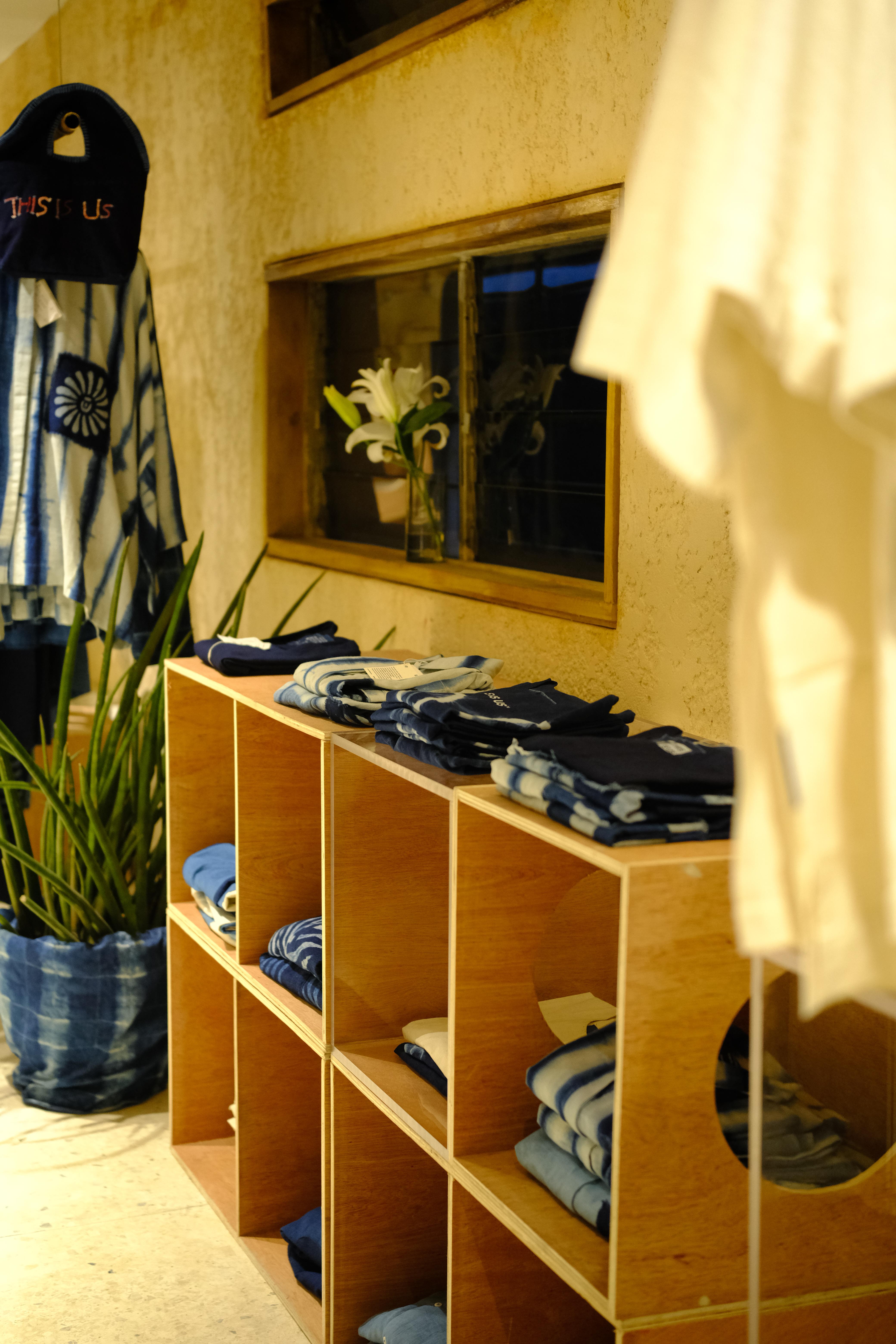
    Set inside a newly restored three-story tropical modernist building, the space reflects the brand’s ethos Live Work Wear for the Conscious Creative through thoughtful architecture, craftsmanship, and a deep sense of community. Just steps from the John Randle Centre for Yoruba Culture & History and sitting behind the brand’s manufacturing studio, the flagship lives at the heart of a growing creative district alongside IAMISIGO and Plan B Lagos.

    Originally designed in the 1970s by architect Akintunde Tejuoso, the building has been reinvented in collaboration with Papa Omotayo and the MOE+ Art Architecture team. The result is a multifunctional home for design that feels rooted in heritage yet firmly pointed toward the future.

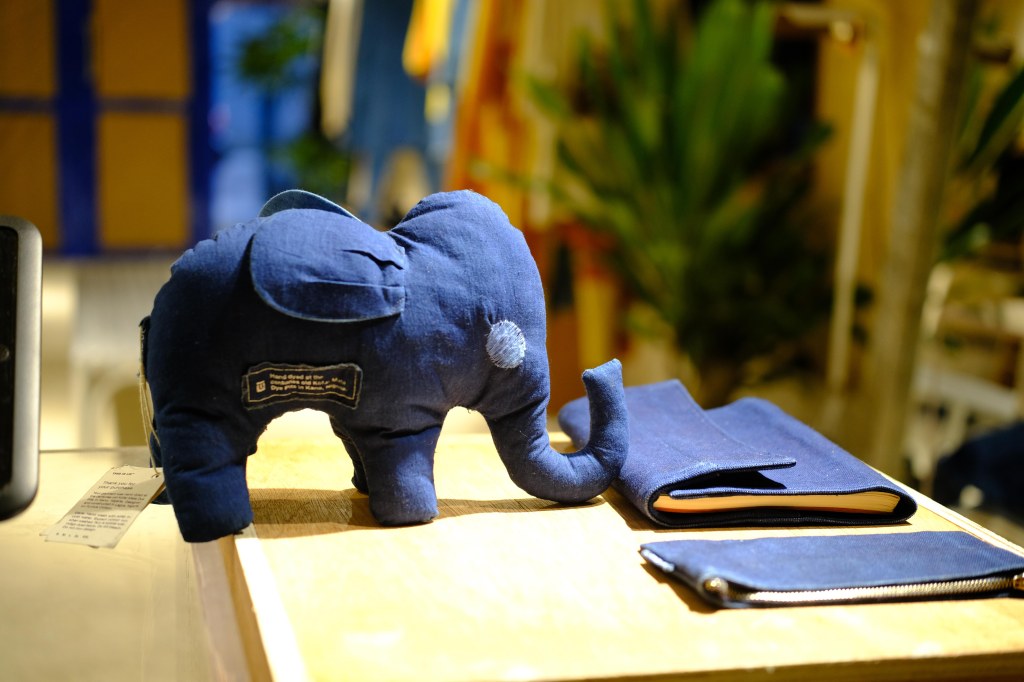
    Inside, the flagship unfolds across three key spaces: a retail floor showcasing THIS IS US pieces alongside carefully selected homegrown design brands, a Maker Studio centred on craft and textile experimentation, and a Creative Residence set to open in March 2026.

    Throughout the building, visitors encounter design and art pieces from some of the brand’s closest creative collaborators including Omi Collective, Nmbello Studios, Butlers Archive, Fantastic Plastic, IAMISIGO Home, and visual artists Sola Olulode and Fiyin Koko. Photographer Daniel Uwaga captures every detail with intimate clarity, documenting the textures and atmosphere that define the space.

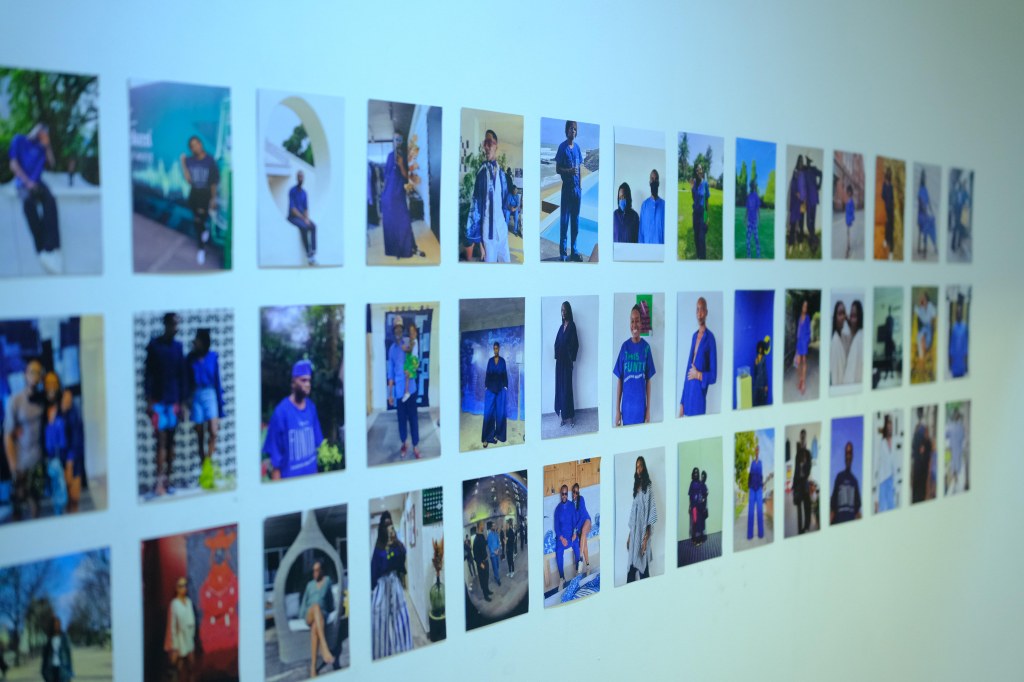
    A highlight is the THIS IS US Wall of Fame, an ongoing installation featuring photographs of the community that has shaped the brand over the years. It stands as a tribute to the people who live with the clothes, grow with the brand, and continue to inspire its evolution.

    “We wanted to create a space that feels like home, a place where people can linger, have fun, and take it all in,” say founders Oroma and Osione Itegboje. “This building represents where we started, who we’ve become, and the people who made it possible.”

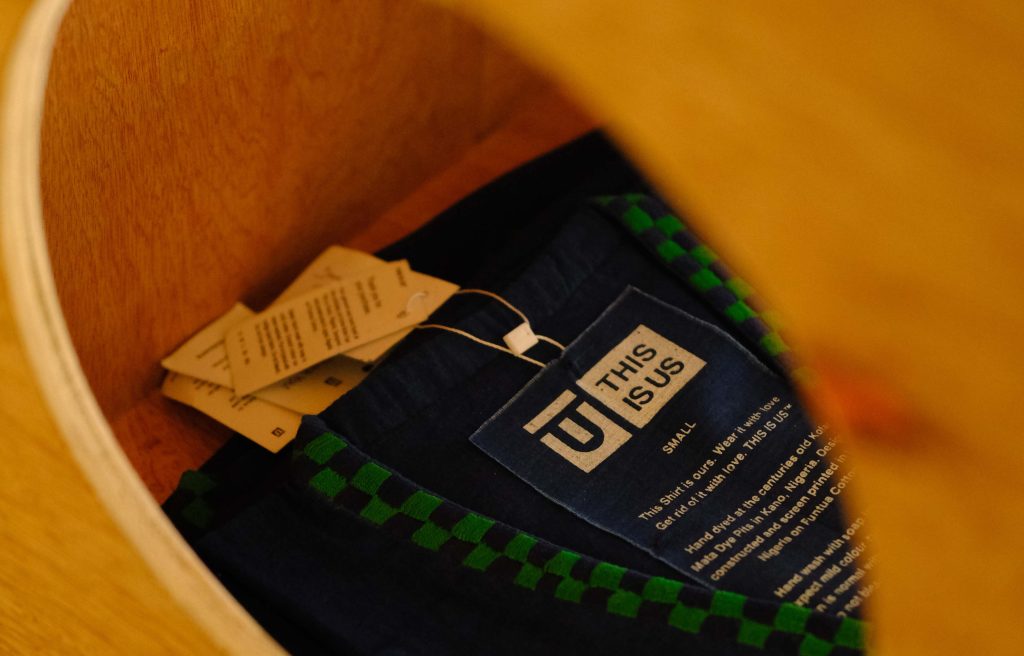
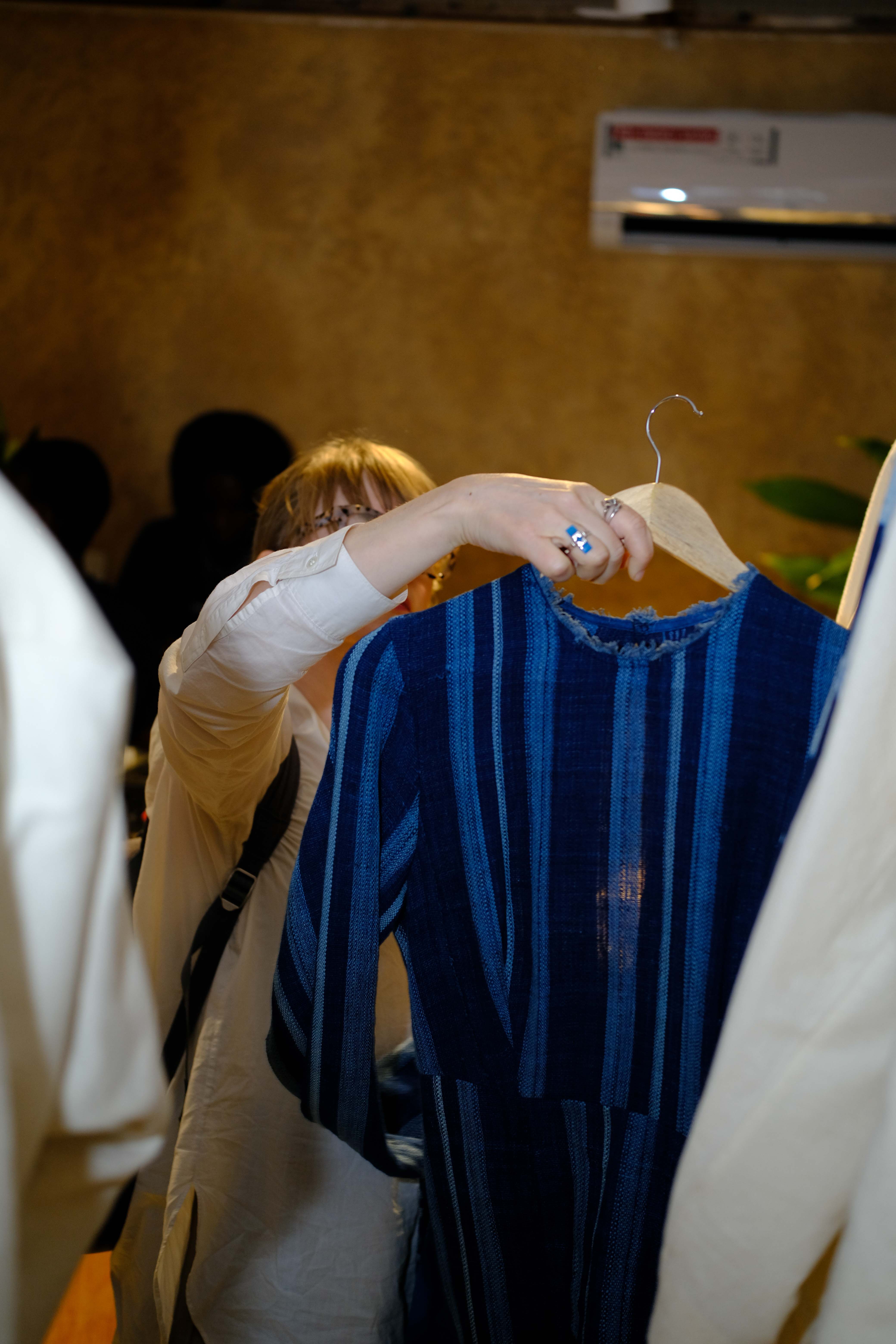
    Founded in 2016 after a journey across Northern Nigeria, THIS IS US has remained rooted in process, people, and place. Their signature textiles are woven from Nigerian cotton and hand-dyed in the ancient indigo pits of Kofar Mata, linking farmers, dyers, tailors, and designers across generations.

    The flagship extends this chain of craft, offering visitors a full experience of the brand: the beloved Funtua tees, uniform wear inspired by dye-pit and workshop artisans, cross-disciplinary collaborations with IAMISIGO, Waf, PITH, and Dye Lab, and home accessories that widen the brand’s design language.

    Through this new home, THIS IS US reinforces its commitment to longevity, zero-waste design, re-dye services, and creative exchange. The flagship invites guests to step into their world, slow down, and experience Nigerian design at its most intentional.

    THIS IS US House
    19A Military Street, Onikan, Lagos Island
    Tuesday to Saturday: 10am to 6pm
    Sunday: 12pm to 6pm

  • Review: My Father’s Shadow Is Not Just a Film — It’s the Story of Us

    Review: My Father’s Shadow Is Not Just a Film — It’s the Story of Us

    A review by Mercy Oluwanisola Akintola.

    The first time someone close to me died, it was my paternal grandmother. According to those around her, there were signs that she was preparing to leave. Her skin started to glow, and she had deep, intentional conversations with her children reminding them to be kind and patient with their father, her husband. Another sign was that my youngest cousin, her last grandchild, turned his back to her for three days before she passed. None of these signs made sense to us at the moment; they only became clear a few hours after she died.The adults in my life said she knew she was going to die, so she prepared everyone the best way she could. If I had  to compare the story of her last days to any film, it would be My Father’s Shadow. 

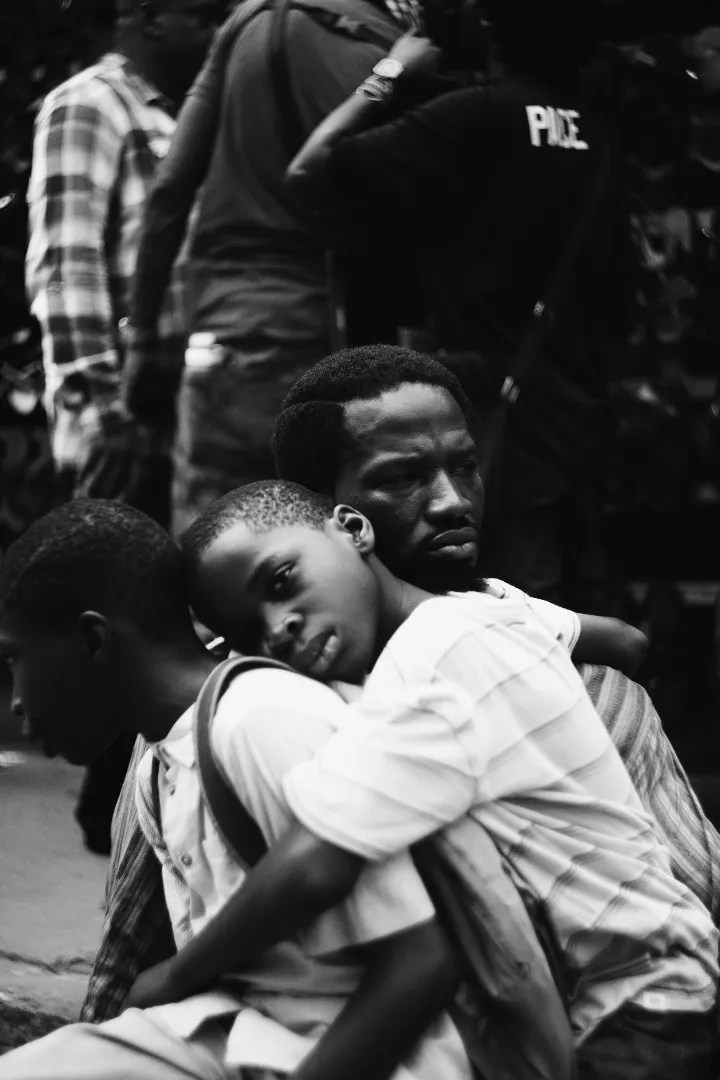
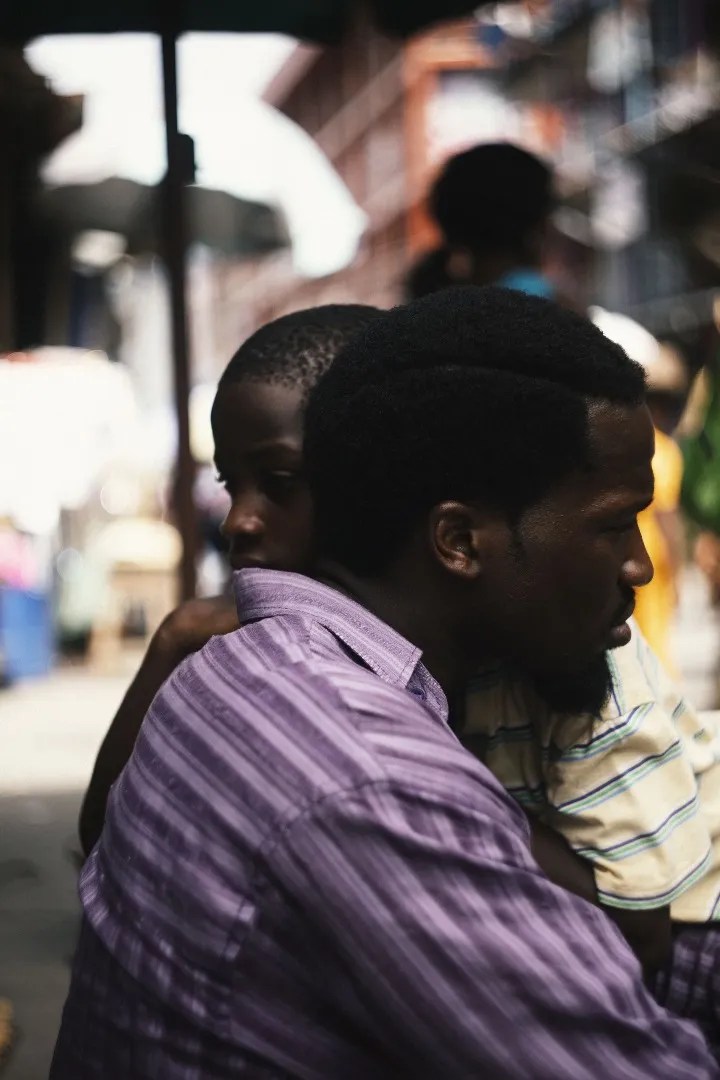
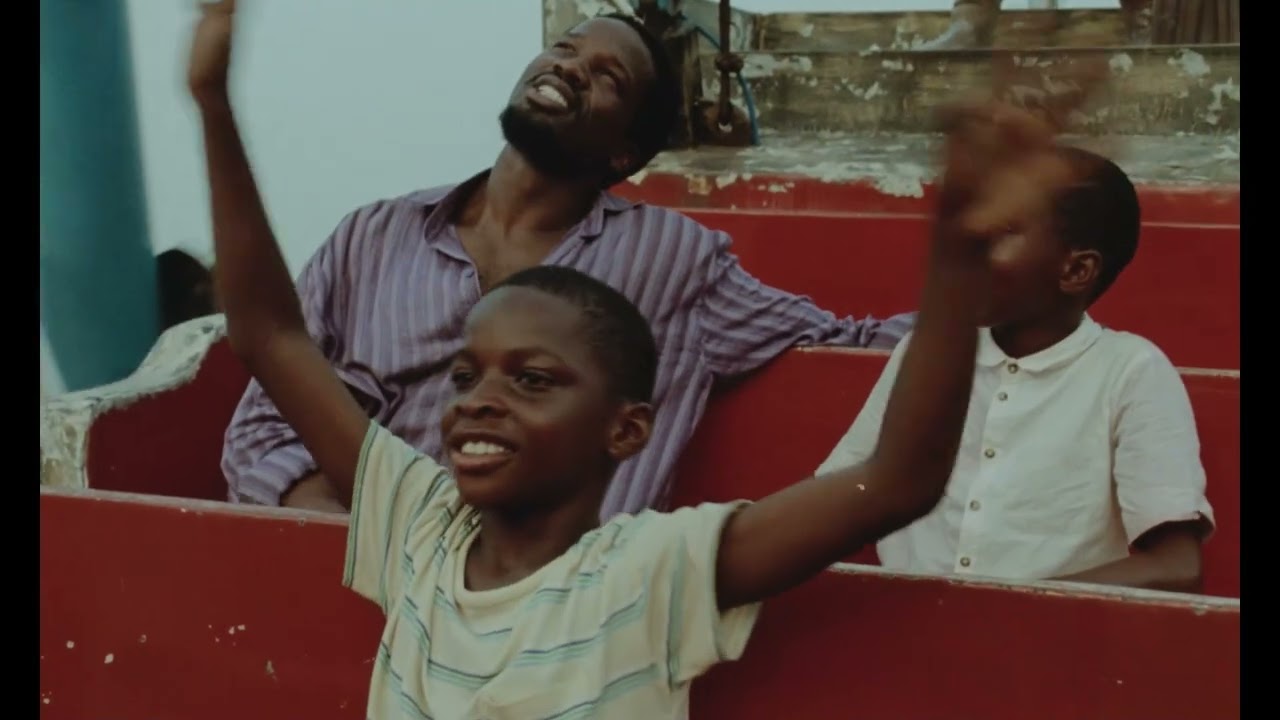
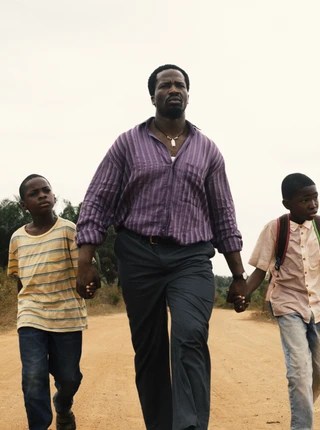
    Still From My Father’s Shadow

    The film begins with two brothers simply being boys, playing with paper action figures, eating together, talking and laughing freely. You didn’t need to be told they were brothers; they showed it. Their father calls them into a room, and seeing how hesitant they are for him to leave again, he decides to take them to Lagos. For the first time, they get to know the world outside their small, familiar environment, experiencing life through their father’s eyes. They witness the parts of Nigeria that feel ordinary yet extraordinary once you really look at them: the way ants move together, the crabs walking along Ajah beach, the long petrol queues that only appeared during fuel scarcity or Christmas, the ever-present religious fanatic in every situation, and the way so many Nigerians lean on “God go do am” as a solution to everything. It was relatable in a way only Nigerians truly understand, but told clearly enough for anyone to feel the story. 

    Cinematography

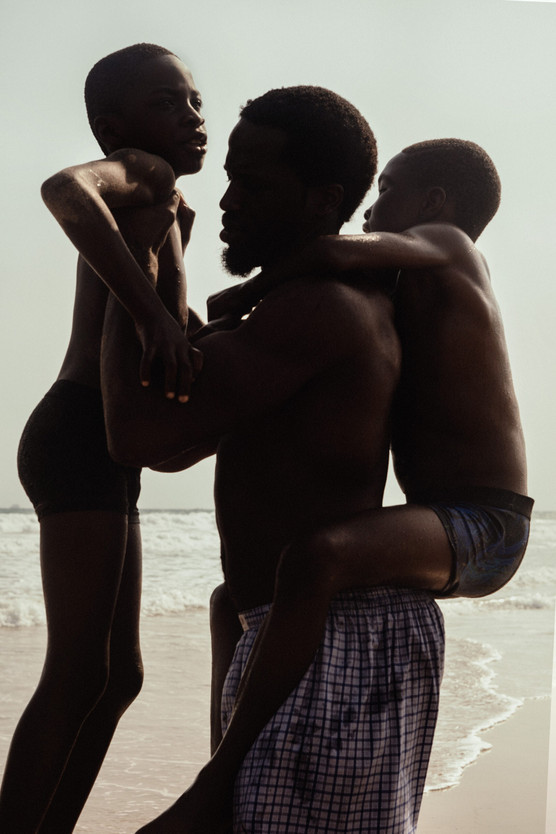
    The cinematography reminded me of old cassette films my parents and their friends watched before CDs became popular: the warmth, the grain, the slow movement of the camera. Pure nostalgia.My favorite scene was at the beach. In that moment, there was no politics, no struggle, just a father and his sons, living, learning, and being present with one another.My favorite line in the film was when one son confronted his father about never being around. The father replied, “Everything you sacrifice, you just have to make sure you don’t sacrifice the wrong thing.”For me, that was a wake-up call, a reminder that in all my striving and ambition, I must not forget to check up on my people, to be present, to love while I can. 

    I wasn’t born when the Abiola ’93 election happened, but I felt the pain and anger Fola felt. It reminded me of every election I witnessed as a child, the way my parents made sure we all stayed home throughout election weekend to keep us safe. It reminded me of corrupt Nigeria: missing ballot boxes, chaos, confusion, and all the characteristics that make up a Nigerian election.The film ends with Fola, the father, trying to get his children home safely to avoid any trouble caused by the election results. They are stopped for no reason by an agitated military officer who orders their father sitting in the back seat to get down. That scene hit hard, because 30 years later, Nigerians still experience the same brutality, only now it comes in a different font

    called SARS.The film shows how much Nigeria has evolved, and yet how little has truly changed on a larger scale. 

    Another detail I appreciated, which we rarely see in Nigerian films today, is the authentic celebration of life during mourning. In many recent films, when someone dies, everyone wears black, which does not reflect how we actually honour our dead. Here, the film captured that balance: yes, we are sad, but we don’t have to look sad. And the hymn “A o pade leti odo” instantly transported me back to my grandmother’s funeral mass.

    Characters  

    The acting was strong. The side characters played by Greg Ojefua, Patrick Diabuah, and the talented Ụzọamaka who are some of our best actors in Nigeria, so I expected excellence, and they delivered. The boys, played by Godwin Egbo and Chibuike Marvelous Egbo, were convincing. I immediately compared them to two of my friends who are brothers, they had real chemistry. Later, when I learned they are brothers, it made sense. If you’re a cinephile, you could notice some inexperience, especially in moments where they accidentally looked into the camera, but for their first film, they did well. I look forward to seeing them grow. 

    The woman,my favorite character,played by Wini Ẹfọ̀n, was outstanding. She appeared briefly, said nothing, yet delivered everything her character needed to. No crumbs left.And now to the main actor, the man of the hour: Ṣọpẹ́ Dìrísù.There is no doubt that Ṣọpẹ́ is a magnificent actor, but in some of the dialogue, the British accent tried to jump out the same way my h factor tries to jump out when I’m speaking fluent English. In a few lines, it felt like he was announcing his dialogue. If you’re not obsessed with films or Nigerian speech patterns, you might not notice it at all. 

    Direction

    The direction Akinola Davies took made sense. The film carried an indie softness, and considering how different Nigeria is today compared to 1993, the world-building must have been challenging. Yet, they managed to take us back. His attention to detail was clear, he gave us exactly what we needed, without leaving gaps or over-explaining. 

    The storytelling by Wale Davies and Akinola Davies is one for the books. It raises the bar not just for Nigerian storytelling, but for African storytelling. My Father’s Shadow feels like the beginning of our stories being told properly, and I can’t wait to see what African cinema looks like in five years. 

    I feel sad that those of us in the diaspora only get to watch it at film festivals. I hope it lands on streaming platforms next year because I want to watch it again and again. I would rate it a solid 5/5. When someone asks me for a Nigerian movie recommendation, I will shout My Father’s Shadow before they finish their sentence. This story is inspiring, not just because I love films, but because the storytelling itself blew my mind.

    Rating: 5 out of 5.
  • Review: The Cavemen Didn’t Just Drop an Album—They Reopened the Village Square

    Review: The Cavemen Didn’t Just Drop an Album—They Reopened the Village Square

    By Lawrence Hart

    Their vision is intentional. Blending heritage and global, modern fame. So the album isn’t just nostalgic, it’s forward-looking while anchored in tradition

    The cavemen have mastered the art of bringing that African highlife experience into the modern-day reality. The type of music that’s played under a palm tree, with the steady huns of local African drums playing. The type of music that is all about community, the shared laughter, the shared kola nut, the clinking of calabashes filled with palm wine, and the steady hum of guitars echoing stories of love, wisdom, and joy. And no better piece of work captures all of that like the cavemen’s

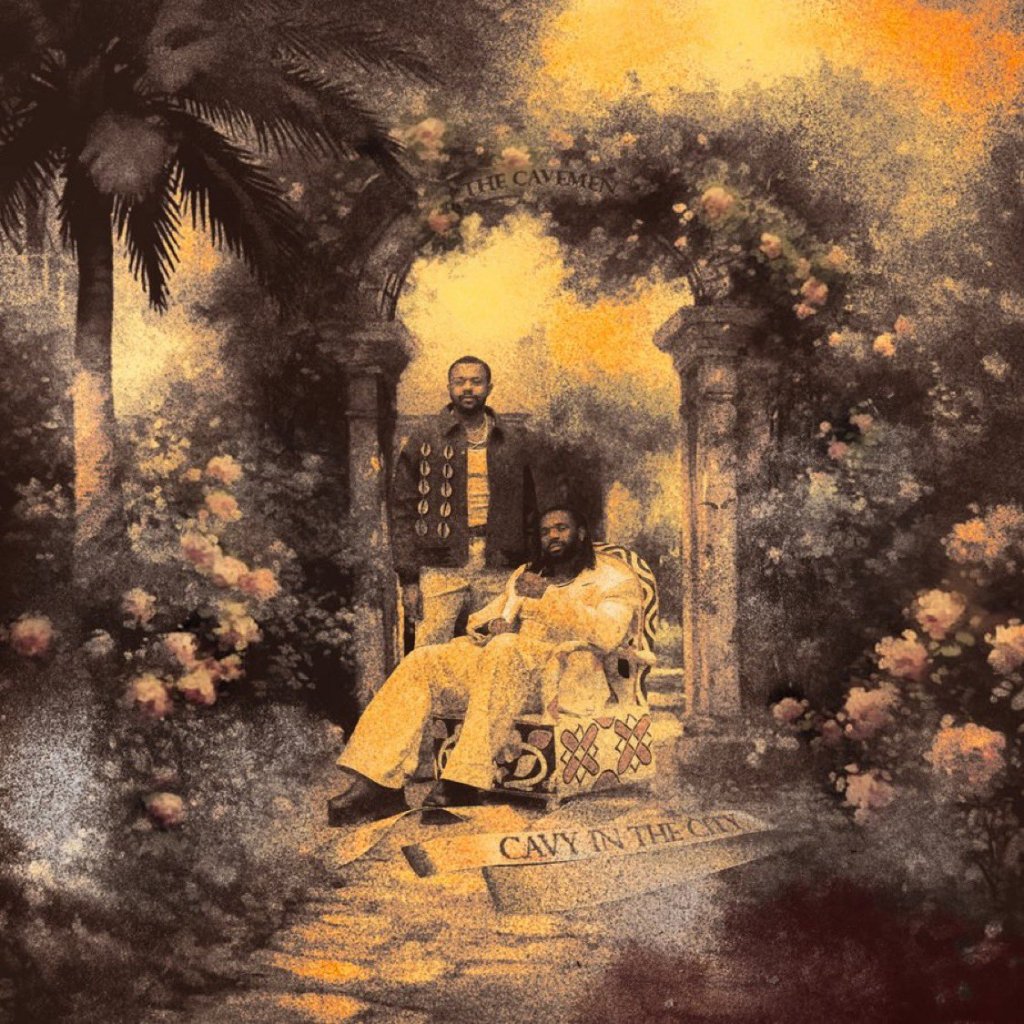
    “Cavy in the City”. 

    One thing that stands out with the cavemen is how consistent they have been over the years. They don’t chase trends, but rather refine their style to appease their audience. That commitment to live instrumentation in an era of heavy digital production gives their work texture and depth. Their vision is intentional. Blending heritage and global, modern fame. So the album isn’t just nostalgic, it’s forward-looking while anchored in tradition.


    Benjamin & Kingsley of The Cavemen

    Now let’s dive into the Cave. Grab your cold palm wine and journey with me.

    Released in October 2025, Cavy in the City is a 13-track, 38-minute journey that bridges heritage and modernity.

    A Warm Welcome to the Cave

    The album opens with Welcome to the Cave, and it feels exactly like a moonlight tale. The Cavemen. use this introduction to pay homage to the “ancestors” of highlife. The pioneers who laid the groundwork for the beauty of the genre we all enjoy today. It’s the perfect opener: reflective, inviting, and rich with reverence. From the first notes, you know you’re in for a journey through rhythm, culture, and memory.

    Keep Moving — Featuring Angélique Kidjo

    Track two, Keep Moving, features the legendary Angélique Kidjo. The pairing feels symbolic a union of African generations. The song’s groove carries the unmistakable influence of Fela Kuti, with infectious horns and layered percussion driving a message of persistence and optimism. The title itself feels intentional: an encouragement to stay in motion, to keep dancing, to keep living to keep moving.

    Adaugo — Daughter of Wealth.

    Then comes Adaugo — “the wealth of her father.” You know those women that you only see once in a lifetime, fair, blessed in the right places that you can risk everything for. Yes, you know what I’m talking about and you have definitely met one or two. That’s what this track gives 😂. I won’t be explaining further.

    Signs and Wonders

    Signs and Wonders delivers exactly what its title promises. It delivered signs and wonders to my ears. It’s a soothing track, gentle, peaceful, and mesmerizing. The instrumentation here is especially rich, filled with harmonies and tones that wash over the listener like a Sunday morning breeze.

    Gatekeepers — Featuring Pa Salieu

    One of the album’s standout collaborations, Gatekeepers featuring UK rapper Pa Salieu, feels like putting a round peg in a round hole. Pa Salieu’s energy perfectly complements The Cavemen.’s groove. The fusion of highlife and contemporary Afro-fusion creates something fresh and urgent.  A song that questions power, access, and authenticity without losing its rhythm.

    Paddling and Chameleon

    Paddling is pure nostalgia; it takes you right back to those childhood days in Sunday school, singing playful rhymes to close the service. It’s lighthearted and filled with innocence. Then, Chameleon flips the tone. It’s the aftermath of Adaugo— when the love you risked everything for starts revealing her “true colours.” The storytelling here shows The Cavemen’s knack for weaving humour and heartache into everyday experiences. Ohhh, what a joy to experience music!!

    Mama Speaks & Onwunwa Celestine — The Perfect Farewell

    The closing tracks, Mama Speaks and Onwunwa Celestine, feel like parting words from a village elder, wisdom, prayer, and a sense of closure. They bring the listener gently back from the journey, reminding us that every story, every groove, must eventually find its rest. It’s a graceful, emotional exit from the cave.

    On “Cavy in the City”, they maintain that live-band, analogue warmth approach. The kind of warm music that you play on a Sunday afternoon gathering.

    Production and Song Writing.

      Kingsley Okorie handles much of the production programming and composition for the duo. Benjamin James anchors the live rhythm section (drums); their sound has always been built on live instrumentation(bass + drums + guitars + horns) rather than purely programmed beats. For example, their debut  Roots (2020)  was entirely written, vocalised and produced by them.

    On “Cavy in the City”, they maintain that live-band, analogue warmth approach. The kind of warm music that you play on a Sunday afternoon gathering.

    The writing largely appears to be the cavemen’s domain. They write songs, arrange instrumentation, lead vocals and harmonies. Some tracks might involve co-writing with features (especially in the verses of guest artists) but the backbone remains theirs.

    Final Thoughts

    Cavy in the City is a celebration of heritage a perfect blend of Igbo highlife and modern storytelling. The Cavemen. continue to champion live instrumentation and lyrical simplicity that connects directly to the soul. Fans of legends like Rex Lawson will find comfort here, but so will a new generation seeking authenticity in today’s soundscape.

    The production is clean, the collaborations feel purposeful, and the spirit of highlife remains intact. In instrumentation you will find warm baselines, bright clean guitars,horns, layered vocal harmonies (often in Igbo + English/pidgin), live drums and percussion that swing rather than follow programmed rigidity. The production preserves micro-timing and feel 

    The sequencing of the album also reflects a “Journey ” feel: The introductory track “Welcome to the Cave” into city-groove tracks, features, reflective songs, then returning home in the closing (“Mama Speaks”, “Onwunwa Celestine”). This shows they are thinking not just track-by-track, but as a crafted album.

    Verdict :  A beautifully crafted highlife album that honors tradition while dancing boldly into the city lights

    Rating: 4 out of 5.
  • When Whispers Turn Deadly: Burner Accounts and the New Afrobeats Drama

    When Whispers Turn Deadly: Burner Accounts and the New Afrobeats Drama

    By Femi Bakinson

    Burner accounts are anonymous or fake social media profiles used to share opinions, spread gossip, or leak private information without revealing the person behind them. Unlike official artist pages, they operate in the shadows, often dropping “receipts,” screenshots, or unverified claims that fuel speculation. In fan cultures worldwide, from K-pop to hip-hop, burners have become a powerful tool to shape narratives. In Afrobeats, they’re now central to how drama unfolds, bypassing labels, PR teams, and sometimes even the artists themselves.

    The Afrobeats industry has always thrived on whispers. Rumors of collaborations, secret studio sessions, and private fallouts often travel faster than the songs themselves. But in today’s digital era, whispers don’t stay whispers for long, they morph into screenshots, burner accounts, and viral threads. This new rumor economy is reshaping the culture in real time.

    The recent controversies involving Omah Lay and Rema, and the never-ending Burna Boy and Wizkid rivalry, are prime examples of how a culture of anonymous leaks and unverified revelations is reshaping not only fan conversations but also the reputations of some of Afrobeats’ biggest stars.

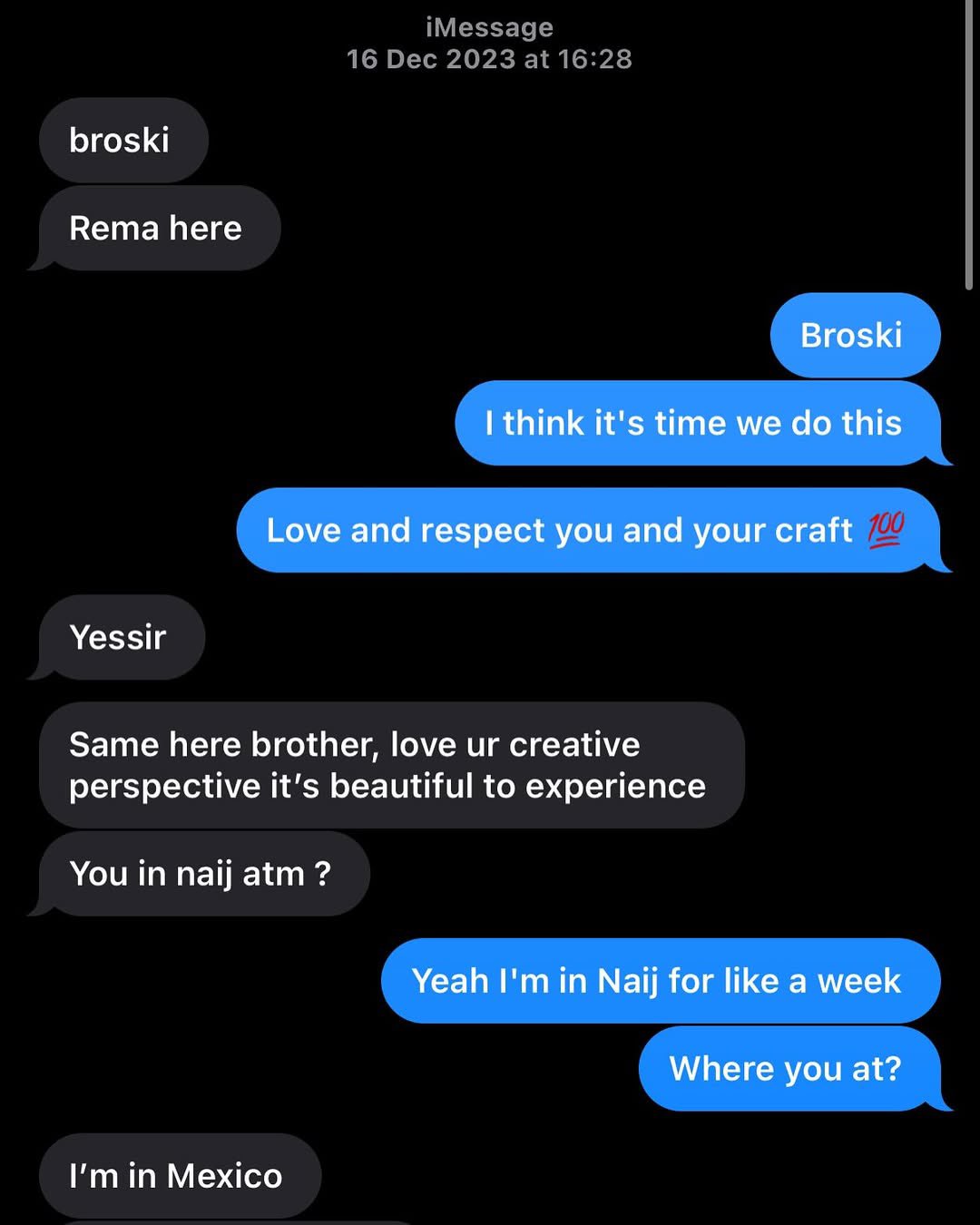
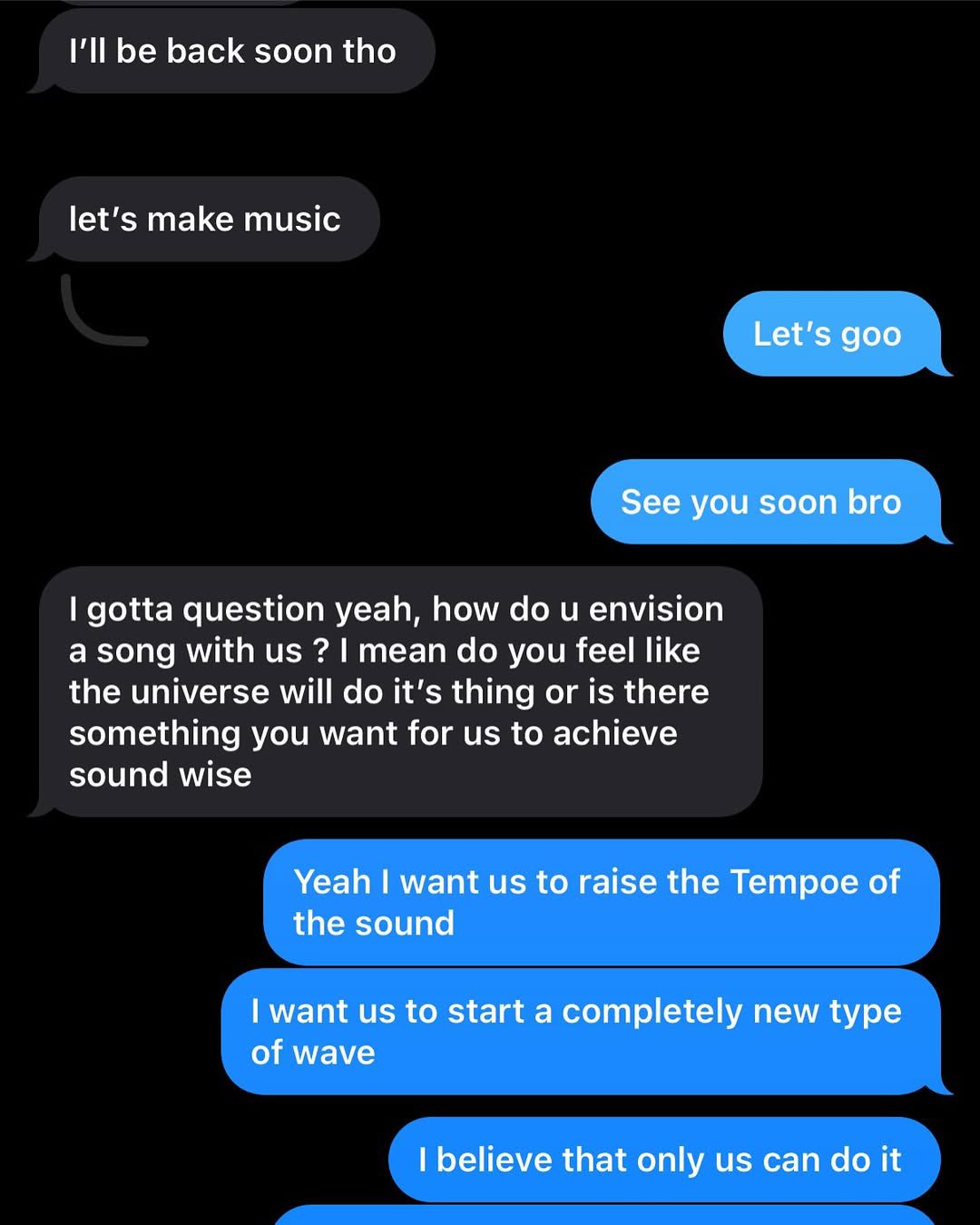
    Earlier this month, screenshots allegedly from a burner account linked to Omah Lay began circulating online. The account, which had operated under the handle “Story of an Angel,” posted iMessage chats that appeared to show Omah Lay sharing an album concept with Rema back in 2023, an idea that, months later, seemed to resurface in Rema’s own project. What made fans believe this anonymous account was connected to Omah Lay were subtle clues: the account’s intimate knowledge of his creative process, posting patterns that aligned with his public statements, and a writing style that mirrored his previous social media presence. The validity of the chats has not been confirmed, and neither artist has publicly addressed them. Yet that hasn’t stopped the story from dominating headlines, fueling debates about creativity, trust, and betrayal in the music industry.

    Similarly, the Burna Boy and Wizkid dynamic has long been amplified by anonymous accounts and whispered claims. From subtweets to alleged burner accounts dropping “receipts,” their rivalry thrives on ambiguity. Even when neither artist speaks directly, “stans” and blogs seize on fragments, turning them into narratives that dominate timelines. The absence of confirmation only deepens speculation, as silence is reinterpreted as strategy.

    This is the peculiar power of burner accounts: they bypass traditional gatekeepers i.e the labels, PR teams, even the artists themselves and deliver raw claims straight into the bloodstream of fan culture. With one post, they can tilt the narrative, turning speculation into per deceived truth. And because these accounts are anonymous, there is little accountability if the claims turn out to be false. The court of public opinion moves faster than facts.

    The stakes extend far beyond hurt feelings. In an industry where global streaming numbers, international collaborations, and brand endorsements can make or break careers, reputation damage can translate into real financial losses. When whispers suggest an artist has stolen concepts or betrayed collaborators, it doesn’t just affect fan perception, it can influence label executives, booking agents, and potential collaborators making decisions worth millions of dollars. This raises a difficult question: how much weight should we give to revelations that emerge in this way? On one hand, burner accounts and leaked screenshots can sometimes expose real injustices whether unpaid royalties, broken promises, or unacknowledged collaborations. They provide fans with an insider’s view of an industry that often operates behind closed doors. On the other hand, they also create fertile ground for misinformation, where private tensions are amplified into public scandals before anyone has had a chance to verify the details.

    The result is an environment where reputation is increasingly fragile. An artist can wake up to find years of work overshadowed by a screenshot, with no way of proving or disproving its authenticity. Even silence becomes risky. If Omah Lay and Rema remain quiet, fans will interpret that silence as confirmation. If Burna Boy or Wizkid ignore burner chatter, their fanbases fill the vacuum with competing interpretations. In a culture dominated by leaks, the narrative is rarely controlled by the people at the center of it.

    Burner culture also changes the relationship between fans and artists. Afrobeats audiences are no longer passive listeners; they are detectives, piecing together timelines from tweets, interviews, and leaked messages. The fandom becomes a whisper network of its own, feeding on half-truths and speculations, sometimes with more energy than the music itself. This dynamic can be exciting, creating a sense of insider knowledge and community among fans. But it can also be corrosive. When gossip outpaces art, the focus shifts from creativity to controversy.

    This pattern isn’t entirely unique to Afrobeats, hip-hop has long featured diss tracks and public feuds. But where traditional rap beefs played out through official releases and public statements, Afrobeats drama increasingly unfolds through anonymous accounts and unverified leaks, making it harder to separate performance from genuine conflict, strategy from spontaneous emotion.

    The irony is that Afrobeats is entering its most professional era yet, artists are signing global deals, filling stadiums, and charting internationally. But beneath this polished surface, the machinery of gossip is more chaotic than ever. In many ways, burner accounts represent the growing pains of an industry that is both local and global, informal yet professional. They expose the gaps between how the industry is managed publicly and how it operates privately.

    Finding Balance in the Noise

    What is needed now is balance. Fans should be cautious in how much they elevate unverified claims, understanding that screenshots can be fabricated and anonymous accounts may have ulterior motives. Media outlets must resist the temptation to treat every screenshot as gospel, remembering that the pursuit of clicks cannot come at the cost of fairness. And artists themselves need to adapt, understanding that in an era of leaks, transparency and proactive communication may be the only way to stay ahead of the rumor mill.

    At its best, the whisper network surrounding Afrobeats reflects the passion of its community. It shows how deeply fans care about not just the music but the stories behind it. But left unchecked, it risks becoming a culture that thrives more on suspicion than celebration.

    Burner accounts will not disappear; anonymity has always been a powerful tool for those seeking to share sensitive information without facing direct consequences. What matters is how we, as fans, media, and artists, engage with them. Do we treat them as starting points for discussion, or as final verdicts? The difference may determine whether Afrobeats continues to grow on the strength of its music or becomes trapped in the noise of its own whispers. As the genre reaches new global heights, the industry must decide whether it wants to be defined by its art or its rumors. The whispers will always be there. The question is: are we listening to the right voices?

  • Casa Mìra Mar:June Freedom’s Ocean of Sound

    Casa Mìra Mar:June Freedom’s Ocean of Sound

    By TOSINTEVS 

    Some artists find their sound. Others build it — layer by layer, language by language, experience by experience. For June Freedom, music is not a place you arrive at. It’s something you return to. Again and again.

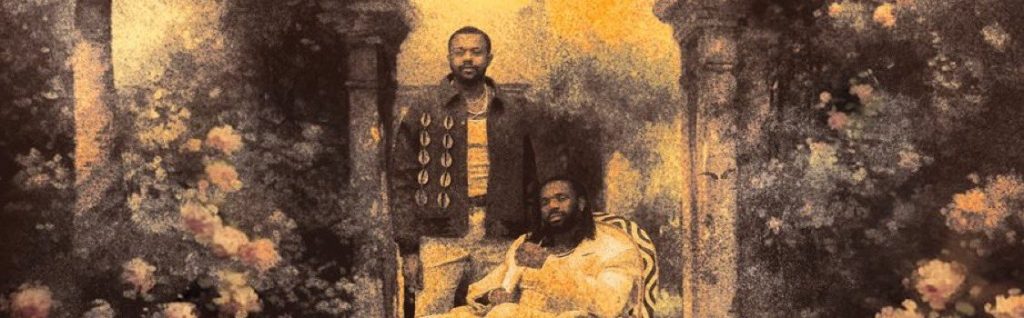
    His latest album, Casa Mìra Mar, is more than a record. It’s a homecoming. A love letter to Cape Verde. A passport stamped with rhythm and memory. And perhaps most importantly, it’s a mirror reflecting the life of an artist whose identity was never meant to fit into one culture, one genre, or one lane.
    A Cape Verdean Soul, Raised in Motion

    “I was born in the U.S.,” June tells me, “but from the age of three to fifteen, I lived in Cape Verde. That’s where everything started.”
    His mother, a restaurant owner on the island, gave him more than a roof — she gave him a stage. “From age ten, every weekend, I’d be at my mom’s restaurant watching live bands perform. I was obsessed,” he recalls. “It’s literally where my career began. I’d just stand there watching how they did it, learning, feeling. That was my music school.”
    But Cape Verde wasn’t just about music. It was about culture, community, and presence. “My island was calm. People went inside by 8 p.m. I’d spend days riding horses in the countryside with my cousins, surfing at the beach, listening to traditional music. I didn’t even know who Prince was. I only knew Bob Marley.”

    When he moved back to Boston at 15, it was like landing in another world. “The West changed everything,” he says. “The hustle was different. The music, the language, the lifestyle — it was fast. Aggressive. Intense. I discovered DMX, Usher, 50 Cent, Linkin Park. I was being hit with all these new sounds and I didn’t know how to process it.”

    That transition sparked a creative crisis — and eventually, a creative revolution. “It took me a decade to understand my sound,” he says. “I didn’t have an identity for a long time. I had to live life, make mistakes, and feel things before I could create from a real place.”

    From Student to Storyteller

    The turning point came in Los Angeles, where June spent five years in quiet development. While others rushed to release, he focused on learning.

    “LA was my experimental phase. I wasn’t just creating for myself — I was learning how to write for others, how to play instruments, how to listen professionally. I worked on songs for artists like Swae Lee and The Weeknd. I had to sit in sessions and be a fly on the wall. That taught me everything.”

    Eventually, the desire to create his own voice grew louder.

    “After a while, I said, ‘I’m ready for my own shit.’ And I went back to the essence.”

    That essence is Casa Mìra Mar , a project that bridges continents and connects past and present.

    “My grandfather had a store back home called Casa Mira Mar,” he explains. “You could see the ocean from there. You could see another island. It was peaceful. This album is that store — a place of calm, of connection, of perspective.”

    He continues, “There’s a lot going on in the world right now. I wanted this album to feel like an escape. Like a slow ride by the ocean. Like peace.”

    Building a Sonic Diaspora

    Across 12 songs, Casa Mira Mar fuses Afrobeat, R&B, Latin, Cape Verdean folk, and subtle rock influences into a seamless body of work. There’s “Spiritual”, a hypnotic anthem with militant drums and Afro-fusion bounce. There’s “Girls Like Shade” with Ghanaian-Dutch artist Nana Fofie, and “Oh My Lady”, a standout Afro-pop duet featuring Nigerian talent Abolaji Collins, whom June jokes he “stole from L.A.X.”

    “He did the guitar, wrote the hook — I just re-sang it and added my verses. He’s my brother. A real one,” June says. “That one has a real Nigerian vibe, but I made it my own. You can feel the influence, but it’s still me.”

    What makes the album even more special is the organic way it came together. “It was supposed to be a six-song EP,” he admits. “Then it turned into 12. It took a year and a half. Nothing was forced. Every feature, every verse happened naturally.”

    One of the album’s most magical collaborations came by chance. “There’s a track called Dorama. I met a girl named Lua de Santana at my show in Spain. Her friend brought her. Six months later, I saw a video on Instagram, and I’m like, ‘Who is singing this?’ She goes, ‘That’s me.’ I was like, ‘Bitch, you didn’t even tell me you make music!’ So I sent her a track. She killed the verse. Now she’s part of the album.”

    This kind of serendipity defines June’s creative process. “It never happens the same way twice,” he says. “I don’t chase formulas. I chase feeling.”

    “You Hear Everything in Me”

    Trying to box June Freedom into a single genre is a losing game. “Editors always ask me, ‘Is it R&B? Is it Afrobeats? Is it Latin?’ I’m like, ‘Yes.’ I grew up with African drums. We were colonized by the Portuguese. I live in America. I speak Creole, Portuguese, Spanish, and English. You’re going to hear all of it.”

    His core collaborators, Ergin and Eric, Dutch producers based in Rotterdam, have helped him shape that blended identity. “Their textures are like fine wine. It just works with my tone. I’ve tried working with other producers and it’s never the same. These are my ninjas. I keep them tucked.”

    Still, he’s been expanding — working with BlaiseBeats, Kel P and others. “The next project’s going to have a lot of Nigerians,” he hints. “I just sent something to BNXN.”

    Presence Is the Point

    The emotional core of Casa Mira Mar is rooted in memory — of home, family, and simplicity. “I remember my grandfather. He was that guy. He’d drive through the countryside and honk at every single house. Everyone knew him. This album is for him. For that version of peace.”

    Even the album’s outro, “Leban Ku Bo”, sung in Cape Verdean Creole, is poetic closure. “It means ‘Take me with you.’ It’s about love, longing, and letting go. It’s the most personal one. It just felt right to end there.”

    When asked what he wants listeners to feel, June doesn’t hesitate: “I want you to feel present. I want you to feel peace. I want you to feel love. I want you to feel connected to yourself.”

    The Road Ahead

    Following a sold-out listening party in Paris and growing buzz across Europe, June is planning a tour with dates in the Netherlands and London. “You better come see this shit live,” he grins. “I’m bringing the ocean with me.”

    He’s also using his platform to shine light on lesser-known artists from Cape Verde and beyond. “Look out for Maida Andrade, Dino Santiago, Ellie Delmeda. Cesária Évora opened the doors for us — we have to keep it going.”

    June Freedom isn’t here to follow trends. He’s here to document the diaspora. His music is memory. His voice is migration. And his albums — especially Casa Mira Mar — are sacred spaces where tradition, evolution, and rhythm can all exist in harmony.

    “I’m not trying to be anyone else,” he says. “I just want to be present. And I want my music to help people feel that, too.”

  • Church Roots, City Noise, Global Dreams: Tim Lyre’s “Spiral” Breakthrough

    Church Roots, City Noise, Global Dreams: Tim Lyre’s “Spiral” Breakthrough

    At Outer South, the ethos has always been about pushing boundaries sonically, visually, and culturally. It’s a label that doesn’t just sign artists, it cultivates visionaries. And no artist embodies that spirit more clearly right now than Tim Lyre. 


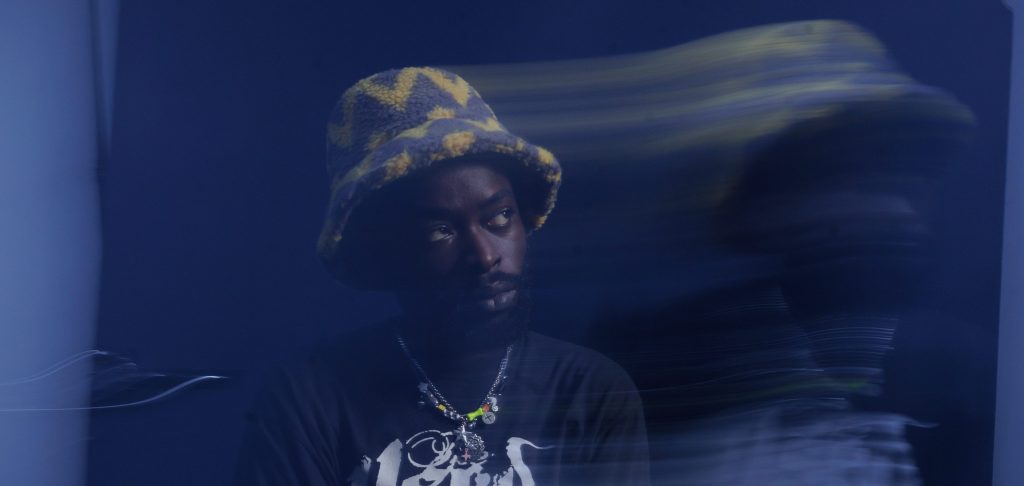
    There’s a certain momentum building around Tim right now. He’s in full “album mode,” and the energy is infectious. When we catch up, he’s calm, assured, and most importantly, excited. “I’m good, thank you. Thanks for having me on,” he says, smiling. “Things are good right now — album mode gingered.”

    Tim’s new album, Spiral, is more than a body of work. It’s a landmark moment in a journey that began over a decade ago.

    Well, I’d say I’ve been putting out music since 2012 — not when I was 12, that would be crazy,” he laughs.

    But I’ve been around music my whole life. I come from a long line of church musicians — great-grandfather, grandfather, father. From a young age, I was reading music and learning classical theory.

    From a young age, I was reading music and learning classical theory.

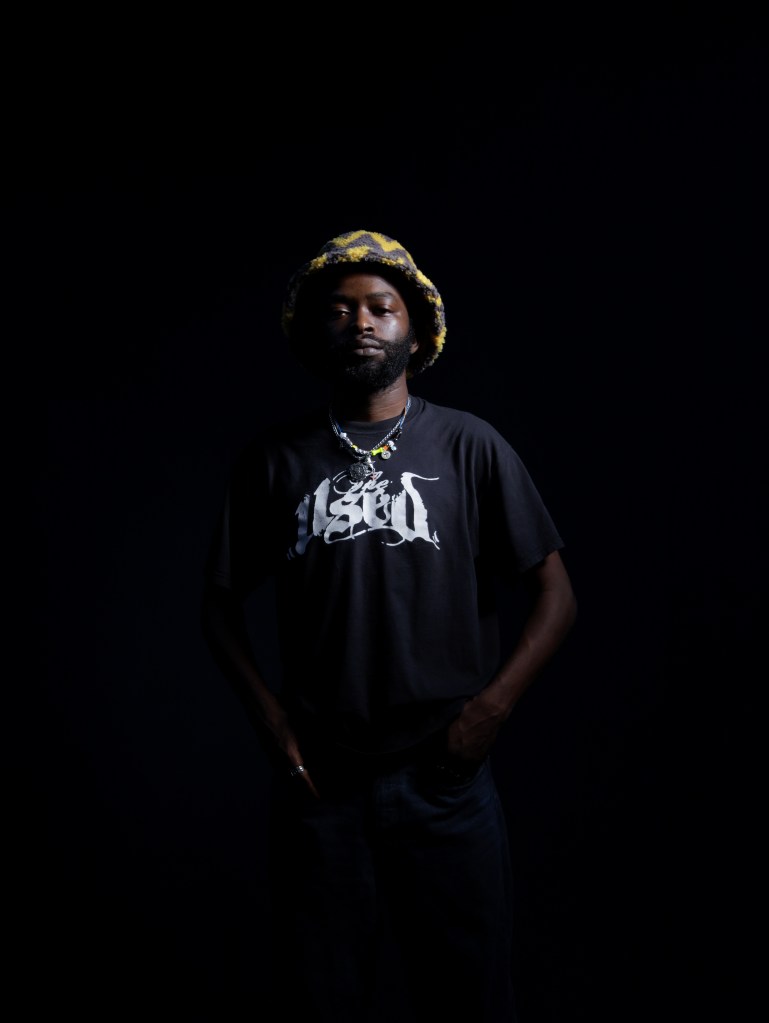
    Tim Lyre

    Raised in the cadence of choirs and instruments, Tim was involved in music early.

    Tim- It was like a rite of passage. Everybody had to be in the choir. That environment shaped me. I play piano, guitar, a bunch of instruments, so being around music constantly helped me understand a lot — not just as a vocalist but as a producer and writer too.


    The Chop Life Crew Chapter

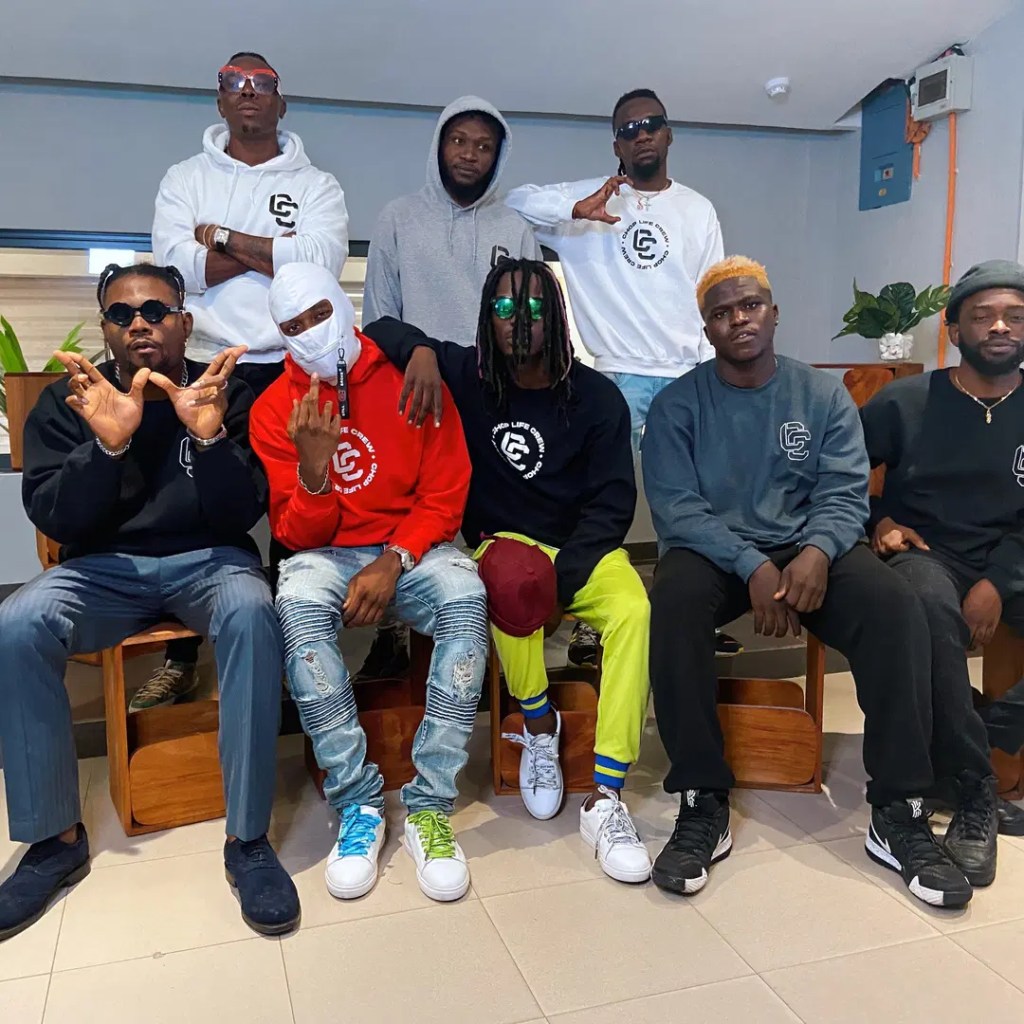
    By 2020, Tim was part of a collective known affectionately as Chop Life Crew, a name inspired by Mojo AF and Prettyboy D-O’s celebratory anthem.

    Tim – That name just made sense at the time. Everywhere we went — me, Mojo, Ronehi — people already associated us with it,” Tim explains. “We made it official. I’ve known Mojo and Ronehi since A-levels. We grew together.”

    The collaboration wasn’t just organic; it was transformative.

    Tim- It’s definitely impacted my music. When you grow with like-minded people like Mojo and Ronehi, it pushes you. If you listen to the music, you hear the growth in production, in storytelling, everything.

    The chemistry, particularly between Tim and Mojo, is evident — especially on “Villagio,” a standout on Spiral.

    Tim- We’ve worked together since uni. That kind of familiarity builds instinct. I don’t have to overthink when I’m working with Mojo. I just see what he’s vibing to, and we go. He’s the best rapper in the country, as far as I’m concerned.


    Introducing Spiral

    Tim’s earlier works — worry > and masta — hinted at something bubbling under the surface. With Spiral, it erupts.

    Tim- It’s more expansive than anything I’ve done. More tracks, more subject matter, more storytelling. I’m talking more. And it’s my first double-sided project.”

    More tracks, more subject matter, more storytelling. I’m talking more. And it’s my first double-sided project.”

    Tim Lyre

    Inspired by old-school double-sided CDs, the idea was both nostalgic and strategic. “

    Tim- Some of my favourite albums came like that. I wanted Side A and Side B to feel different sonically, but still connected. Each side tells its own story.

    So, why the name Spiral?

    Tim- Someone once told me spiraling means something negative, like a downward spiral. But for me, it’s about evolution,” Tim explains. “Life unravels — fast. You chase a dream and sometimes miss what’s happening around you. This album is me making sense of everything that’s happened — as an artist, as a person. It’s my evolution.

    Intentional Collaborations

    From Show Dem Camp to Binta, the album’s features are both eclectic and carefully placed.

    Tim- I’m a studio writer type of artist, so I’m always around other creatives — producers, singers. Some people I connect with online, some through mutual friends. With Binta, for example, we’d been talking since worry < dropped. We finally linked up in London and made ‘Storytime’

    Two standout features — Joshua Baraka (Uganda ) and Manana ( South African) — reflect Tim’s ability to bridge the continent’s sounds.

    Tim- Joshua was unexpected. I love his voice. The label reached out to his team, we were both in London, and it all just aligned. Manana, I’ve never met in person. We connected on Instagram. He sent his part back the same day I sent the song. Crazy.

    Despite producing less than usual, Tim still crafted about 40% of the album’s sound.

    Tim – This time I worked more with others. KC Freeley produced Economy, Lock In, Rocketship. Of course, Ronehi — that’s my long-time guy. We record almost every day. Dare also contributed to this one.

    Bars From Real Life

    Tim even flexes his rap muscles on the album. One of his favorite verses? From “Villagio” with Mojo:

    “My kele just wan go abroad,

    She said she want to hammer, rowo mo japa,

    I say baby what you running from?

    She say baby where I’m coming from,

    I’m tired of niggas, they all do fraud…”

    He laughs.

    That’s real. A real conversation with a babe. She was moving out of the country ‘cause every guy she met was doing fraud. Lagos is not a real place.

    Beyond the Booth: Songwriting and Discovery

    Outside of his own records, Tim is gaining momentum as a songwriter, with credits on Boj’s album and even some work with Adekunle Gold.

    Tim- Writing is new for me, but it’s been fun. There’s less pressure than when I write for myself. I try to step into their perspective. It’s a challenge I enjoy.

    And he’s still discovering.

    Tim – There’s this artist — Braye. Insane. Like a baby Nigerian Chronixx. His project I Wish I Had More Time is what I’ve been spinning lately.

    The Live Experience

    Tim isn’t just releasing music — he’s bringing it to the stage.

    Tim – We’ve got merch coming soon and a live show on September 25th at Camden Assembly — that’s the biggest venue I’ve headlined so far. And we’re planning a show in Lagos towards the end of the year too.

    When asked what he wants fans to take from Spiral, he’s reflective.

    Personally, I hope it helps me break through a certain ceiling. For fans, I just want them to receive it the way I’m giving it — with love. If you’ve followed my music till now, this is just an expansion of all that. And I’m excited.

    As the album builds, one track, Ski, marks a shift in tempo — the bounce kicks in.

    I always wanted to make one of those two-in-one songs,” Tim says. “The first part was inspired by a Boyz II Men song. I wanted to start R&B and then switch to a dancehall vibe. I didn’t know how it would land, but when it was done, I was proud of it.

    From church choirs to Camden stages, from Chop Life Crew to Spiral, Tim’s evolution is unfolding in real time. And if this album is any indication, we’re just witnessing the beginning of his next act.

    By Tosin Tevs for LSTVWW

  • LSTV First Listen : 16 Soldiers and BNXN is the “Captain”

    LSTV First Listen : 16 Soldiers and BNXN is the “Captain”

    Yes, he’s trained for this moment. Yes, it’s war. But not the kind with bloodshed—this is artillery made of rhythm, pen game, and pure emotion. On 16 Soldiers, BNXN redefines what it means to fight for legacy in Afrobeats.

    Opening an album with four experimental tracks isn’t a common move in today’s Afrobeats scene. But BNXN charges forward, guns blazing. From the introspective spark of I Alone, to Cutesy with Seyi Vibez riding over an AfroJersey bounce, to that subtle Burna Boy sample on Jiles—you instantly know he’s not here to play. The tone is set, the mission is clear: BNXN is building legacy, not just moments.

    This project is a testament to the consistent work he’s poured into his craft. Tracks like Asimolowo, Jies, and Laye Mi showcase a cultural awareness that’s both sharp and poetic. He tells stories through melody—nuanced, rich, and emotionally layered. No two songs sound alike, even if his smooth delivery can occasionally trick the ear into thinking otherwise. Lyrically, he’s in his bag. Versatility? Fully unlocked.

    Standouts? Yes Sir, Laye Mi, Jies, Cough Syrup. These aren’t just songs—they’re pages from a diary he never locked away. BNXN never misses a chance to remind us of his come-up—from squatting in friends’ houses to collecting rejections—and still, he plays with the number 16 on 5hrs to Nairobi, weaving his story deeper into the fabric of this album.

    The features? Seyi Vibez arguably delivers the best feature on the tape, gliding effortlessly next to BNXN. He also introduces us to a new voice—Fola—on Very Soon, and it’s clear: this newcomer came ready. Of course, the Rema banger made the cut, because what’s a war chest without an explosive?

    Toward the end, Cough Syrup pairs BNXN with Victony—two pens, one stage, and zero fear. Victony brags: “I been writing my songs on lowkey before Jazzy put the Mo in the Mo’Hits”—a bar heavy enough to shut the beat down. When BNXN comes back in, it’s with grace and precision, re-taking command of his sonic battalion.

    And that battalion? It’s not just made of words and melodies—it’s powered by some of the best producers in the game: Kel P, Semzi, Blaize Beats, Ryemz, Larry Lanes and more. Each one a soldier. Each one essential.

    The album ends on a reflective, deeply spiritual note with the Grammy-nominated Soweto Gospel Choir. BNXN stands firm in his faith, giving thanks to Jesus for carrying him through the chaos, the highs, the trenches, and the triumphs.

    For me, 16 Soldiers feels like the commander—BNXN—has returned from the battlefield, battered, wiser, victorious. And now, he’s celebrating with the 16 who survived the musical war alongside him.

    And if we’re talking dream staging? I want to see 16 Soldiers live in a Royal Albert Hall-type setting. That’s the only space worthy of a project this culturally significant, emotionally raw, and artistically unshakable.

  • LSTV First Listen: Tim Lyre’s Spiral Might Just Be His Magnum Opus

    You know what? I never doubted Tim Lyre’s ability to deliver — especially on a two-sided project.
    The nostalgia this album carries instantly reassures you of his commitment to the craft. Spiral is Tim’s sophomore album following Worry (2022), and four years later, the king of penmanship is still in the booth delivering bangers like it’s his first time.

    There’s a noticeable confidence in his sound now. He kicks off the project with a cheeky bit of self-praise, describing a fight against the game:
    “I sting like a bee so they can’t have access / Left, right, left so they can’t pass us”
    a direct nod to Muhammad Ali and his tactical, poetic bravado. This opening record features the always-smooth Moelogo. Together, they bounce bars off each other effortlessly, making the intro a definite replay moment.

    Now let’s talk features.
    It’s no secret Tim blends seamlessly with his usual collaborators — Mojo, Show Dem Camp, BOJ. But it’s the newer voices like Joshua Baraka, Joyce Olong, BINA, and Binta that elevate this body of work. Just wait till you hear what they do to your soul.

    Storytelling?
    Already covered that with the intro — but it doesn’t stop there. One standout moment for me is the quality of production. When a project’s mixing and mastering blurs the line between live instruments and digital kits, that’s when you know the budget was up, and the ears were sharp.

    All in all, this album might be the project that brings Tim Lyre to the forefront — closer to the conversation of who’s next, and who’s elite. It cements him as one of the most refined voices to come out of the continent, and a true craftsman in every sense.

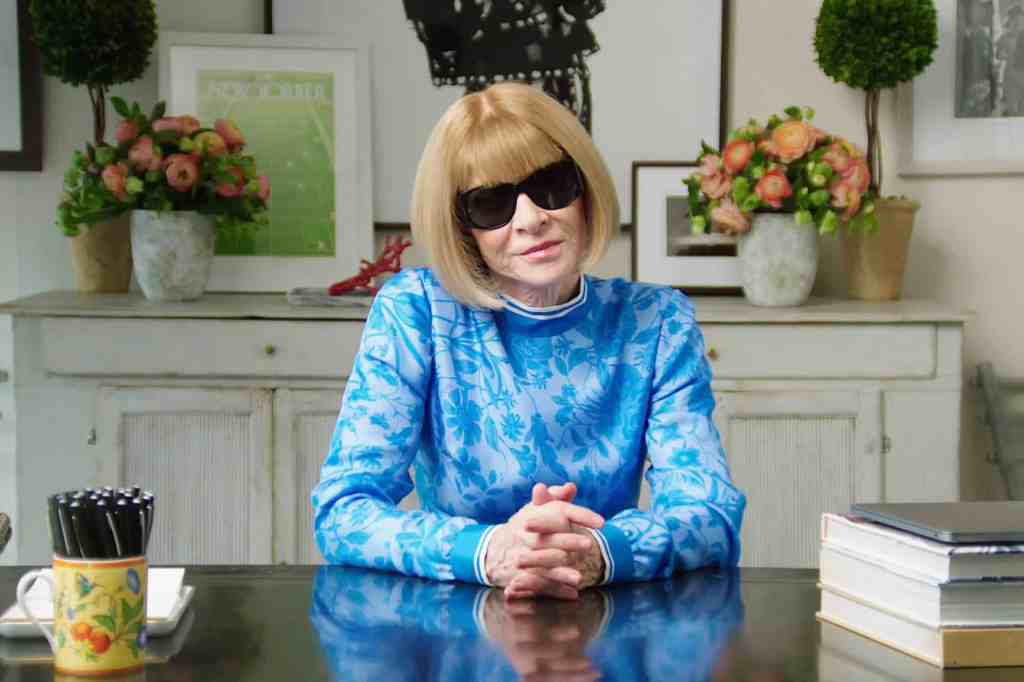
  • After 37 Years, Anna Wintour Steps Down as Editor-in-Chief of Vogue Global — An Era Ends

    After 37 Years, Anna Wintour Steps Down as Editor-in-Chief of Vogue Global — An Era Ends

    What’s next for the queen of fashion and fashion at large? Oh my goodness, what’s next for Vogue?

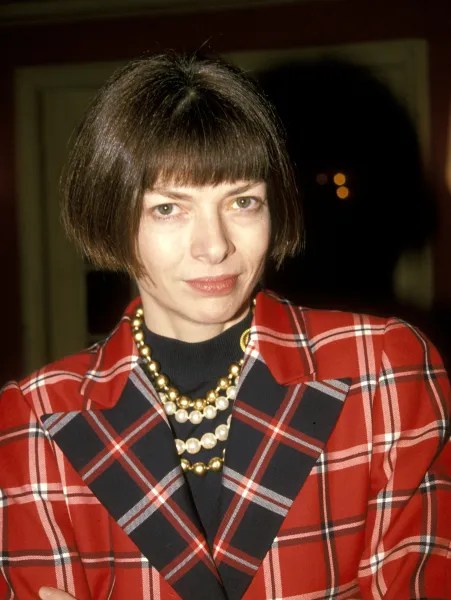
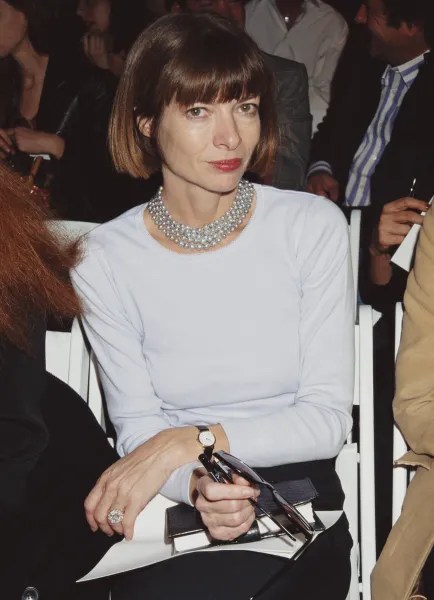
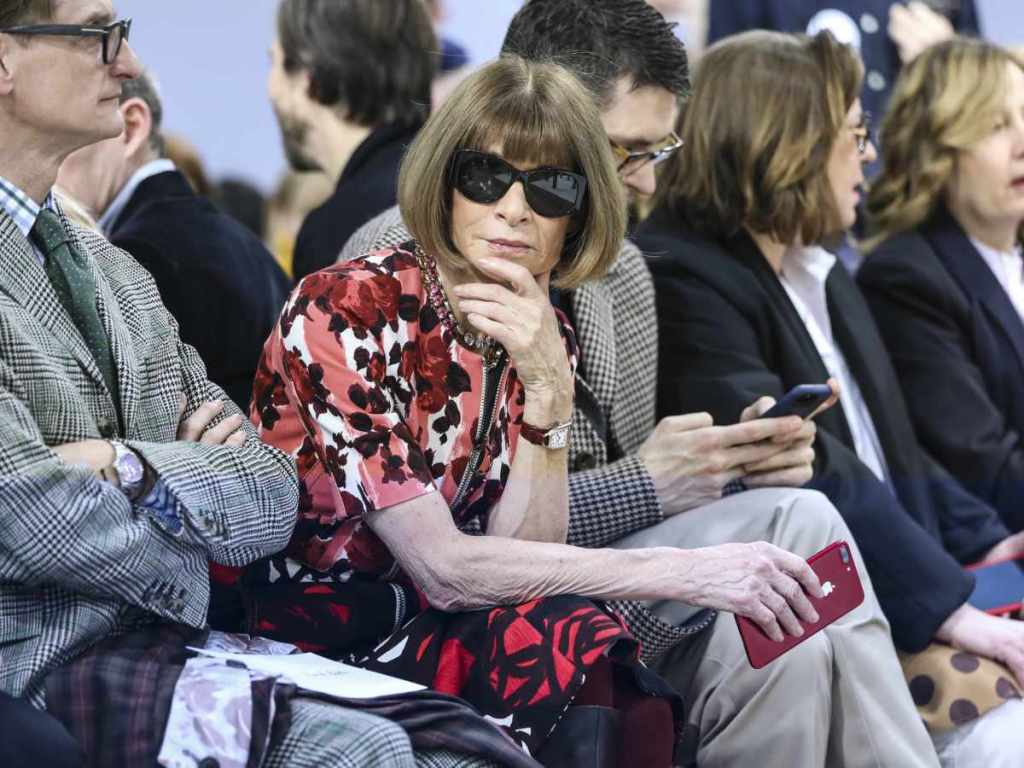
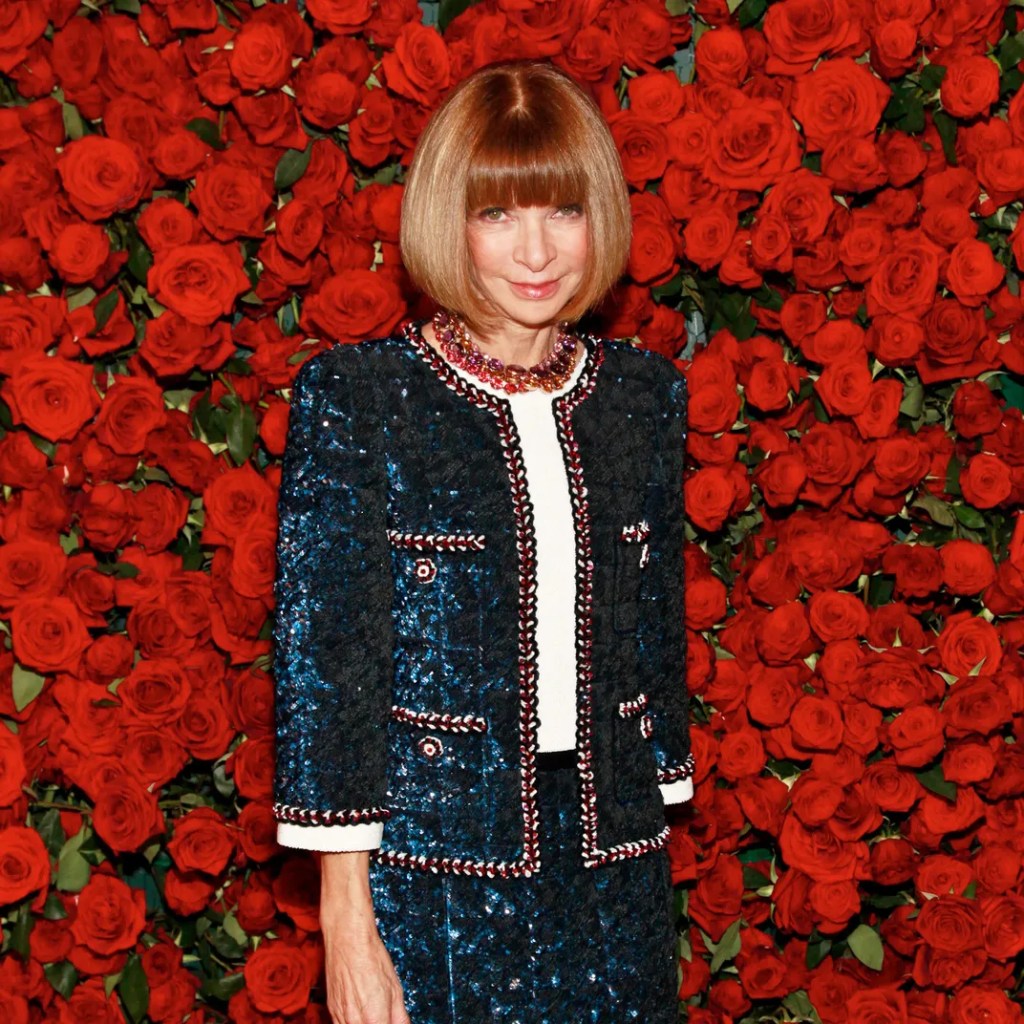
    It’s official. After three decades and some change, the legendary Anna Wintour has stepped down as Editor-in-Chief of Vogue Global. Yes — the same Anna who made the bob and shades a global trademark, the same Anna who didn’t just run Vogue, but ran fashion.

    Wintour’s journey with Vogue started in 1985, when she relocated to New York. After a brief stint back in London to lead British Vogue, she returned in 1988 to take the global reins. Her mission was clear: make Vogue the number one fashion magazine in the world. At the time, Elle Magazine held the crown, but Anna was about to shake the table.

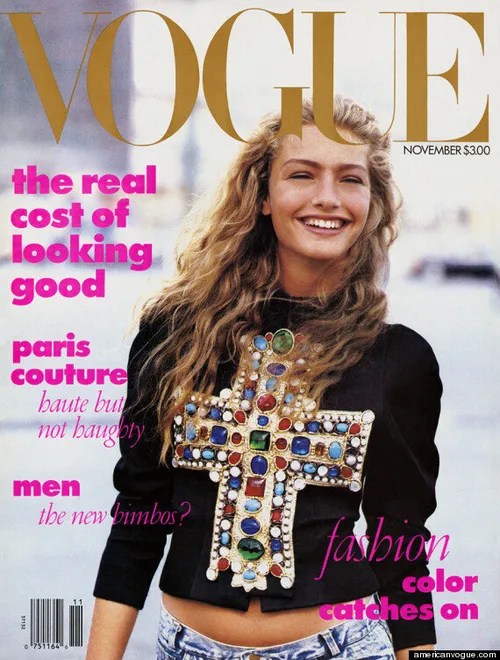
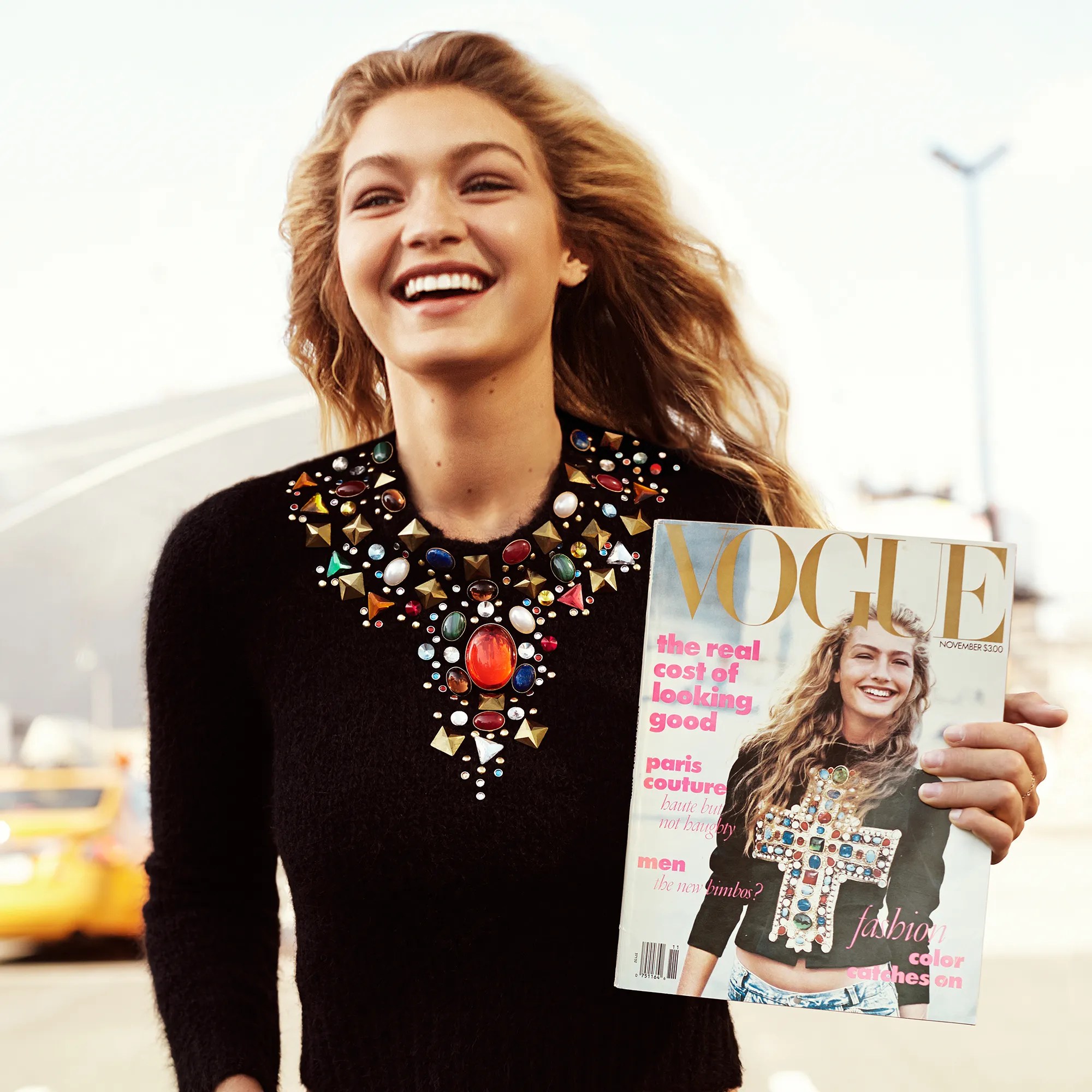
    Her first U.S. Vogue cover said it all — Israeli model Michaela Bercu in a $10,000 Christian Lacroix sweater and $50 Guess jeans. It was bold. Unconventional. Controversial. And it worked. That single image sparked a creative revolution and reshaped how fashion was perceived globally.

    Anna didn’t just run a magazine — she reshaped an industry. Under her rule, Vogue became the global fashion bible. She opened doors for designers, gave rising talent like Victoria Beckham their first runway platforms, and played gatekeeper to the highest level of fashion validation.

    Her work ethic? Ruthless.
    Her vision? Unmatched.
    Her influence? Untouchable.

    Let’s not forget, she’s also the chair of the Met Gala — the most exclusive fashion event on the planet. Wintour transformed it from a fundraiser into fashion’s Super Bowl.

    Though she’s stepping down from her editorial throne, Anna isn’t leaving fashion entirely. She’ll now serve as Chief Content Officer at Condé Nast, Vogue’s parent company.

    But one question remains —
    Who’s filling those size-37-year-old shoes?
    Who’s next in line to carry the Vogue legacy forward?

  • DISCOVERY & DEPTH AT MELTDOWN: KARA AND KONYIKEH TAKE THE PURCELL STAGE

    DISCOVERY & DEPTH AT MELTDOWN: KARA AND KONYIKEH TAKE THE PURCELL STAGE

    One of the underrated joys of festivals — aside from hearing your favourite artists perform your favourite songs — is the discovery. New sounds, new genres, new names that suddenly become unforgettable. That was exactly my experience yesterday at the Purcell Room, tucked inside the Southbank Centre, where I encountered Konyikeh and Kara for the very first time — and I left changed.

    Konyikeh opened the evening with a stripped-down, soul-stirring set accompanied only by her acoustic guitarist. I walked in just as she was performing “Sorrow,” and let me tell you — I felt every word as it poured out of her voice. It was raw, haunting, and incredibly beautiful. There’s a calm confidence in her delivery that holds you tight.

    Then came Kara.

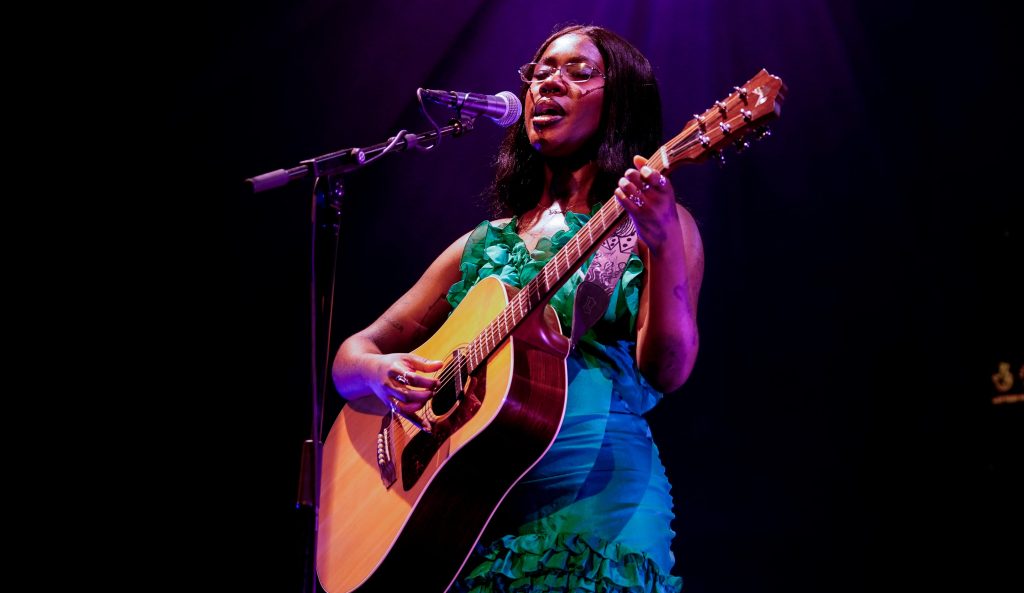
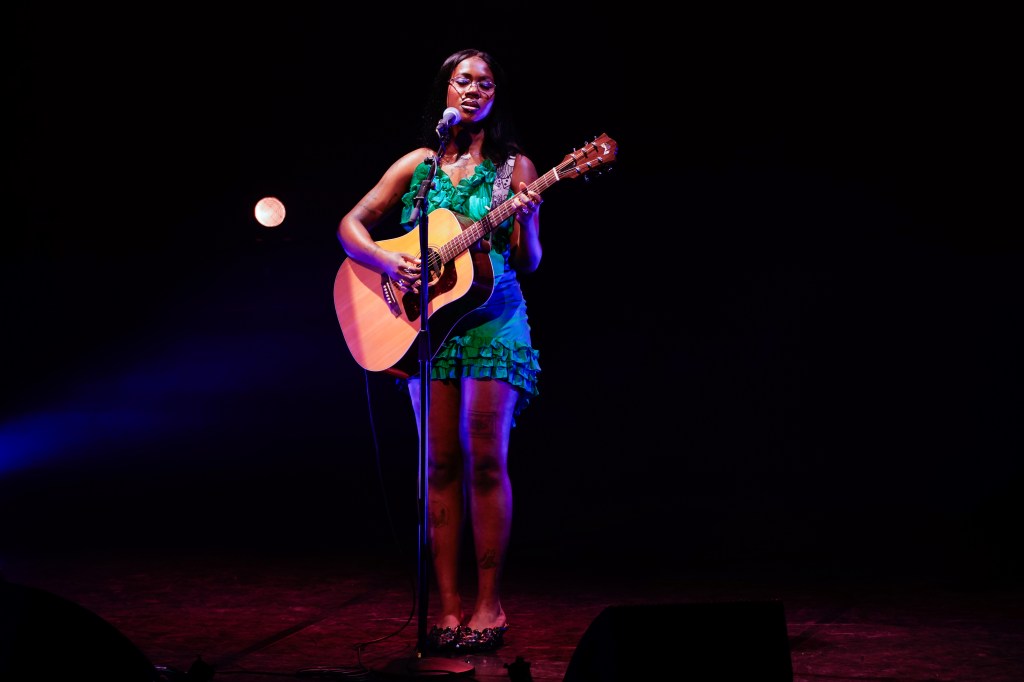
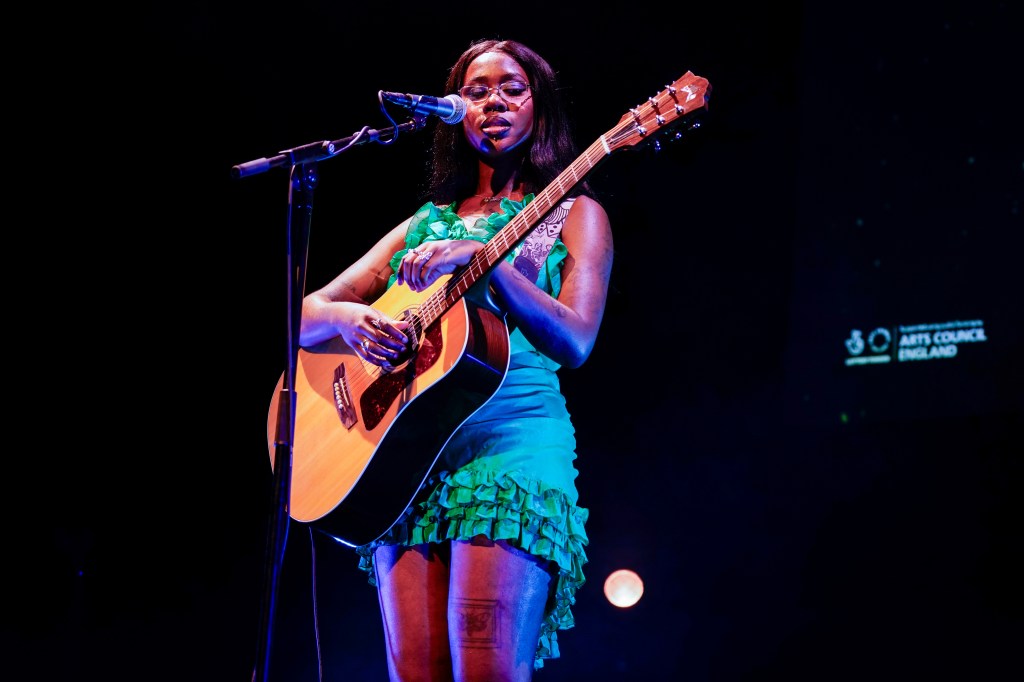
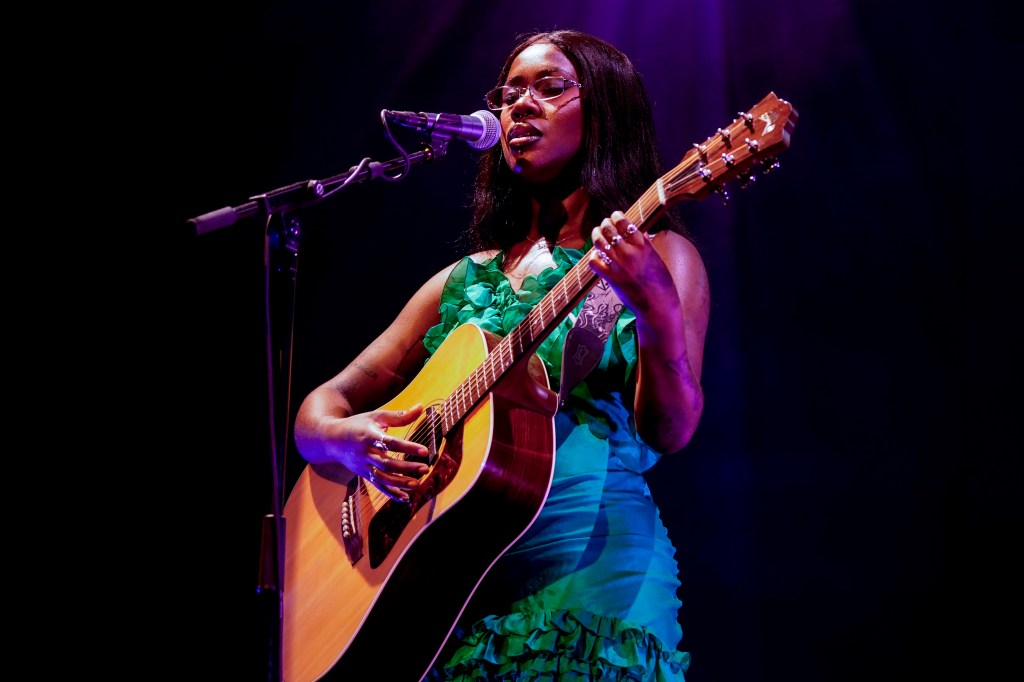
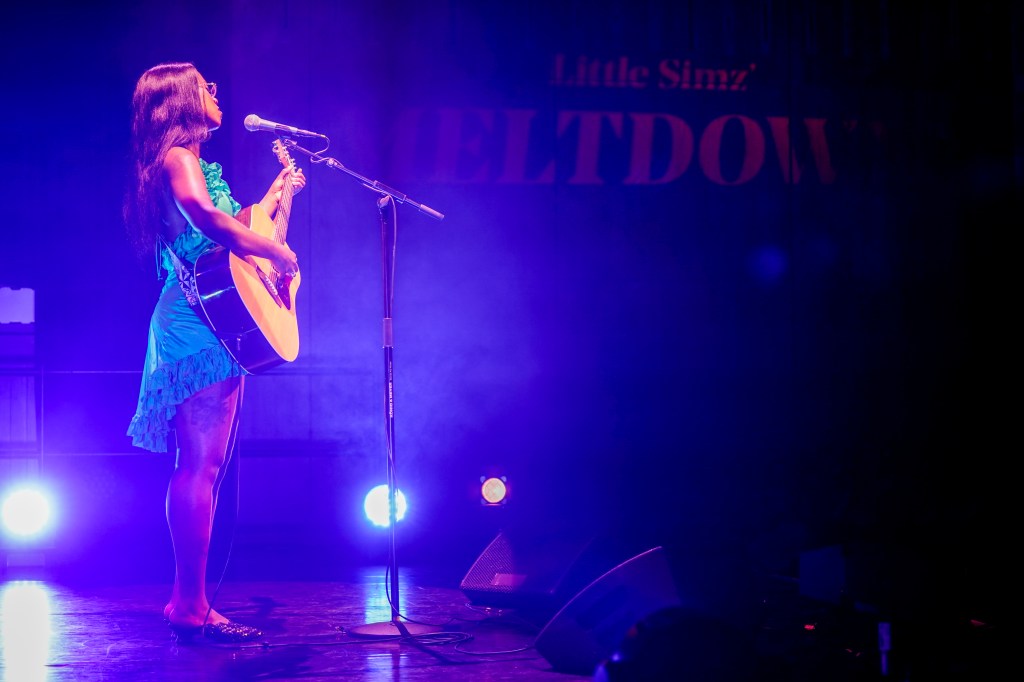
    The hall dimmed. A soft purple strobe lit the stage. Out walked Kara — tall, graceful, guitar in hand, rocking a green dress and small-heeled shoes. She didn’t have to say much; the room was already hers. Her voice — deep, warm, expansive — filled the space immediately as she began her set with “Lil Baby.”

    She performed songs from her latest project, “Why Does the Earth Give Us People to Love?” — including standouts like “Therapy” (a personal fave), “Pawn Show” and more. In between songs, she reflected on writing from as young as 18 and her deep obsession with Amy Winehouse, whose influence was clear in Kara’s own raw, poetic lyricism.

    But Kara wasn’t just soulful, she was real. Between tracks, she cracked jokes in her soft-spoken tone that somehow made us all feel like we were sitting in her living room. She gave a heartfelt shoutout to Little Simz, who curated the Meltdown Festival and brought her to London — even though Kara had promised herself no international flights this year. (I think she’s coming back though… she better!)

    She closed the set with what she playfully called the “most vulgar” track on her project — “Dickhead Blues.” And somehow, even that felt elegant, delivered with confidence, wit and grace.

    For me, this wasn’t just a performance — it was an ushering into the universe of a vocal powerhouse with enigmatic writing and a grounded presence. Kara, if you’re reading this, London is ready for more.

  • Saturday Night Was About Tiwa Savage — And Meltdown Will Never Be the Same

    Saturday Night Was About Tiwa Savage — And Meltdown Will Never Be the Same

    The moment I saw Tiwa Savage listed as one of the headliners for this year’s Meltdown Festival, curated by Little Simz at the iconic Southbank Centre, I knew exactly what I was in for — a time. A time down memory lane, a time of angelic vocals, pure creative energy and nostalgia wrapped in elegance.

    Tiwa’s music has soundtracked so many moments for me. Once Upon A Time, my cousin and I used to drive to my internship in Lagos, blasting her debut album in an old Honda Civic like it was gospel. So, this being my first time seeing her live, the expectations were high — and she met every single one.

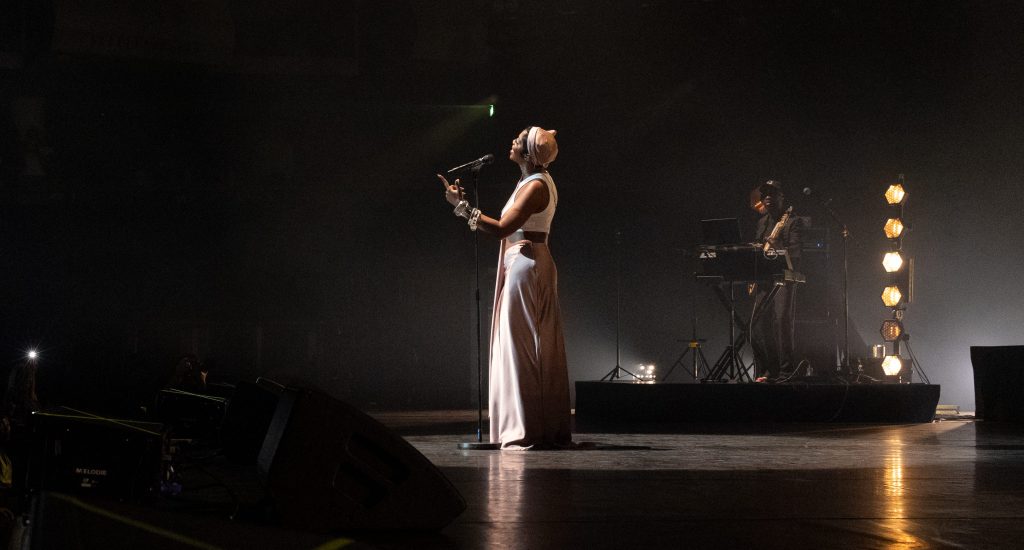
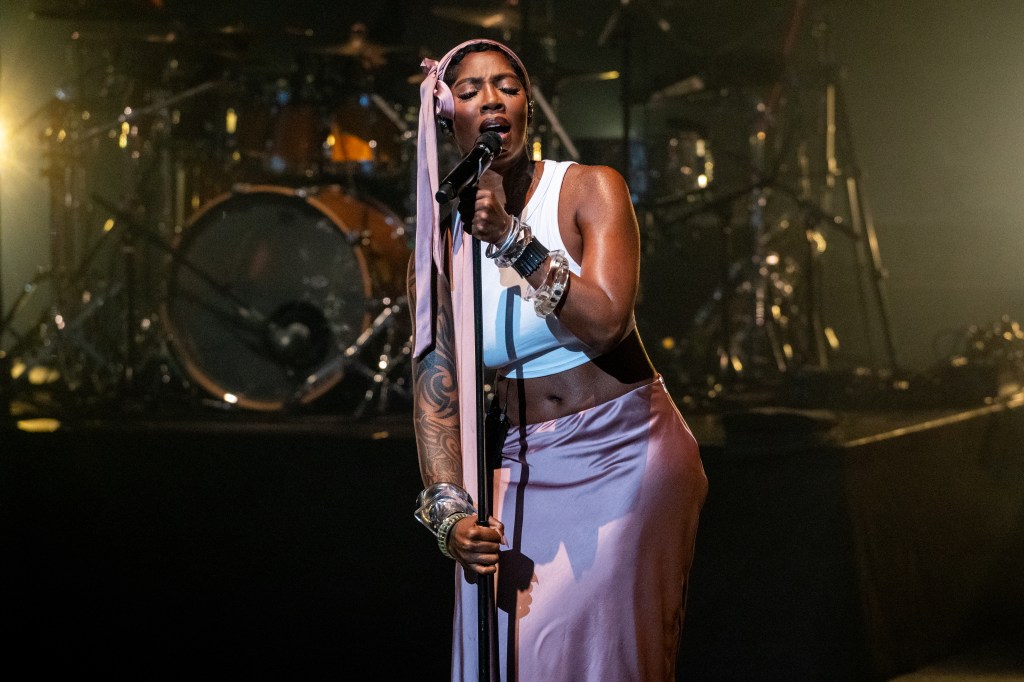
    Let’s start with how early she hit the stage — no delays, no fuss — just a cinematic, spellbinding intro that pulled us straight into her world. She opened with “Save My Life” from her Celia album, and from there, it was hit after hit, moment after moment. Sometimes we stood in awe, other times we sat back and let the vocals wash over us.

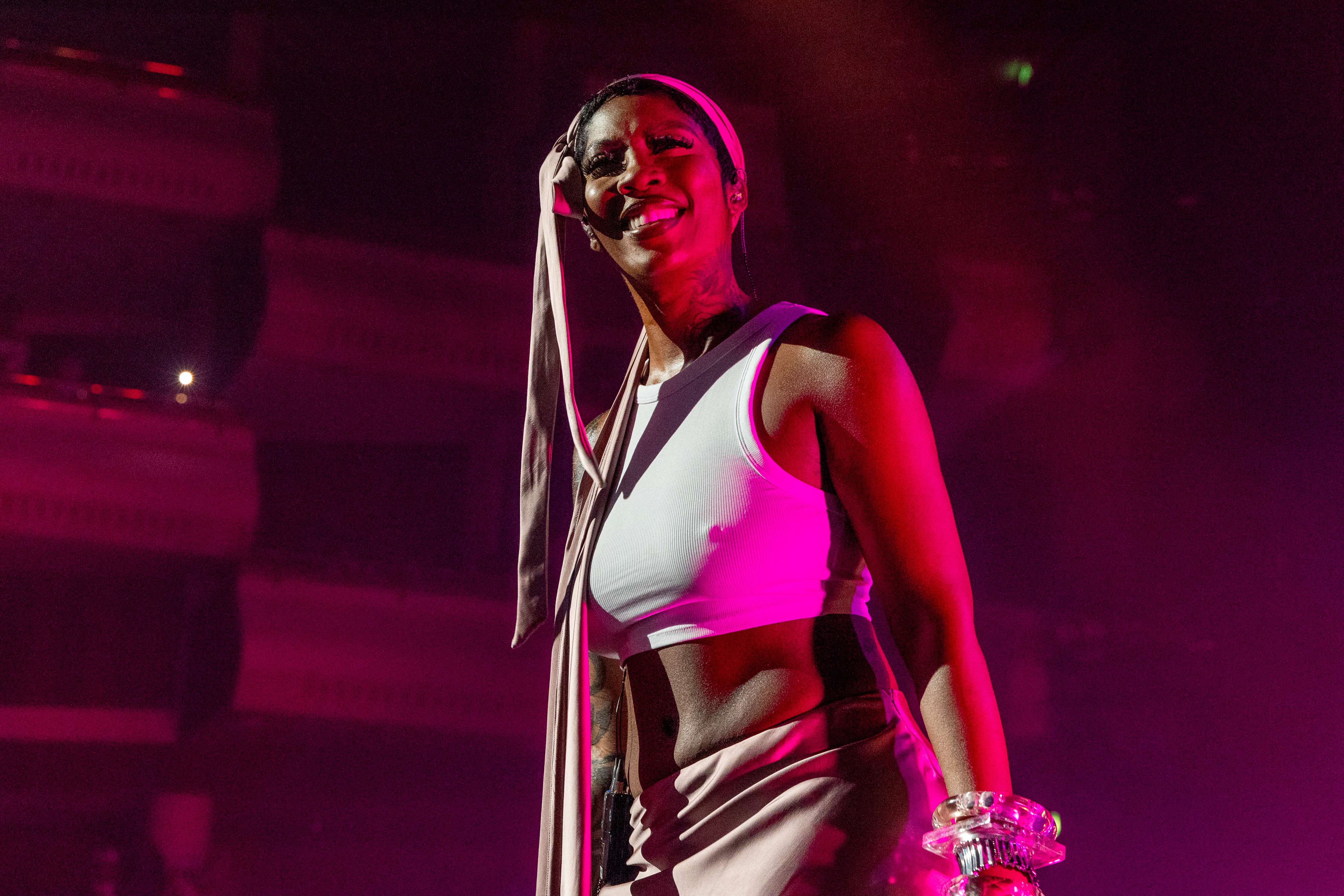
    And she’s funny too? Tiwa had us cracking up in between songs, throwing in cheeky self-praise that the crowd absolutely ate up. “Talk your sht, girl!”* someone screamed, and we all agreed. She gave love to her mum, her dad, her friends, even her English teacher in the audience — it was giving love, gratitude, and legacy.

    But wait — I’m not even done.
    After the show, I got to meet her backstage and… let’s just say I froze. Cold feet. I said absolutely nothing that made sense. But it didn’t matter. I’d just witnessed the queen of Afrobeats in her full glory.

    Can’t wait to experience her again.
    This one? I’ll remember for a long, long time.

    Images by : Cellotapes for Meltdown Festival 2025

  • Nigeria at Cannes: My “Father’s Shadow” Becomes First Nigerian Film to Premiere at the Festival

    Nigeria at Cannes: My “Father’s Shadow” Becomes First Nigerian Film to Premiere at the Festival

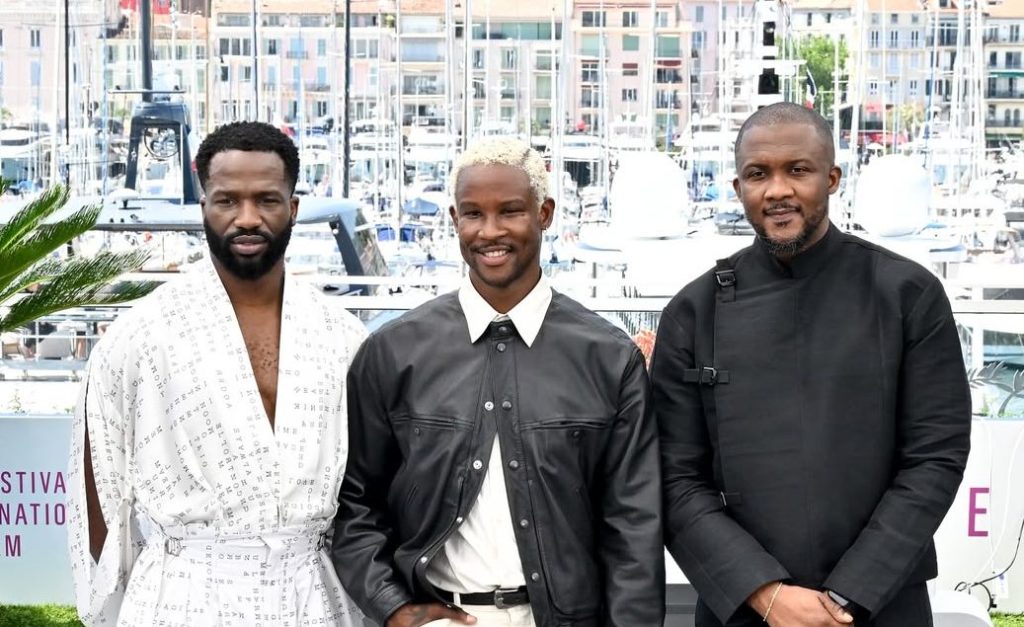
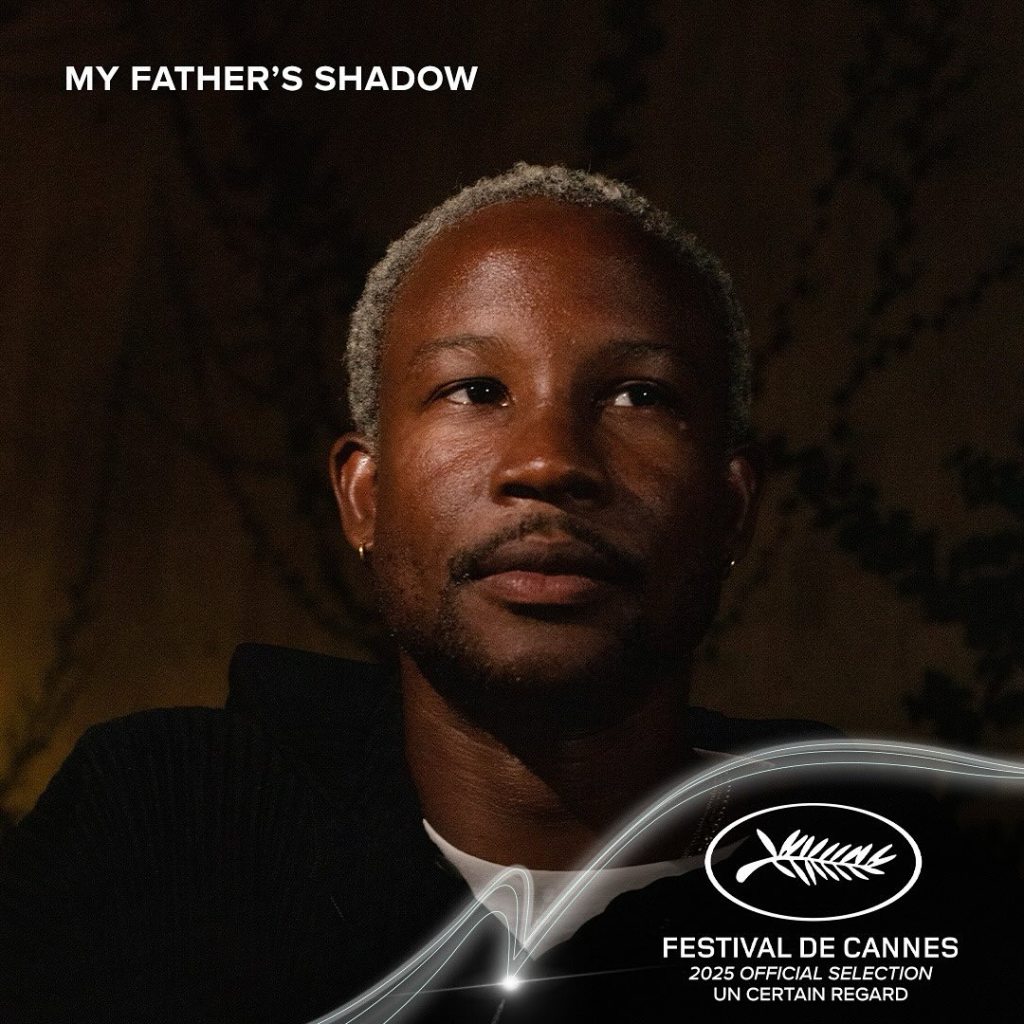
    A Nigerian film, My Father’s Shadow, by Ṣọpẹ Dìrísù, Wale Davis, and Akinola Davis Jr., has officially become a global critic favorite — making history as the first-ever Nigerian film to be screened at the Cannes Film Festival in France.

    A universally relatable story, My Father’s Shadow follows the emotional return of an absent father who suddenly re-enters his sons’ lives and takes them into his care. The film made its big debut at the festival yesterday to love, applause, and a standing ovation from the audience.

    What makes this moment even more powerful is the fact that this is Akinola Davis Jr.’s directorial debut — and launching onto the global stage like this is nothing short of a statement. It confirms the genius we’ve always known was there.

    Now, I haven’t personally seen the film yet, but I already have a few takeaways from this historic moment in the culture. First, that anything is possible. No matter who we are or where we’re from, we can build, create, and achieve what we dream of. That’s the kind of inspiration that fuels every young Nigerian creative to push further. My father’s shadow was also nominated at the just concluded BAFATs here in the UK.

  • The Culture, Unfiltrd — The Afroniche Society Is Asking the Right Questions

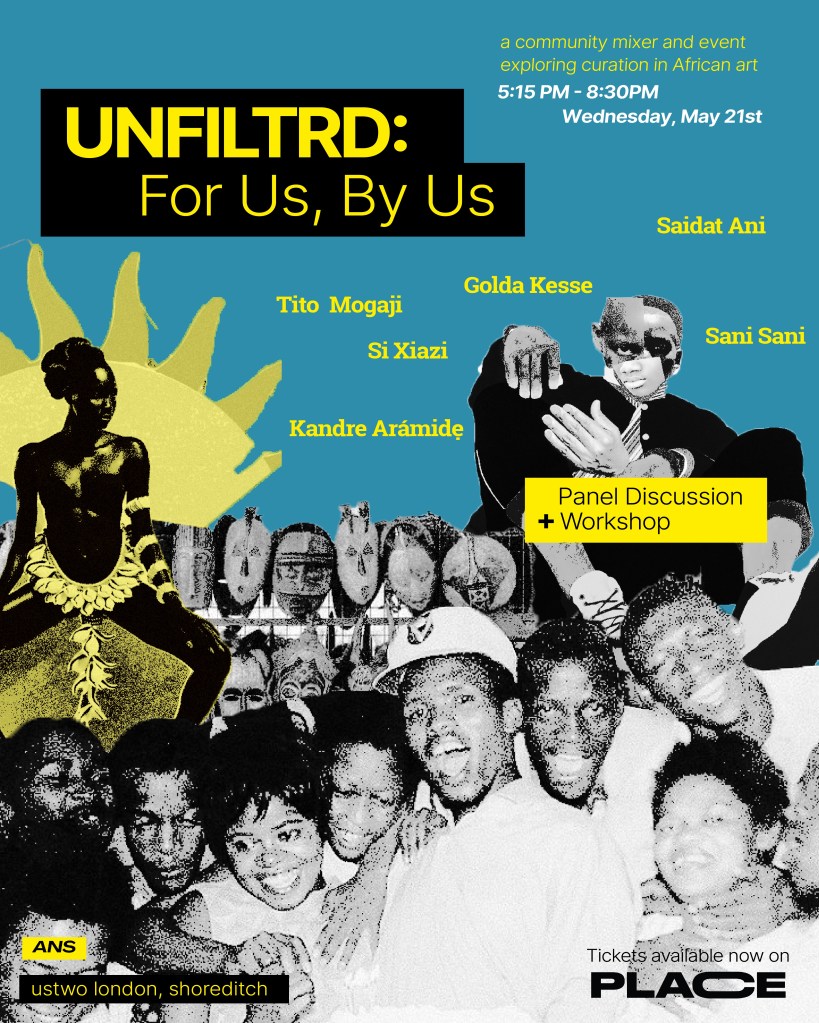
    On May 21st, 2025, The Afroniche Society [@theafronichesociety] returns with its second event of the year — hosted at the iconic @ustwo space in Shoreditch.

    This edition is themed CURATION (in African art and culture) — a necessary and urgent conversation on what it means to curate culture in today’s world, especially through the lens of African and Black creatives.

    Expect a vibrant evening featuring:

    • Panel discussions
    • Interactive debates
    • A hands-on curation workshop
    • A community mixer to build meaningful connections

    This isn’t just another event — it’s a space to challenge narratives, share ideas, and imagine new cultural futures.

    Don’t miss this moment of reflection, resistance and reconnection.

    Visit @theafronichesociety for details.

  • Victony’s Stubborn world tour takes over Koko Camden, London

    Victony’s Stubborn world tour takes over Koko Camden, London

    Ebelebe took the stage at exactly 9pm and the rest is history

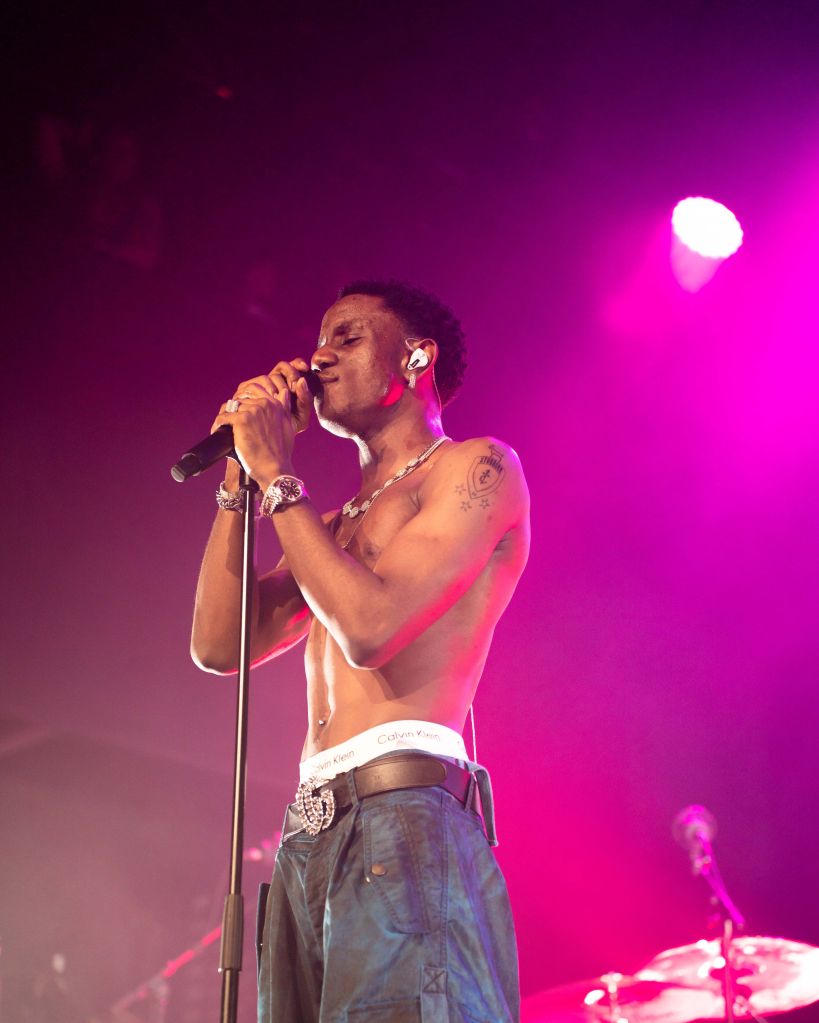
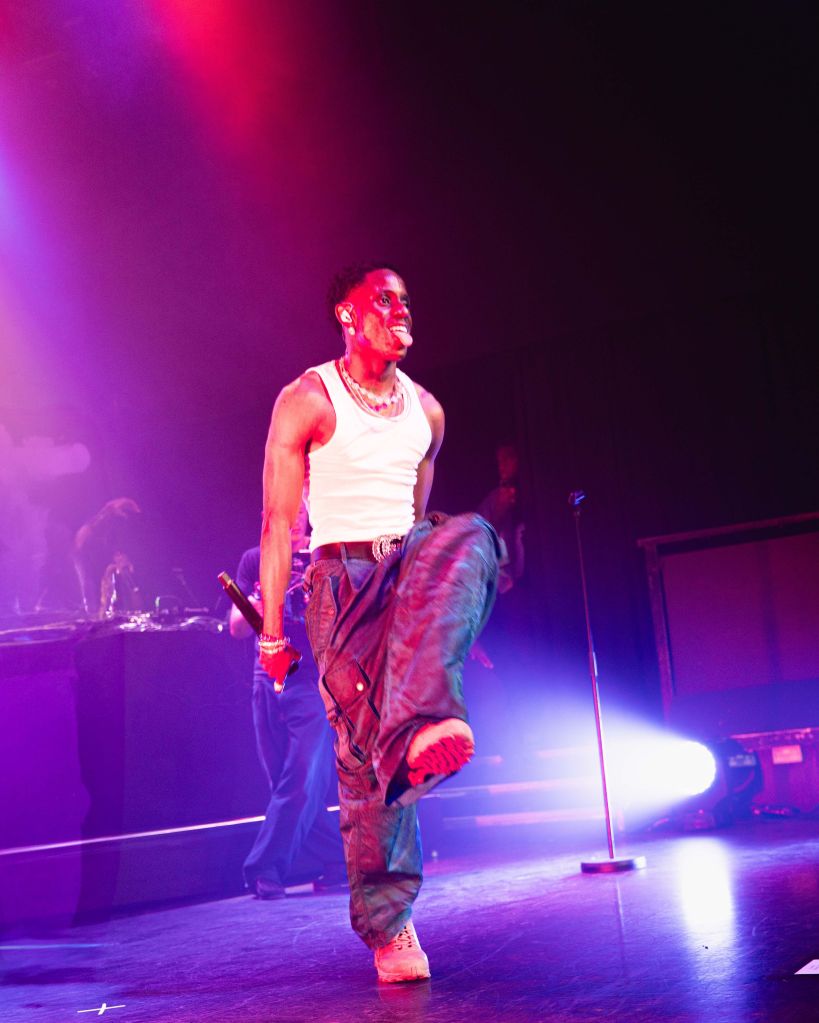
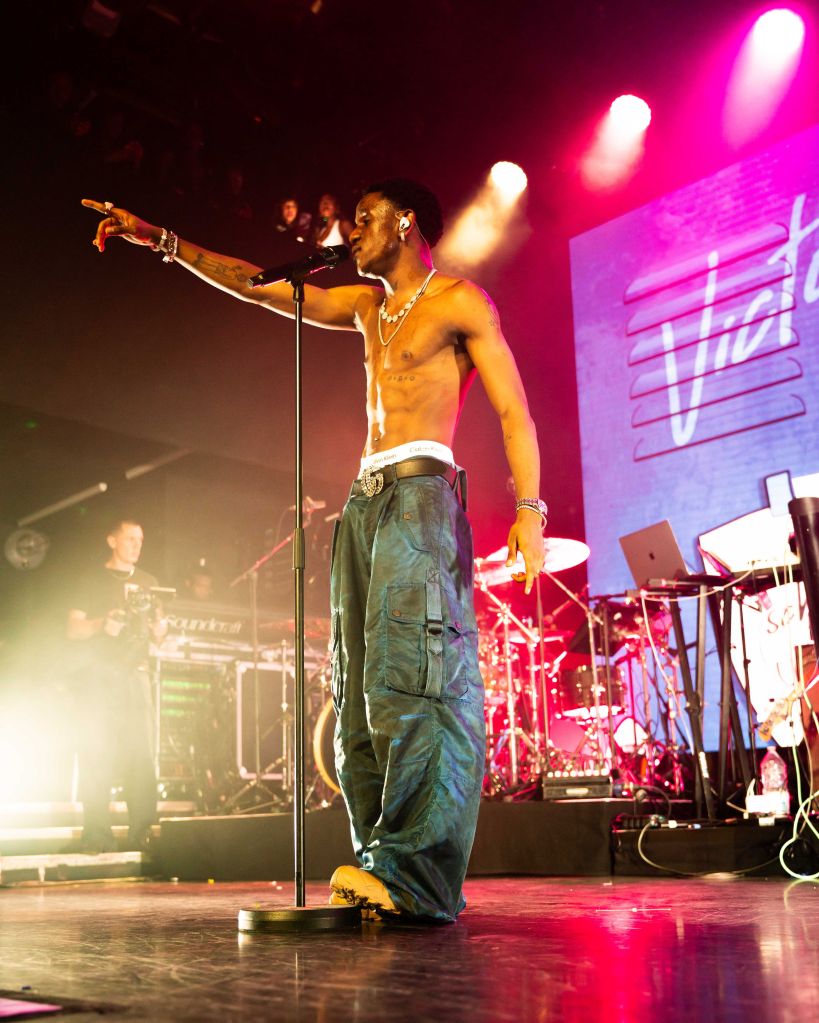
    EBELEBE took the stage at the iconic KOKO Camden on Friday night, backed by his band and DJ, ready to run through a vibrant selection from his discography — especially his debut album Stubborn. The Nigerian superstar brought energy, charisma, and everything we came for.

    For me, it was really the dancers that stole the show. Appearing at intervals, they delivered stellar performances to lyrics that practically conjure sensuality. And Vict0ny? He didn’t waste the moment — performing in sync with their every movement like it was all one seamless groove.

    When it comes to production and setlist, one standout for me was the transitions between songs. One thing I’ve noticed in the Afrobeats live scene is how rough those transitions can be. But not here. Vict0ny embodied his creative edge with transitions that felt intentional and smooth, keeping the energy flowing without a single dip.

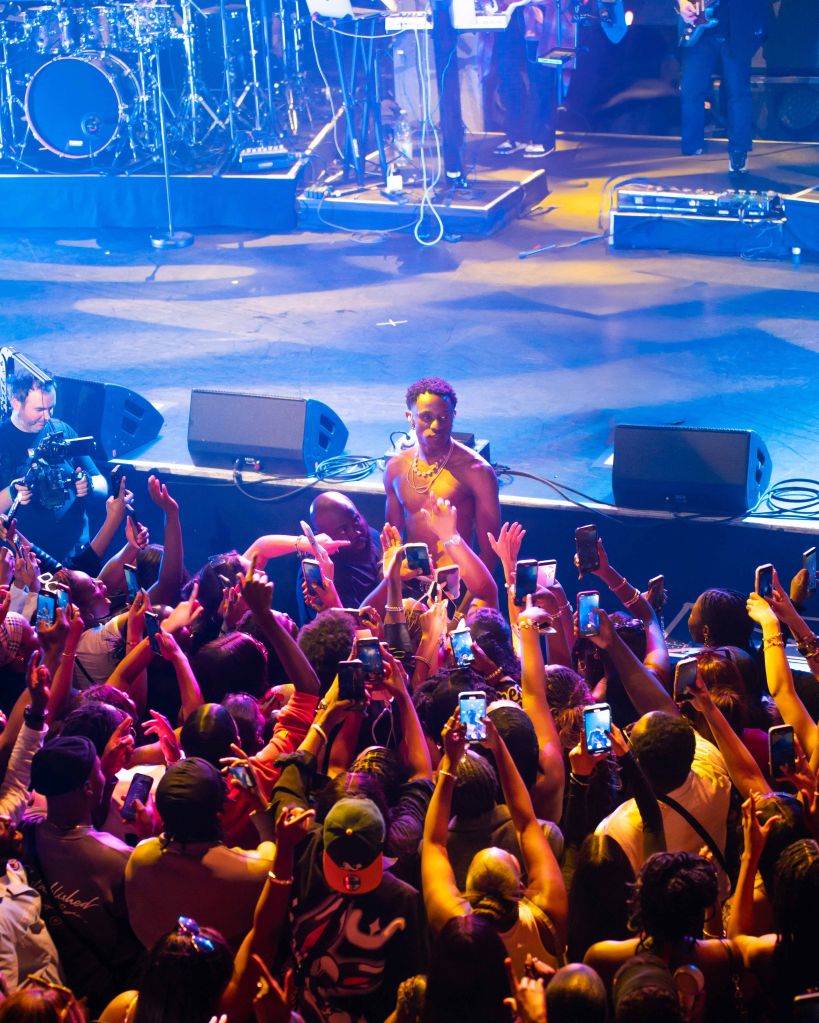
    By 10 PM, the set wrapped up (KOKO had another event lined up), but it didn’t feel rushed. From start to finish, the audience was locked in, riding every beat. Vict0ny was the perfect leader for his Outlaw nation — myself included.

    And this chant? It’s still in my head.
    TONY, WE WANNA PARTY!!

    Images by : Mubayii for LSTV WW

    Written by Lanre Shonubi for LSTVWW

  • Master of His Craft: Tim Lyre Drops a Classic with “Skii”

    Master of His Craft: Tim Lyre Drops a Classic with “Skii”

    Tim Lyre is genre bending and we are here for it

    Fresh off announcing his sophomore album Spiral, the ever-consistent music genius Tim Lyre is back with a follow-up single titled “Skii.”

    At first listen, it feels like a solid hip-hop drop — then Tim flips the script. He delivers a soulful, emotive performance layered over a bouncy Afro-reggae/dancehall beat, reminding us just how versatile his sound really is.

    “Skii” sets the tone for what we can expect from the Outer South forerunner this season — genre-fluid, emotionally resonant, and sonically rich.

    Skii is out now on all streaming platforms.

    Now all that’s left to do is wait for Spiral.

  • From Lagos to the MET: Orange Culture’s Vision Lands on Brian Tyree Henry

    From Lagos to the MET: Orange Culture’s Vision Lands on Brian Tyree Henry

    In conversation with The Orange Nerd ( Adebayo Oke Lawal) of Orange Culture

    This year, the MET Gala had Africa shining through its lens — from homegrown designers and stylists to A-list African artists ( Tems, Ayra Starr, Tyla and Burna Boy) on the red carpet, showing the world what true dandyism looks like through innovative designs, bold silhouettes, and undeniable elegance. Africa was boldly represented.

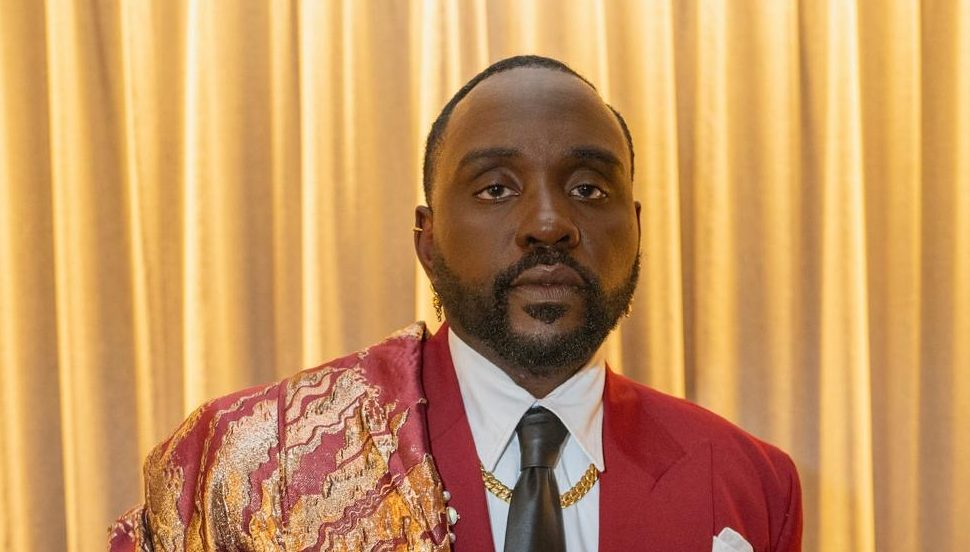
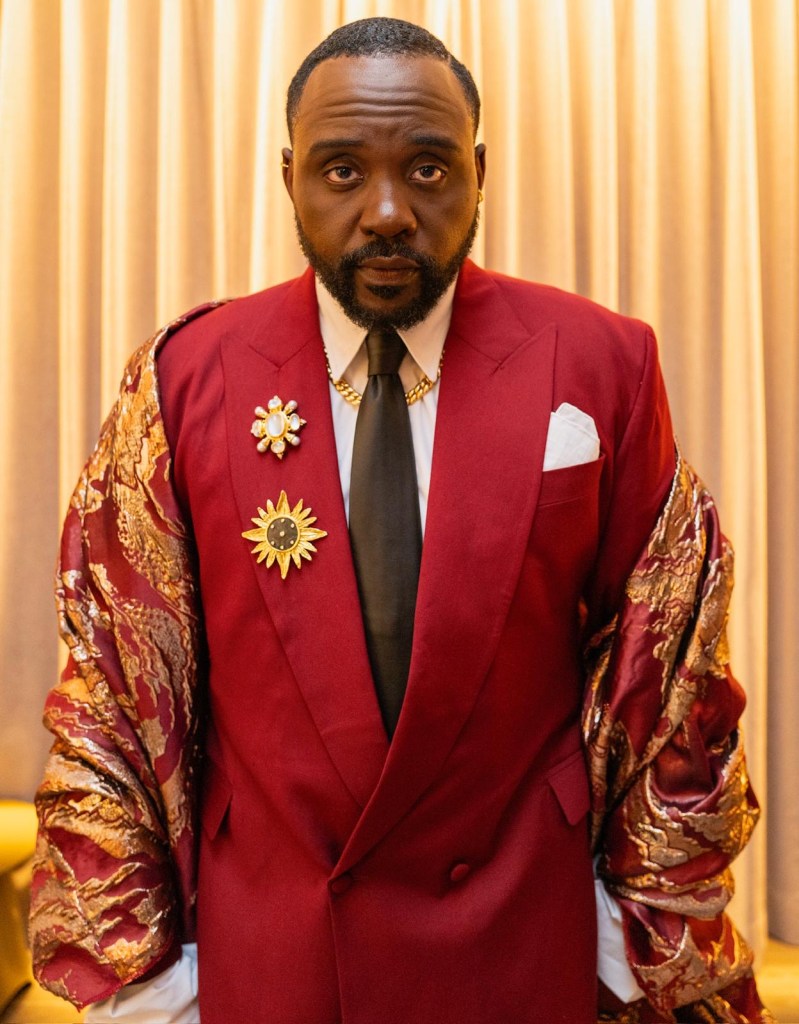
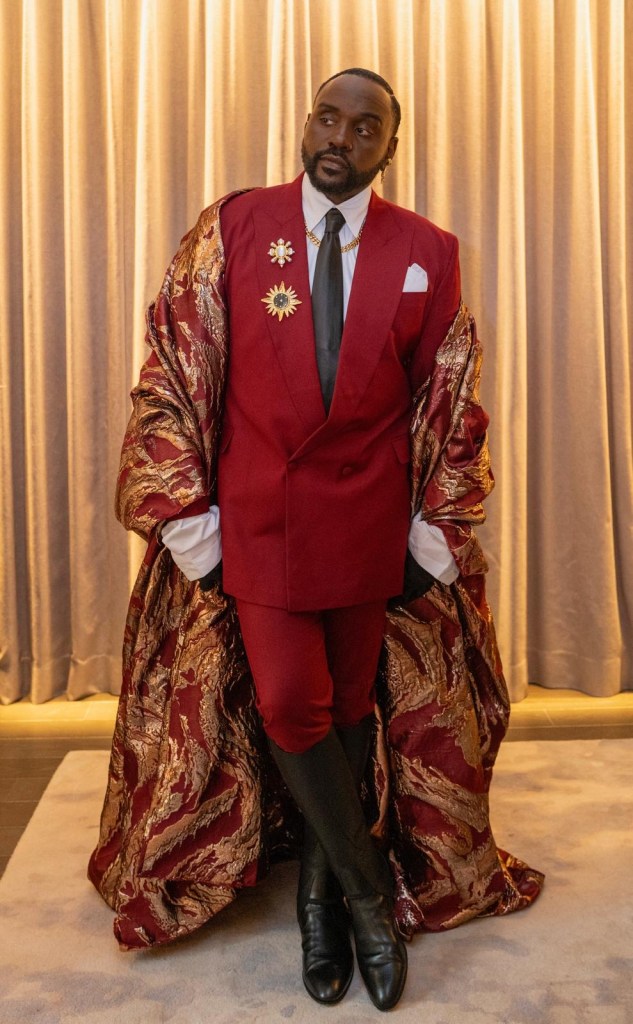
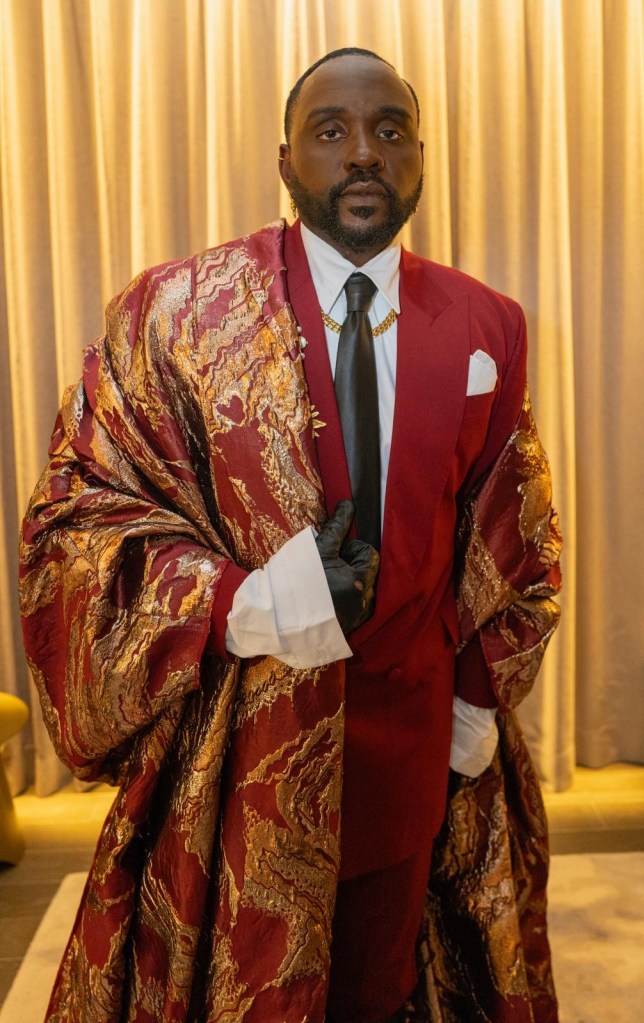
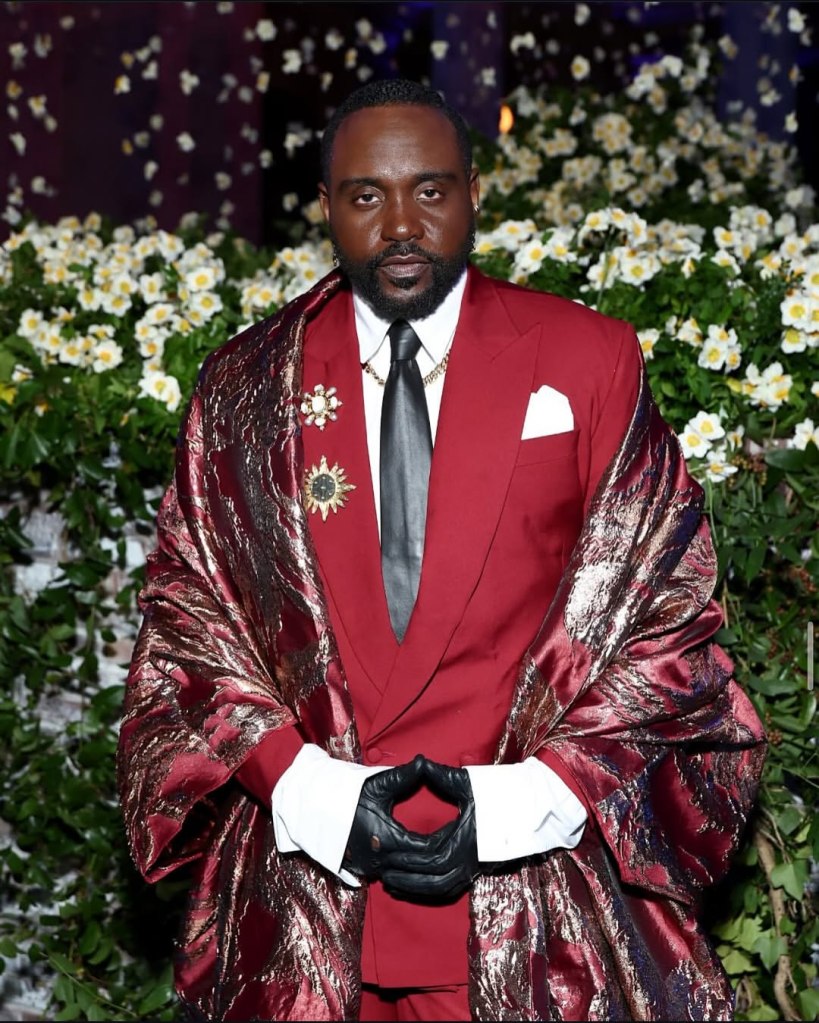
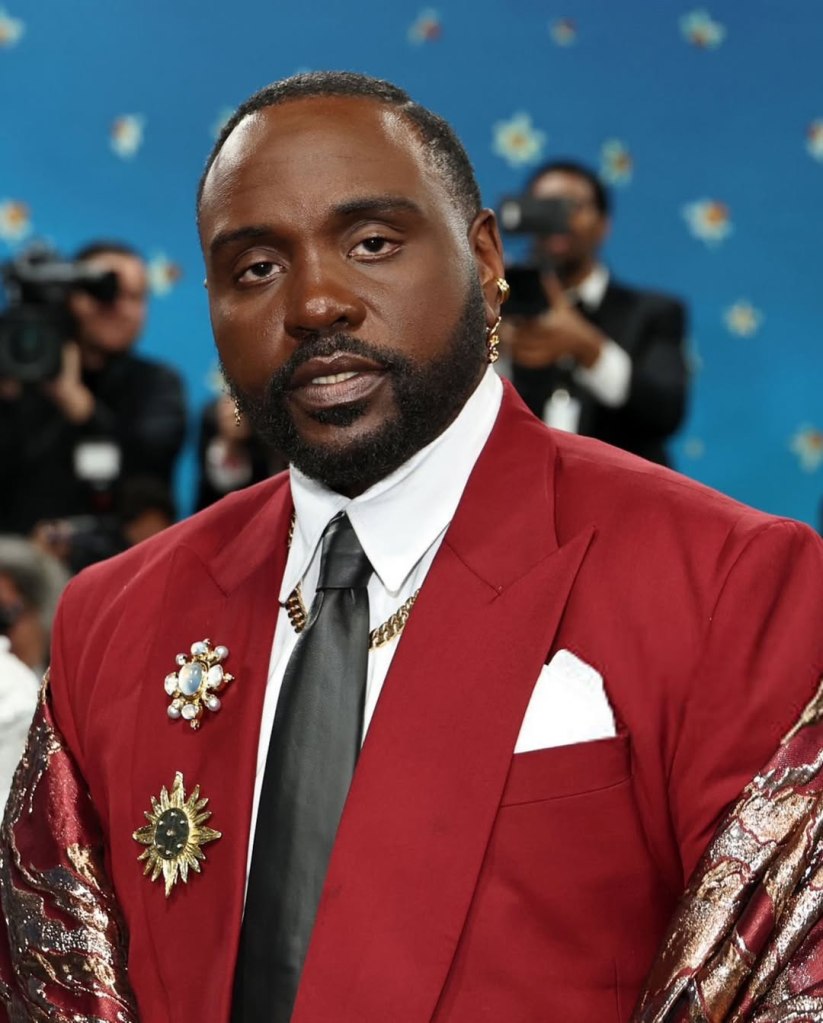
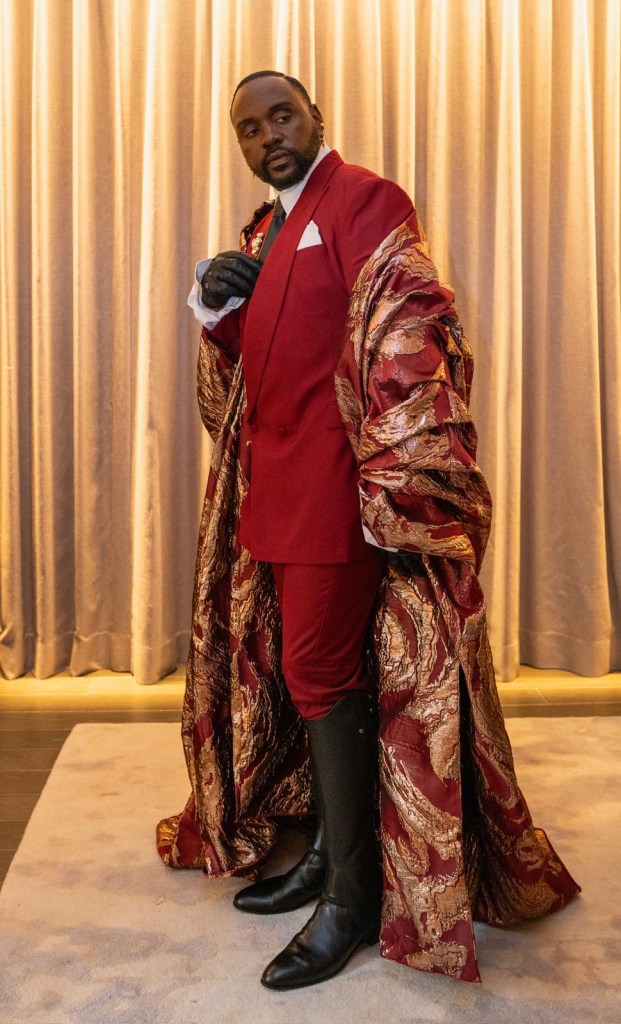
    One major highlight of the night? Nigerian-based couture fashion house Orange Culture, led by Adebayo Oke-Lawal (aka The Orange Nerd), styling Oscar nominated Hollywood star Brian Tyree Henry in a regal homage that celebrated both the brand’s African roots and André Leon Talley’s fearless love of Blackness and fashion. The result? A fan favourite and, not gonna lie, one of my favourite looks of the night.

    In this conversation, The Orange Nerd gives us a deep dive into the creative process behind the piece, connecting it to Orange Culture’s brand ethos and this year’s MET Gala theme: Superfine: Tailoring Black Style.

    LSTV – How did this all come about? Orange Culture boldly represented at the 2025 Met Gala.

    It was a surreal and deeply meaningful moment for Orange Culture. The opportunity to dress Brian Tyree Henry came through his team who reached out via the amazing team at Vogue. They had been following our work and felt that our aesthetic aligned with this year’s Met Gala theme. We were incredibly intentional about the creative direction, and as we developed the look, André Leon Talley became a central reference in our moodboard. His legacy, his regal presence, and his fearless celebration of Black identity and fashion were guiding lights throughout the process. We wanted the piece to reflect that same grandeur while incorporating Nigerian elements such as our signature Agbada draped robe, textile that reminded you of Lagos in this case the brocade , and a sense of poetic but clean tailoring. It was a true meeting point of shared values—style as expression, identity as power.

    “André Leon Talley became a central reference in our moodboard. His legacy, his regal presence, and his fearless celebration of Black identity and fashion were guiding lights throughout the process

    LSTV: I mean, Lagos is no stranger to these idea. As a Lagos boy myself , going to any ceremony without your àṣọ ẹbí? Taboo. From street-side tailors crafting sharp fits with authentic raw African fabrics like ankára, lèsè, or even àṣọ òkè — Africa has always been at the center of dandyism. That’s exactly why the team at Vogue, alongside Barry’s crew, tapped the couture house to bring this vision

    LSTV: How did it connect to the theme of the Gala and let Africa shine through?

    The theme, “Superfine: Tailoring Black Style,” celebrates Black dandyism and self-expression. Our design for Brian Tyree Henry was a homage to this, intertwining traditional African references with contemporary tailoring. It was a celebration of African elegance, resilience, and the enduring spirit of Black identity, aligning seamlessly with the Gala’s exploration of Black sartorial excellence

    LSTV: What does this mean for Orange Culture, being at the 2025 Met Gala?

    For Orange Culture , this moment signifies a milestone . Being part of the Met Gala, especially with a theme that celebrates Black style and dandyism, reinforces our commitment to telling authentic African stories through fashion. It’s a testament to our journey from Lagos to the global stage, showcasing that African brands can lead in redefining narratives and aesthetics in the fashion world.

    ⁠LSTV: What does this mean for African fashion?

    Our presence at the Met Gala as well as the presence of my amazing colleagues underscores the global recognition of African fashion’s depth and diversity. It highlights how African designers are not just participants but are shaping global fashion dialogues. This event amplifies the voices of African creatives, emphasizing that our heritage and innovation are integral to the global fashion narrative. I think there is space for more of us and I truly hope this opens that door!

    .

    LSTV: What would you say to young designers and fashion entrepreneurs looking at opportunities like this in doubt

    Believe in the power of your narrative. Authenticity is your strength. The journey may be challenging, but moments like this affirm that staying true to your vision can lead to open doors. Embrace your heritage, innovate fearlessly, and remember that your unique perspective is invaluable in enriching the global fashion landscape.

    Images by Jessica KourKounis

    @kourkounis

    By Lanre for LSTVWW

  • Chelsea FC’s New Collab with Nigerian Designer Ebele Ojechi!

    Chelsea FC’s New Collab with Nigerian Designer Ebele Ojechi!

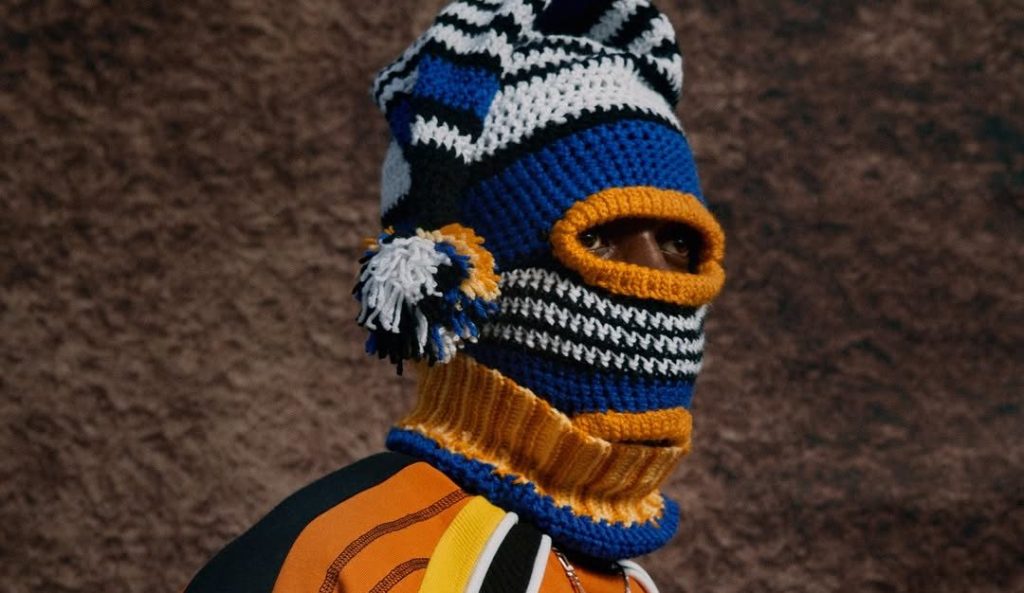
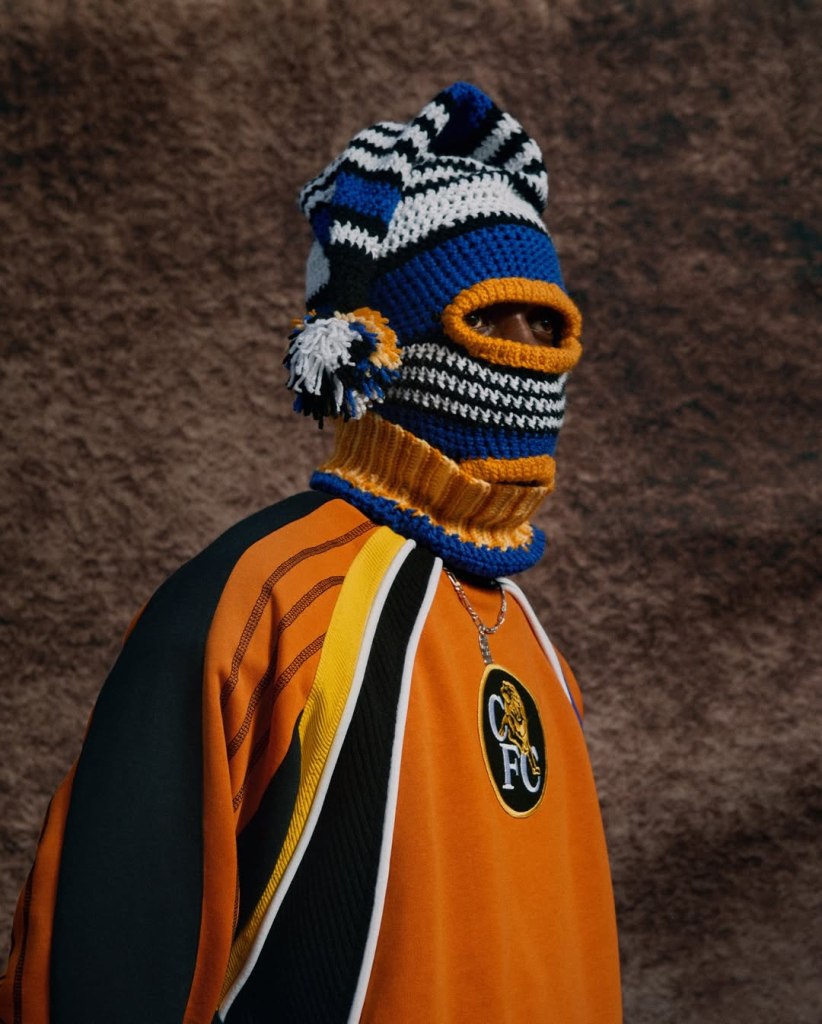
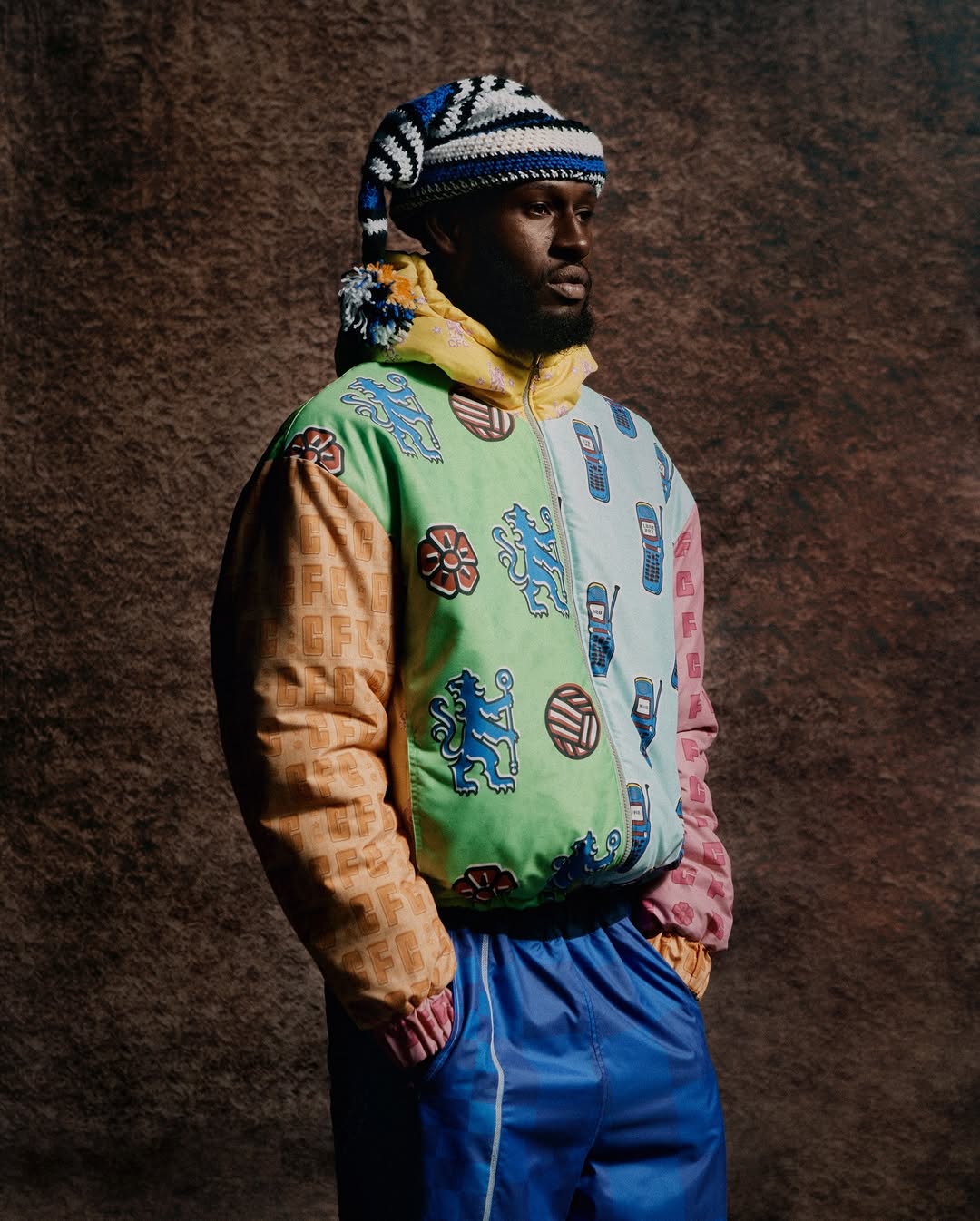
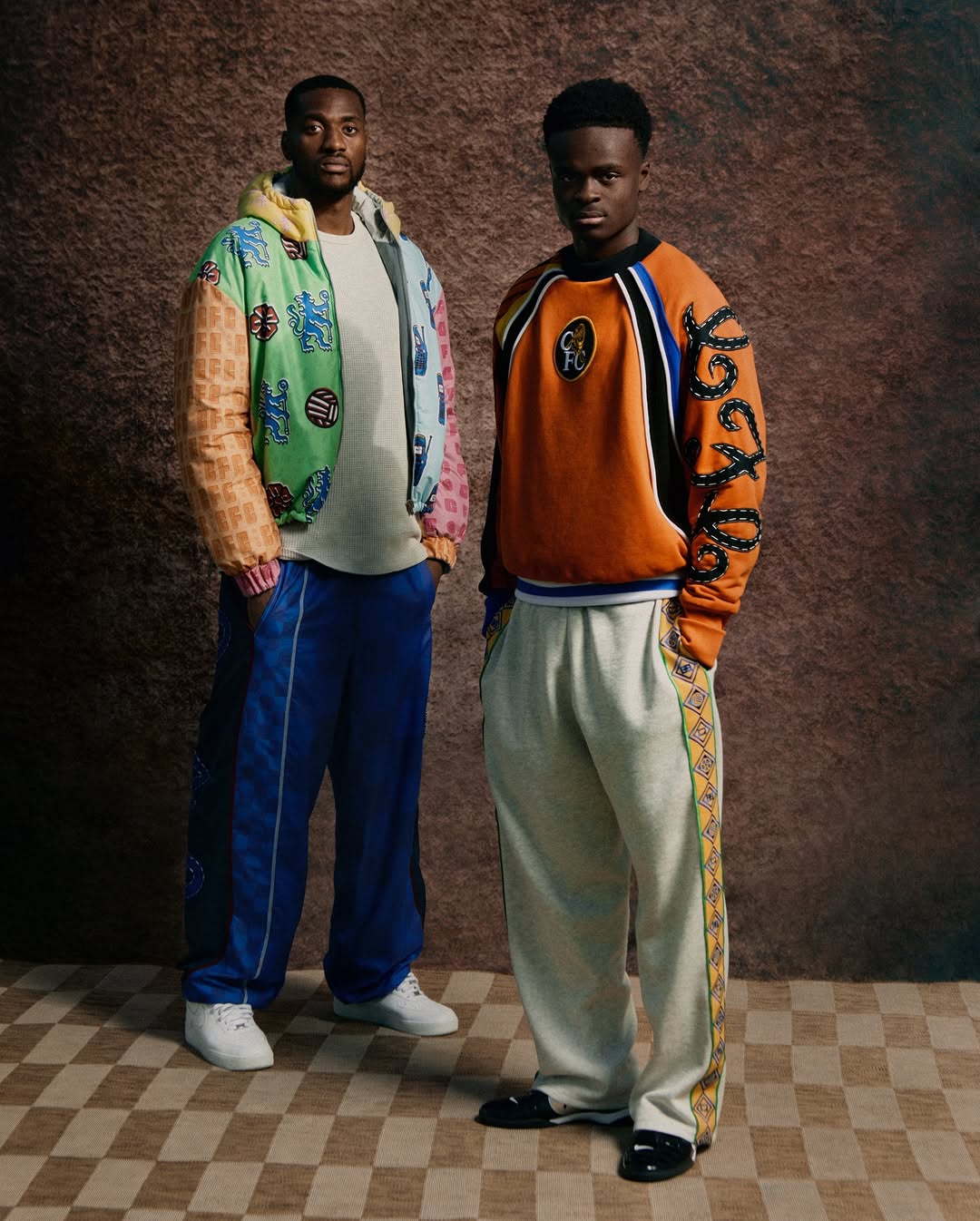
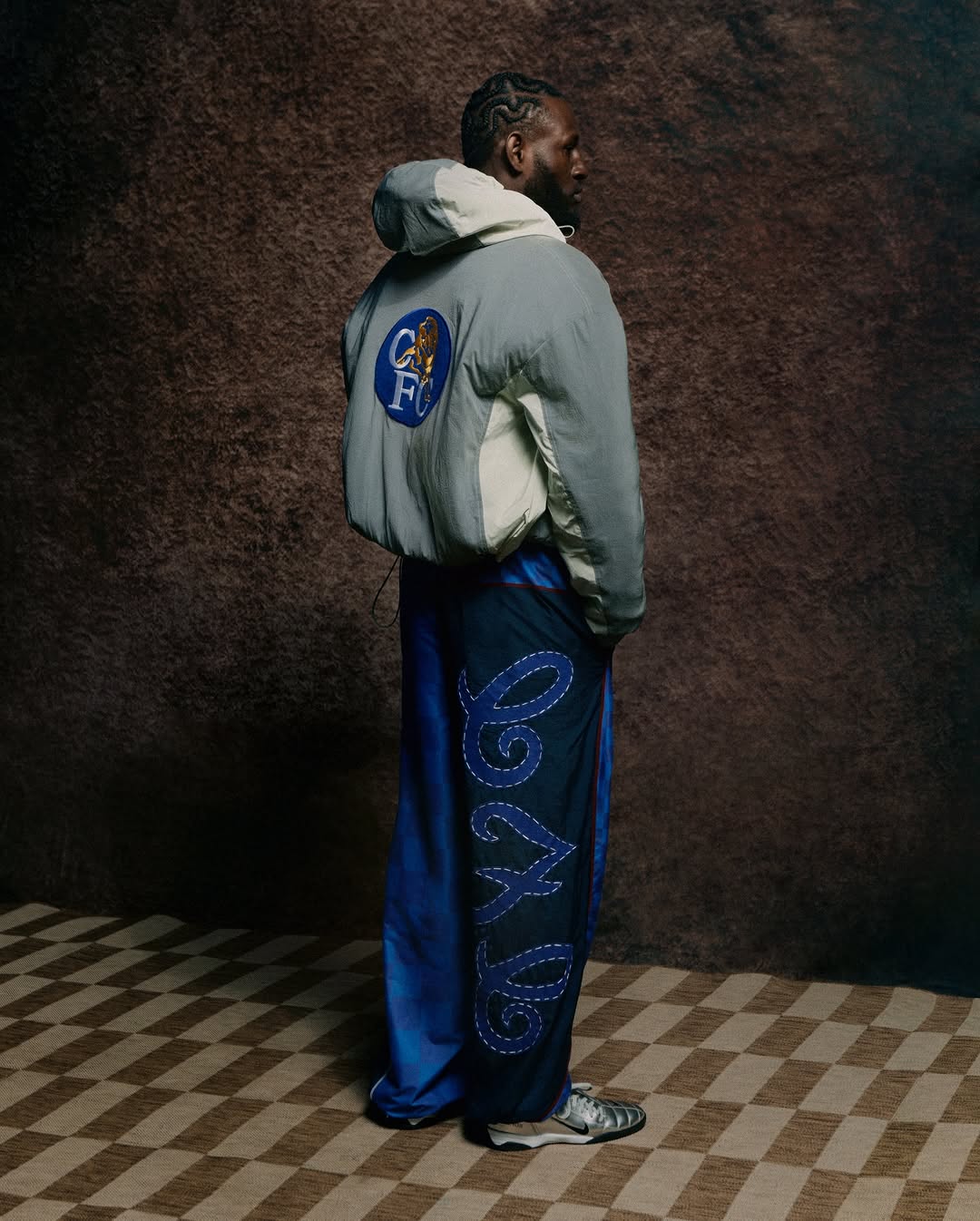
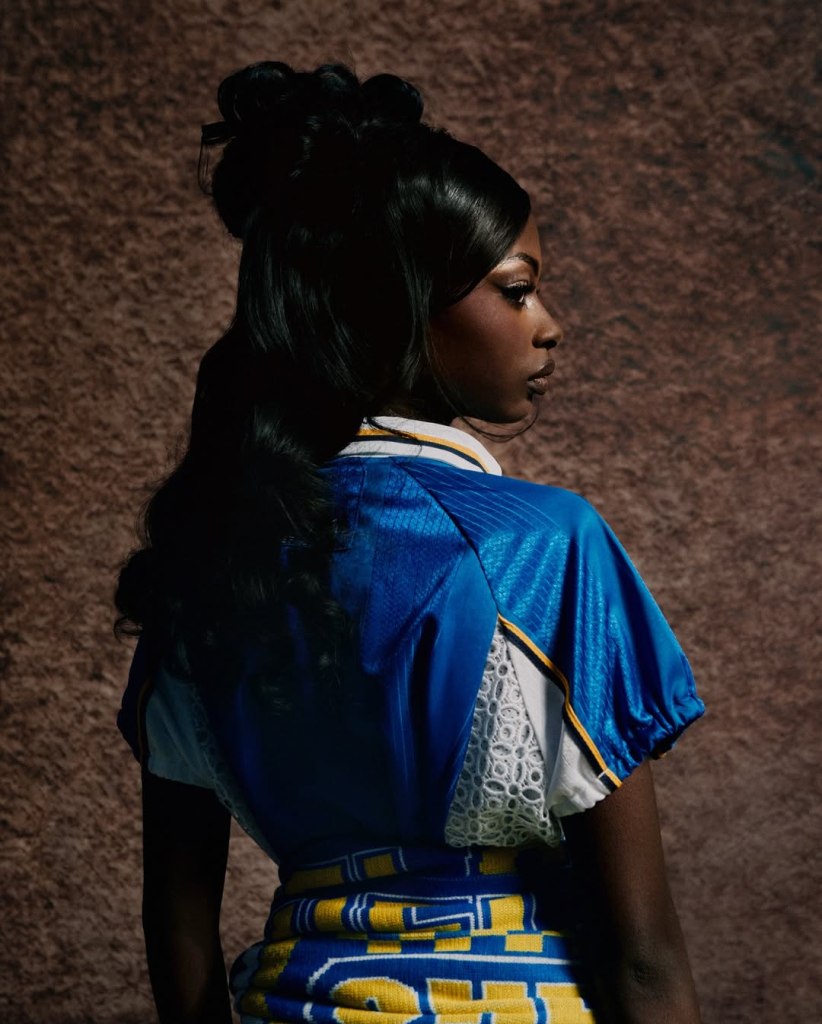
    Chelsea FC merges football heritage with cultural storytelling in For the Glory!

    Designed by British-Nigerian creative Ebele Ojechi @3b3le_Oj3ch1, this capsule collection reinterprets Chelsea’s iconic 90s kits through the lens of traditional Igbo fashion, delivering a bold and contemporary take on sportswear.

    Backed by the Blue Creator Fund and unveiled at @saatchi_gallery, the collection highlights Chelsea’s deep-rooted ties with Nigeria—the club’s largest fanbase outside of England.

    With upcycled kits, striking silhouettes, and a fusion of past and present, For the Glory is more than a fashion drop—it’s a celebration of identity, history, and the global influence of football.

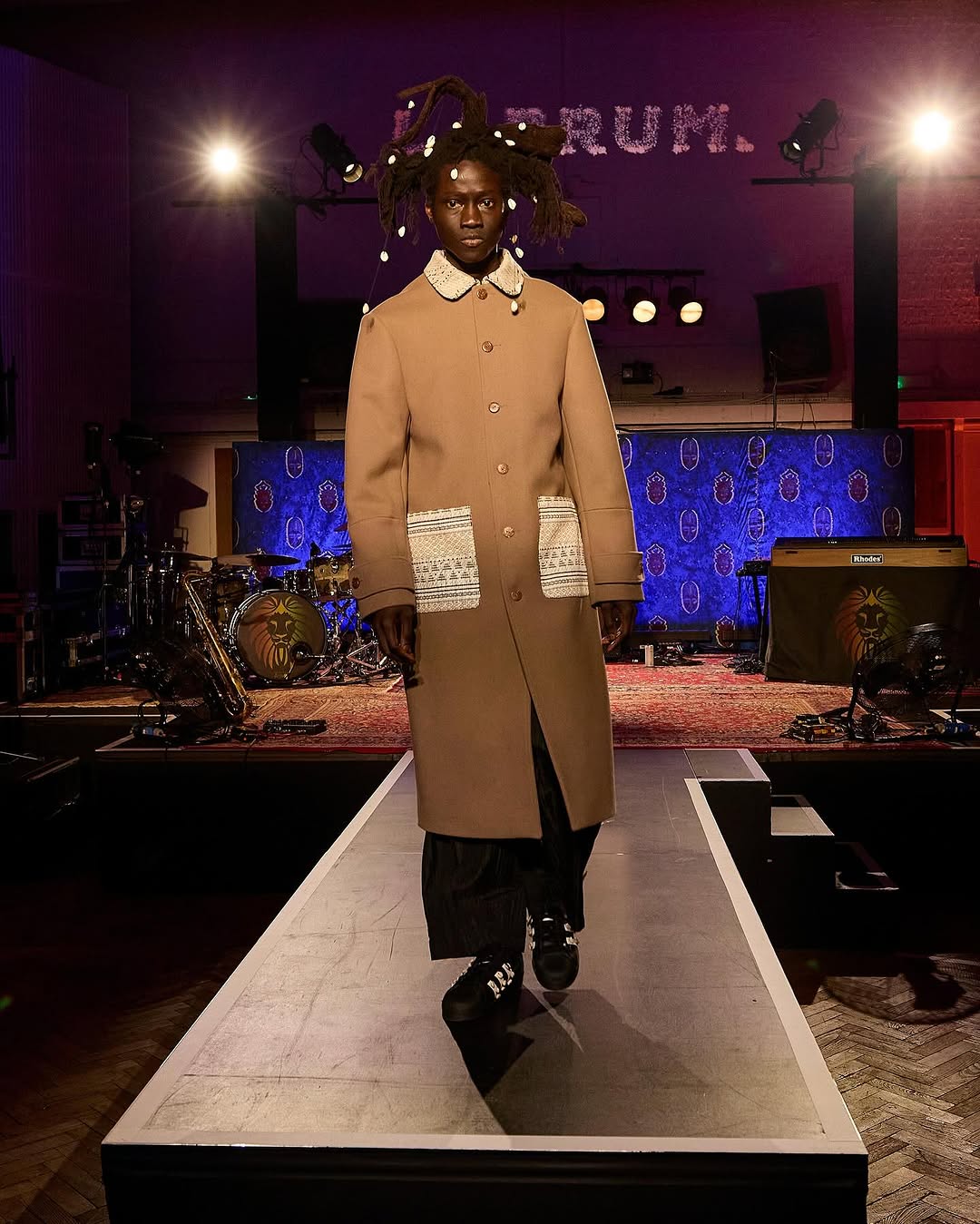
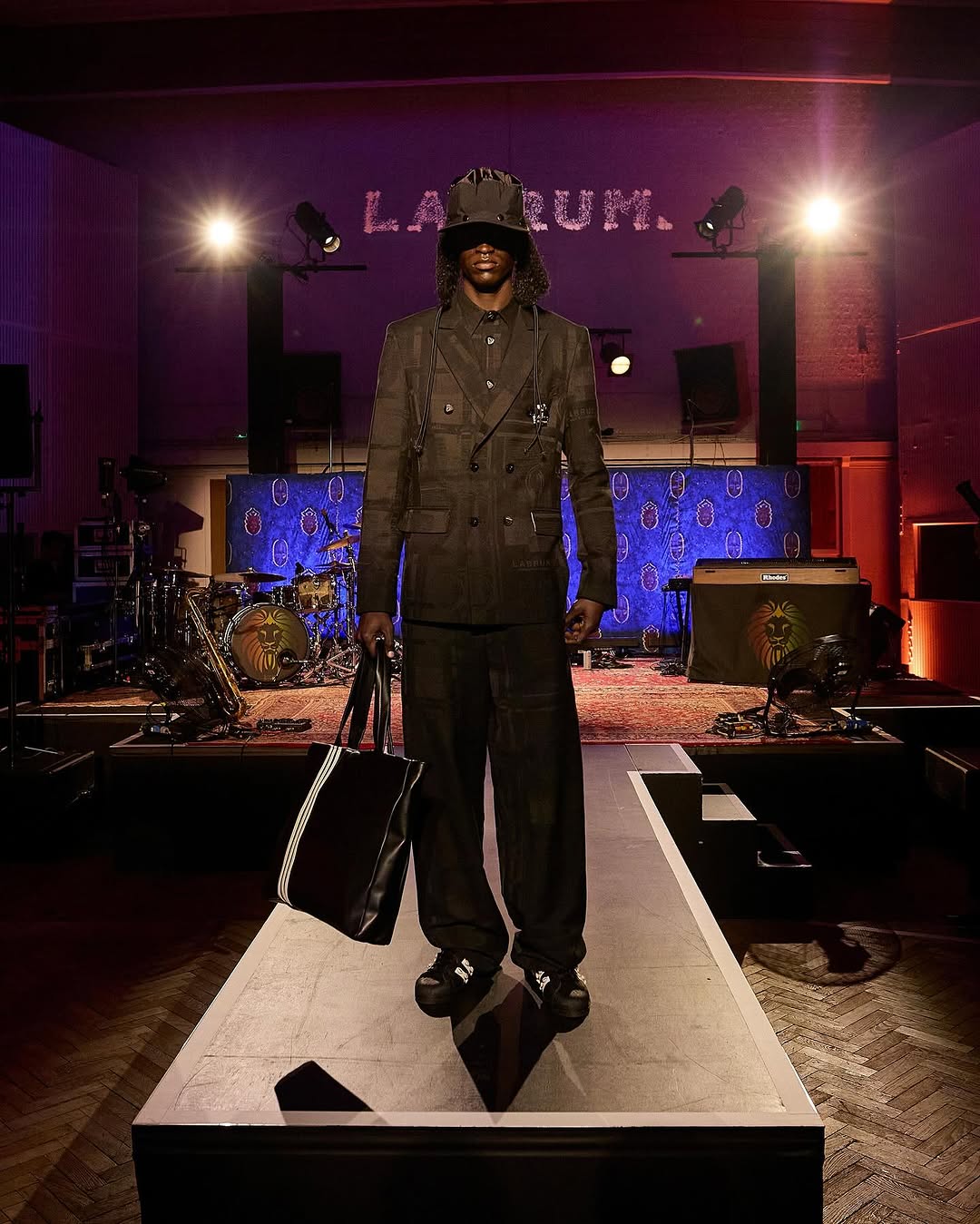
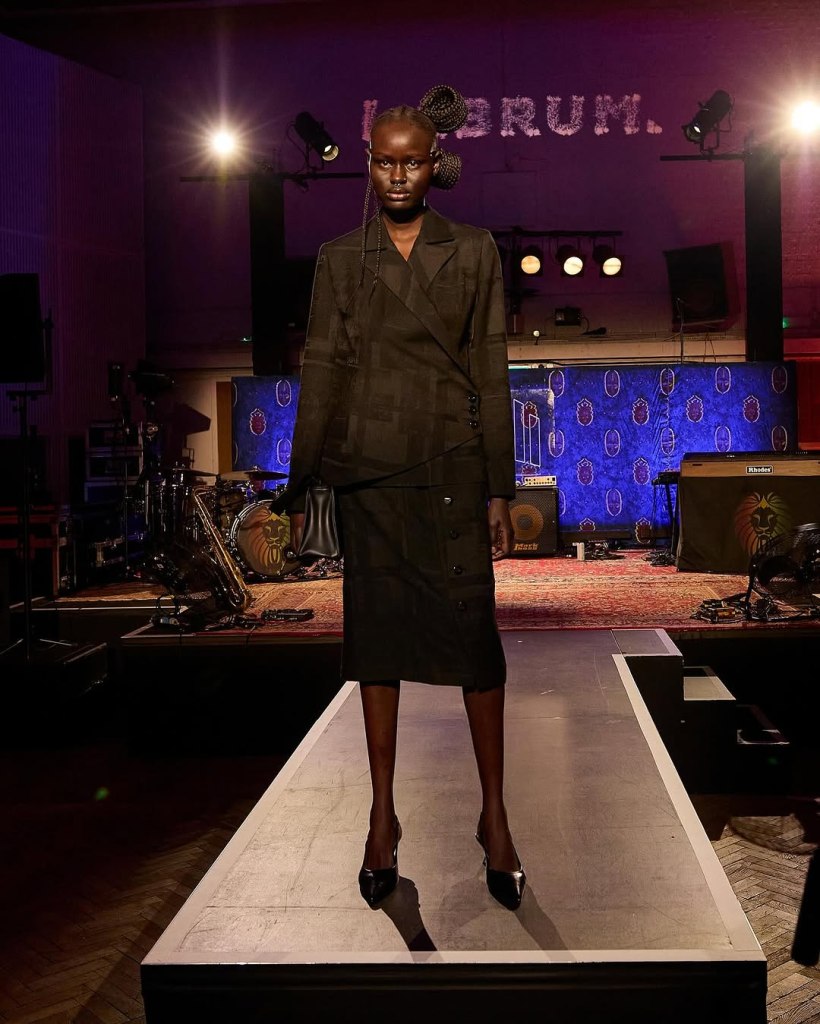
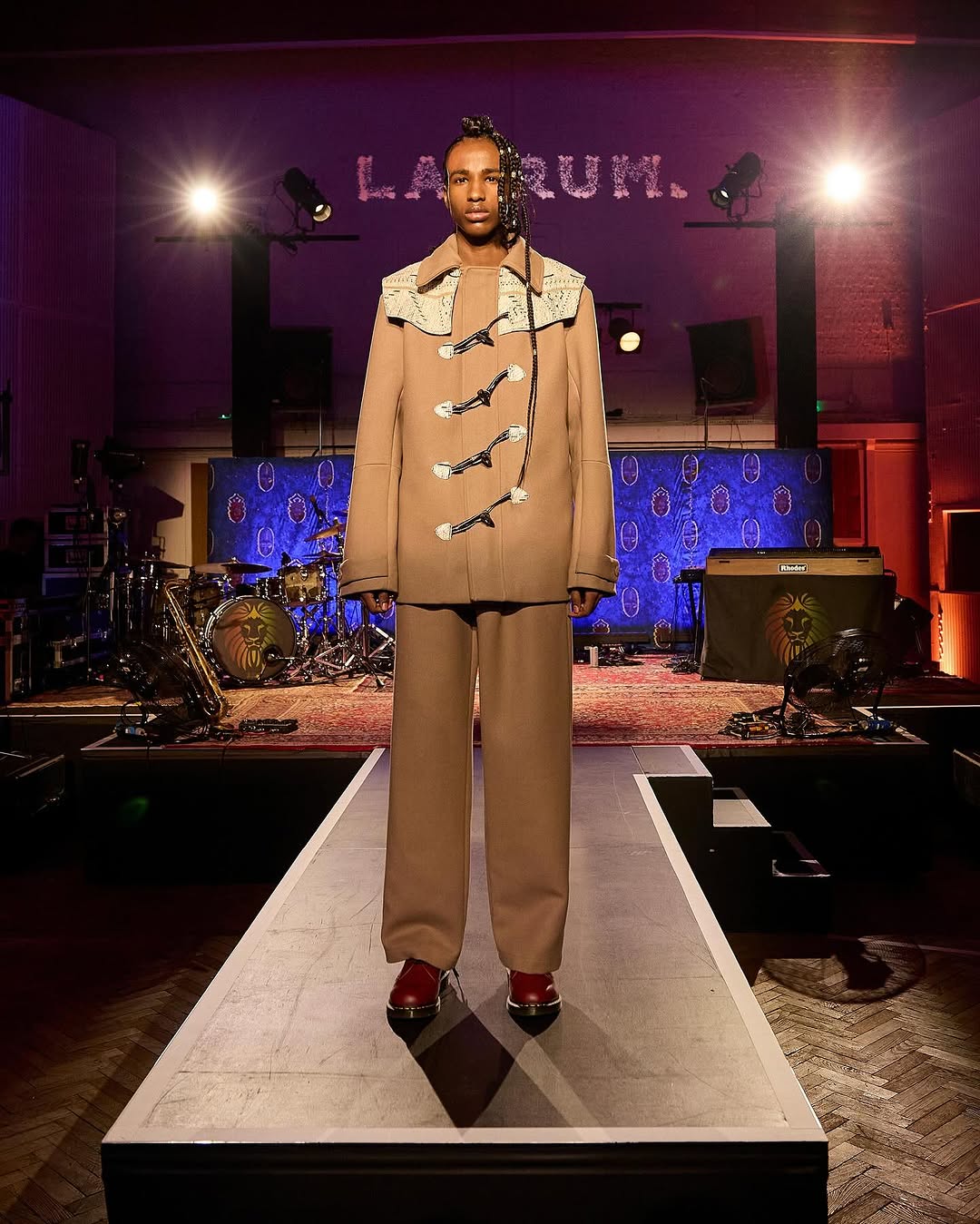
  • LFW 25: ‘Designed by an Immigrant’ – Labrum London Presents ‘Sound of Us

    LFW 25: ‘Designed by an Immigrant’ – Labrum London Presents ‘Sound of Us

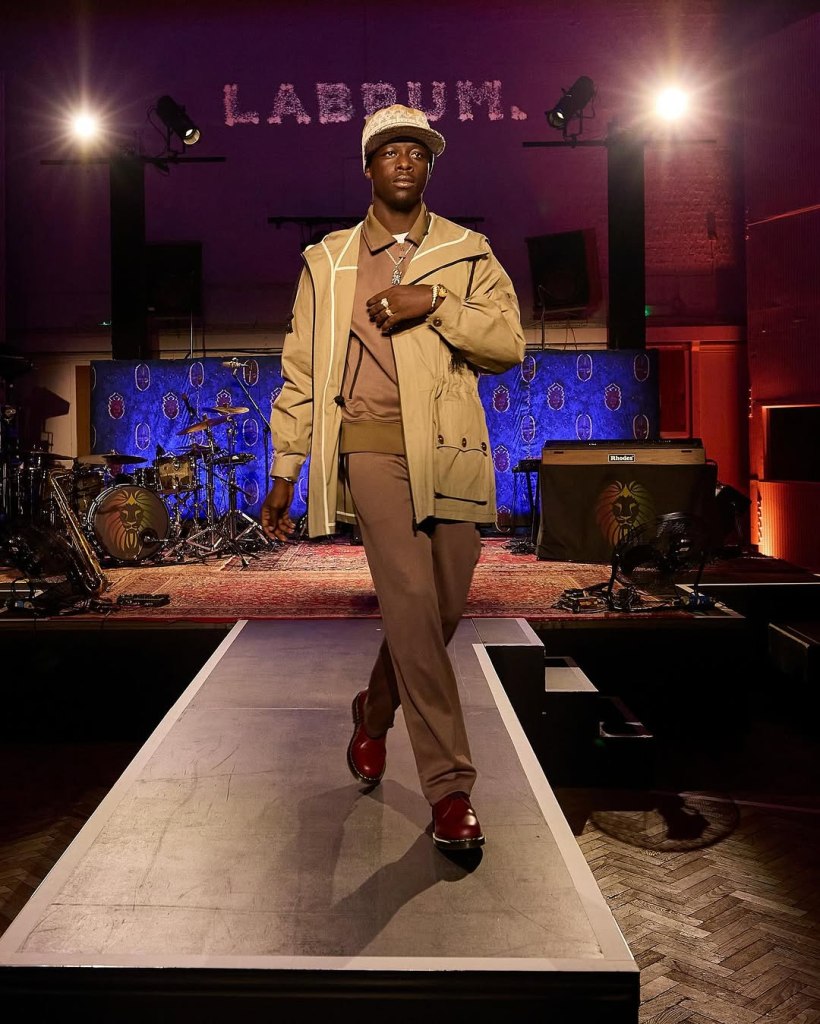
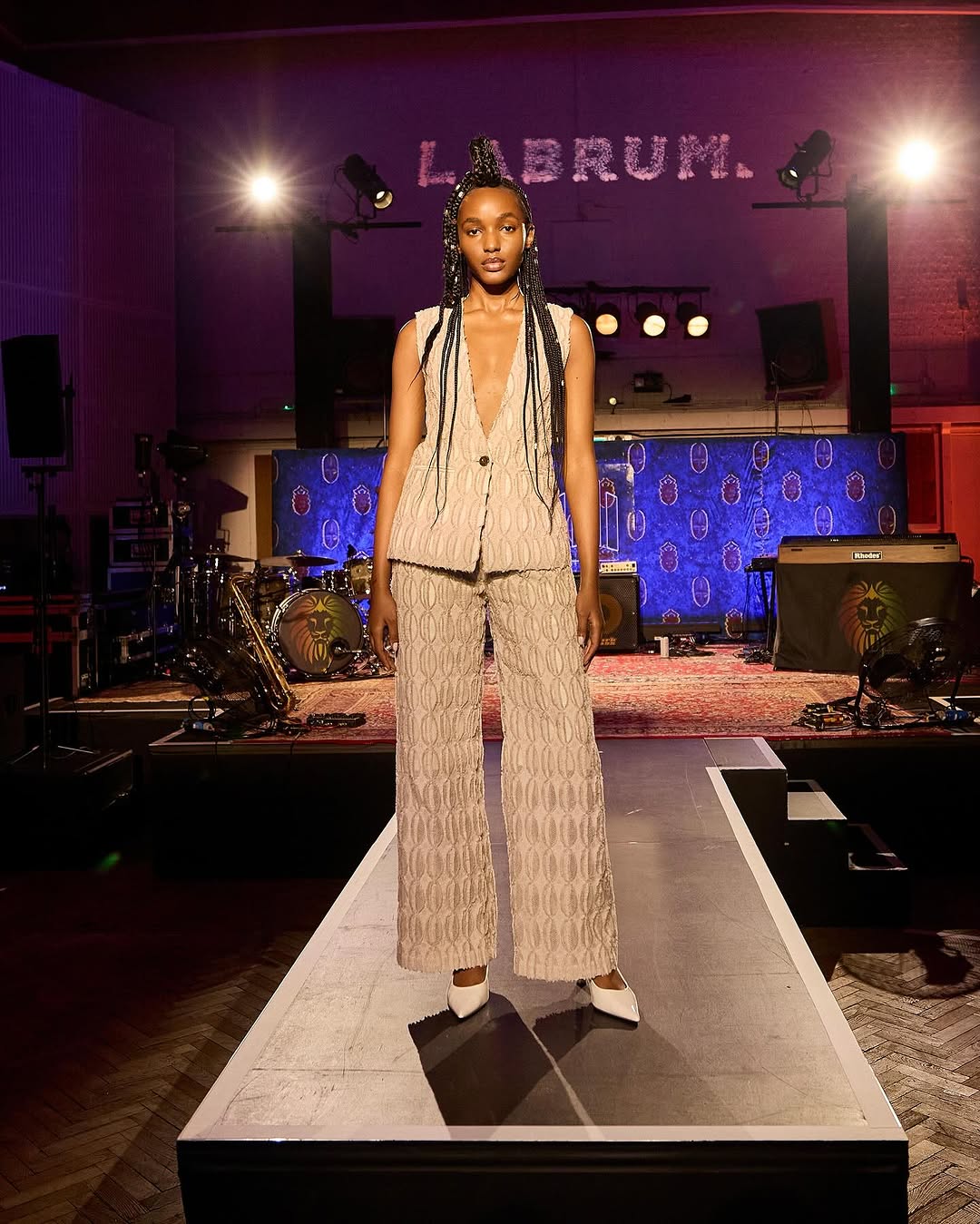
    Pa Saliue in Labrum London FW 25

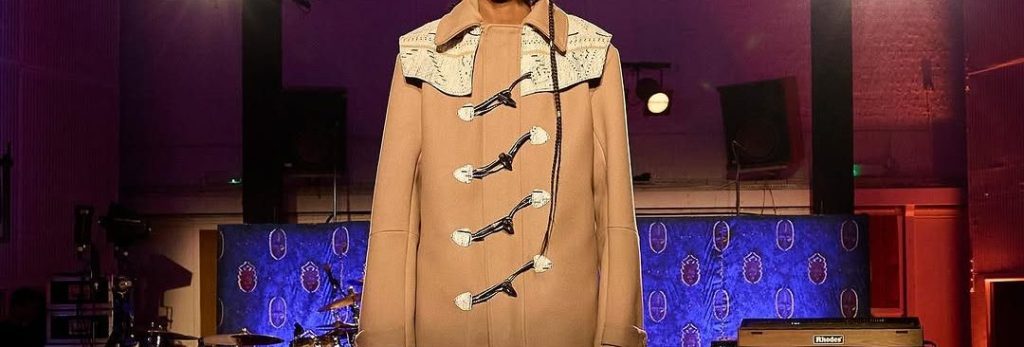
    Labrum London [ @labrumlondon ] took over the iconic Abbey Road Studios for its AW25 show at London Fashion Week.

    According to Foday Dumbuya [ @iamfods ] (Creative Director, Labrum London), “the show is a reminder of the kind of sounds we listened to in the early 2000s, from garage to grime,” as he shared in an interview with BBC Radio 1Xtra.

    The runway was a full celebration of UK music and culture, featuring some of the most iconic UK rappers bringing the energy—Ghetts, Kano, Wretch 32, and Pa Salieu, who walked the runway, embodying the cross-generational vision Labrum continues to build.

    Here are some of the most standout looks from the night—celebrating fashion, innovation, and the rich history of London’s Black and immigrant communities.

    Big up @labrumlondon—we loved every bit of this! 🫰🏾

  • Dear Lojay, Is ‘Somebody Like You’ on the Album? When’s the Drop? Who’s on It?

    Dear Lojay, Is ‘Somebody Like You’ on the Album? When’s the Drop? Who’s on It?

    From a big Grammy nomination to his first single of the year—Lojay is clearly gearing up for something major. And if I had to bet? We’re getting an album.

    Now, I’d be lying if I said I could predict what this pen god is about to bring on his debut album, but from the rollout of Somebody Like You, it smells like experimentation. Lojay might just be stepping into new sonic territory with this one. And while we wait, we need a follow-up feature with his longtime collaborator, Chris Brown, plus a few unexpected surprises. But first things first—where’s the album title and release date? We need answers.

    On Somebody Like You, Lojay effortlessly crosses genres, fusing Afro-Latino influences with a lead guitar melody that pulls us right back home. And with Sarz—a certified legend—on production, this is exactly the kind of teaser that makes us want more from him on the full project.

    What if I gave you love to my ceiling?”—a standout line that lingers long after the track ends.

    Lyrically, Lojay pours his entire heart out to a heartbreaker. “What if I gave you love to my ceiling?”—a standout line that lingers long after the track ends. The song is packed with raw emotion, layered with questions and regrets, as he hopes to find someone just like her. But seriously… who broke the Pen God’s heart?! Because now, he’s unstoppable.

    Lojay for the Grammys
    RSS Error: WP HTTP Error: A valid URL was not provided.
  • Salwn is a Liar!

    Salwn is a Liar!

    Slawn is a Liar and that’s the truth we ned

    The head torn

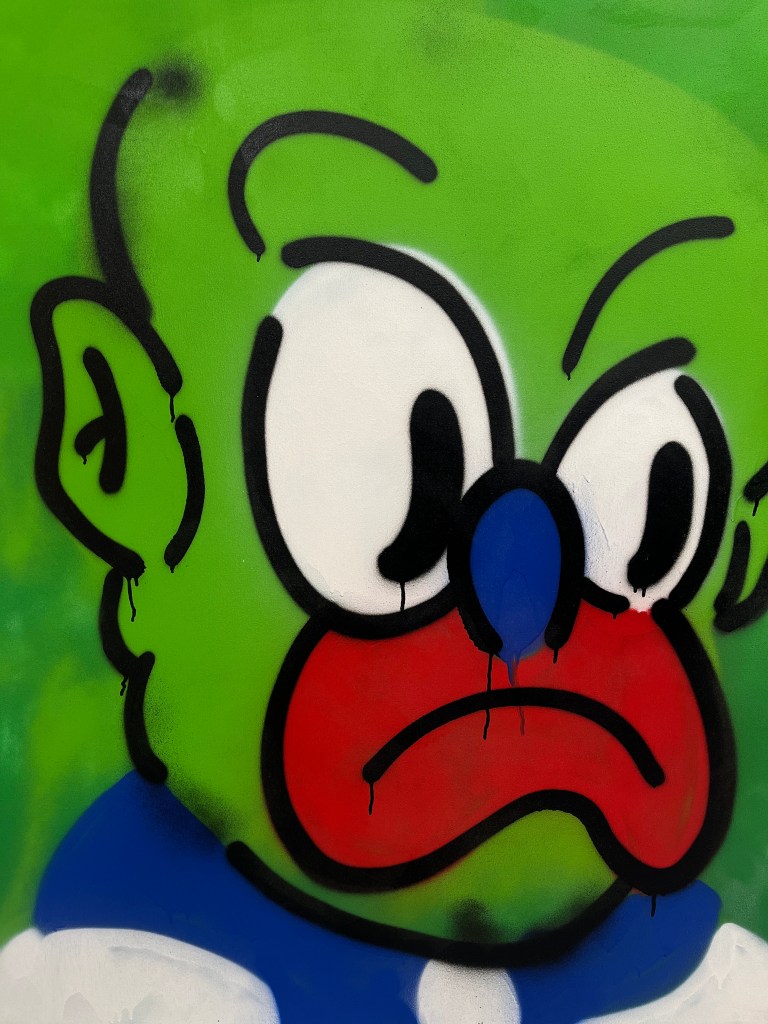
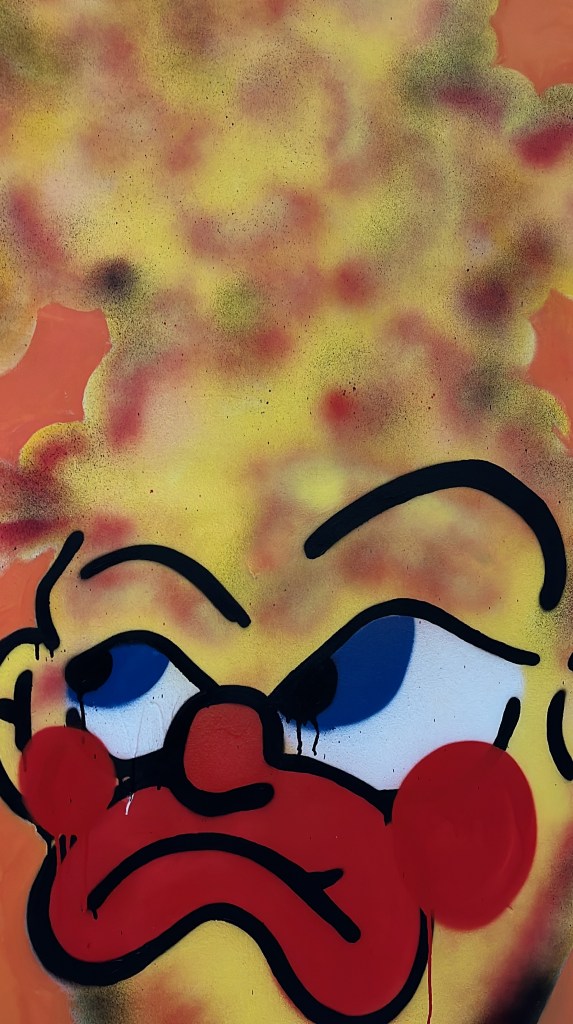
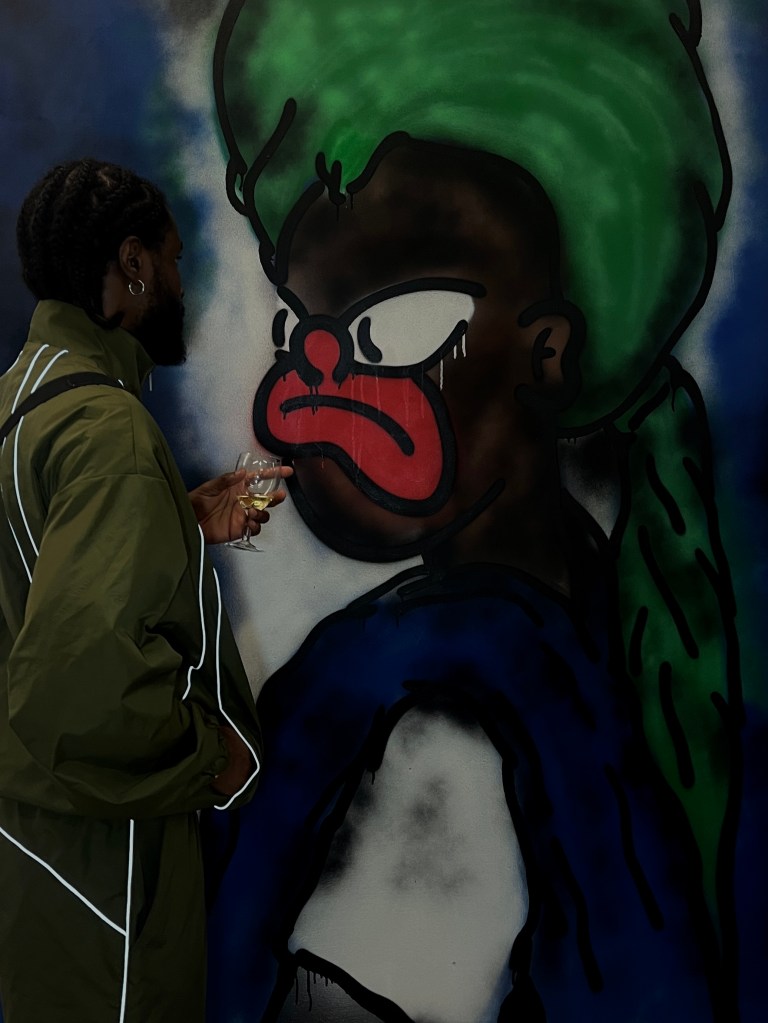
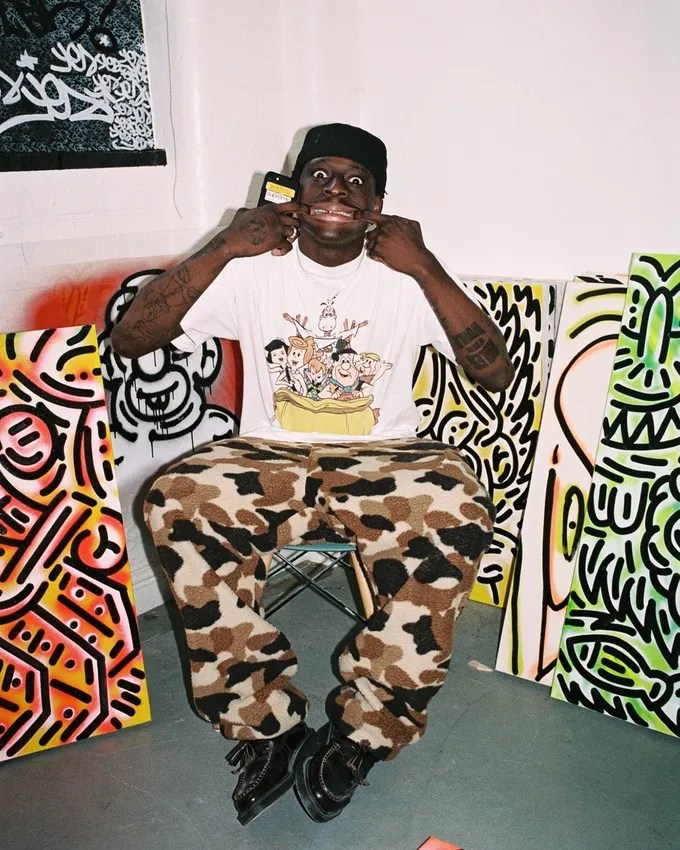
    Let’s talk about Slawn—Olaolu Slawn, the London-based Nigerian artist who’s flipping the art world upside down and making it look easy. Yesterday, the man had his biggest show yet at Saatchi Yates, and to say it was a monumental moment feels like an understatement. It was more than just an exhibition; it was a cultural event. People flocked to the gallery, rubbing shoulders with creatives, collectors, and casual onlookers alike, all eager to witness history in the making.

    On his X bio, he claims “my paintings are shit,” and on Instagram, he writes, “I’m not an artist, I paint like a 6-year-old.” And honestly? That’s a damn lie.

    But let’s cut to the chase: Slawn is a liar. Bold statement, right? But don’t take it from me, he says it himself. On his X bio, he claims “my paintings are shit,” and on Instagram, he writes, “I’m not an artist, I paint like a 6-year-old.” And honestly? That’s a damn lie. A big one. In fact, it’s the most outrageous lie ever told in the art world. Slawn, you’re lying to us—and you’re doing it with a sly grin on your face because deep down, you know the truth: you’re a genius.

    You see, Slawn’s art isn’t the work of someone stumbling through the creative process. His canvases aren’t just random splashes of color thrown together for shock value. No, his art is a calculated storm—a blend of chaos and precision that takes true mastery to pull off. Every brushstroke feels like it’s fighting for space on the canvas, yet somehow it all works together. His use of form, shape, and texture invites you into a world where disorder is actually the language of order. His pieces are layered with meaning, and you feel it as soon as you stand in front of them.

    Take, for instance, his self-proclaimed Nigerian Aunty series—a collection that commands attention with bold strokes and larger-than-life figures. It demands a canvas as massive as its cultural relevance. Then there’s the audacity of his “1000 Canvas” piece—where he lets small canvases converge to form something colossal, like individual brushstrokes creating an entire universe. This is intentional art; this is the kind of creative engineering that doesn’t come from a so-called “6-year-old.”

    And let’s talk about his technique for a second. Slawn’s work may appear erratic, almost whimsical at first glance, but every detail has purpose. He’s obsessed with perfection. Faces emerge from what seems like randomness, objects are reimagined and distorted in ways that challenge our perception of reality. Even his choice of canvas sizes isn’t arbitrary—it’s about creating visual dynamics that make you stop, look closer, and think harder. You’re not just viewing art; you’re entering a dialogue with it.

    But what makes Slawn even more fascinating is his role as an icon for the next generation. At his exhibition, you could spot kids in the crowd, eyes wide and filled with dreams, looking at him like a living legend. It’s not just about the art he’s creating—it’s about the movement he’s inspiring. These young, hungry minds see themselves in Slawn, a Nigerian-born artist making it big in the world’s most elite galleries. You can practically feel the birth of a new creative movement brewing, one where Slawn stands as the blueprint.

    And yet, despite all of this—despite the genius, despite the iconic work, despite the inspiration he’s sparking—Slawn still finds time to be a family man. Behind all the paint and the madness is a husband and father, a man who somehow balances creating mind-bending art with raising a family. This isn’t just some dude tossing paint on a canvas for Instagram likes; this is a fully-rounded human being who embodies what it means to thrive in both personal and professional realms. And if that weren’t enough, Slawn is a sharp businessman too. His art may speak in abstract, but his business game? Crystal clear.

    ” I would like to say at this point i was only admiring the art and it’s okay to admit this was my fave piece cos i kept coming back to it. ”

    So, here’s my message to Slawn: keep lying. Keep telling us you’re not an artist, that your paintings are “shit,” because each lie is a masterstroke. With every self-deprecating comment, you’re quietly rewriting the rules of what it means to be a creator in today’s world. You’re showing us that art doesn’t have to be about pretension—it can be about raw, unfiltered expression. You’re proving that you don’t have to fit into a neat little box to be great.

    Keep lying, Slawn, because the world needs more liars like you—artists who dare to challenge conventions, inspire new generations, and redefine what’s possible. The future is bright for you, and if anyone’s still doubting that, they’re not paying attention. We’re witnessing history with every stroke of your brush. And trust me, we’re all here for it.

    Rating: 1 out of 5.
  • Two Singles and it’s only February – Who is Ray The Boffin

    Two Singles and it’s only February – Who is Ray The Boffin

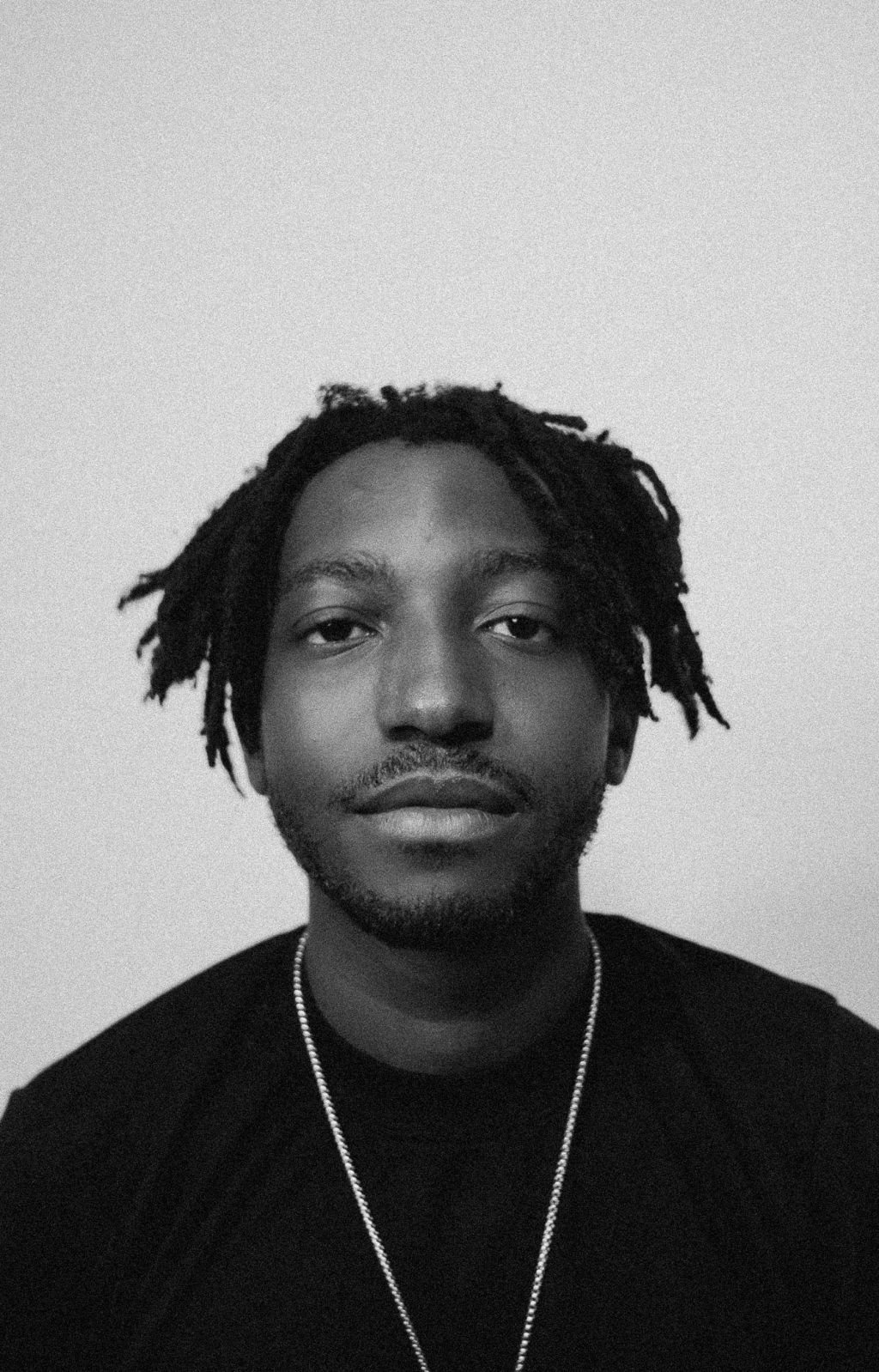
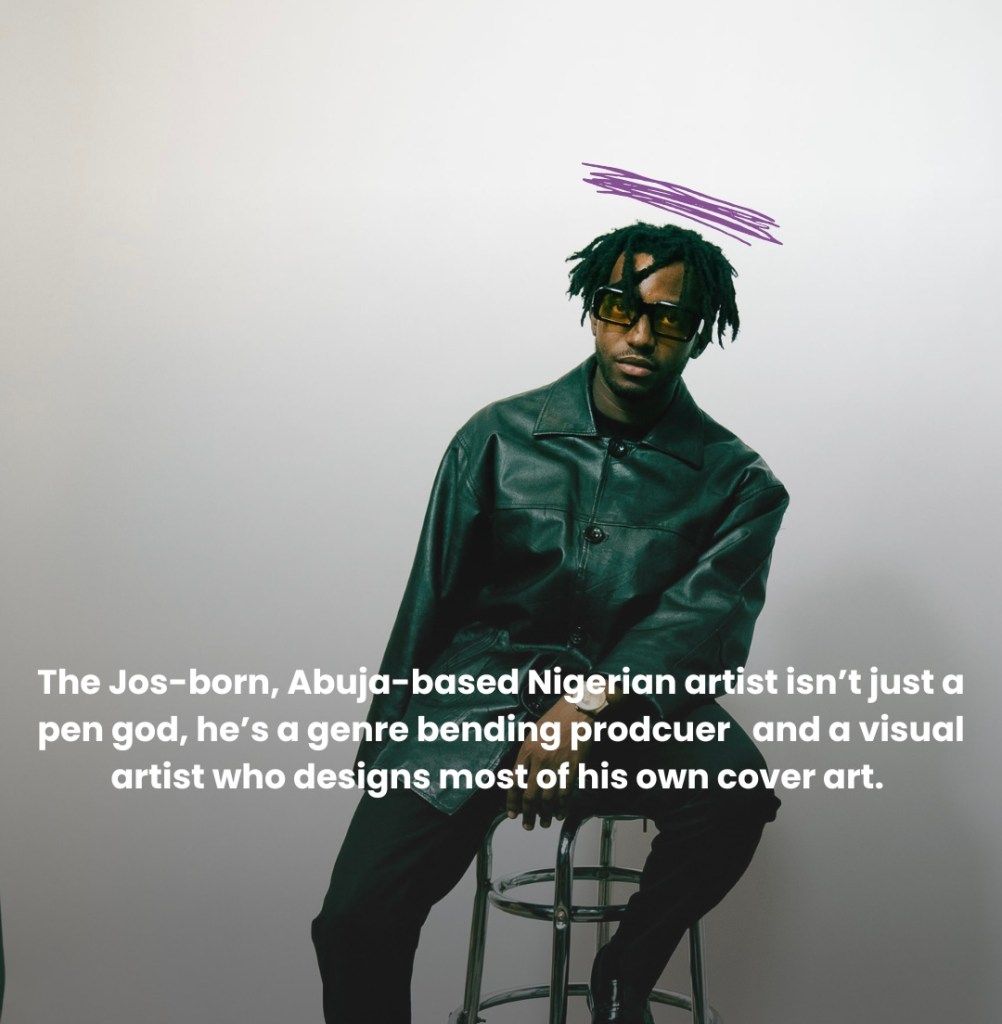
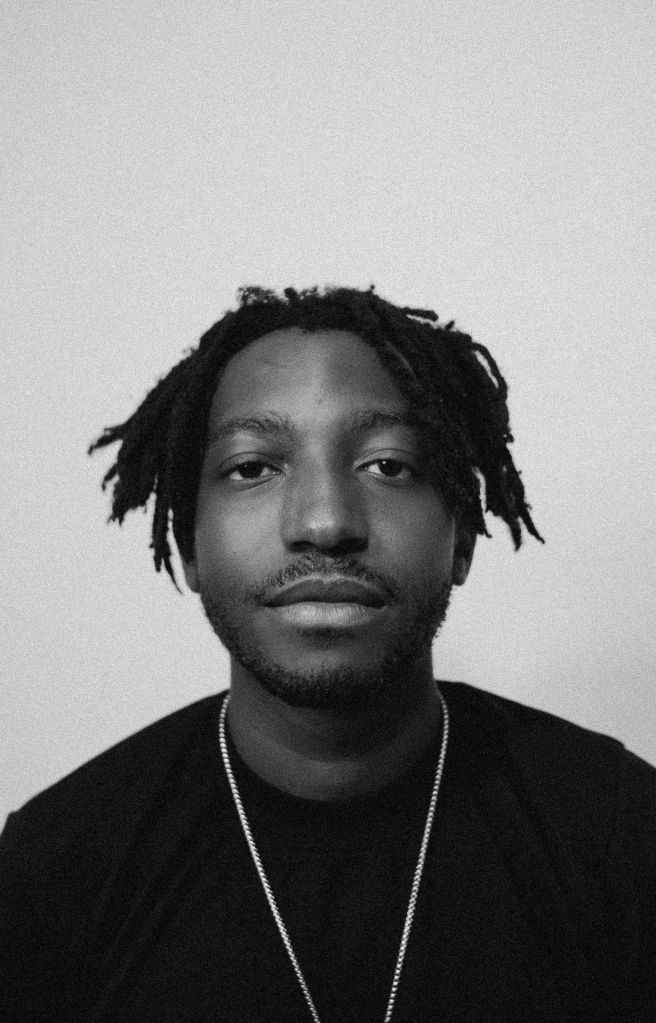
    First heard of Ray The Boffin [ @raytheboffin ] back in 2023, right before the release of his debut EP, Freckles. That was my introduction to the world of a creative genius. The Jos-born, Abuja-based Nigerian artist isn’t just a pen god, he’s a genre bending producer without limits and a visual artist who designs most of his own cover art. Oh, and did I mention he’s an almost-pro skater? (Let’s call it semi pro LOL. Check his TikTok if you need proof.)

    Ray The Boffin

    First heard of Ray The Boffin [ @raytheboffin ] back in 2023, right before the release of his debut EP, Freckles. That was my introduction to the world of a creative genius. The Jos-born, Abuja-based Nigerian artist isn’t just a pen god, he’s a genre bending producer without limits and a visual artist who designs most of his own cover art. Oh, and did I mention he’s an almost-pro skater? (Let’s call it semi pro LOL. Check his TikTok if you need proof.)

    Listening to Freckles for the first time, I remember thinking: we need to get this man in the booth with Kid Cudi. And honestly, I still see that happening. Until then, Ray keeps pacing toward his dreams with major collaborations under his belt—Suté Iwar, Tim Lyre, July Drama, Iver Rivers and, most recently, DapTheContract. (Another artist I can’t wait to write about.)

    Then came Iron Sight. A love at first listen type record. The muffled-yet-clear lyricism, the genre-bending mastery, the rave-ready energy… it all hits in just the right way. This record comfortably sits at the top of this year’s new drops. But that’s not all. Earlier this year, Ray blessed us with Cold Summer, a poetic Afro-fusion gem that’s probably sitting pretty on a few “lovers’ playlists” right now.

    Ray The Boffin

    It sounds like Ray is setting the stage for a massive 2025, with releases that flex his range and creative evolution. And me? I’ve got front-row seats.

    Iron Sights is out now on all streaming platforms. Go run it up.

    RSS Error: WP HTTP Error: A valid URL was not provided.