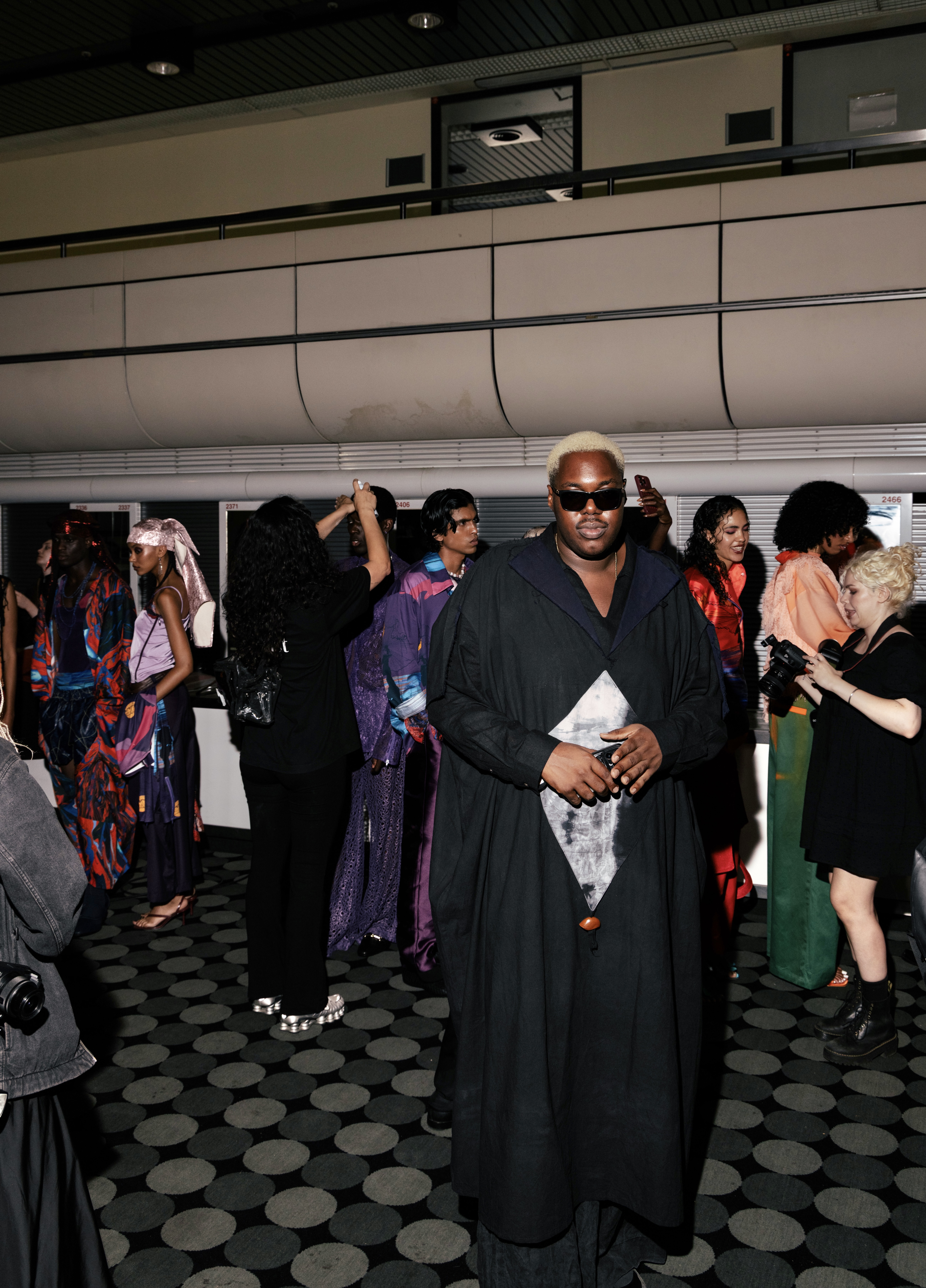
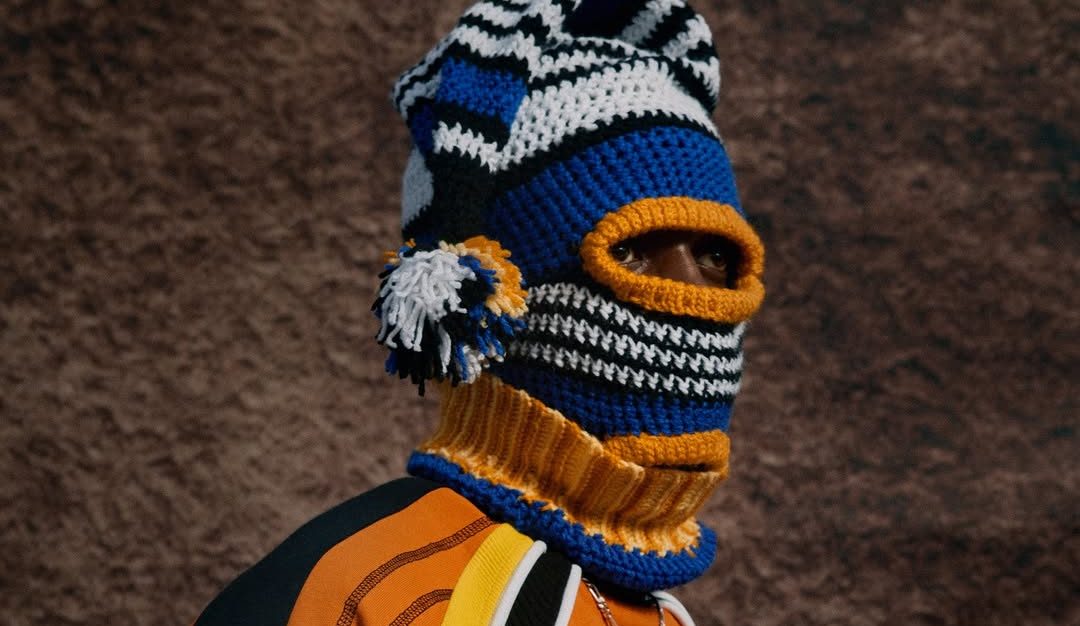
For all the attention fashion gives to the runway, some of its biggest decisions happen long before the first look appears. The future of the industry is increasingly being shaped by those trusted to identify emerging talent, and at Berlin Fashion Week Spring/Summer 2027, one of those voices was Nigerian creative director, producer and cultural archivist Eniafe Momodu.
Momodu served as a juror for Berlin Contemporary, the funding initiative supporting designers on the official Berlin Fashion Week schedule. Joining an international panel that included Christiane Arp, Sara Sozzani Maino and Herbert Hofmann, he helped evaluate designers from around the world, selecting 19 brands that each received a €25,000 production grant to bring their runway collections to life.
Widely recognised for his work across creative direction, editorial development, image-making, cultural research and brand strategy, Momodu has built a reputation for connecting fashion with cultural storytelling. His appointment also reflects Berlin Contemporary’s growing international outlook, with this season’s selected designers representing Europe, Africa, Asia and the Americas, including Nigerian labels Orange Culture and Fruché, Uganda’s BUZIGAHILL, Japan’s John Lawrence Sullivan and New York-based BARRAGÁN.
As Berlin Fashion Week continues to champion sustainability, innovation and emerging talent, Momodu’s presence on one of its most influential juries signals a broader shift in global fashion, where the conversations shaping tomorrow’s industry are increasingly informed by perspectives that extend well beyond traditional fashion capitals.
I enjoy talking to designers and people who create and build things; I think they’re superheroes. When the opportunity to interview Debo Shokunbi presented itself, I knew this wasn’t just another verbatim conversation but rather a chance to learn and listen to a young African designer building a legacy in Europe.
Our one-hour-long conversation happened on Google Meet on a chilled afternoon in May, me in Lagos, while the creative director spoke from Birmingham, United Kingdom. He sounded laid back but assertive, and when he proceeded to answer my first question, he spoke with so much reminiscing, telling me his earliest memory of fashion and how he grew up.
Debo Shokunbi wants clothes to be part of a man’s life. The creative director and founder of Shokks, an emerging Nigerian-UK-based menswear brand, wants more men to appreciate the celebratory ritual behind clothes.
“With the ladies, we see the excitement when they buy a new piece of clothing, how it is part of their everyday life, and I want that for the men, too. I’m trying to build a community for men where we see them express themselves and have conversations around clothes”. Debo tells me for LSTV.
At different parts of the interview, the founder speaks with glee, courage, hopefulness, and ambiguity. He speaks from the perspective of a young African operating a brand based in the UK amid economic tensions.
Early Beginning, fashion as resistance while in University
For Debo, fashion as a creative outlet began as a form of resistance. Hearing him speak about his beginnings made me remember how Senegalese designer Sarah Diouf found her footing in fashion. In her early years, she began an online magazine (which later led her to become a designer) as a way of rebelling against being bedridden following a fatal accident. Sarah resisted a situation that could have kept her confined. In the same vein, when Debo discovered he didn’t like the way he looked in secondary school, he knew he had to resist- so he turned to fashion.
For context, in secondary school, Debo was a chubby kid, and this affected him negatively. He recalled being mocked and teased by his classmates. Before starting at the university, the creative director began his weight-loss journey, and in no time, he became the stylish “it” boy on campus.
When I got to uni, I started practicing my posture; I put so much intention into it, and it paid off. People began complimenting my looks, and I had classmates come to me to give them styling tips. They wanted to know if their tie matched their socks; they needed that affirmation from me before going to lectures.
“I got into styling and eventually started making and selling clothes. I made two-tone shirts and different men’s wear pieces. Eventually, I started my own brand and did a couple of fashion shows in Lagos”. He elaborates.
Shokunbi’s university days was circa late 2010s, and Nigerian menswear designers like Mai Atafo, Yomi Casual, Emmy Kasbit, and Orange Culture were at the helm of redefining menswear design in the country’s conservative landscape. Debo credits these names as his earliest inspiration for fashion.
I asked him why he decided to focus on menswear.
“In the early stage, I was doing men’s and women’s wear; however, the vision for Shoks became clearer, and I had to make some changes. First, I noticed there was a heavy gap in menswear, especially in the Nigerian fashion space. I wanted something very intimate. Women’s wear was already doing so great; they had a community, and that was missing for the men. I also saw menswear looked a certain way; it was either a suit or strictly traditional wear, and that was where Shoks came in – I wanted to create something that an everyday man can have fun with.For instance, if you’re thinking about travel or even everyday wear, I wanted Shoks to be that name.“
To put it more simply, Debo wanted to blur the lines between traditional menswear and high fashion.
He’s one of many designers who see fashion design beyond just making clothes but also as a community. Fisayo Longe, the founder of the high-end luxury brand Kai Collective, uses a similar model. She founded the brand in 2016; however, Kai’s big break didn’t come until years later. In 2020, the Gaia dress propelled the brand into global recognition.
Longe built a cult-like following and community through personal branding and style; she understood what people wanted to see, and it worked.
Similarly, Debo is on that trajectory. He already has the mindset, and the execution is ongoing.
Moving to the UK, the business side of fashion, success, and lessons learned.
In 2021, Debo moved to the UK, and so did Shoks. That was the early 2020s; however, it was being shaped by rising economic instability, insecurity, and police brutality. It specifically became a turning point for young Nigerians, catalysing mass migration. In the aftermath of #EndSARS, many young people felt defeated, and plans of relocation became increasingly inevitable. This migration saw Shoks move into a new direction. In fact, the creative director took a brief pause to re-strategise on how to position the brand globally.
Following the pause, how did you know it was time to get back to creating for Shokks?
“My creative side was missing, and I just needed a rush. When I took the break, I was trying to understand the brand better. And after a while, I felt like that was achieved; the first collection I dropped in the UK was called “The Convergence”, and I would say it’s one of the best works I’ve ever produced”.
“It felt very experimental, and this was because I missed that creative rush and needed my creativity to come alive”.
The Convergence collection is a study on texture, colour, and techniques. For instance, the curved zip seen on the shirt in the collection is a reference to life itself as a journey with unexpected paths; the half-sleeved t-shirt made from coloured plisse fabrics is a nod to functionality, while cargo pants represent utility. With migration came new lessons and different ways of operation for Debowale. I asked him some of the lessons and things he has learned so far since moving abroad, and his responses are eye-opening:
“I have learnt more about putting structure in place, because I discovered things are not as flexible here compared to Nigeria. I learnt that I needed to understand the law. Also, as a founder, I discovered and understood the business side of fashion better.
“How to sell my pieces better, how to create pieces that reflect a particular season”.
I was curious to ask Debo how he has been managing and scaling his brand, Shoks, and, like every other emerging creative out there, he has taken a bet on himself. He is also making some financial sacrifices, which he explains:
“There’s a vision I have; I want to see in the men’s space, and it is really driving me. So it is allowing me to be able to make some sacrifices financially. Also, I currently have a job that is helping to fund the brand, so there’s that safety.
“In addition, I would also say I have a community who are always ready to assist, and I’m also motivated by other people who are also striving; it’s a motivation for me”.
In terms of success, the founder is still on the journey to defining what that means, but there’s a joy in the way he speaks about what he’s been able to achieve. From having his first-ever runway to winning a fashion competition, launching his debut collection in the UK, rebranding, opening a website for the brand, and even down to the first purchase on the site, Debo credits all of this as success. He is humble and grounded in ways a founder would be.
The Foundation Collection and what’s next for the brand.
It is quite accurate to say that Debo Shokunbi has had various chapters in his creative journey as a designer and founder; his most recent collection, titled “The Foundation”, is a new beginning for the brand. It reintroduces menswear to its audience as a groundwork for rebuilding and faith, as Debo describes- I’m trying to get my audience to trust me.
The pieces in the collection are all black and made-to-order. At first glance, it might read as basic, but a closer look reveals minimal and sartorial details- boxy proportions, sharp tailoring, gold detailing used as pockets, zips, and buttons made using fabrics like jacquard and cotton for its t-shirt. The latest collection is a nod to simplicity but done tastefully.
As we came to the end of our conversation, my questions pivoted towards the future of Shoks. Debo tells me how uncertain he is about showing at a major fashion week. While fashion week itself is a great opportunity to garner visibility and meet potential buyers, at the time of our chat, the creative director is more invested in building a community first and foremost, and instead of showing at a major fashion week, he’d prefer something rather intimate.
His biggest priorities are making sure that in the coming years, men are able to be as vocal and expressive with fashion as their female counterparts.
Every year, the African Magic Viewers’ Choice Awards (AMVCA) arrive with glamour, fashion, celebrity appearances, and viral red carpet moments. But underneath all the lights, luxury, and social media conversations, the AMVCA is an important institution in African entertainment.
To understand why the AMVCA carries so much weight today, it helps to go back to its beginning.
The African Magic Viewers’ Choice Awards was launched in 2013 by MultiChoice under Africa Magic as a platform created specifically to celebrate excellence in African film and television. At that time, Nollywood was already producing films at an incredible rate, making it one of the largest film industries in the world by volume. But despite its size, the industry still lacked something crucial: institutional recognition.
Hollywood had the Oscars, television had the Emmys, British cinema had the BAFTAs, but African filmmakers did not have a major continental platform dedicated to celebrating their work on a global scale.
That was the gap the AMVCA stepped in to fill.
One of the biggest impacts of the AMVCA is how it helped change Nollywood’s standards internally.
In the early years of Nollywood, films were often criticized for poor sound, depthless storytelling, inconsistent acting, and weak production quality. The industry was productive but not always critically respected. The AMVCA helped push that narrative forward by rewarding not just popularity, but craft.
With categories like Best Cinematography, Best Director, Best Editing, Best Writing, Best Costume Design, and Best Sound Design aimed at carrying prestige. Filmmakers were no longer just trying to make successful movies; they wanted recognition for technical excellence too.
That ambition changed the industry.
The AMVCA red carpet, Met Gala Paradox, and the role of fashion at award shows.
The AMVCA’s red carpet is arguably one of the most talked about aspects of the award show, thanks to its theme every year that presents the majority of Nigerian designers and stylists to go all out with their interpretation, earning it the title of the “Nigerian MET Gala”.
However, the comparison between the Africa Magic Viewers’ Choice Awards and the Met Gala needs to be dissected properly. Firstly, the Met Gala is a fundraising event aimed at supporting the arts; at its latest edition, it raised over $42 million, marking the highest total in the gala’s history. The AMVCA, on the other hand, is an award show specifically used to acknowledge achievement in film and television across Africa.
The Met Gala is also more than a fundraiser; it is backed up by the Metropolitan Museum of Art’s Costume Institute, a cultural institution that preserves costumes and accessories, acting as a study of resources.
While fashion is an integral part of both events, the AMVCA has arguably been reduced to a mere fashion spectacle, stripping it of its main essence, which is to honour the excellence of cinema in the global south.
Historically, the red carpet’s function is not limited to creative expression and viral moments. One of its foremost roles broadens into the trickle-down effect – a theory that examines how trends circulate in fashion. Here, the red carpet is the highest hierarchy; it is where trends move into mainstream to the mass market, think local tailors, online fashion vendors, and even independent creators.
In the Nigerian context, a red carpet like the AMVCA is an avenue to go all out, blend heritage with cultural pride and expression, as seen at the award’s cultural Night.
However the red carpet at the main event sort of falls flat; and it raises questions about what the trickle-down effect could look like- one word “repetitious”, take the corset for example, a trend we continue to witness on the red carpet, defined by an hourglass-like structure, it is arguably the most dominant aesthetic that arrives on red-carpet and travels beyond into the mainstream every year, it has pretty much influenced the way women dress, reducing mass- market fashion into a sort of monolithic trend cycle.
The AMVCA main red carpet also highlighted several problems around ethical issues, plagiarism (there’s an urgent need for IP education), and cultural insensitivity hidden behind the back of conceptual masterpieces, which, in reality, is not only impractical but also unsustainable, given that the Nigerian fashion industry suffers severe infrastructural problems, a proper system, and policy support.
How the Red Carpet Fashion at the AMVCA Can Co-Exist Seamlessly with the Award Show
For the red carpet fashion at the AMVCA to co-exist seamlessly with the award show, firstly, the AMVCA must be acknowledged for what it truly is- first and foremost, it is a media institute that honours cinematic creativity and should be treated and positioned as such.
Every year, the event comes with a theme, which allows guests to go in and all out; however, a balance needs to be struck. Perhaps its organizers might have to implement a stricter dress code: this could allow designers to create from a place of intentionality and sustainability in mind, thereby maintaining a symbiotic relationship that doesn’t overlap the fashion and the award show.
These are not just mere suggestions, but a necessary structure needed for an ever-evolving industry willing to last.
The MET Gala is an annual fashion fundraising event hosted by the Metropolitan Museum of Art’s Costume Institute in New York. For decades, the high-profile fundraiser events have served as the highest expression of fashion, bringing together people from different walks of life, from entertainment to politics, tech, and even sports.
Every year, the gala is guided by a theme from the Costume Institute, which often examines fashion through different medium and lenses. The theme also comes with a dress code, allowing guests to show up in their best interpretations.
The 2026 theme titled “Costume Art” examines how the human body serves as a canva, and a connector between art and fashion. For a broader context, the theme focuses on how fashion interplays with art, using the center of the dressed body as the focal point.
For the theme, the human body is explored in four different areas, namely the “Naked Body” and the “Classical Body,” alongside the “Pregnant Body” and the “Aging Body,” which have been traditionally overlooked and underrepresented. Think of this exploration as a way of championing the human body while also challenging rigid ideals of beauty.
However, this year’s dress code, tagged “Fashion is Art,” is perhaps one of the most though-provoking aspect of the event, as it positions “fashion” and “art” as two medium of expression that intertwine and sit next to each other, just as seen at the preview of the Costume Institute exhibition, where the “dressed bodies” are placed next to paintings and ancient sculptures.
On Monday Night, we spotted an array of looks all targeted towards one purpose- fashion as a medium of art. While some references didn’t quiet land, others told stories, channeling identity, history, and modern heritage.
Here are some of our best art references:
1- Law Roach in a custom Ami Paris suit with painted detailing from Gabonese artists- Naïla Opiangah.
Photo Credit: X
The white tailored suit with hand-painted detailing is an artistic collaboration between celebrity stylist Law Roach and the young African artist, Naïla. The painting, which resembles an abstract female body, is a direct nod to this year’s exhibition theme. It further highlights how black art activates a sense of authority and shapes cultural narratives.
2- Anok Yai in custom Balenciaga referencing the Mater Dolorosa statue
Photo Credit: Instagram
American Model Anok Yai paid homage to the Mater Dolorosa, an important key subject for Marian art in the Catholic Church. Wearing a black taffeta gown with a cape, finished with a sculptural prosthetic wig, and teardrop- like makeup. Anok references a significant emblem of the Christian religion, proving that fashion can be reinterpreted beyond abstract art and can also have a spiritual meaning.
3- Jon Batiste in custom ERL ( Eli Russell Linnetz). The visual language of Black-American artist Barkley L. Hendricks inspires the look.
Photo Credit: X
American singer and songwriter Jon Batiste wore an all-white look by the designer Eli Russell Linnetz. The three-piece suit set is a direct nod to the visual language of Philadelphia-born painter Barkley L. Hendricks, who was an eminent figure in the 60s & 70s black art movements
BLH’s work depicted figures of black people in sharp monochrome outfits (often white). Hendricks’s work celebrated pride and a sense of dandyism.
Photo Credit: X
Before Jon Batiste stepped on the carpet, he was photographed wearing another Barkley reference, this time a blue t-shirt featuring the famous graphic Superman logo, and a pair of sunglasses. The ensemble, alongside the pose, is a bold reference to the artist’s 1969 “Icon for My Man Superman” painting.
By channeling these two looks, Jon Batiste expresses the interconnection between fashion, history, and art.
4- Bad Bunny in a custom Zara reference to the Ageing Body
Photo Credit: metagalaofficial via Instagram.
One of the thematic ideas behind this year’s Costume Institute exhibition is examining the body as a form of art, and the “ageing body” is part of the four different body types serving as a source of reference to Bad Bunny’s look, the Puerto Rican rapper & actor. Styled in a custom black suit with a tie-neck silk shirt from Zara, accompanied by a prosthetic work which creates the illusion of an old man, the look blends how fashion can be used as a form of performance art.
5- Madonna in a custom Saint Laurent reference to The Temptation of St. Anthony. Fragment II
photo credit: Instagram.
The Temptation of St. Anthony Fragment II is a 1945 surrealist painting by British-Mexican painter and novelist Leonora Carrington, which depicts St. Anthony, the Great, who was a Christian monk from Egypt. In the painting, he is surrounded by demons and illusions, a visual representation of battle against desire, temptation, and the chaos of the world. At the Met Gala, Madonna arrives in a black dress, long veil, and a sculptural headpiece depicting the painting.
The reference had depth; it was a performance art, one that examined how art mirrors society, or in this case, the Met Gala itself- a capitalist institution built on the back of underpaid corporate workers.
6- Angela Bassett, in a custom Prabal Gurung, draws inspiration from Laura Wheeler Waring’s painting titled “Girl in Pink Dress,” a nod to the golden age of the Harlem Renaissance.
Photo Credit: X
Laura Wheeler is an American realist painter known for her black portraits during the Harlem Renaissance, a time characterized by a new form of cultural expression among black people.
Angela Bassett captures the elegance of Wheeler’s work in a pink, soft, draped gown with fringe detailing, which traces the subject matter of one of Laura’s paintings, where poise and self-fashioning are at the center.
7- Skepta in custom Thom Browne. The outfit references the singer’s tattoo and lyrics from his song- “Back 2 Back.”
Photo Credit: X
Skepta steps into the world of self-expression for this year’s theme. Wearing a custom Thom Browne tailored jumpsuit with embroidery that references his own tattoo art, and even song lyrics. The look blends artistry with modern-day self-expression.
8- Ciara in custom Celia Kritharioti referencing Egyptian goddess Neferititi.
Photo Credit: X
Ciara brings some African art references to this year’s gala, paying homage to Nefertiti. The singer wears a gold embellished gown by a Greek designer, Celia Kritharioti, paired with a headpiece. The look felt polished, regal, and avant-garde.
9- Yu-Chu Lyra Kuo in a custom Jean Paul Gaultier reference to the Winged Victory of Samothrace
Photo Credit: Instagram.
Yu-Chu Lyra Kuo had one of the most sculptural looks at the Met Gala this year. The tech investor wore a white, multi-draped gown designed by French fashion designer Jean Paul Gaultier, inspired by origami, a Japanese art form that involves folding paper to create a sculptural look.
The look also had another meaning; it was a nod to the Winged Victory of Samothrace, a 1863 Hellenistic marble sculpture of the Greek goddess, Nike. The multi-layered ensemble pulls inspiration from multiple cultures, proving that fashion and art are pluralistic.
10- Blake Newby in custom Vicnate inspired by Nigerian artist Ben Enwonwu.
In the Met Gala’s social commentary, it is often believed that non-guests at the event often have some of the most underrated looks, and that is the case with Blake Newby, an American writer and cultural expert who served as the red-carpet host for The Cut. She wore a sculpted dress by Nigerian designer Vicnate, which drew references from the work of Nigerian artist Ben Enwonwu, a painter and sculptor.
The brown-toned dress is a direct nod to Enwonwu’s The Glory of Ancient Benin, Song of the City 1942- 1989 Verso on Canvas painting. The look brings an interpretation of Nigerian and African art to this year’s event, something that is rarely celebrated.
THIS IS US™ has officially opened its flagship store in Onikan, Lagos Island, marking a defining moment for one of Nigeria’s most respected homegrown design brands. The opening preview took place during Art Week on November 8th, bringing together friends of the brand, collaborators, loyal customers, and members of the international art community for a first look.
Set inside a newly restored three-story tropical modernist building, the space reflects the brand’s ethos Live Work Wear for the Conscious Creative through thoughtful architecture, craftsmanship, and a deep sense of community. Just steps from the John Randle Centre for Yoruba Culture & History and sitting behind the brand’s manufacturing studio, the flagship lives at the heart of a growing creative district alongside IAMISIGO and Plan B Lagos.
Originally designed in the 1970s by architect Akintunde Tejuoso, the building has been reinvented in collaboration with Papa Omotayo and the MOE+ Art Architecture team. The result is a multifunctional home for design that feels rooted in heritage yet firmly pointed toward the future.
Inside, the flagship unfolds across three key spaces: a retail floor showcasing THIS IS US pieces alongside carefully selected homegrown design brands, a Maker Studio centred on craft and textile experimentation, and a Creative Residence set to open in March 2026.
Throughout the building, visitors encounter design and art pieces from some of the brand’s closest creative collaborators including Omi Collective, Nmbello Studios, Butlers Archive, Fantastic Plastic, IAMISIGO Home, and visual artists Sola Olulode and Fiyin Koko. Photographer Daniel Uwaga captures every detail with intimate clarity, documenting the textures and atmosphere that define the space.
A highlight is the THIS IS US Wall of Fame, an ongoing installation featuring photographs of the community that has shaped the brand over the years. It stands as a tribute to the people who live with the clothes, grow with the brand, and continue to inspire its evolution.
“We wanted to create a space that feels like home, a place where people can linger, have fun, and take it all in,” say founders Oroma and Osione Itegboje. “This building represents where we started, who we’ve become, and the people who made it possible.”
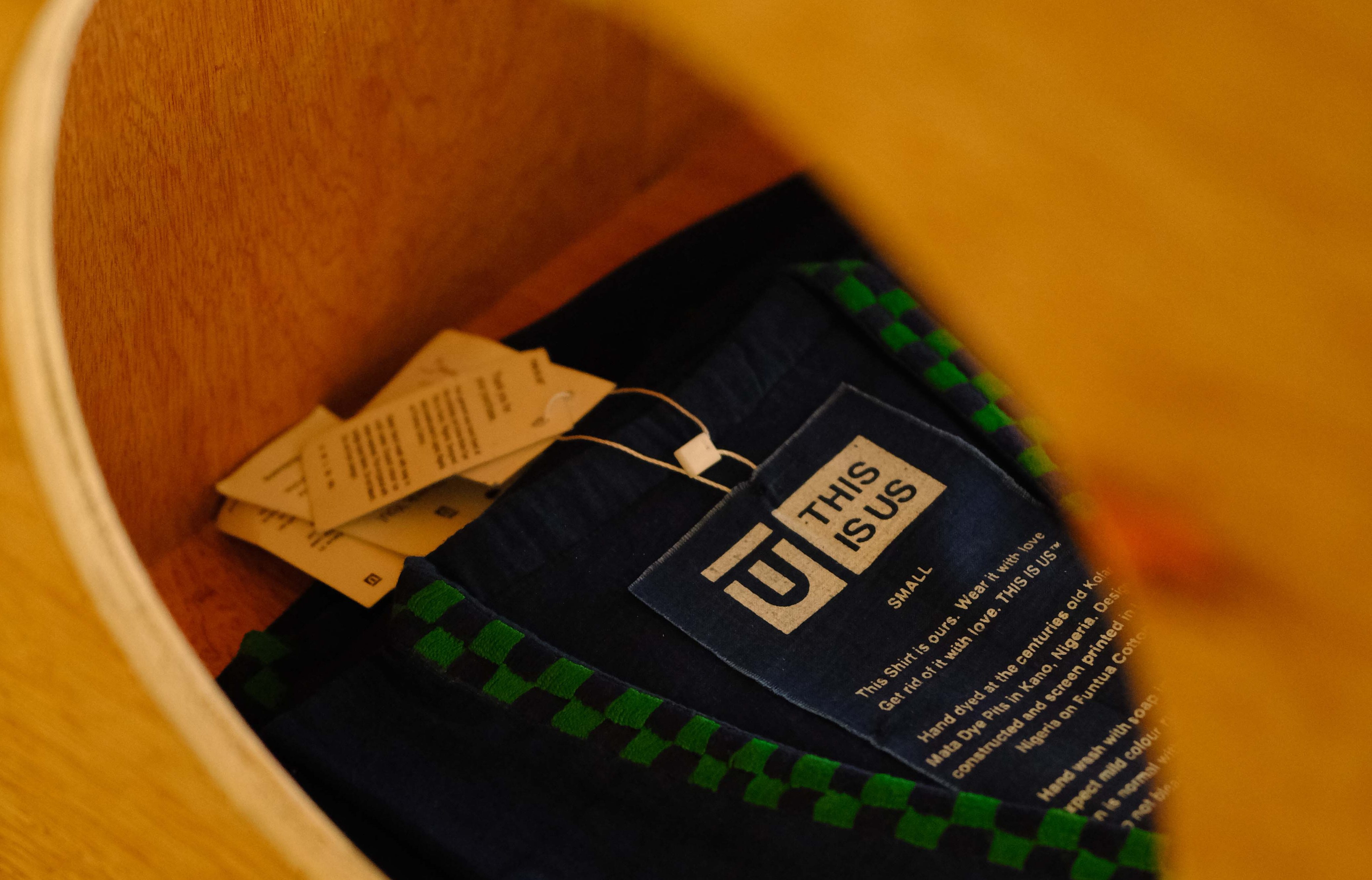
Founded in 2016 after a journey across Northern Nigeria, THIS IS US has remained rooted in process, people, and place. Their signature textiles are woven from Nigerian cotton and hand-dyed in the ancient indigo pits of Kofar Mata, linking farmers, dyers, tailors, and designers across generations.
The flagship extends this chain of craft, offering visitors a full experience of the brand: the beloved Funtua tees, uniform wear inspired by dye-pit and workshop artisans, cross-disciplinary collaborations with IAMISIGO, Waf, PITH, and Dye Lab, and home accessories that widen the brand’s design language.
Through this new home, THIS IS US reinforces its commitment to longevity, zero-waste design, re-dye services, and creative exchange. The flagship invites guests to step into their world, slow down, and experience Nigerian design at its most intentional.
THIS IS US House 19A Military Street, Onikan, Lagos Island Tuesday to Saturday: 10am to 6pm Sunday: 12pm to 6pm
What’s next for the queen of fashion and fashion at large? Oh my goodness, what’s next for Vogue?
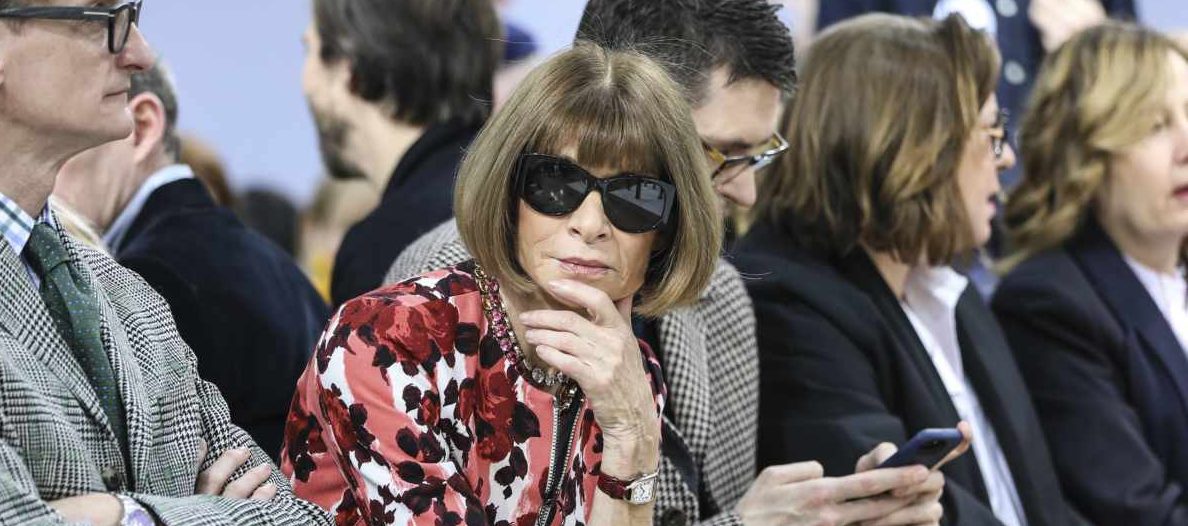
It’s official. After three decades and some change, the legendary Anna Wintour has stepped down as Editor-in-Chief of Vogue Global. Yes — the same Anna who made the bob and shades a global trademark, the same Anna who didn’t just run Vogue, but ran fashion.
Wintour’s journey with Vogue started in 1985, when she relocated to New York. After a brief stint back in London to lead British Vogue, she returned in 1988 to take the global reins. Her mission was clear: make Vogue the number one fashion magazine in the world. At the time, Elle Magazine held the crown, but Anna was about to shake the table.
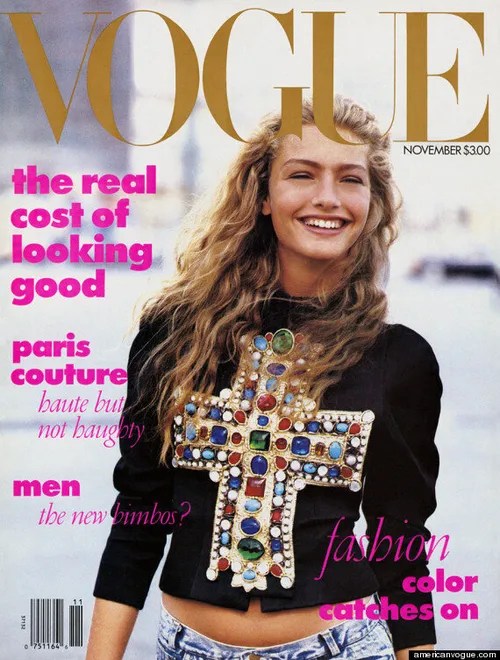
Her first U.S. Vogue cover said it all — Israeli model Michaela Bercu in a $10,000 Christian Lacroix sweater and $50 Guess jeans. It was bold. Unconventional. Controversial. And it worked. That single image sparked a creative revolution and reshaped how fashion was perceived globally.
Anna didn’t just run a magazine — she reshaped an industry. Under her rule, Vogue became the global fashion bible. She opened doors for designers, gave rising talent like Victoria Beckham their first runway platforms, and played gatekeeper to the highest level of fashion validation.
Her work ethic? Ruthless. Her vision? Unmatched. Her influence? Untouchable.
Let’s not forget, she’s also the chair of the Met Gala — the most exclusive fashion event on the planet. Wintour transformed it from a fundraiser into fashion’s Super Bowl.
Though she’s stepping down from her editorial throne, Anna isn’t leaving fashion entirely. She’ll now serve as Chief Content Officer at Condé Nast, Vogue’s parent company.
But one question remains — Who’s filling those size-37-year-old shoes? Who’s next in line to carry the Vogue legacy forward?
Chelsea FC merges football heritage with cultural storytelling in For the Glory!
Designed by British-Nigerian creative Ebele Ojechi @3b3le_Oj3ch1, this capsule collection reinterprets Chelsea’s iconic 90s kits through the lens of traditional Igbo fashion, delivering a bold and contemporary take on sportswear.
Backed by the Blue Creator Fund and unveiled at @saatchi_gallery, the collection highlights Chelsea’s deep-rooted ties with Nigeria—the club’s largest fanbase outside of England.
With upcycled kits, striking silhouettes, and a fusion of past and present, For the Glory is more than a fashion drop—it’s a celebration of identity, history, and the global influence of football.
Labrum London [ @labrumlondon ] took over the iconic Abbey Road Studios for its AW25 show at London Fashion Week.
According to Foday Dumbuya [ @iamfods ] (Creative Director, Labrum London), “the show is a reminder of the kind of sounds we listened to in the early 2000s, from garage to grime,” as he shared in an interview with BBC Radio 1Xtra.
The runway was a full celebration of UK music and culture, featuring some of the most iconic UK rappers bringing the energy—Ghetts, Kano, Wretch 32, and Pa Salieu, who walked the runway, embodying the cross-generational vision Labrum continues to build.
Here are some of the most standout looks from the night—celebrating fashion, innovation, and the rich history of London’s Black and immigrant communities.