Category: Uncategorized

  • Church Roots, City Noise, Global Dreams: Tim Lyre’s “Spiral” Breakthrough

    Church Roots, City Noise, Global Dreams: Tim Lyre’s “Spiral” Breakthrough

    At Outer South, the ethos has always been about pushing boundaries sonically, visually, and culturally. It’s a label that doesn’t just sign artists, it cultivates visionaries. And no artist embodies that spirit more clearly right now than Tim Lyre. 
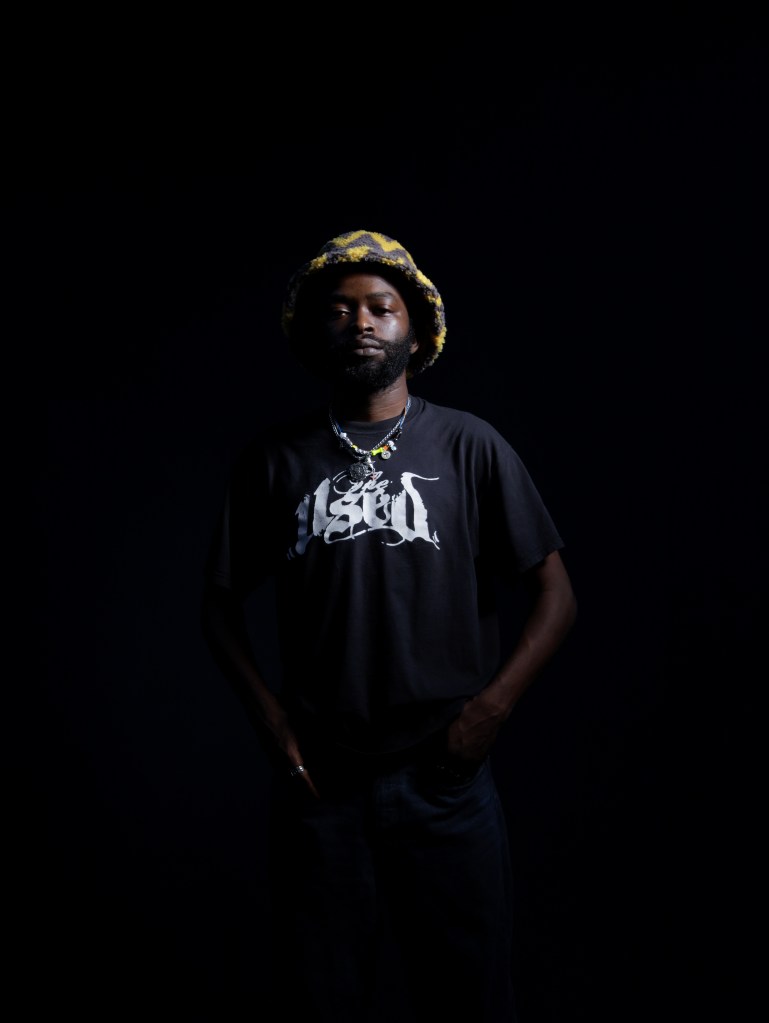

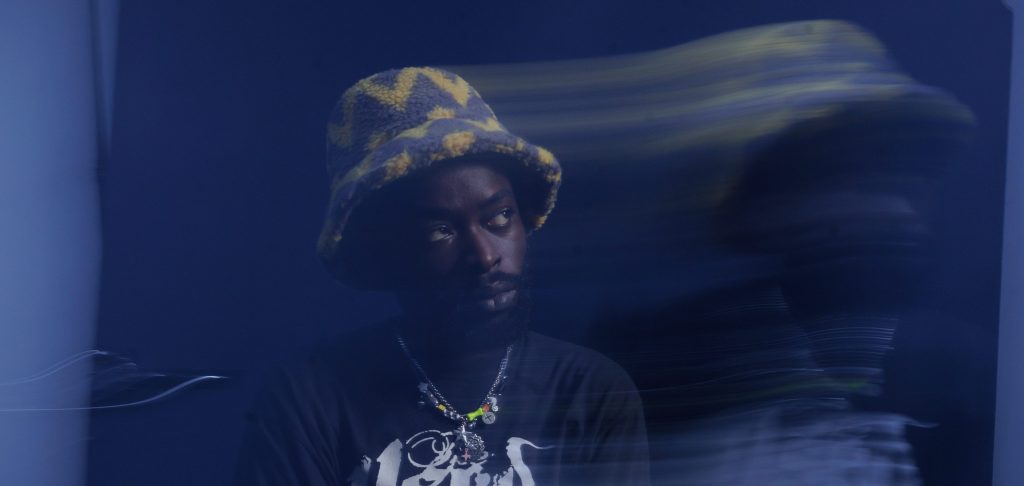
    There’s a certain momentum building around Tim right now. He’s in full “album mode,” and the energy is infectious. When we catch up, he’s calm, assured, and most importantly, excited. “I’m good, thank you. Thanks for having me on,” he says, smiling. “Things are good right now — album mode gingered.”

    Tim’s new album, Spiral, is more than a body of work. It’s a landmark moment in a journey that began over a decade ago.

    Well, I’d say I’ve been putting out music since 2012 — not when I was 12, that would be crazy,” he laughs.

    But I’ve been around music my whole life. I come from a long line of church musicians — great-grandfather, grandfather, father. From a young age, I was reading music and learning classical theory.

    From a young age, I was reading music and learning classical theory.

    Tim Lyre

    Raised in the cadence of choirs and instruments, Tim was involved in music early.

    Tim- It was like a rite of passage. Everybody had to be in the choir. That environment shaped me. I play piano, guitar, a bunch of instruments, so being around music constantly helped me understand a lot — not just as a vocalist but as a producer and writer too.


    The Chop Life Crew Chapter

    By 2020, Tim was part of a collective known affectionately as Chop Life Crew, a name inspired by Mojo AF and Prettyboy D-O’s celebratory anthem.

    Tim – That name just made sense at the time. Everywhere we went — me, Mojo, Ronehi — people already associated us with it,” Tim explains. “We made it official. I’ve known Mojo and Ronehi since A-levels. We grew together.”
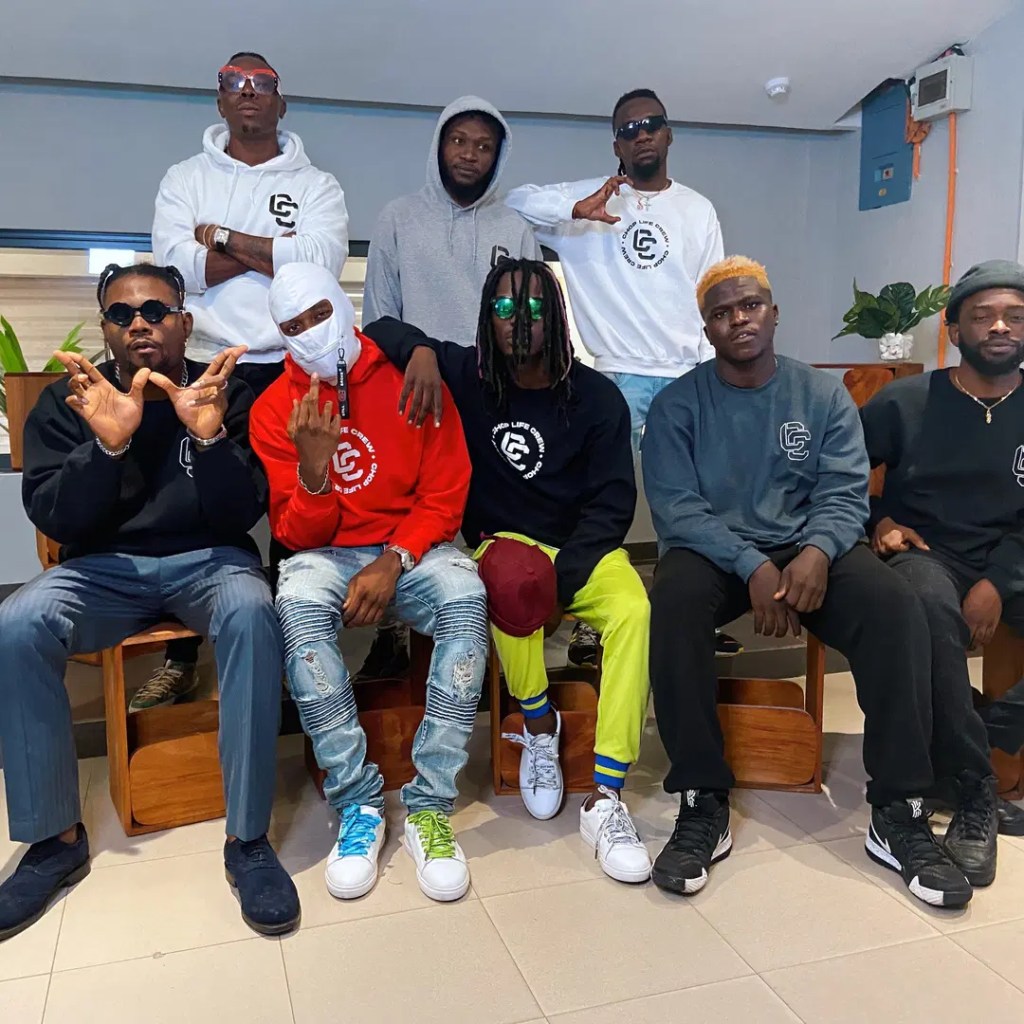
    The collaboration wasn’t just organic; it was transformative.

    Tim- It’s definitely impacted my music. When you grow with like-minded people like Mojo and Ronehi, it pushes you. If you listen to the music, you hear the growth in production, in storytelling, everything.

    The chemistry, particularly between Tim and Mojo, is evident — especially on “Villagio,” a standout on Spiral.

    Tim- We’ve worked together since uni. That kind of familiarity builds instinct. I don’t have to overthink when I’m working with Mojo. I just see what he’s vibing to, and we go. He’s the best rapper in the country, as far as I’m concerned.


    Introducing Spiral

    Tim’s earlier works — worry > and masta — hinted at something bubbling under the surface. With Spiral, it erupts.

    Tim- It’s more expansive than anything I’ve done. More tracks, more subject matter, more storytelling. I’m talking more. And it’s my first double-sided project.”

    More tracks, more subject matter, more storytelling. I’m talking more. And it’s my first double-sided project.”

    Tim Lyre
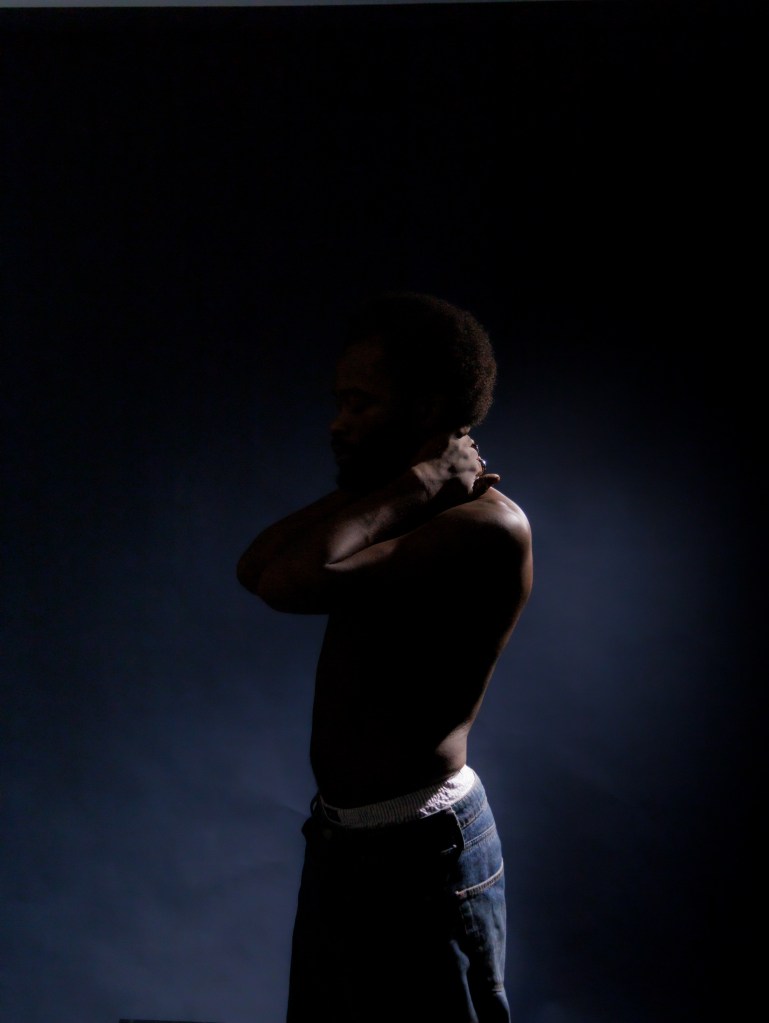
    Inspired by old-school double-sided CDs, the idea was both nostalgic and strategic. “

    Tim- Some of my favourite albums came like that. I wanted Side A and Side B to feel different sonically, but still connected. Each side tells its own story.
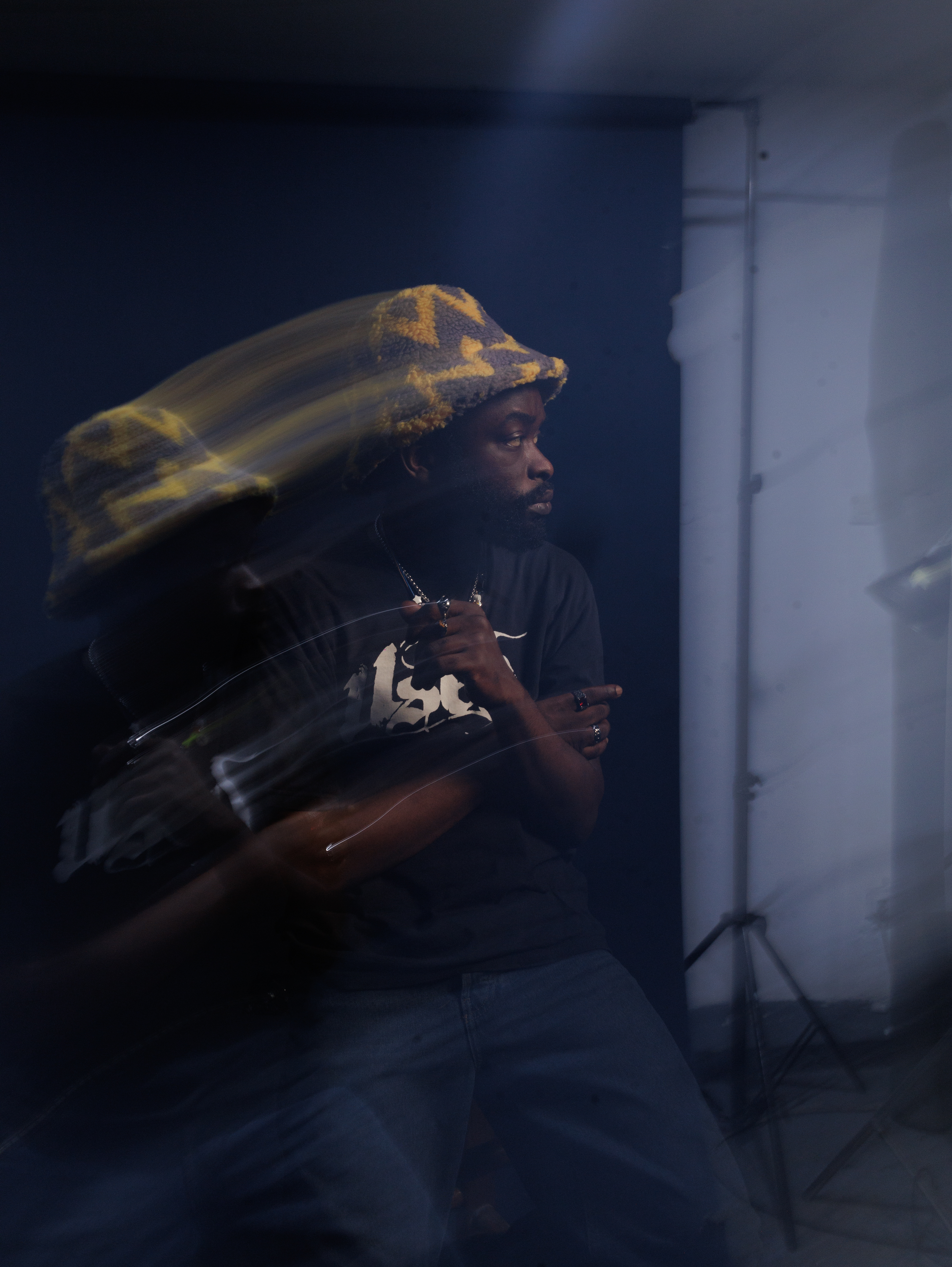
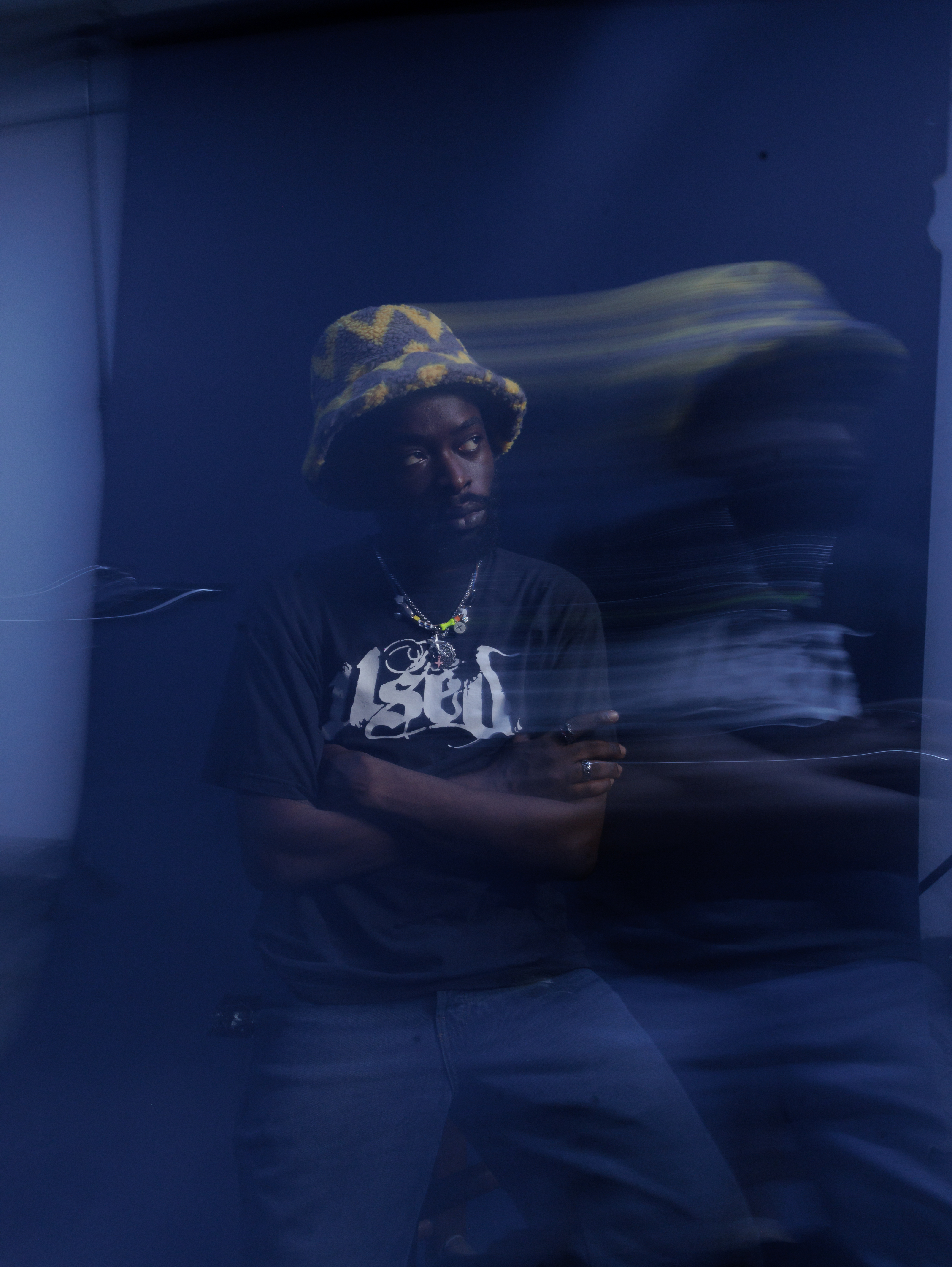
    So, why the name Spiral?

    Tim- Someone once told me spiraling means something negative, like a downward spiral. But for me, it’s about evolution,” Tim explains. “Life unravels — fast. You chase a dream and sometimes miss what’s happening around you. This album is me making sense of everything that’s happened — as an artist, as a person. It’s my evolution.

    Intentional Collaborations

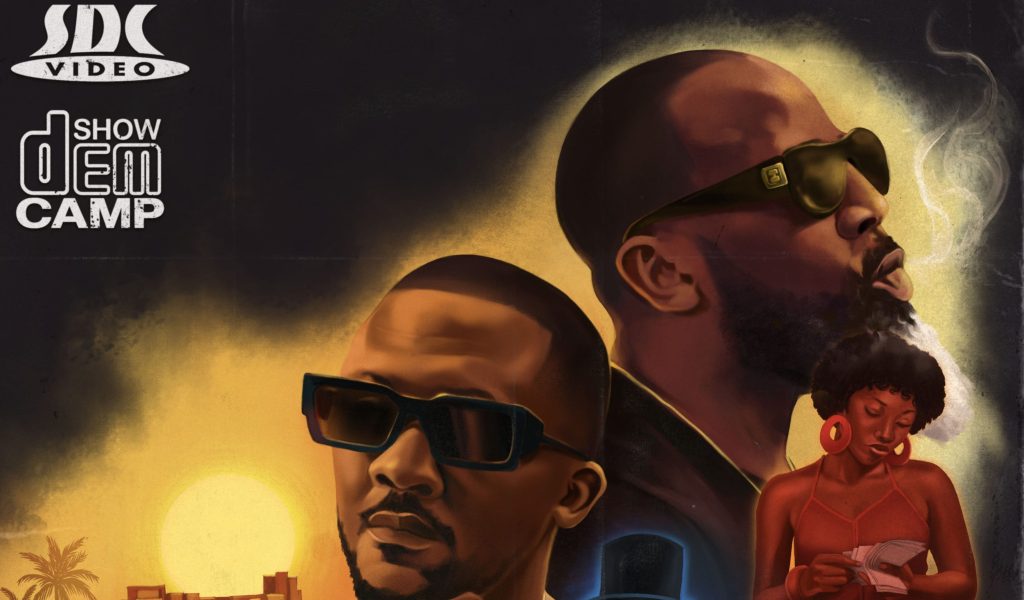
    From Show Dem Camp to Binta, the album’s features are both eclectic and carefully placed.

    Tim- I’m a studio writer type of artist, so I’m always around other creatives — producers, singers. Some people I connect with online, some through mutual friends. With Binta, for example, we’d been talking since worry < dropped. We finally linked up in London and made ‘Storytime’

    Two standout features — Joshua Baraka (Uganda ) and Manana ( South African) — reflect Tim’s ability to bridge the continent’s sounds.

    Tim- Joshua was unexpected. I love his voice. The label reached out to his team, we were both in London, and it all just aligned. Manana, I’ve never met in person. We connected on Instagram. He sent his part back the same day I sent the song. Crazy.

    Despite producing less than usual, Tim still crafted about 40% of the album’s sound.

    Tim – This time I worked more with others. KC Freeley produced Economy, Lock In, Rocketship. Of course, Ronehi — that’s my long-time guy. We record almost every day. Dare also contributed to this one.

    Bars From Real Life

    Tim even flexes his rap muscles on the album. One of his favorite verses? From “Villagio” with Mojo:

    “My kele just wan go abroad,

    She said she want to hammer, rowo mo japa,

    I say baby what you running from?

    She say baby where I’m coming from,

    I’m tired of niggas, they all do fraud…”

    He laughs.

    That’s real. A real conversation with a babe. She was moving out of the country ‘cause every guy she met was doing fraud. Lagos is not a real place.

    Beyond the Booth: Songwriting and Discovery

    Outside of his own records, Tim is gaining momentum as a songwriter, with credits on Boj’s album and even some work with Adekunle Gold.

    Tim- Writing is new for me, but it’s been fun. There’s less pressure than when I write for myself. I try to step into their perspective. It’s a challenge I enjoy.

    And he’s still discovering.

    Tim – There’s this artist — Braye. Insane. Like a baby Nigerian Chronixx. His project I Wish I Had More Time is what I’ve been spinning lately.

    The Live Experience

    Tim isn’t just releasing music — he’s bringing it to the stage.

    Tim – We’ve got merch coming soon and a live show on September 25th at Camden Assembly — that’s the biggest venue I’ve headlined so far. And we’re planning a show in Lagos towards the end of the year too.

    When asked what he wants fans to take from Spiral, he’s reflective.

    Personally, I hope it helps me break through a certain ceiling. For fans, I just want them to receive it the way I’m giving it — with love. If you’ve followed my music till now, this is just an expansion of all that. And I’m excited.

    As the album builds, one track, Ski, marks a shift in tempo — the bounce kicks in.

    I always wanted to make one of those two-in-one songs,” Tim says. “The first part was inspired by a Boyz II Men song. I wanted to start R&B and then switch to a dancehall vibe. I didn’t know how it would land, but when it was done, I was proud of it.

    From church choirs to Camden stages, from Chop Life Crew to Spiral, Tim’s evolution is unfolding in real time. And if this album is any indication, we’re just witnessing the beginning of his next act.

    By Tosin Tevs for LSTVWW
  • DISCOVERY & DEPTH AT MELTDOWN: KARA AND KONYIKEH TAKE THE PURCELL STAGE

    DISCOVERY & DEPTH AT MELTDOWN: KARA AND KONYIKEH TAKE THE PURCELL STAGE

    One of the underrated joys of festivals — aside from hearing your favourite artists perform your favourite songs — is the discovery. New sounds, new genres, new names that suddenly become unforgettable. That was exactly my experience yesterday at the Purcell Room, tucked inside the Southbank Centre, where I encountered Konyikeh and Kara for the very first time — and I left changed.

    Konyikeh opened the evening with a stripped-down, soul-stirring set accompanied only by her acoustic guitarist. I walked in just as she was performing “Sorrow,” and let me tell you — I felt every word as it poured out of her voice. It was raw, haunting, and incredibly beautiful. There’s a calm confidence in her delivery that holds you tight.

    Then came Kara.

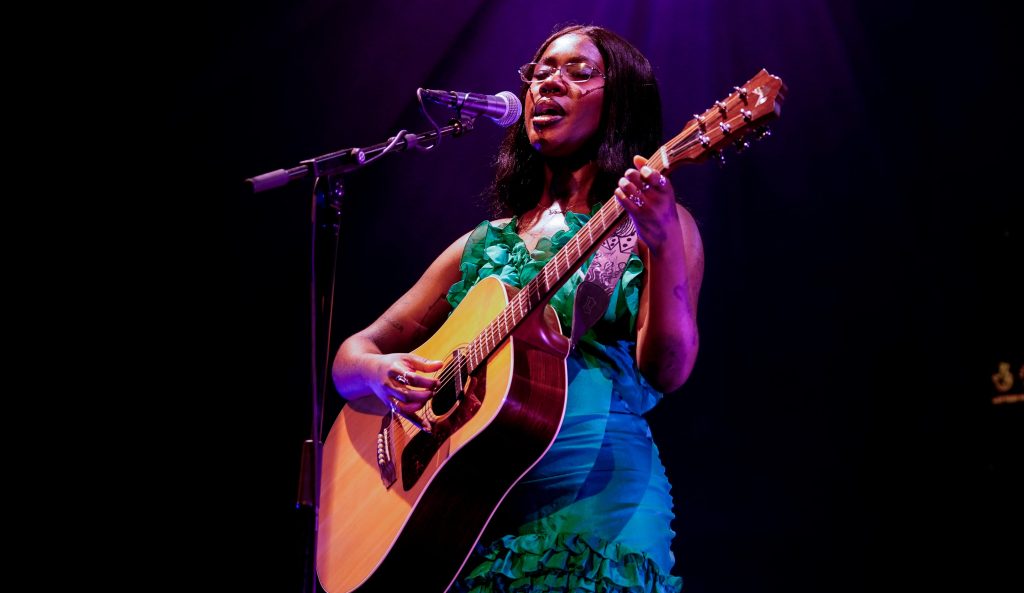
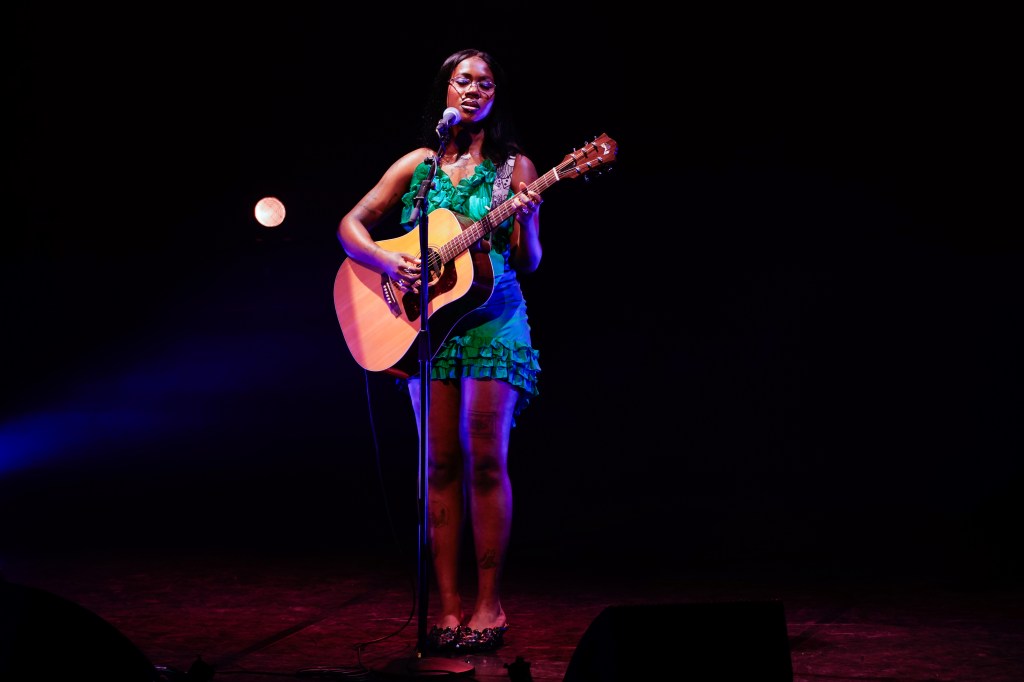
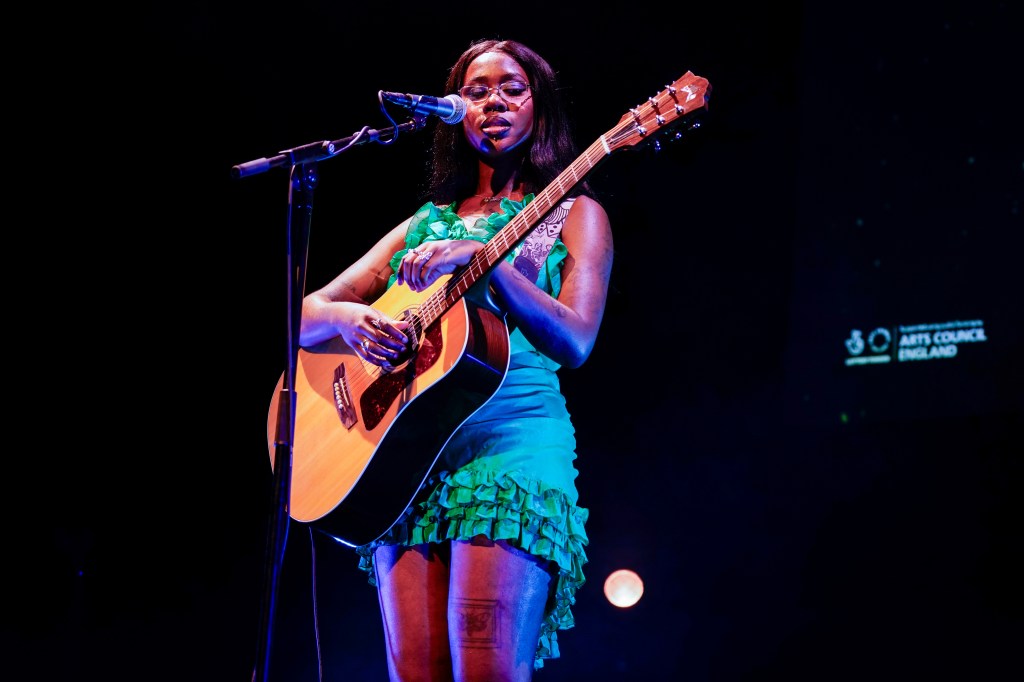
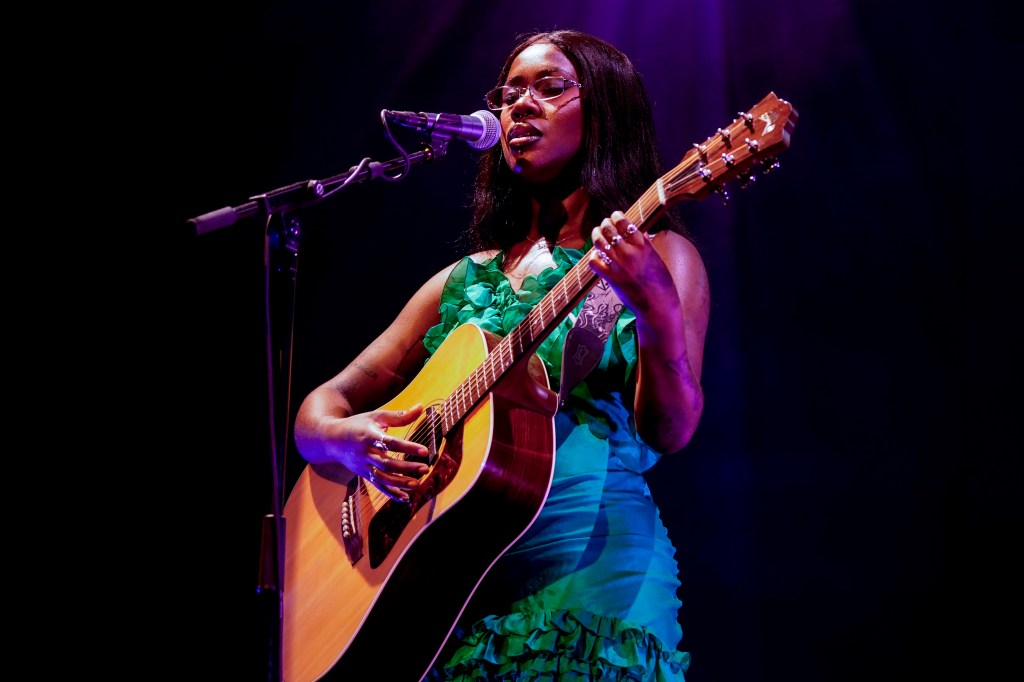
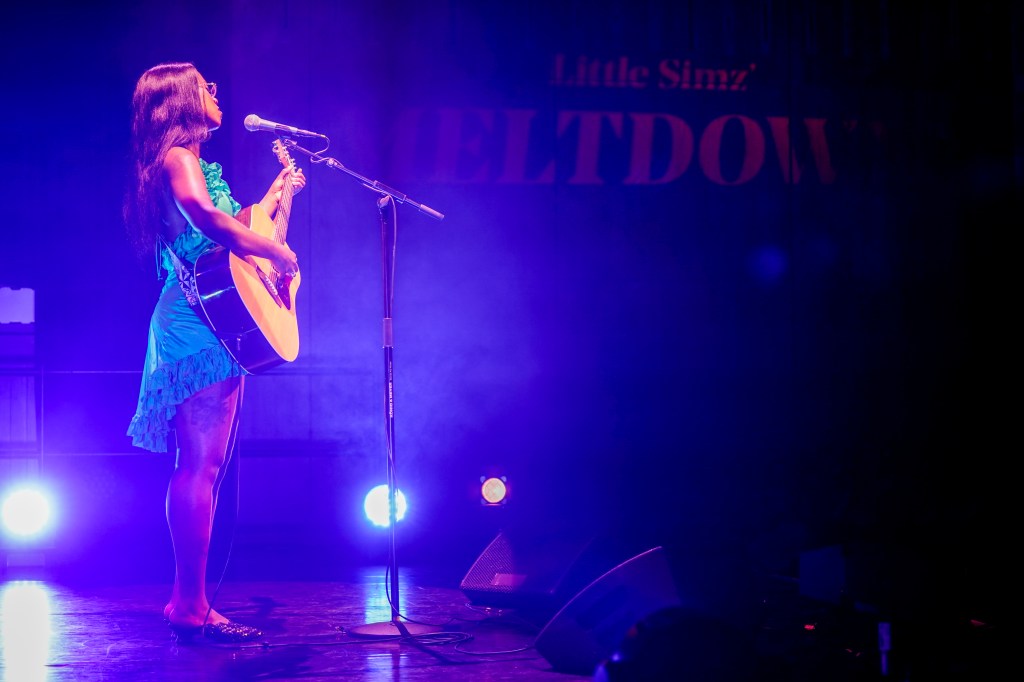
    The hall dimmed. A soft purple strobe lit the stage. Out walked Kara — tall, graceful, guitar in hand, rocking a green dress and small-heeled shoes. She didn’t have to say much; the room was already hers. Her voice — deep, warm, expansive — filled the space immediately as she began her set with “Lil Baby.”

    She performed songs from her latest project, “Why Does the Earth Give Us People to Love?” — including standouts like “Therapy” (a personal fave), “Pawn Show” and more. In between songs, she reflected on writing from as young as 18 and her deep obsession with Amy Winehouse, whose influence was clear in Kara’s own raw, poetic lyricism.

    But Kara wasn’t just soulful, she was real. Between tracks, she cracked jokes in her soft-spoken tone that somehow made us all feel like we were sitting in her living room. She gave a heartfelt shoutout to Little Simz, who curated the Meltdown Festival and brought her to London — even though Kara had promised herself no international flights this year. (I think she’s coming back though… she better!)

    She closed the set with what she playfully called the “most vulgar” track on her project — “Dickhead Blues.” And somehow, even that felt elegant, delivered with confidence, wit and grace.

    For me, this wasn’t just a performance — it was an ushering into the universe of a vocal powerhouse with enigmatic writing and a grounded presence. Kara, if you’re reading this, London is ready for more.

  • From Lagos to the MET: Orange Culture’s Vision Lands on Brian Tyree Henry

    From Lagos to the MET: Orange Culture’s Vision Lands on Brian Tyree Henry

    In conversation with The Orange Nerd ( Adebayo Oke Lawal) of Orange Culture

    This year, the MET Gala had Africa shining through its lens — from homegrown designers and stylists to A-list African artists ( Tems, Ayra Starr, Tyla and Burna Boy) on the red carpet, showing the world what true dandyism looks like through innovative designs, bold silhouettes, and undeniable elegance. Africa was boldly represented.

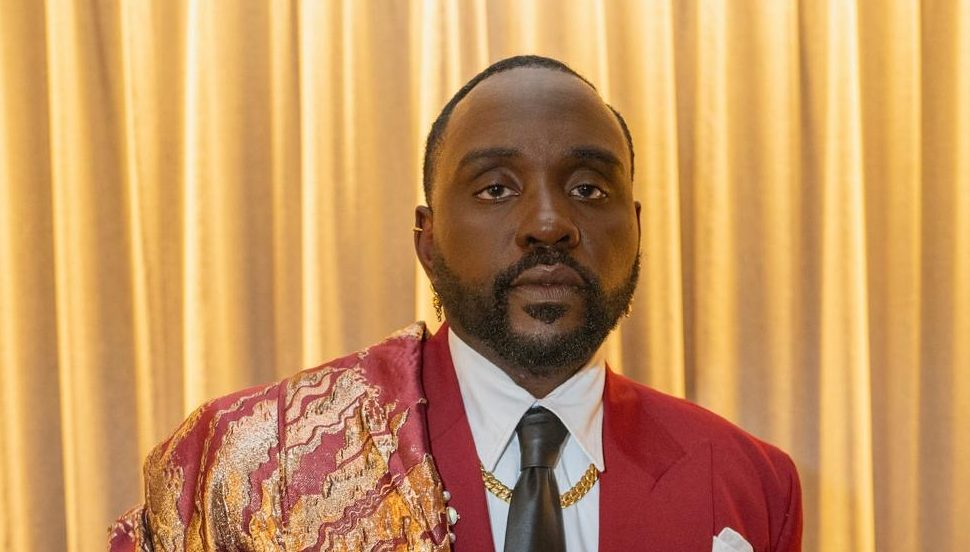
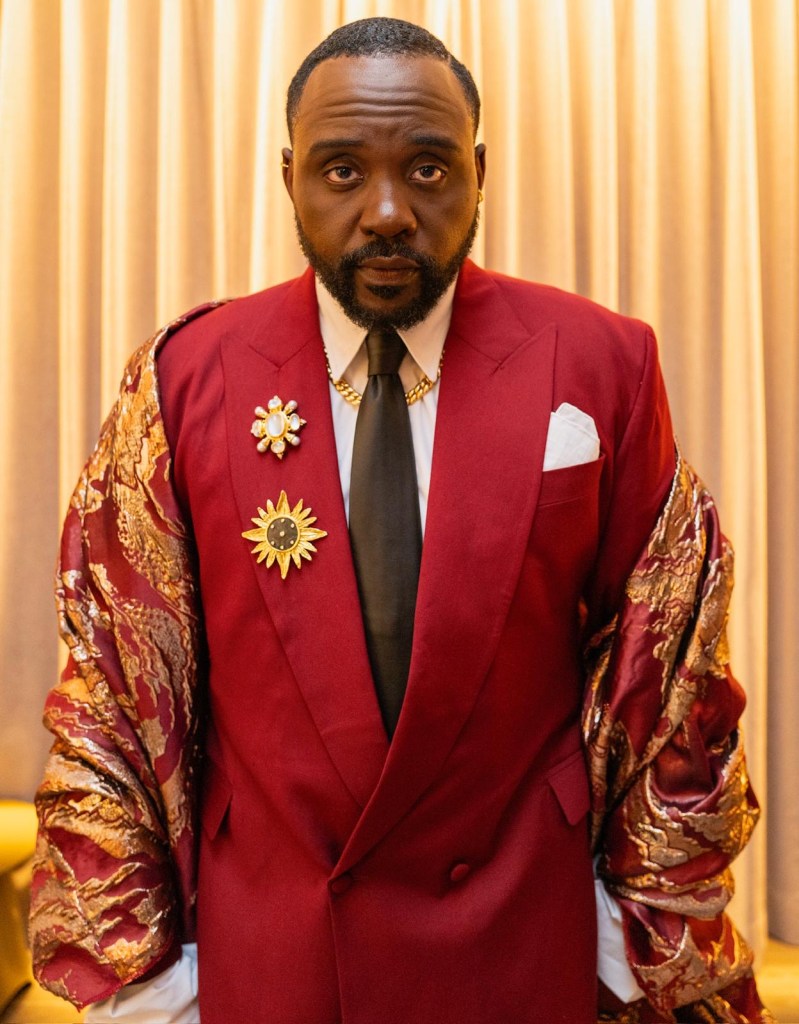
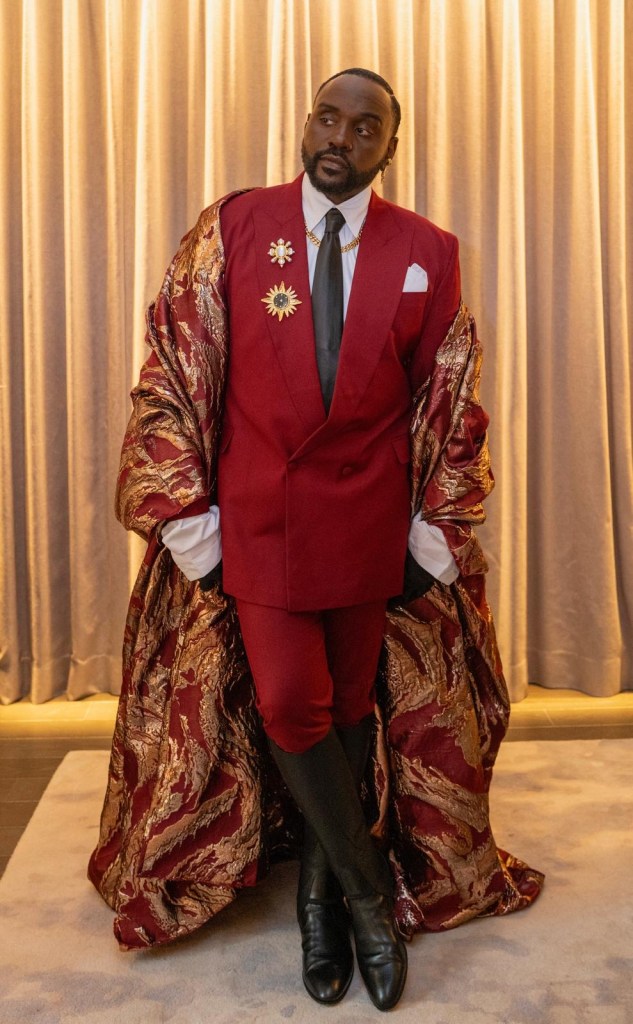
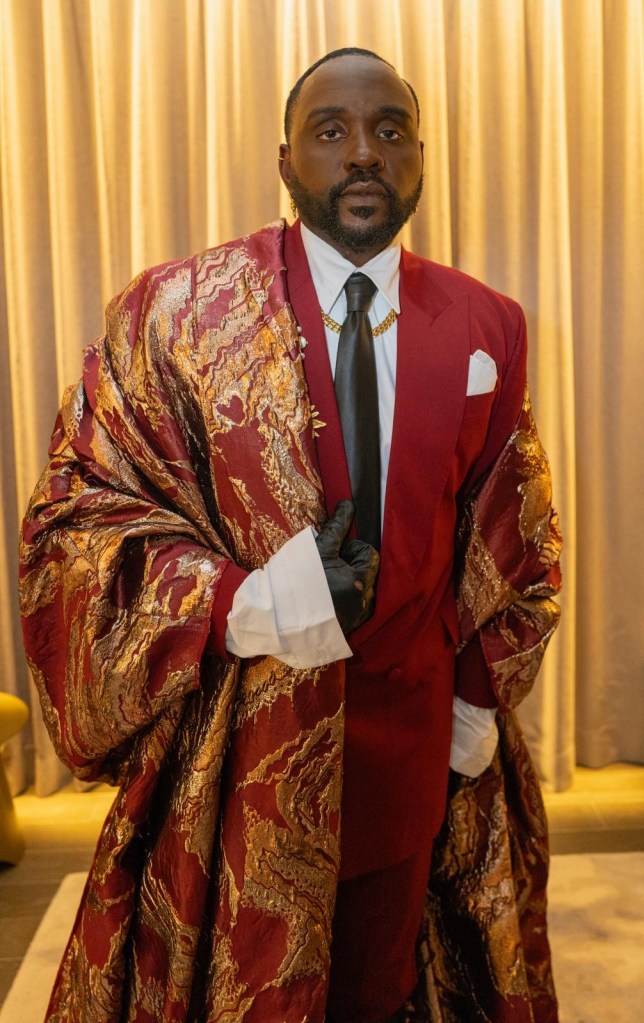
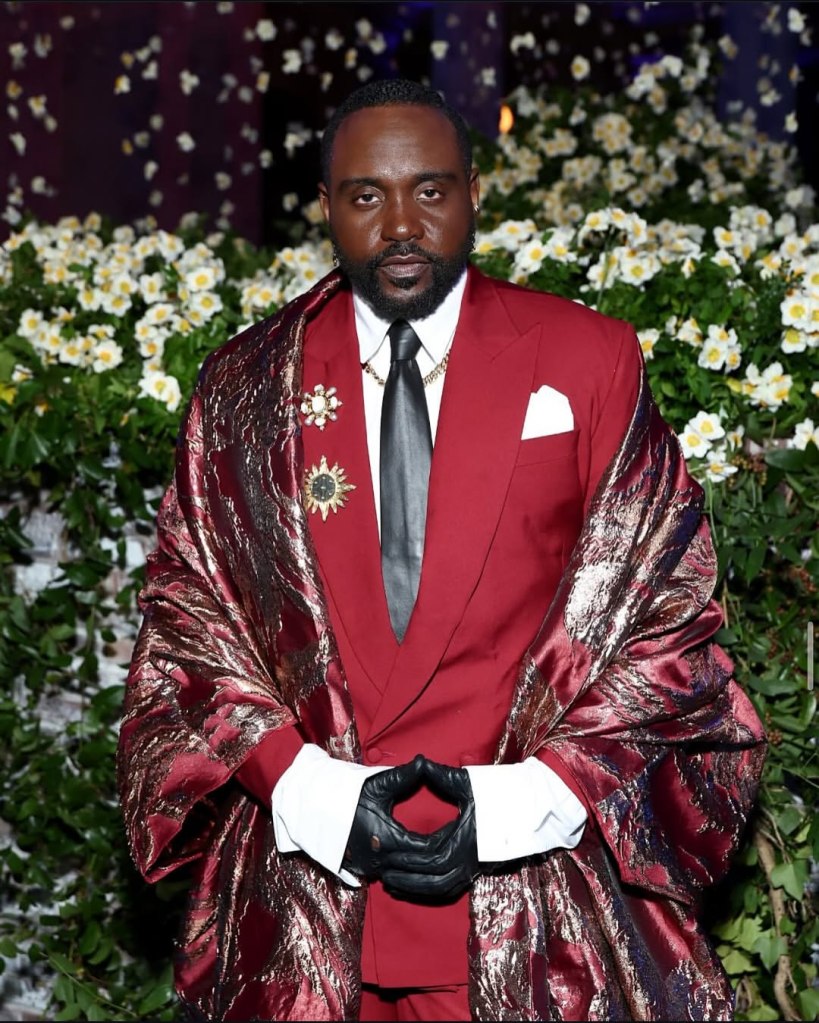
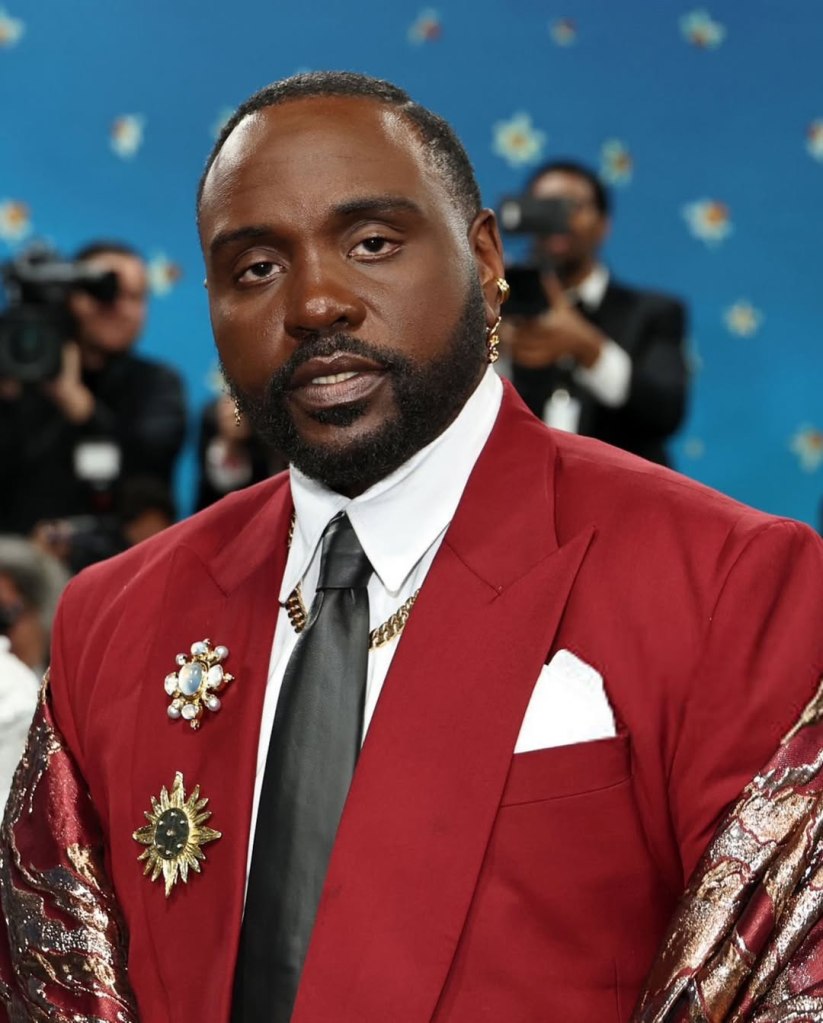
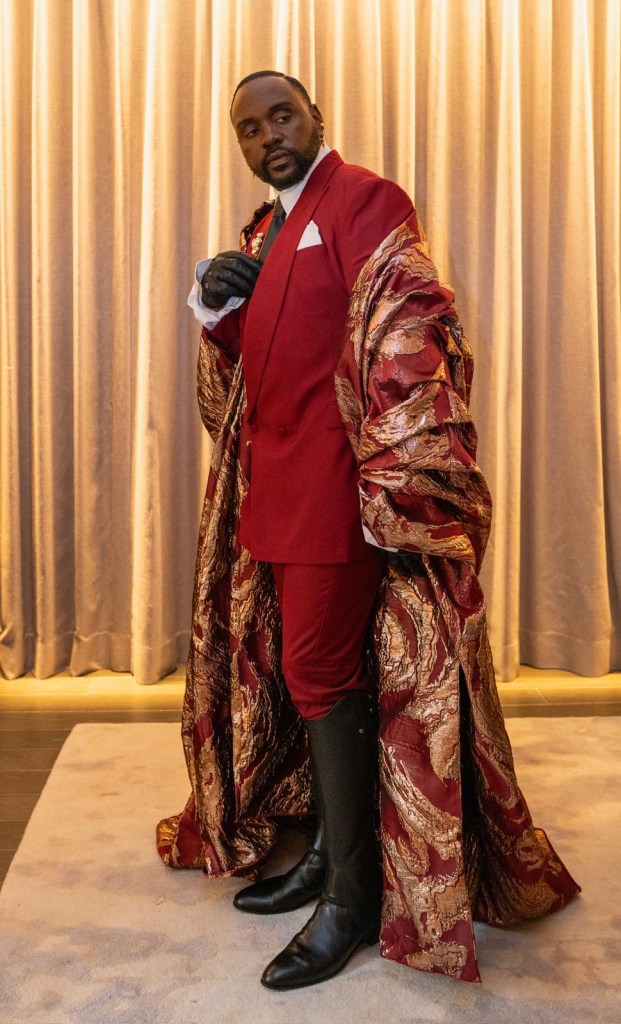
    One major highlight of the night? Nigerian-based couture fashion house Orange Culture, led by Adebayo Oke-Lawal (aka The Orange Nerd), styling Oscar nominated Hollywood star Brian Tyree Henry in a regal homage that celebrated both the brand’s African roots and André Leon Talley’s fearless love of Blackness and fashion. The result? A fan favourite and, not gonna lie, one of my favourite looks of the night.

    In this conversation, The Orange Nerd gives us a deep dive into the creative process behind the piece, connecting it to Orange Culture’s brand ethos and this year’s MET Gala theme: Superfine: Tailoring Black Style.

    LSTV – How did this all come about? Orange Culture boldly represented at the 2025 Met Gala.

    It was a surreal and deeply meaningful moment for Orange Culture. The opportunity to dress Brian Tyree Henry came through his team who reached out via the amazing team at Vogue. They had been following our work and felt that our aesthetic aligned with this year’s Met Gala theme. We were incredibly intentional about the creative direction, and as we developed the look, André Leon Talley became a central reference in our moodboard. His legacy, his regal presence, and his fearless celebration of Black identity and fashion were guiding lights throughout the process. We wanted the piece to reflect that same grandeur while incorporating Nigerian elements such as our signature Agbada draped robe, textile that reminded you of Lagos in this case the brocade , and a sense of poetic but clean tailoring. It was a true meeting point of shared values—style as expression, identity as power.

    “André Leon Talley became a central reference in our moodboard. His legacy, his regal presence, and his fearless celebration of Black identity and fashion were guiding lights throughout the process

    LSTV: I mean, Lagos is no stranger to these idea. As a Lagos boy myself , going to any ceremony without your àṣọ ẹbí? Taboo. From street-side tailors crafting sharp fits with authentic raw African fabrics like ankára, lèsè, or even àṣọ òkè — Africa has always been at the center of dandyism. That’s exactly why the team at Vogue, alongside Barry’s crew, tapped the couture house to bring this vision

    LSTV: How did it connect to the theme of the Gala and let Africa shine through?

    The theme, “Superfine: Tailoring Black Style,” celebrates Black dandyism and self-expression. Our design for Brian Tyree Henry was a homage to this, intertwining traditional African references with contemporary tailoring. It was a celebration of African elegance, resilience, and the enduring spirit of Black identity, aligning seamlessly with the Gala’s exploration of Black sartorial excellence

    LSTV: What does this mean for Orange Culture, being at the 2025 Met Gala?

    For Orange Culture , this moment signifies a milestone . Being part of the Met Gala, especially with a theme that celebrates Black style and dandyism, reinforces our commitment to telling authentic African stories through fashion. It’s a testament to our journey from Lagos to the global stage, showcasing that African brands can lead in redefining narratives and aesthetics in the fashion world.

    ⁠LSTV: What does this mean for African fashion?

    Our presence at the Met Gala as well as the presence of my amazing colleagues underscores the global recognition of African fashion’s depth and diversity. It highlights how African designers are not just participants but are shaping global fashion dialogues. This event amplifies the voices of African creatives, emphasizing that our heritage and innovation are integral to the global fashion narrative. I think there is space for more of us and I truly hope this opens that door!

    .

    LSTV: What would you say to young designers and fashion entrepreneurs looking at opportunities like this in doubt

    Believe in the power of your narrative. Authenticity is your strength. The journey may be challenging, but moments like this affirm that staying true to your vision can lead to open doors. Embrace your heritage, innovate fearlessly, and remember that your unique perspective is invaluable in enriching the global fashion landscape.

    Images by Jessica KourKounis

    @kourkounis

    By Lanre for LSTVWW

  • Salwn is a Liar!

    Salwn is a Liar!

    Slawn is a Liar and that’s the truth we ned

    The head torn

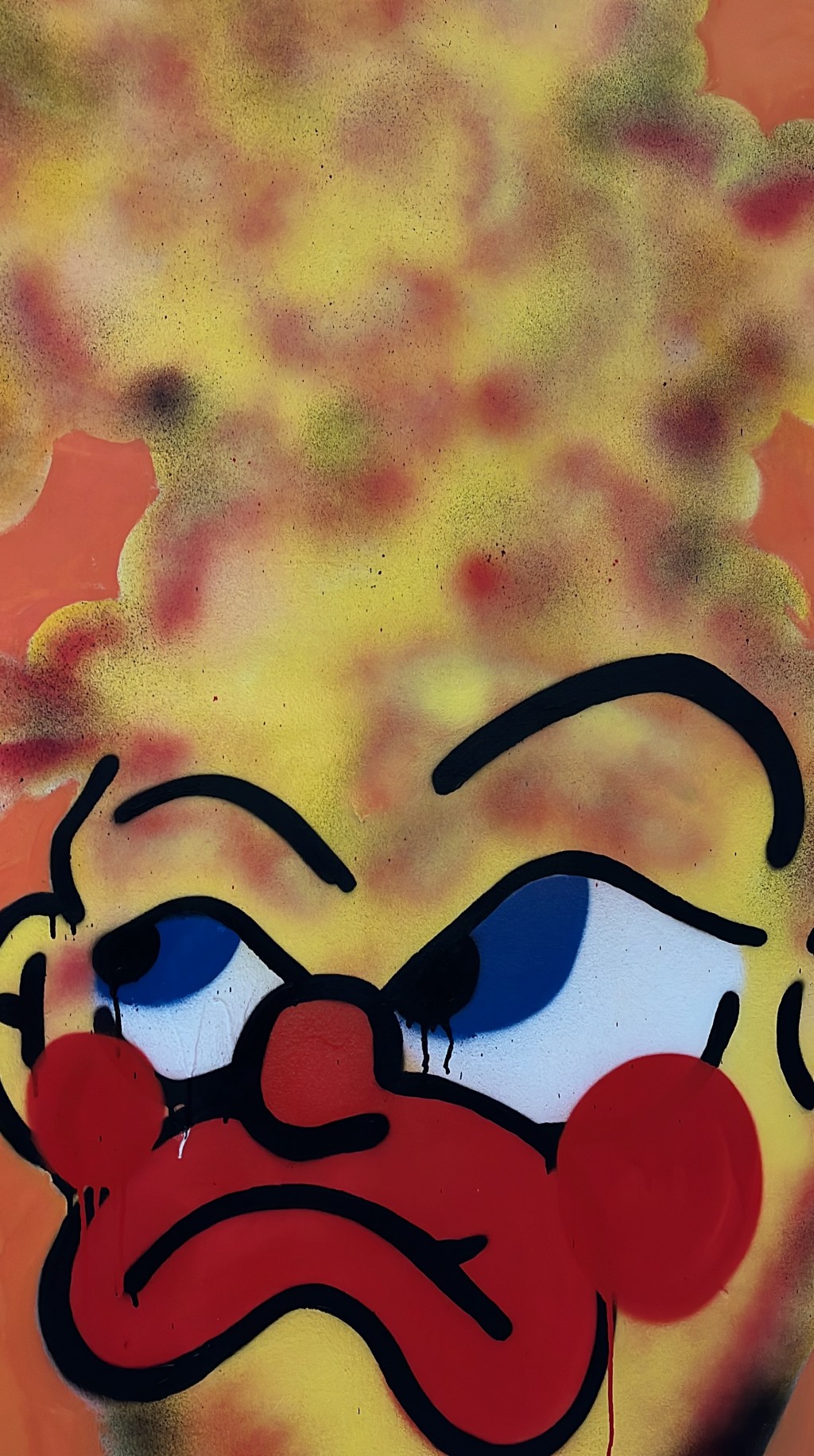
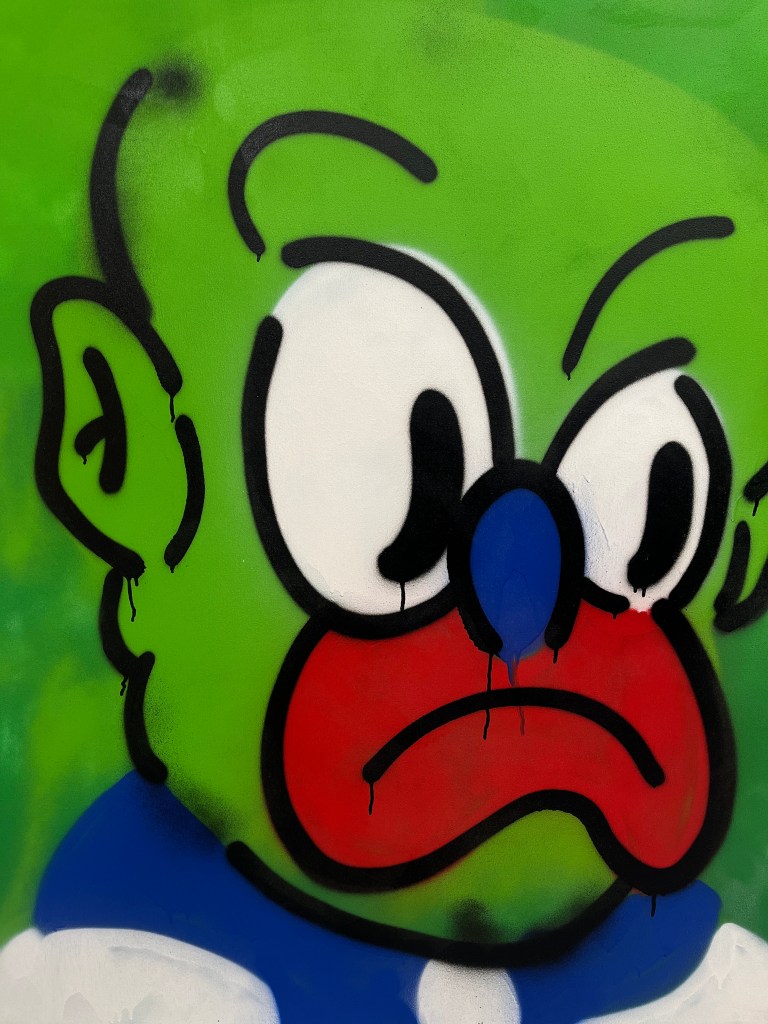
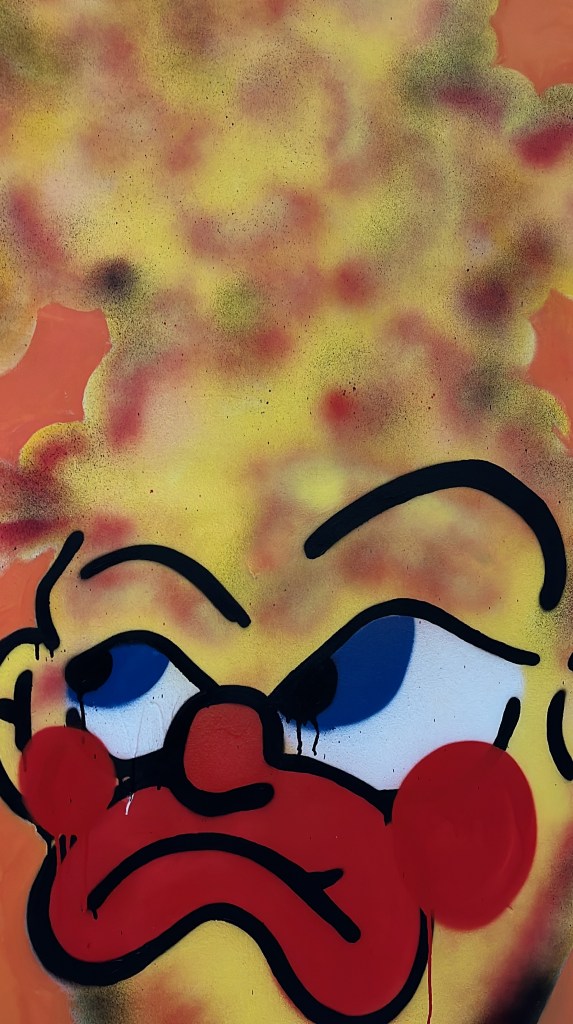
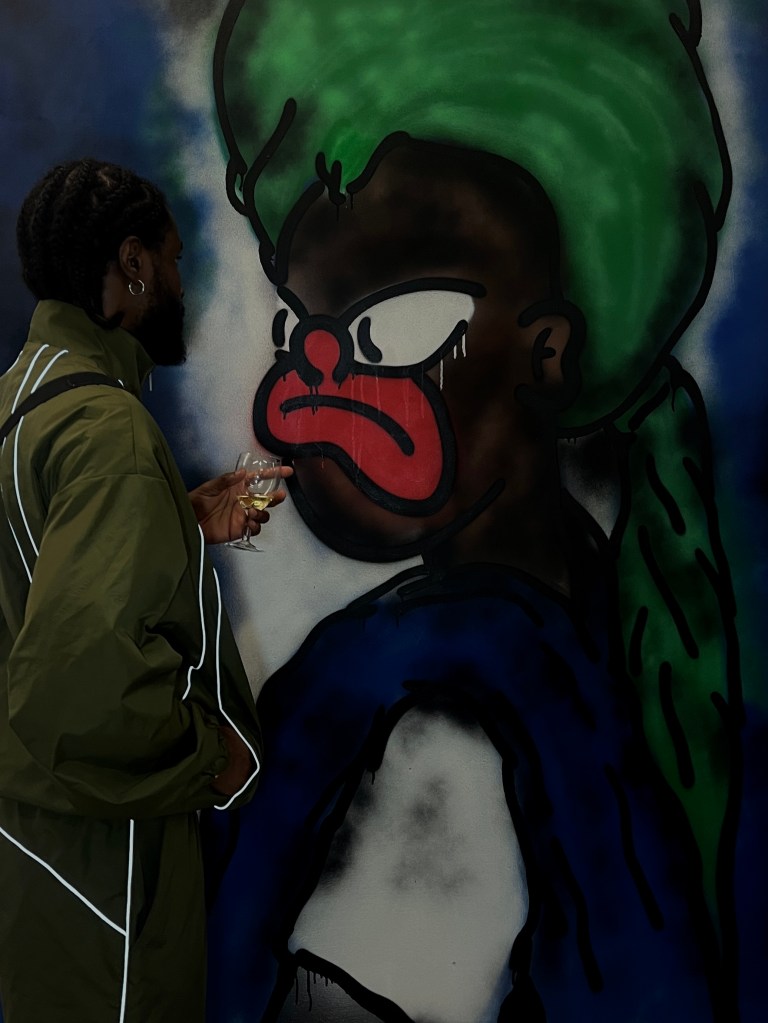
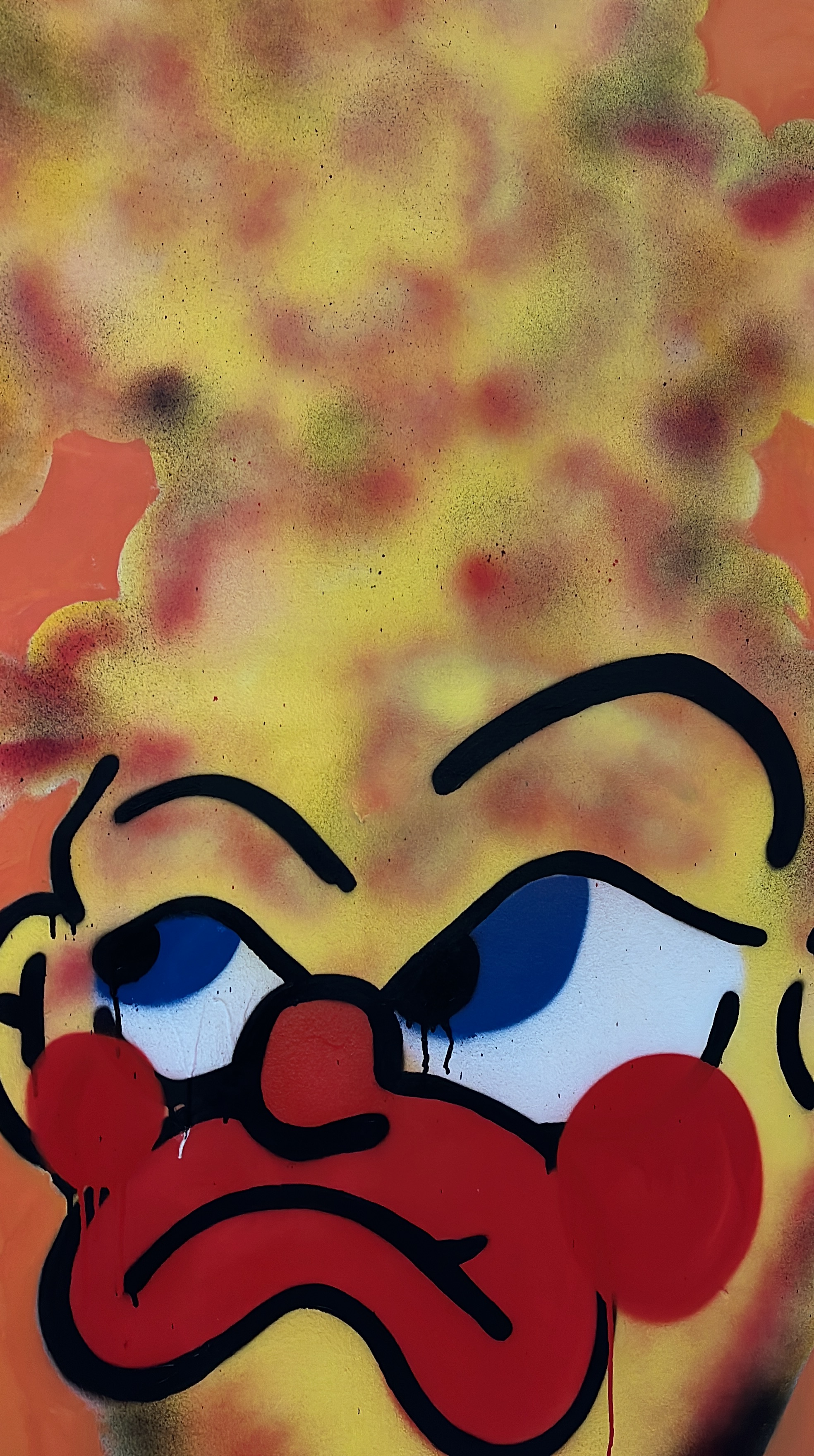
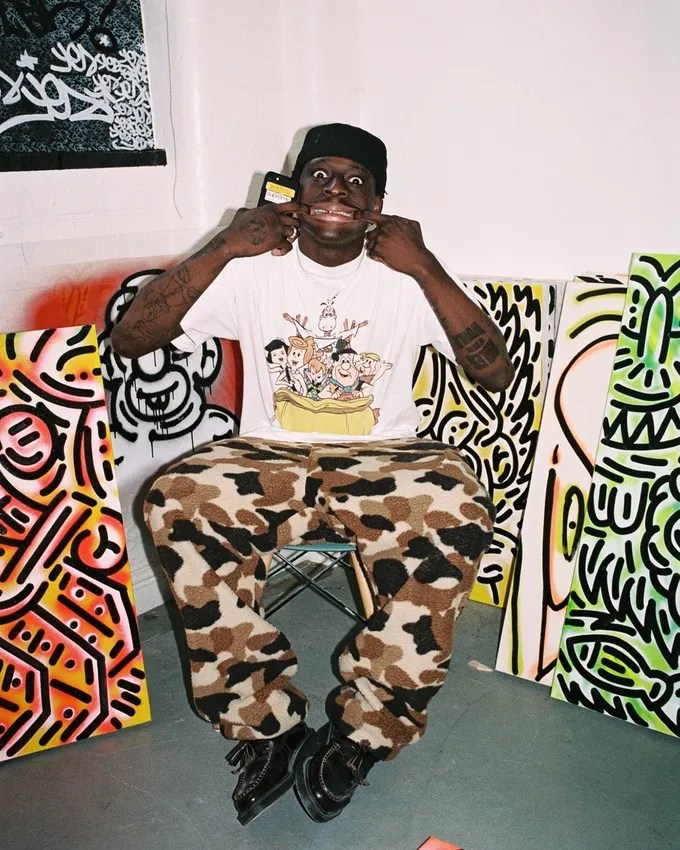
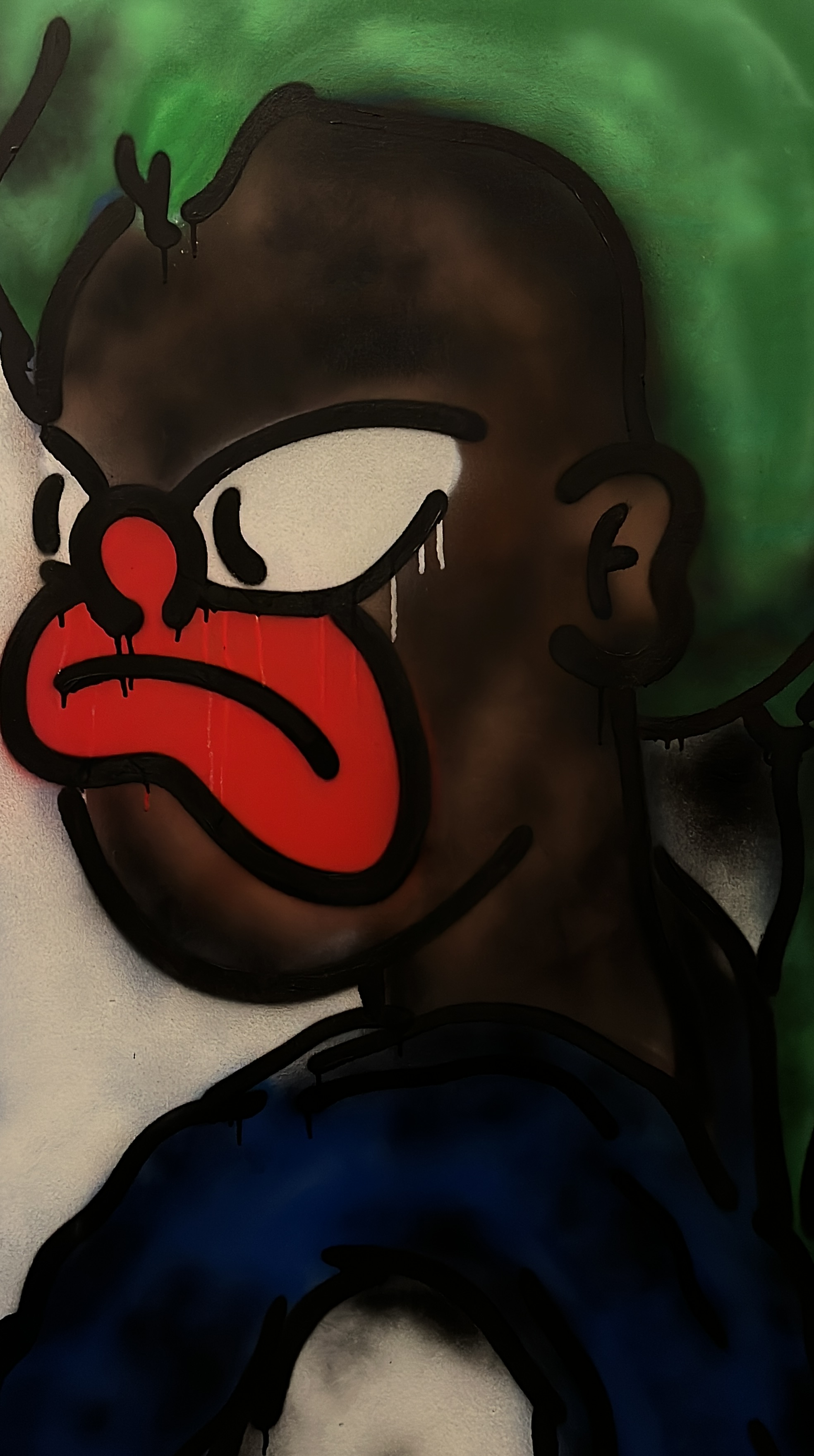
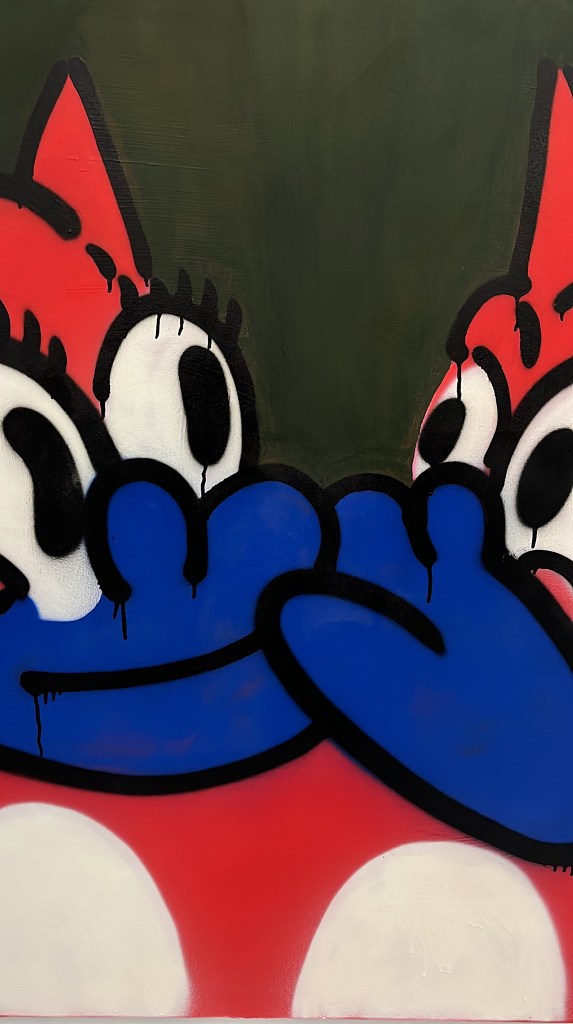
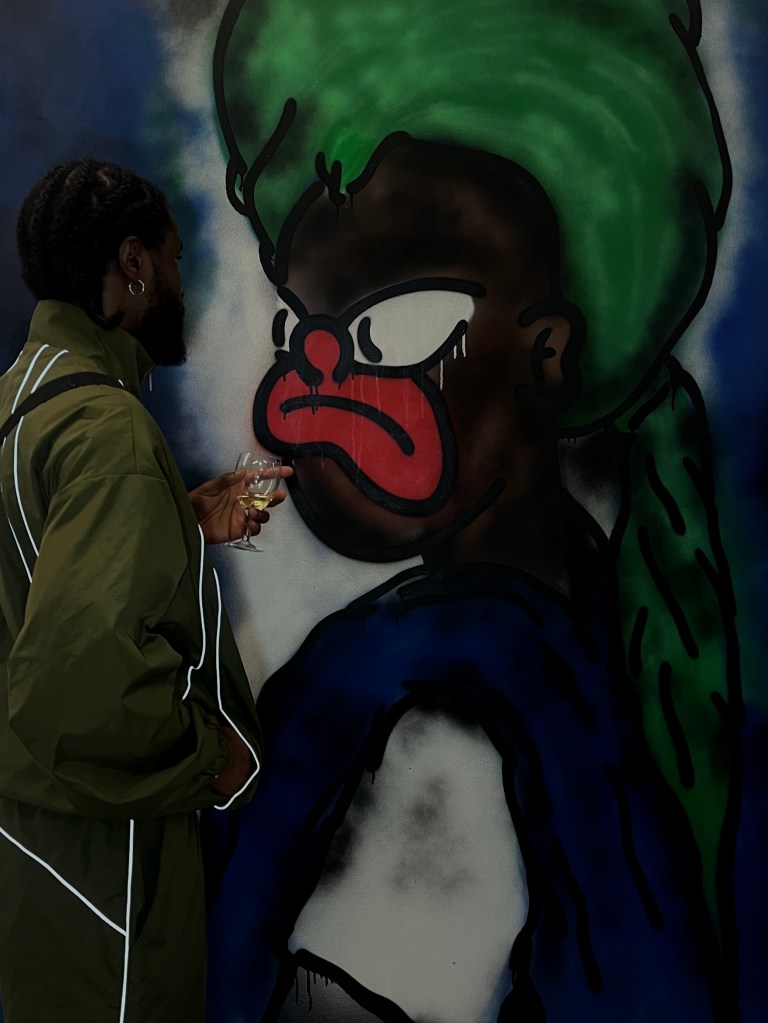
    Let’s talk about Slawn—Olaolu Slawn, the London-based Nigerian artist who’s flipping the art world upside down and making it look easy. Yesterday, the man had his biggest show yet at Saatchi Yates, and to say it was a monumental moment feels like an understatement. It was more than just an exhibition; it was a cultural event. People flocked to the gallery, rubbing shoulders with creatives, collectors, and casual onlookers alike, all eager to witness history in the making.

    On his X bio, he claims “my paintings are shit,” and on Instagram, he writes, “I’m not an artist, I paint like a 6-year-old.” And honestly? That’s a damn lie.

    But let’s cut to the chase: Slawn is a liar. Bold statement, right? But don’t take it from me, he says it himself. On his X bio, he claims “my paintings are shit,” and on Instagram, he writes, “I’m not an artist, I paint like a 6-year-old.” And honestly? That’s a damn lie. A big one. In fact, it’s the most outrageous lie ever told in the art world. Slawn, you’re lying to us—and you’re doing it with a sly grin on your face because deep down, you know the truth: you’re a genius.

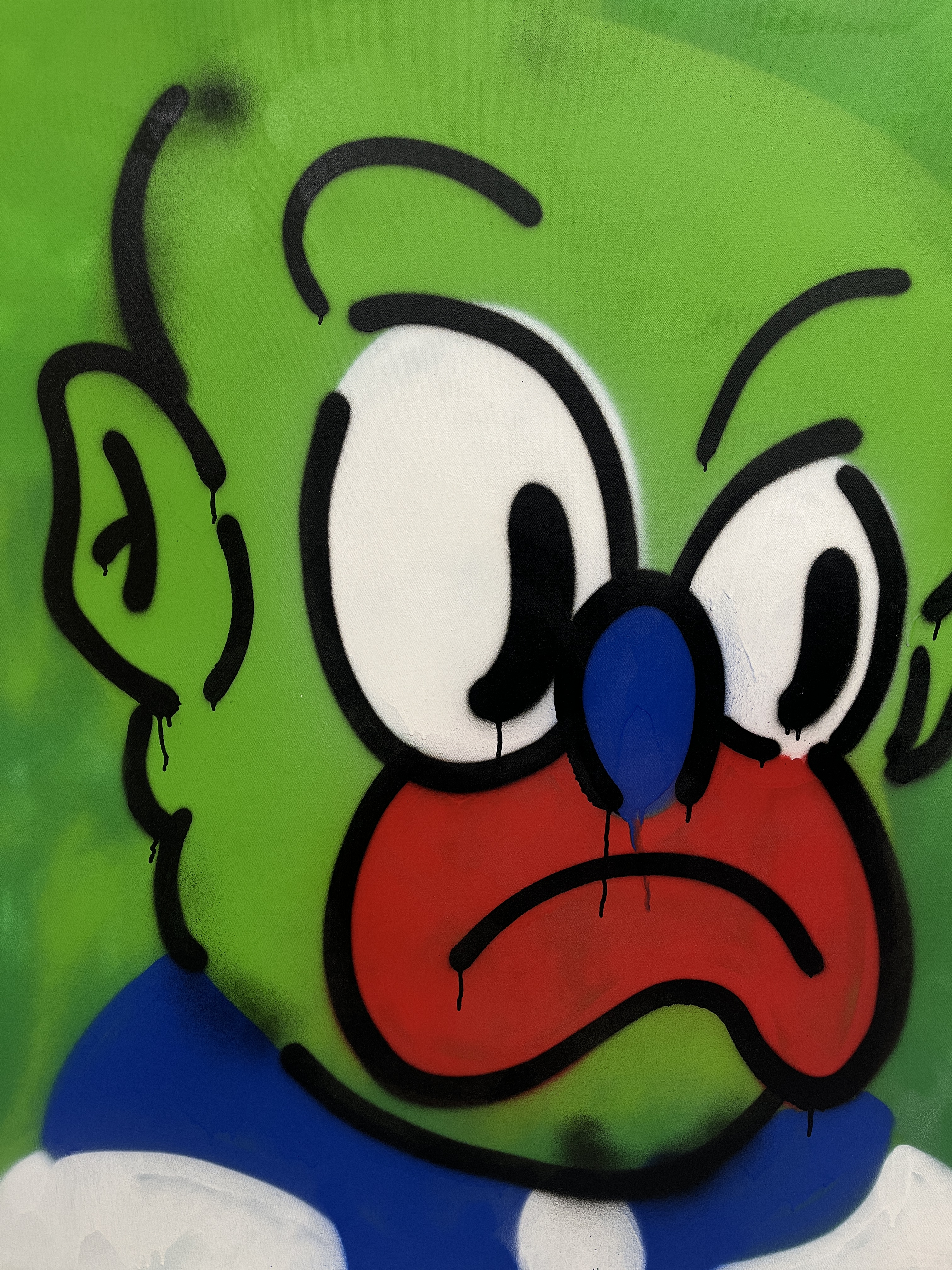
    You see, Slawn’s art isn’t the work of someone stumbling through the creative process. His canvases aren’t just random splashes of color thrown together for shock value. No, his art is a calculated storm—a blend of chaos and precision that takes true mastery to pull off. Every brushstroke feels like it’s fighting for space on the canvas, yet somehow it all works together. His use of form, shape, and texture invites you into a world where disorder is actually the language of order. His pieces are layered with meaning, and you feel it as soon as you stand in front of them.

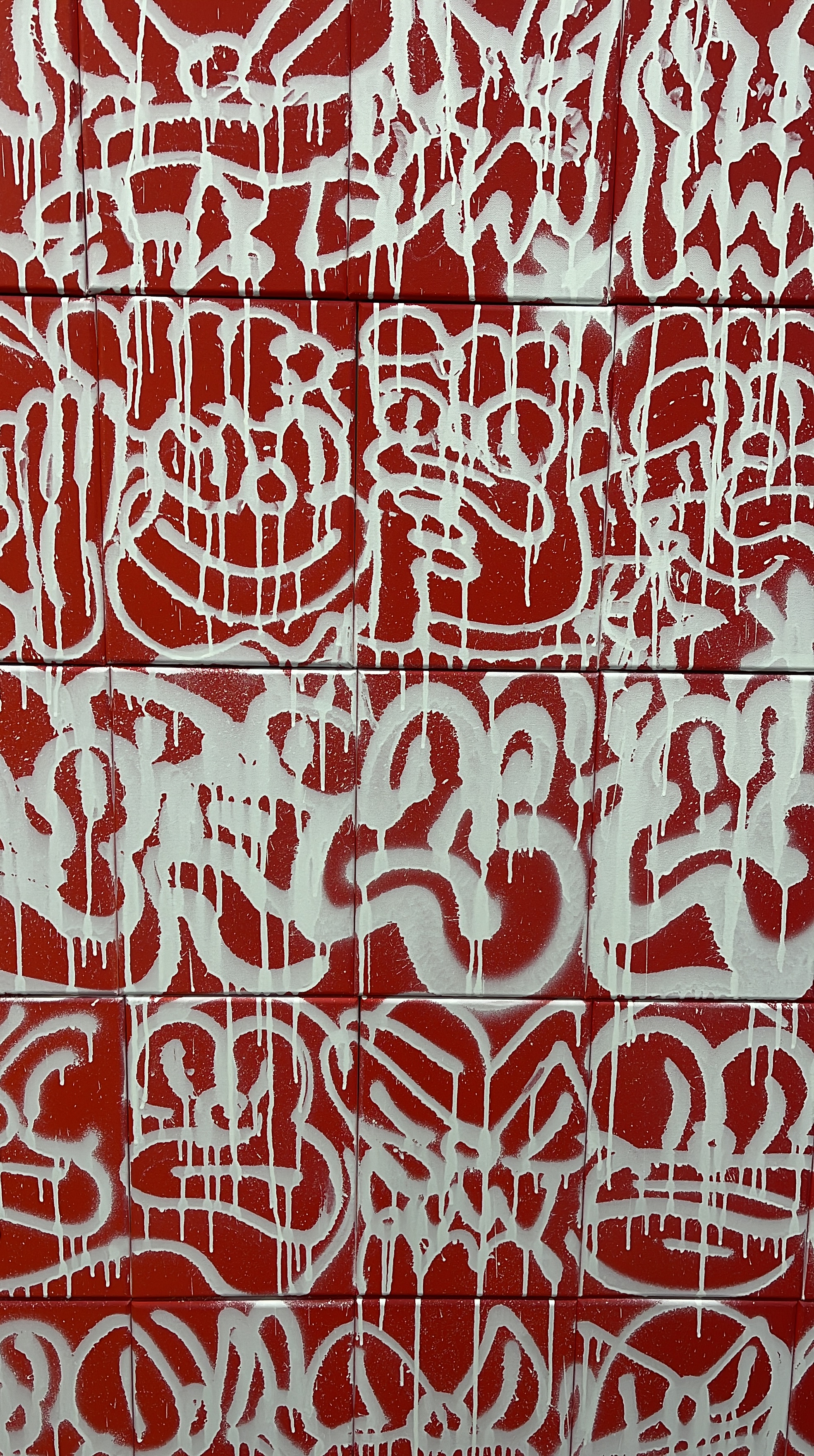
    Take, for instance, his self-proclaimed Nigerian Aunty series—a collection that commands attention with bold strokes and larger-than-life figures. It demands a canvas as massive as its cultural relevance. Then there’s the audacity of his “1000 Canvas” piece—where he lets small canvases converge to form something colossal, like individual brushstrokes creating an entire universe. This is intentional art; this is the kind of creative engineering that doesn’t come from a so-called “6-year-old.”

    And let’s talk about his technique for a second. Slawn’s work may appear erratic, almost whimsical at first glance, but every detail has purpose. He’s obsessed with perfection. Faces emerge from what seems like randomness, objects are reimagined and distorted in ways that challenge our perception of reality. Even his choice of canvas sizes isn’t arbitrary—it’s about creating visual dynamics that make you stop, look closer, and think harder. You’re not just viewing art; you’re entering a dialogue with it.

    But what makes Slawn even more fascinating is his role as an icon for the next generation. At his exhibition, you could spot kids in the crowd, eyes wide and filled with dreams, looking at him like a living legend. It’s not just about the art he’s creating—it’s about the movement he’s inspiring. These young, hungry minds see themselves in Slawn, a Nigerian-born artist making it big in the world’s most elite galleries. You can practically feel the birth of a new creative movement brewing, one where Slawn stands as the blueprint.

    And yet, despite all of this—despite the genius, despite the iconic work, despite the inspiration he’s sparking—Slawn still finds time to be a family man. Behind all the paint and the madness is a husband and father, a man who somehow balances creating mind-bending art with raising a family. This isn’t just some dude tossing paint on a canvas for Instagram likes; this is a fully-rounded human being who embodies what it means to thrive in both personal and professional realms. And if that weren’t enough, Slawn is a sharp businessman too. His art may speak in abstract, but his business game? Crystal clear.

    ” I would like to say at this point i was only admiring the art and it’s okay to admit this was my fave piece cos i kept coming back to it. ”

    So, here’s my message to Slawn: keep lying. Keep telling us you’re not an artist, that your paintings are “shit,” because each lie is a masterstroke. With every self-deprecating comment, you’re quietly rewriting the rules of what it means to be a creator in today’s world. You’re showing us that art doesn’t have to be about pretension—it can be about raw, unfiltered expression. You’re proving that you don’t have to fit into a neat little box to be great.

    Keep lying, Slawn, because the world needs more liars like you—artists who dare to challenge conventions, inspire new generations, and redefine what’s possible. The future is bright for you, and if anyone’s still doubting that, they’re not paying attention. We’re witnessing history with every stroke of your brush. And trust me, we’re all here for it.

    Rating: 1 out of 5.