Tag: news

  • The Ego-Less Handshake in Afrobeats

    The Ego-Less Handshake in Afrobeats

    Written by: Abdulmuqsit Idowu
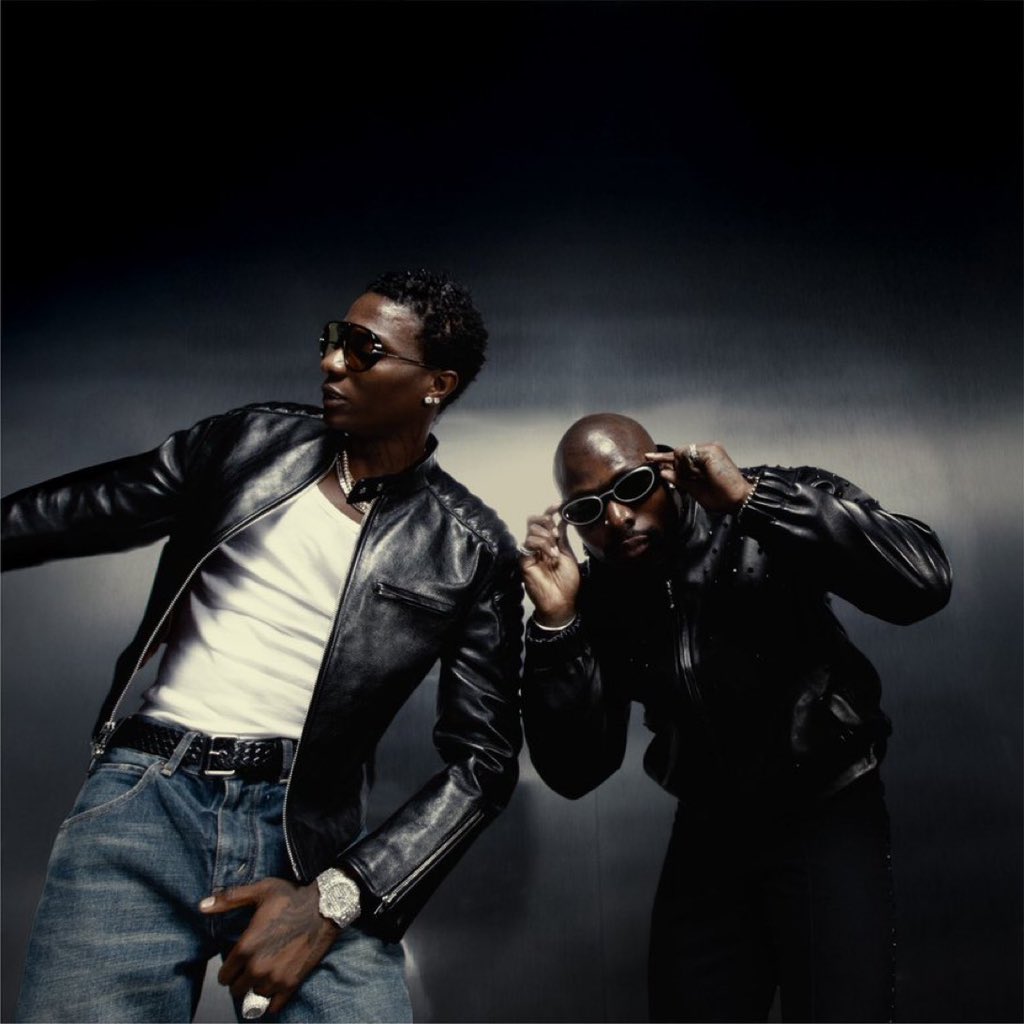
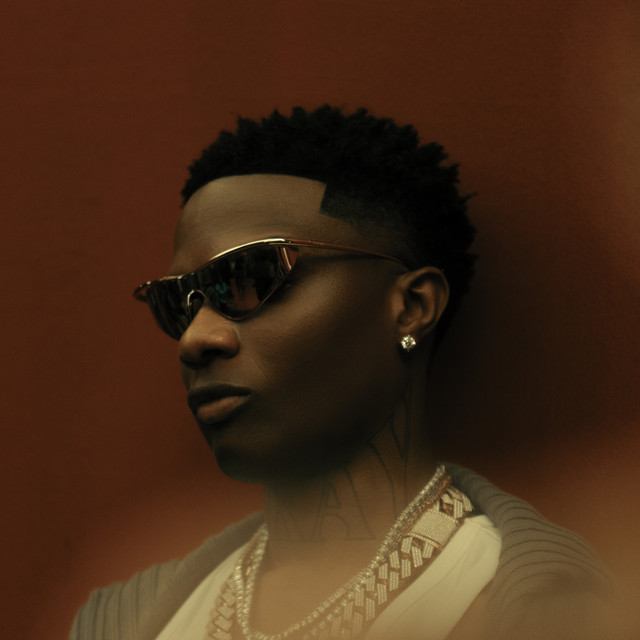
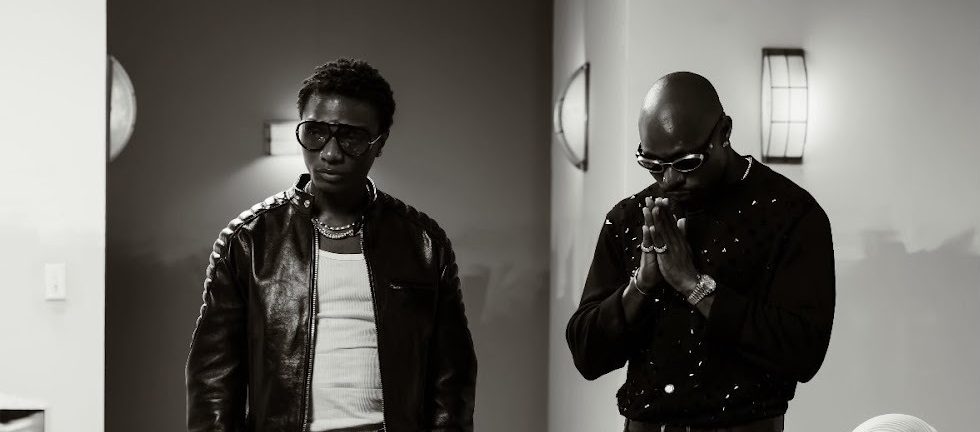
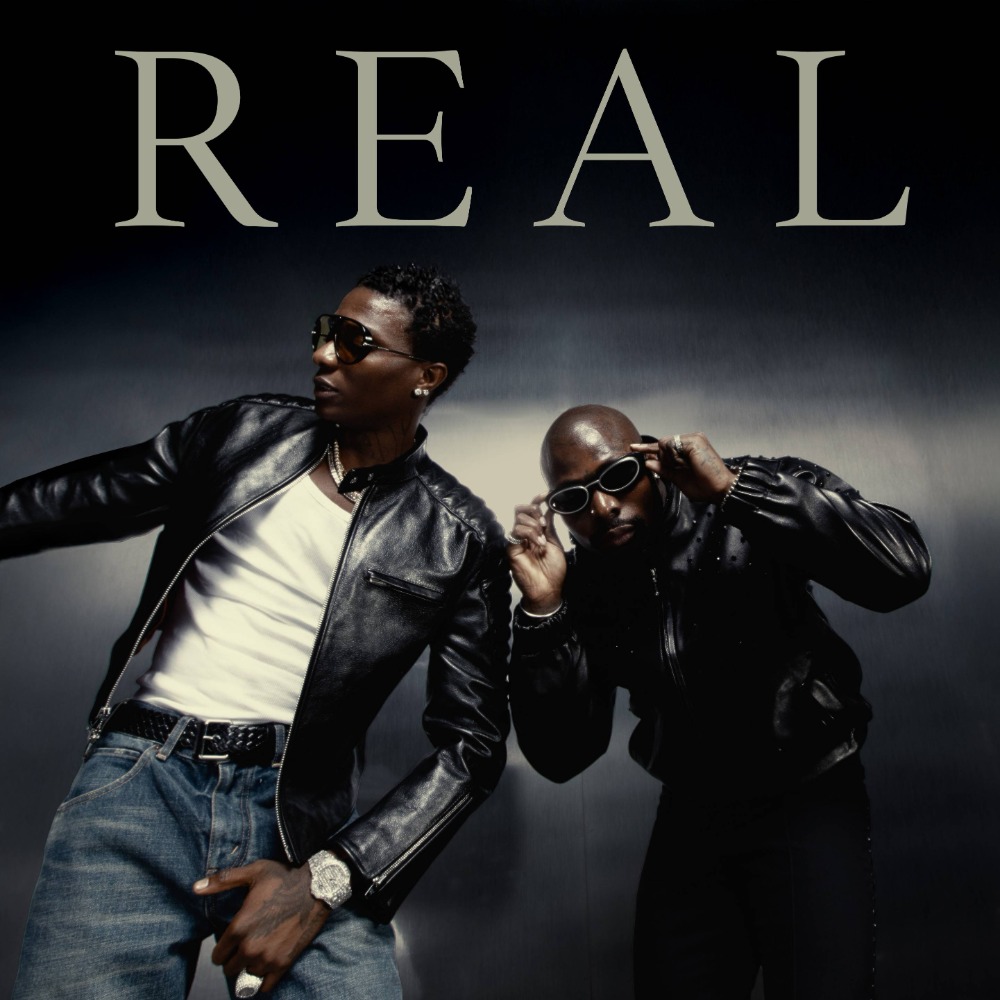
    There is a specific kind of electricity that hits the timeline when a massive joint project is announced. It feels different from a solo album rollout; while a solo body of work is a statement of self, a joint project is a high-stakes conversation—and honestly, it’s the ultimate ego-check. Right now, it’s time for Real Vol 1 from Wizkid and Asake, which in all senses we are incredibly lucky to be getting. In an industry often paralysed by “Who is bigger?” and “Who has more streams?”, seeing the architect of the 2010s global run trade verses with the undisputed landlord of the 2020s is a massive win for the culture. It’s a refreshing outlier, proof that when the music is right, the generational gaps and the towering egos simply take a backseat.

    I’ve always felt that the African music landscape finds its greatest strength in these rare, concentrated collisions. Unlike a standard feature—where an artist just “pops in” for a quick 16 bars, a joint project requires building an entirely new world. We saw this tectonic shift back in 2015 with Olamide and Phyno’s 2Kings. That wasn’t just an album to me; it was a cultural treaty. Seeing the King of the West and the Eze Nnunu of the East shake hands on a full-length record told the streets of Lagos and Enugu that we were all on the same frequency. It proved that our local dialects weren’t only “indigenous”—but the main event. If you want to talk about drama-turned-classics, we have to look at Bnxn and Ruger’s RnB. For years, we watched them trade subs on Twitter over “solo hits” vs “features” and who had the better numbers. Then, out of nowhere, they hopped on a flight, sat in a room, and knocked out a seven-track EP in just three days. Sonically, it’s a masterclass in chemistry—Bnxn’s “velvet and honey” hooks meeting Ruger’s gritty, dancehall-inflected delivery. It transformed a public rivalry into a shared victory lap that solidified proving that an alliance will always be more powerful than an enemy.  

    The impact of these alliances often dictates the very “vibe” of our lives for years. Think back to the mid-2010s when the energy between Nigeria and Ghana was at its peak. Those collaborative efforts between the likes of Mr Eazi and Juls literally slowed down our heartbeats. They took us from the frantic dance steps of the early 2010s into a smooth, “Pon Pon” highlife-infused era that had everyone leaning back in the club instead of sweating through their shirts. These projects are like the secret R&D labs of Afrobeats; they test the sounds that eventually become our personality for the next three Decembers.
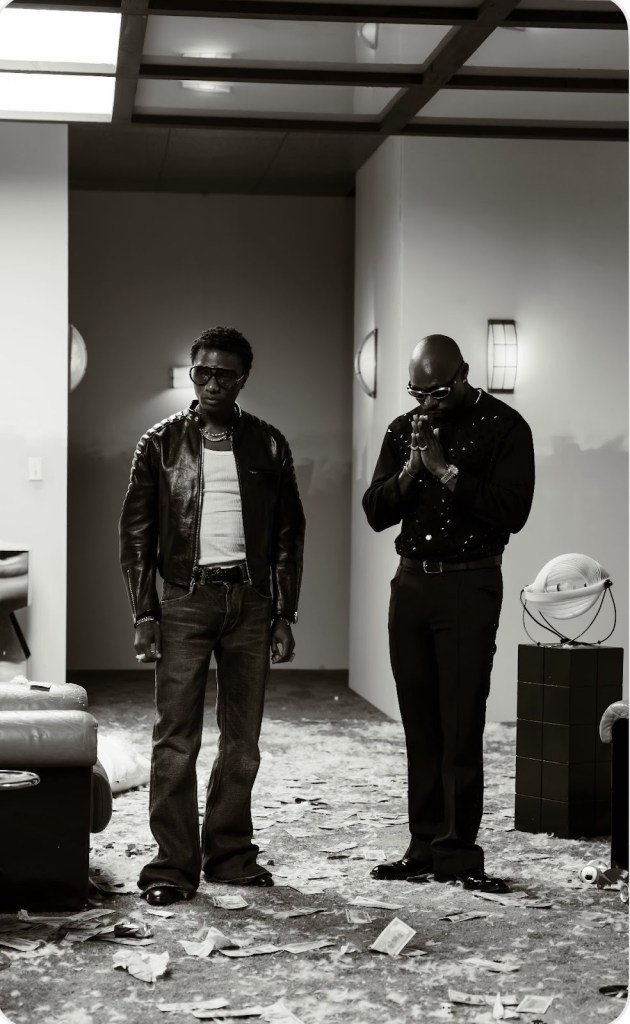
    What really gets me excited about Real Vol 1 is the “coronation” factor. When a titan like Wizkid shares the marquee with a force like Asake, it’s the ultimate flex of confidence. Wizkid has mastered this polished, “expensive” minimalism that feels like a chilled glass of wine on a private jet. Then you have Asake, whose sound is like a frantic, beautiful Lagos rush hour—choral, urgent, and deeply rooted in Fuji. Watching these two sonic worlds collide is fascinating because it’s a handshake between the veteran’s poise and the newcomer’s hunger, plus you could tell both of them genuinely enjoy each other’s company. Remember the “big brother, small brother” energy that completely took over our feeds some months back, seeing them buddy up on their Apple Music radio takeover and joke around for Instagram’s Close Friends Only series made the internet pause a little from stan wars, but enjoy a lovely, wholesome environment, maybe i’m living in a bubble who knows, but it’s rare to see that level of unfiltered love in such a high-pressure industry, and it makes the music on the project feel so much deeper knowing it comes from a place of actual friendship. 
    Ultimately, these bodies of work remind us that we’re part of a continuum. In an industry where everyone is constantly fighting for a singular crown, the joint project is that rare moment where two giants decide the kingdom is better served by a shared vision. It’s a bridge between the legends we grew up with and the superstars we’re stanning today. I don’t see this as a new tracklist or just another collaboration; we’re witnessing a legacy being reinforced in real-time, and I for one am just happy to be here for the ride.
  • When Whispers Turn Deadly: Burner Accounts and the New Afrobeats Drama

    When Whispers Turn Deadly: Burner Accounts and the New Afrobeats Drama

    By Femi Bakinson

    Burner accounts are anonymous or fake social media profiles used to share opinions, spread gossip, or leak private information without revealing the person behind them. Unlike official artist pages, they operate in the shadows, often dropping “receipts,” screenshots, or unverified claims that fuel speculation. In fan cultures worldwide, from K-pop to hip-hop, burners have become a powerful tool to shape narratives. In Afrobeats, they’re now central to how drama unfolds, bypassing labels, PR teams, and sometimes even the artists themselves.

    The Afrobeats industry has always thrived on whispers. Rumors of collaborations, secret studio sessions, and private fallouts often travel faster than the songs themselves. But in today’s digital era, whispers don’t stay whispers for long, they morph into screenshots, burner accounts, and viral threads. This new rumor economy is reshaping the culture in real time.

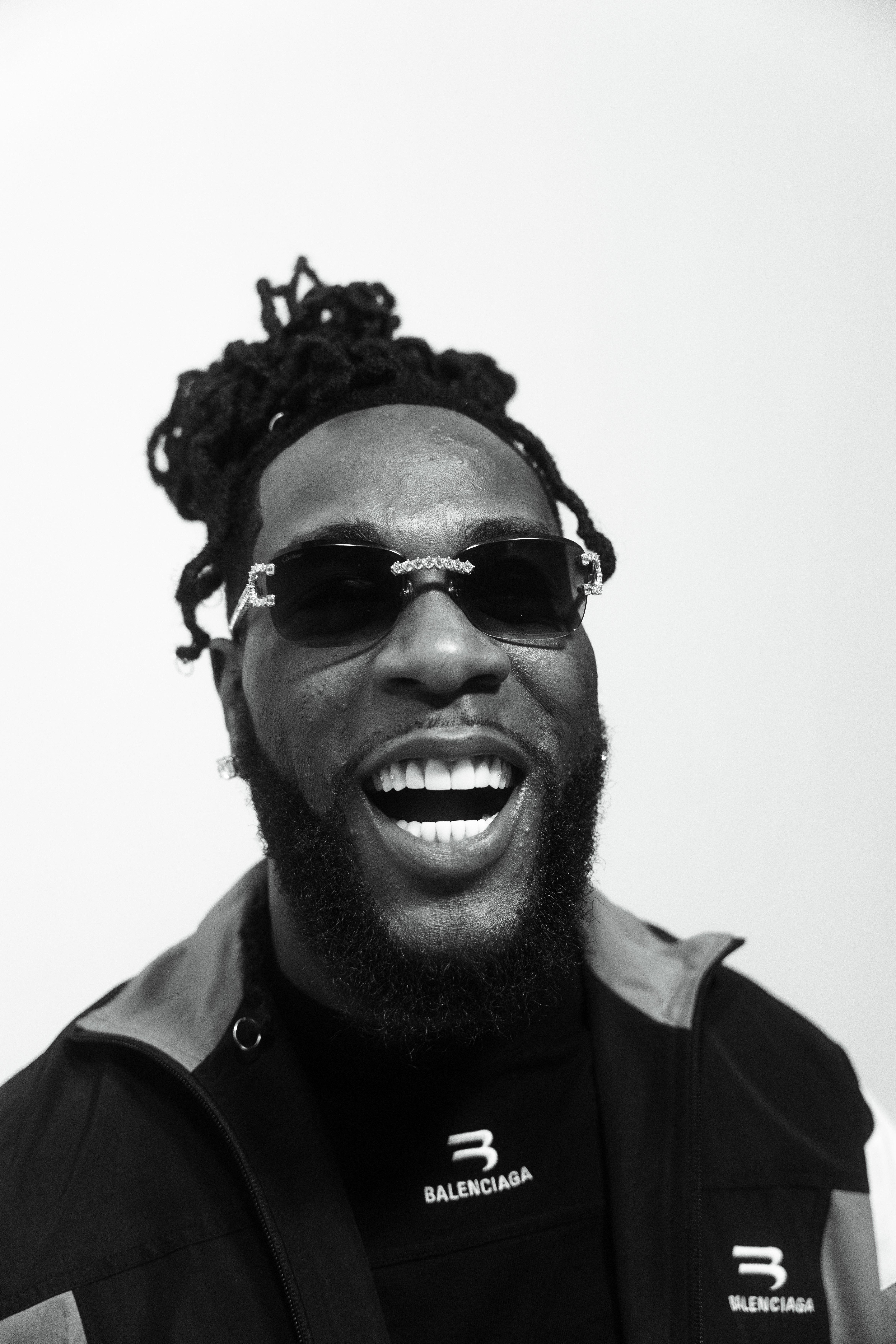
    The recent controversies involving Omah Lay and Rema, and the never-ending Burna Boy and Wizkid rivalry, are prime examples of how a culture of anonymous leaks and unverified revelations is reshaping not only fan conversations but also the reputations of some of Afrobeats’ biggest stars.

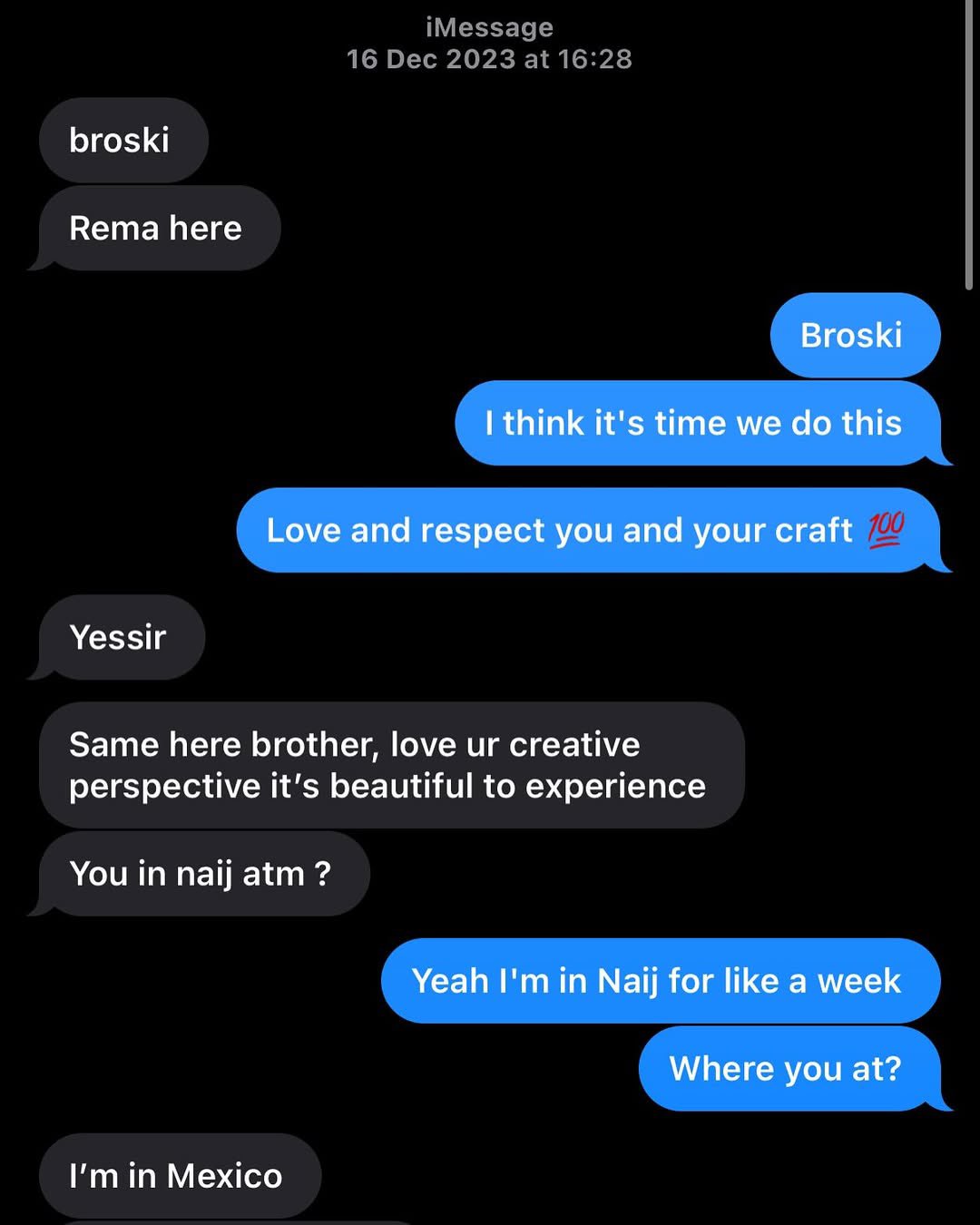
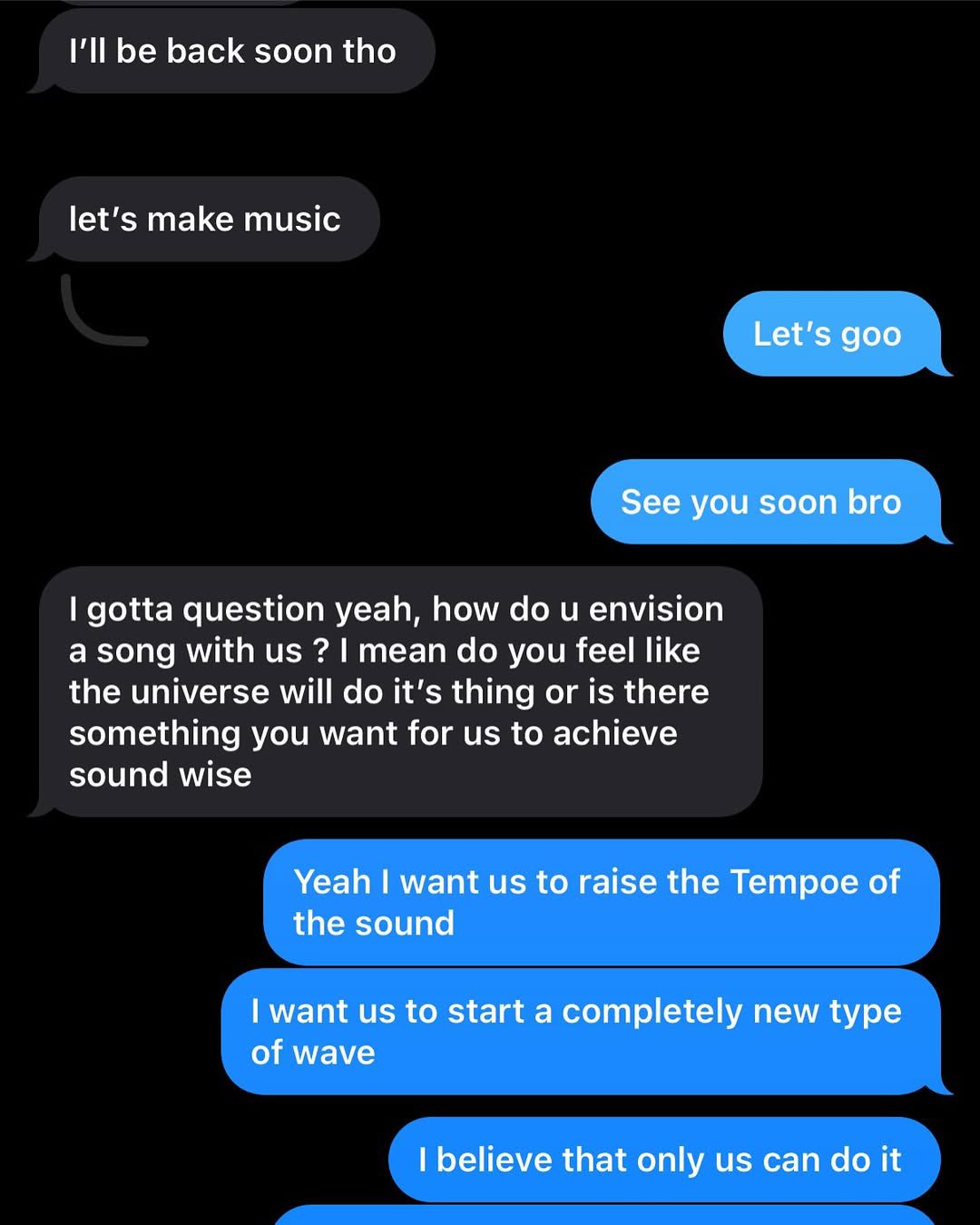
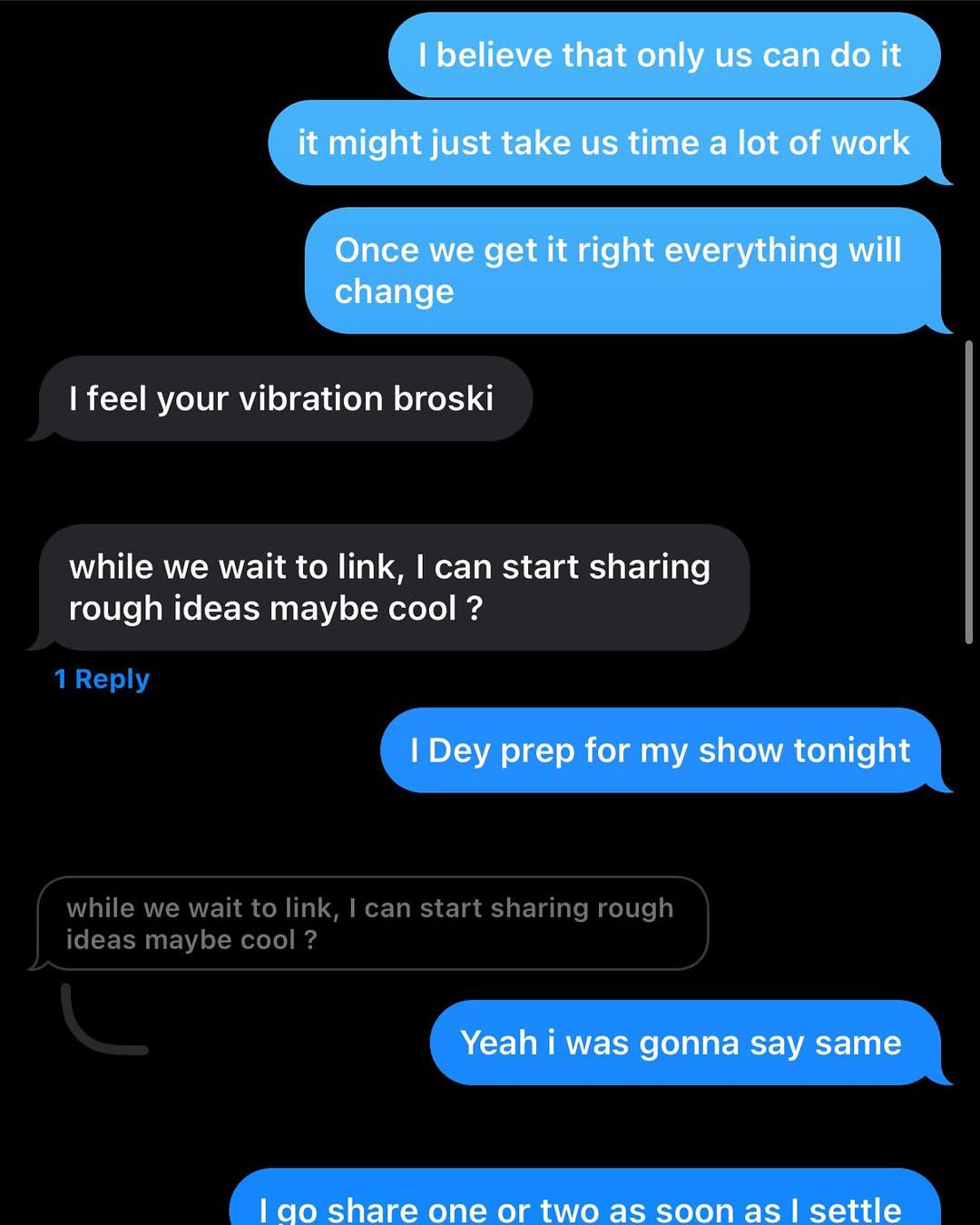
    Earlier this month, screenshots allegedly from a burner account linked to Omah Lay began circulating online. The account, which had operated under the handle “Story of an Angel,” posted iMessage chats that appeared to show Omah Lay sharing an album concept with Rema back in 2023, an idea that, months later, seemed to resurface in Rema’s own project. What made fans believe this anonymous account was connected to Omah Lay were subtle clues: the account’s intimate knowledge of his creative process, posting patterns that aligned with his public statements, and a writing style that mirrored his previous social media presence. The validity of the chats has not been confirmed, and neither artist has publicly addressed them. Yet that hasn’t stopped the story from dominating headlines, fueling debates about creativity, trust, and betrayal in the music industry.

    Similarly, the Burna Boy and Wizkid dynamic has long been amplified by anonymous accounts and whispered claims. From subtweets to alleged burner accounts dropping “receipts,” their rivalry thrives on ambiguity. Even when neither artist speaks directly, “stans” and blogs seize on fragments, turning them into narratives that dominate timelines. The absence of confirmation only deepens speculation, as silence is reinterpreted as strategy.

    This is the peculiar power of burner accounts: they bypass traditional gatekeepers i.e the labels, PR teams, even the artists themselves and deliver raw claims straight into the bloodstream of fan culture. With one post, they can tilt the narrative, turning speculation into per deceived truth. And because these accounts are anonymous, there is little accountability if the claims turn out to be false. The court of public opinion moves faster than facts.

    The stakes extend far beyond hurt feelings. In an industry where global streaming numbers, international collaborations, and brand endorsements can make or break careers, reputation damage can translate into real financial losses. When whispers suggest an artist has stolen concepts or betrayed collaborators, it doesn’t just affect fan perception, it can influence label executives, booking agents, and potential collaborators making decisions worth millions of dollars. This raises a difficult question: how much weight should we give to revelations that emerge in this way? On one hand, burner accounts and leaked screenshots can sometimes expose real injustices whether unpaid royalties, broken promises, or unacknowledged collaborations. They provide fans with an insider’s view of an industry that often operates behind closed doors. On the other hand, they also create fertile ground for misinformation, where private tensions are amplified into public scandals before anyone has had a chance to verify the details.

    The result is an environment where reputation is increasingly fragile. An artist can wake up to find years of work overshadowed by a screenshot, with no way of proving or disproving its authenticity. Even silence becomes risky. If Omah Lay and Rema remain quiet, fans will interpret that silence as confirmation. If Burna Boy or Wizkid ignore burner chatter, their fanbases fill the vacuum with competing interpretations. In a culture dominated by leaks, the narrative is rarely controlled by the people at the center of it.

    Burner culture also changes the relationship between fans and artists. Afrobeats audiences are no longer passive listeners; they are detectives, piecing together timelines from tweets, interviews, and leaked messages. The fandom becomes a whisper network of its own, feeding on half-truths and speculations, sometimes with more energy than the music itself. This dynamic can be exciting, creating a sense of insider knowledge and community among fans. But it can also be corrosive. When gossip outpaces art, the focus shifts from creativity to controversy.

    This pattern isn’t entirely unique to Afrobeats, hip-hop has long featured diss tracks and public feuds. But where traditional rap beefs played out through official releases and public statements, Afrobeats drama increasingly unfolds through anonymous accounts and unverified leaks, making it harder to separate performance from genuine conflict, strategy from spontaneous emotion.

    The irony is that Afrobeats is entering its most professional era yet, artists are signing global deals, filling stadiums, and charting internationally. But beneath this polished surface, the machinery of gossip is more chaotic than ever. In many ways, burner accounts represent the growing pains of an industry that is both local and global, informal yet professional. They expose the gaps between how the industry is managed publicly and how it operates privately.

    Finding Balance in the Noise

    What is needed now is balance. Fans should be cautious in how much they elevate unverified claims, understanding that screenshots can be fabricated and anonymous accounts may have ulterior motives. Media outlets must resist the temptation to treat every screenshot as gospel, remembering that the pursuit of clicks cannot come at the cost of fairness. And artists themselves need to adapt, understanding that in an era of leaks, transparency and proactive communication may be the only way to stay ahead of the rumor mill.

    At its best, the whisper network surrounding Afrobeats reflects the passion of its community. It shows how deeply fans care about not just the music but the stories behind it. But left unchecked, it risks becoming a culture that thrives more on suspicion than celebration.

    Burner accounts will not disappear; anonymity has always been a powerful tool for those seeking to share sensitive information without facing direct consequences. What matters is how we, as fans, media, and artists, engage with them. Do we treat them as starting points for discussion, or as final verdicts? The difference may determine whether Afrobeats continues to grow on the strength of its music or becomes trapped in the noise of its own whispers. As the genre reaches new global heights, the industry must decide whether it wants to be defined by its art or its rumors. The whispers will always be there. The question is: are we listening to the right voices?

  • DISCOVERY & DEPTH AT MELTDOWN: KARA AND KONYIKEH TAKE THE PURCELL STAGE

    DISCOVERY & DEPTH AT MELTDOWN: KARA AND KONYIKEH TAKE THE PURCELL STAGE

    One of the underrated joys of festivals — aside from hearing your favourite artists perform your favourite songs — is the discovery. New sounds, new genres, new names that suddenly become unforgettable. That was exactly my experience yesterday at the Purcell Room, tucked inside the Southbank Centre, where I encountered Konyikeh and Kara for the very first time — and I left changed.

    Konyikeh opened the evening with a stripped-down, soul-stirring set accompanied only by her acoustic guitarist. I walked in just as she was performing “Sorrow,” and let me tell you — I felt every word as it poured out of her voice. It was raw, haunting, and incredibly beautiful. There’s a calm confidence in her delivery that holds you tight.

    Then came Kara.

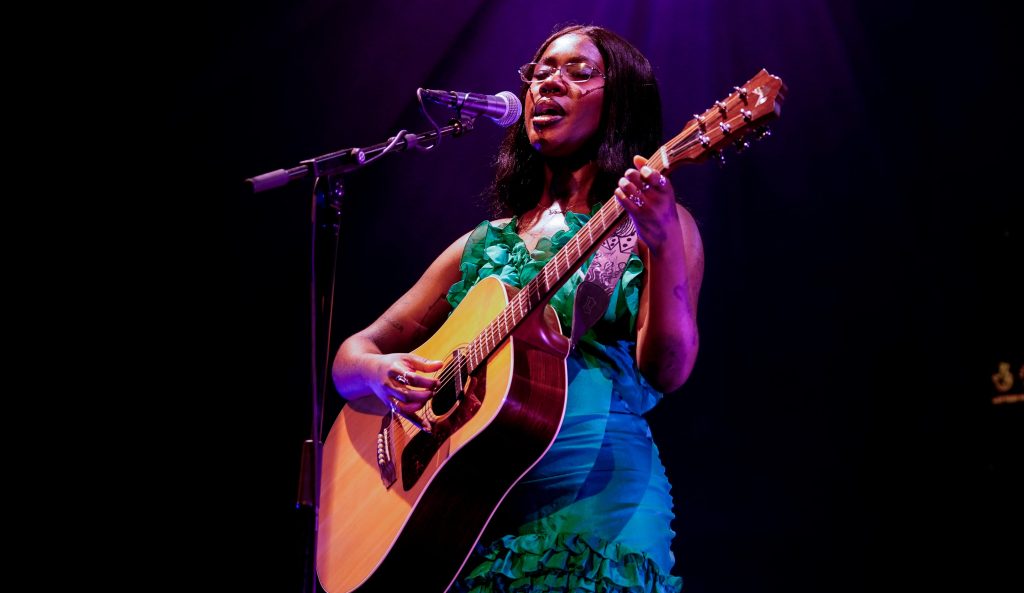
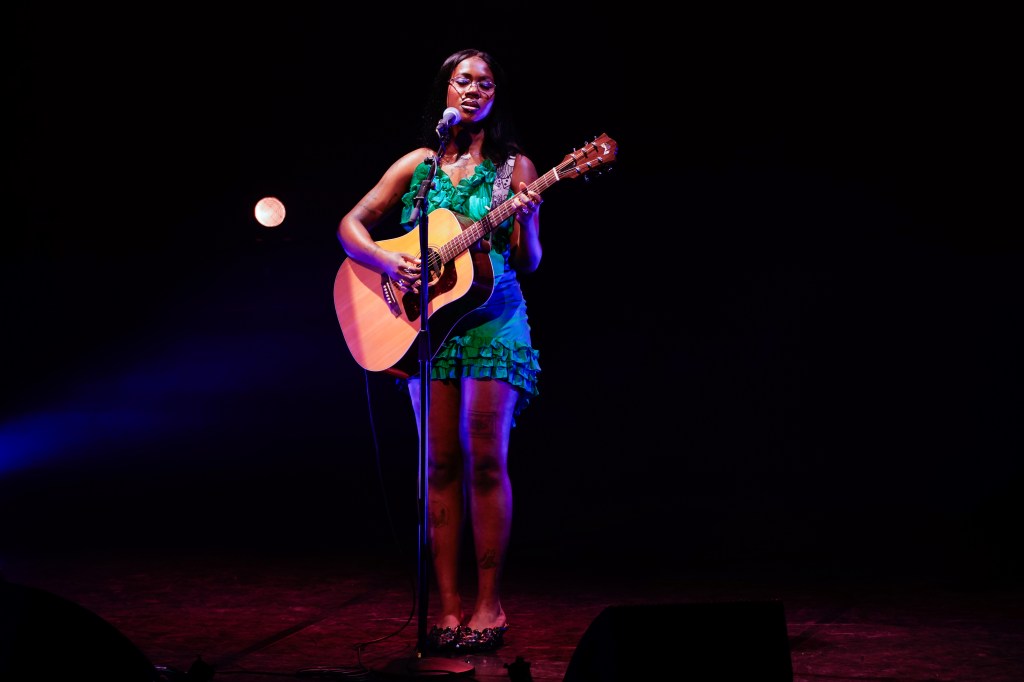
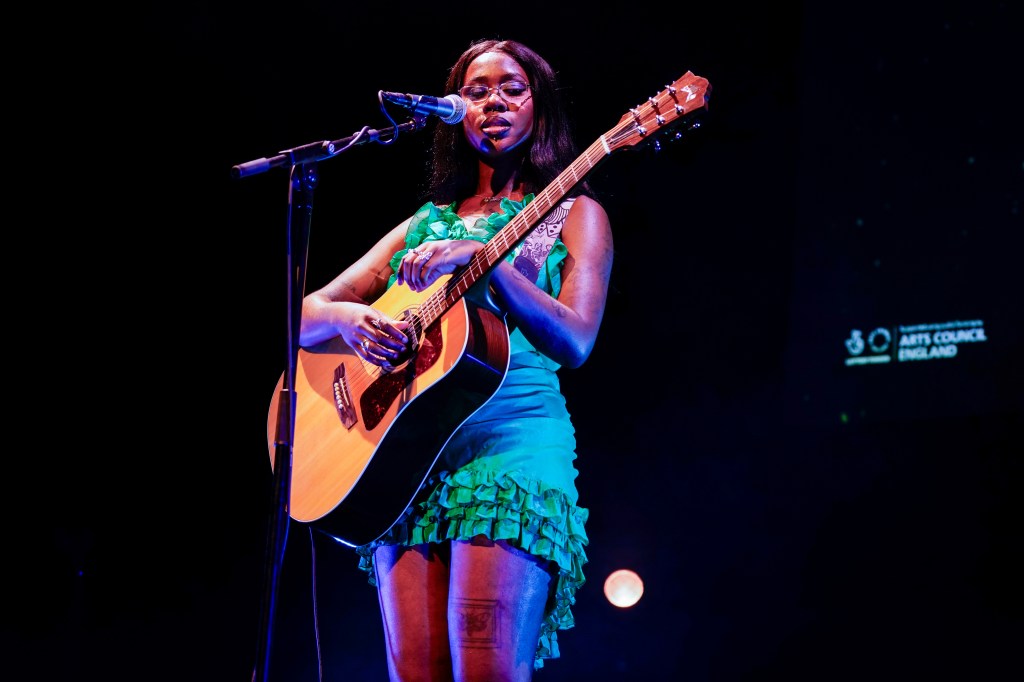
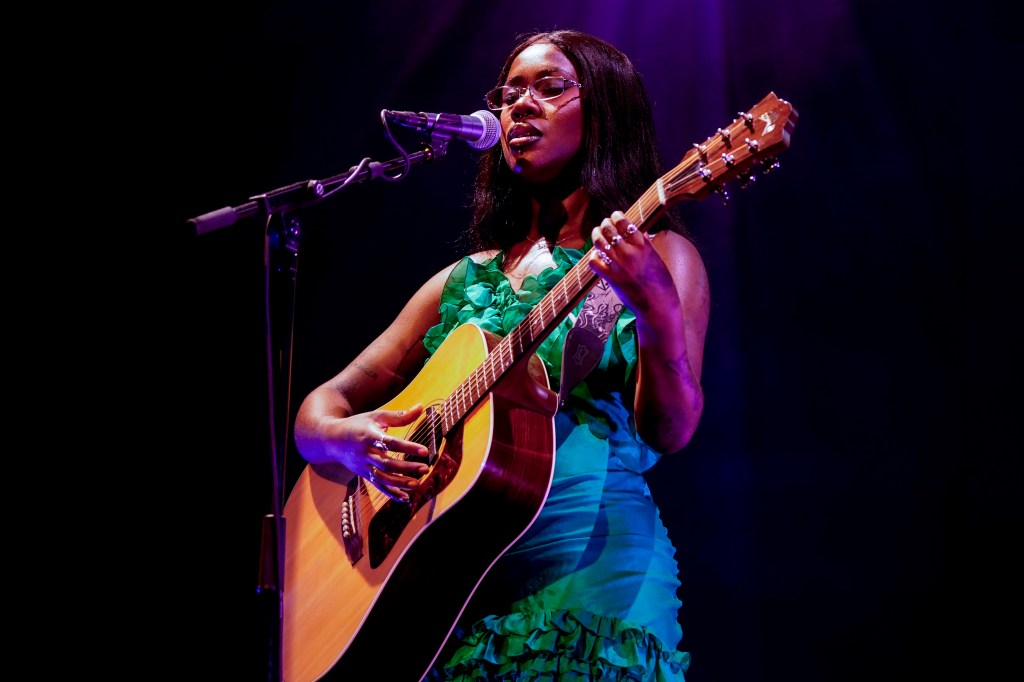
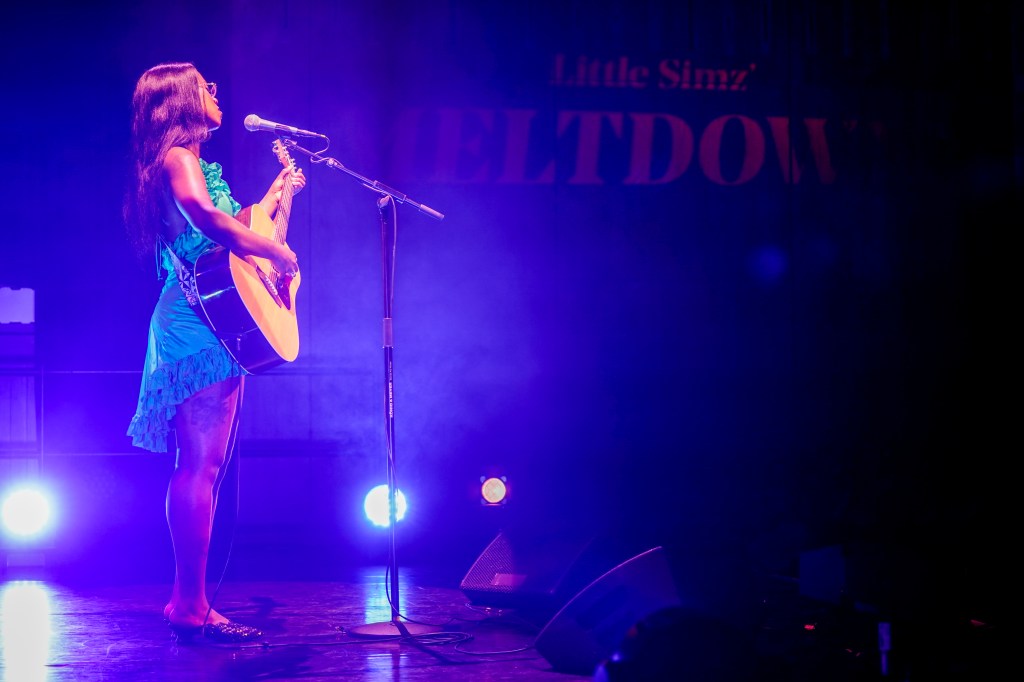
    The hall dimmed. A soft purple strobe lit the stage. Out walked Kara — tall, graceful, guitar in hand, rocking a green dress and small-heeled shoes. She didn’t have to say much; the room was already hers. Her voice — deep, warm, expansive — filled the space immediately as she began her set with “Lil Baby.”

    She performed songs from her latest project, “Why Does the Earth Give Us People to Love?” — including standouts like “Therapy” (a personal fave), “Pawn Show” and more. In between songs, she reflected on writing from as young as 18 and her deep obsession with Amy Winehouse, whose influence was clear in Kara’s own raw, poetic lyricism.

    But Kara wasn’t just soulful, she was real. Between tracks, she cracked jokes in her soft-spoken tone that somehow made us all feel like we were sitting in her living room. She gave a heartfelt shoutout to Little Simz, who curated the Meltdown Festival and brought her to London — even though Kara had promised herself no international flights this year. (I think she’s coming back though… she better!)

    She closed the set with what she playfully called the “most vulgar” track on her project — “Dickhead Blues.” And somehow, even that felt elegant, delivered with confidence, wit and grace.

    For me, this wasn’t just a performance — it was an ushering into the universe of a vocal powerhouse with enigmatic writing and a grounded presence. Kara, if you’re reading this, London is ready for more.