Tag: nollywood

  • Review: My Father’s Shadow Is Not Just a Film — It’s the Story of Us

    Review: My Father’s Shadow Is Not Just a Film — It’s the Story of Us

    A review by Mercy Oluwanisola Akintola.
    The first time someone close to me died, it was my paternal grandmother. According to those around her, there were signs that she was preparing to leave. Her skin started to glow, and she had deep, intentional conversations with her children reminding them to be kind and patient with their father, her husband. Another sign was that my youngest cousin, her last grandchild, turned his back to her for three days before she passed. None of these signs made sense to us at the moment; they only became clear a few hours after she died.The adults in my life said she knew she was going to die, so she prepared everyone the best way she could. If I had  to compare the story of her last days to any film, it would be My Father’s Shadow. 
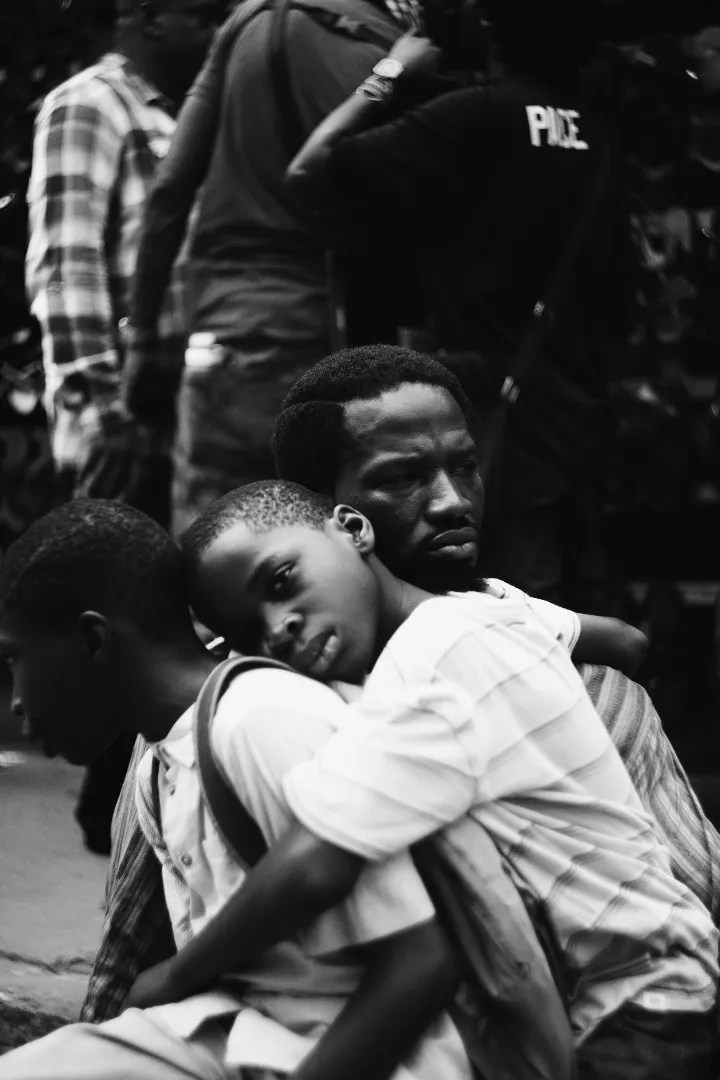
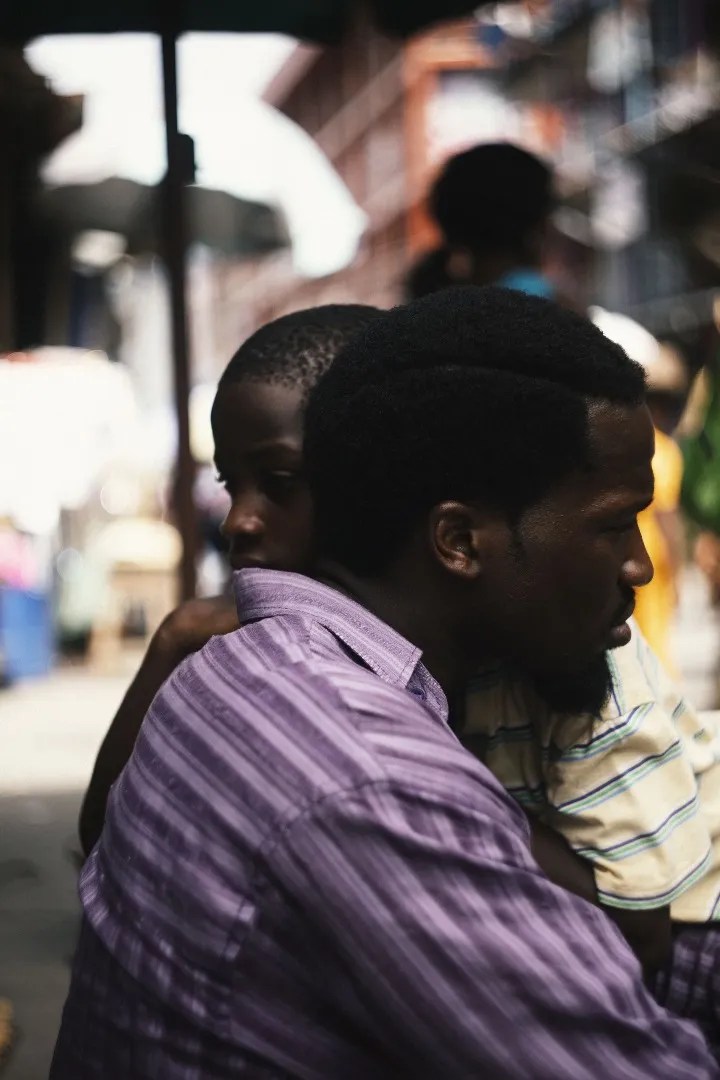
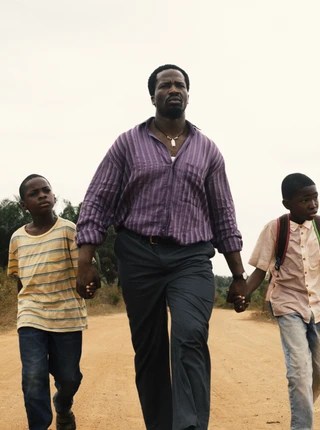
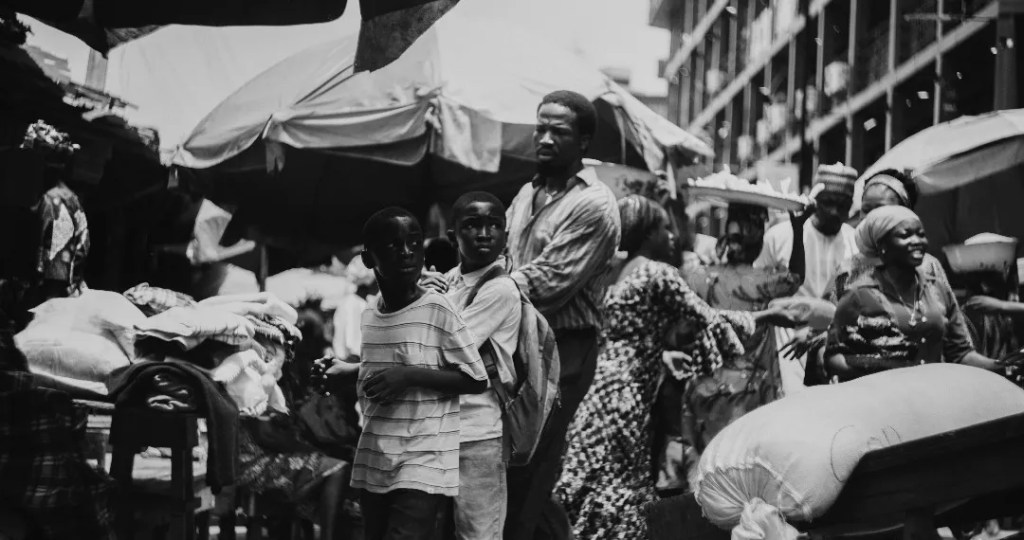
    Still From My Father’s Shadow

    The film begins with two brothers simply being boys, playing with paper action figures, eating together, talking and laughing freely. You didn’t need to be told they were brothers; they showed it. Their father calls them into a room, and seeing how hesitant they are for him to leave again, he decides to take them to Lagos. For the first time, they get to know the world outside their small, familiar environment, experiencing life through their father’s eyes. They witness the parts of Nigeria that feel ordinary yet extraordinary once you really look at them: the way ants move together, the crabs walking along Ajah beach, the long petrol queues that only appeared during fuel scarcity or Christmas, the ever-present religious fanatic in every situation, and the way so many Nigerians lean on “God go do am” as a solution to everything. It was relatable in a way only Nigerians truly understand, but told clearly enough for anyone to feel the story. 
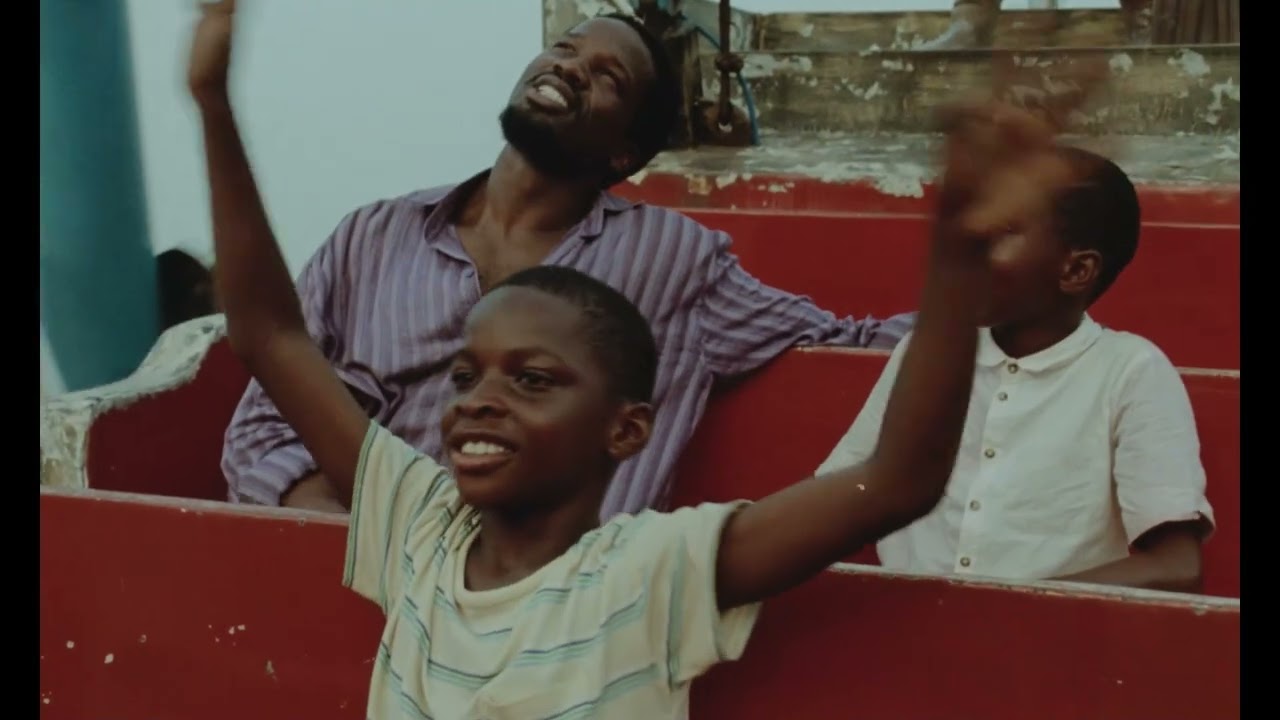
    Cinematography

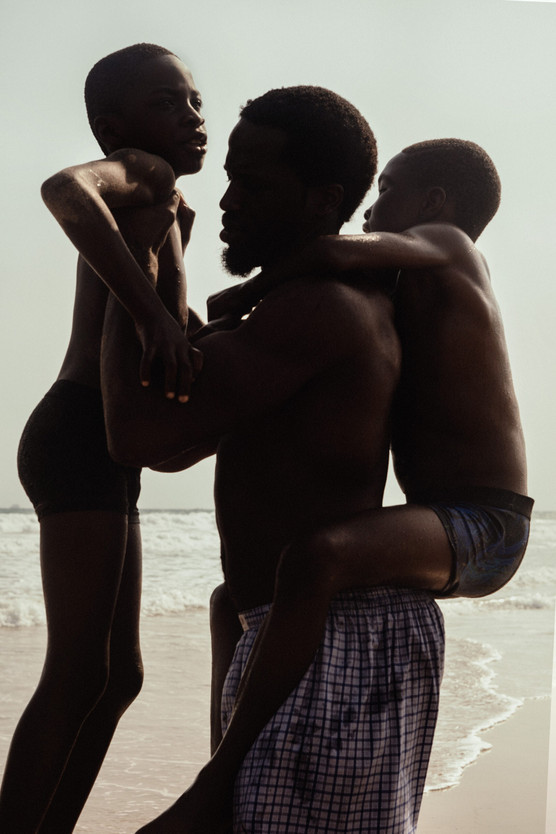
    The cinematography reminded me of old cassette films my parents and their friends watched before CDs became popular: the warmth, the grain, the slow movement of the camera. Pure nostalgia.My favorite scene was at the beach. In that moment, there was no politics, no struggle, just a father and his sons, living, learning, and being present with one another.My favorite line in the film was when one son confronted his father about never being around. The father replied, “Everything you sacrifice, you just have to make sure you don’t sacrifice the wrong thing.”For me, that was a wake-up call, a reminder that in all my striving and ambition, I must not forget to check up on my people, to be present, to love while I can. 

    I wasn’t born when the Abiola ’93 election happened, but I felt the pain and anger Fola felt. It reminded me of every election I witnessed as a child, the way my parents made sure we all stayed home throughout election weekend to keep us safe. It reminded me of corrupt Nigeria: missing ballot boxes, chaos, confusion, and all the characteristics that make up a Nigerian election.The film ends with Fola, the father, trying to get his children home safely to avoid any trouble caused by the election results. They are stopped for no reason by an agitated military officer who orders their father sitting in the back seat to get down. That scene hit hard, because 30 years later, Nigerians still experience the same brutality, only now it comes in a different font

    called SARS.The film shows how much Nigeria has evolved, and yet how little has truly changed on a larger scale. 

    Another detail I appreciated, which we rarely see in Nigerian films today, is the authentic celebration of life during mourning. In many recent films, when someone dies, everyone wears black, which does not reflect how we actually honour our dead. Here, the film captured that balance: yes, we are sad, but we don’t have to look sad. And the hymn “A o pade leti odo” instantly transported me back to my grandmother’s funeral mass.

    Characters  

    The acting was strong. The side characters played by Greg Ojefua, Patrick Diabuah, and the talented Ụzọamaka who are some of our best actors in Nigeria, so I expected excellence, and they delivered. The boys, played by Godwin Egbo and Chibuike Marvelous Egbo, were convincing. I immediately compared them to two of my friends who are brothers, they had real chemistry. Later, when I learned they are brothers, it made sense. If you’re a cinephile, you could notice some inexperience, especially in moments where they accidentally looked into the camera, but for their first film, they did well. I look forward to seeing them grow. 

    The woman,my favorite character,played by Wini Ẹfọ̀n, was outstanding. She appeared briefly, said nothing, yet delivered everything her character needed to. No crumbs left.And now to the main actor, the man of the hour: Ṣọpẹ́ Dìrísù.There is no doubt that Ṣọpẹ́ is a magnificent actor, but in some of the dialogue, the British accent tried to jump out the same way my h factor tries to jump out when I’m speaking fluent English. In a few lines, it felt like he was announcing his dialogue. If you’re not obsessed with films or Nigerian speech patterns, you might not notice it at all. 

    Direction

    The direction Akinola Davies took made sense. The film carried an indie softness, and considering how different Nigeria is today compared to 1993, the world-building must have been challenging. Yet, they managed to take us back. His attention to detail was clear, he gave us exactly what we needed, without leaving gaps or over-explaining. 
    The storytelling by Wale Davies and Akinola Davies is one for the books. It raises the bar not just for Nigerian storytelling, but for African storytelling. My Father’s Shadow feels like the beginning of our stories being told properly, and I can’t wait to see what African cinema looks like in five years. 

    I feel sad that those of us in the diaspora only get to watch it at film festivals. I hope it lands on streaming platforms next year because I want to watch it again and again. I would rate it a solid 5/5. When someone asks me for a Nigerian movie recommendation, I will shout My Father’s Shadow before they finish their sentence. This story is inspiring, not just because I love films, but because the storytelling itself blew my mind.
    Rating: 5 out of 5.
  • When Whispers Turn Deadly: Burner Accounts and the New Afrobeats Drama

    When Whispers Turn Deadly: Burner Accounts and the New Afrobeats Drama

    By Femi Bakinson

    Burner accounts are anonymous or fake social media profiles used to share opinions, spread gossip, or leak private information without revealing the person behind them. Unlike official artist pages, they operate in the shadows, often dropping “receipts,” screenshots, or unverified claims that fuel speculation. In fan cultures worldwide, from K-pop to hip-hop, burners have become a powerful tool to shape narratives. In Afrobeats, they’re now central to how drama unfolds, bypassing labels, PR teams, and sometimes even the artists themselves.

    The Afrobeats industry has always thrived on whispers. Rumors of collaborations, secret studio sessions, and private fallouts often travel faster than the songs themselves. But in today’s digital era, whispers don’t stay whispers for long, they morph into screenshots, burner accounts, and viral threads. This new rumor economy is reshaping the culture in real time.

    The recent controversies involving Omah Lay and Rema, and the never-ending Burna Boy and Wizkid rivalry, are prime examples of how a culture of anonymous leaks and unverified revelations is reshaping not only fan conversations but also the reputations of some of Afrobeats’ biggest stars.

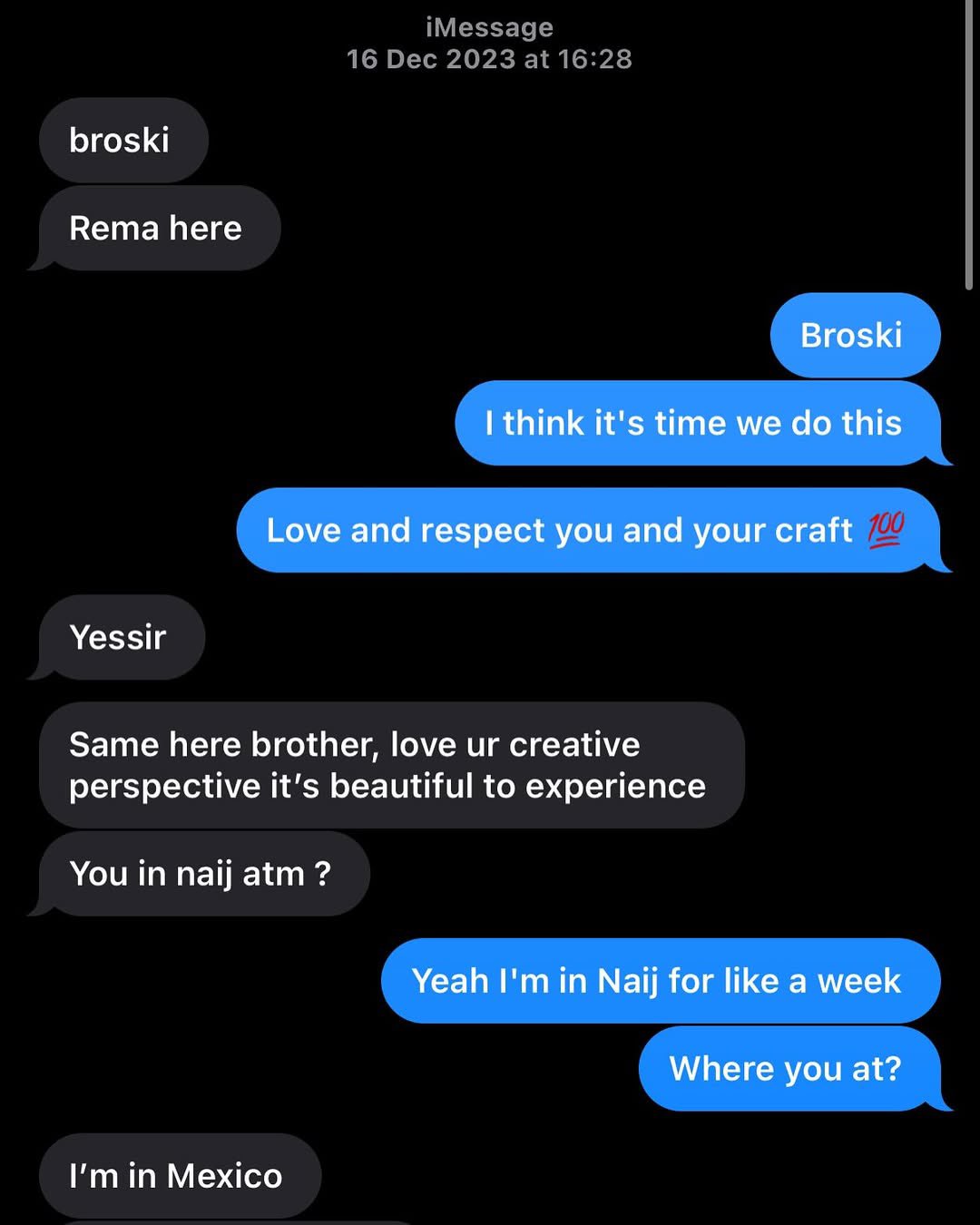
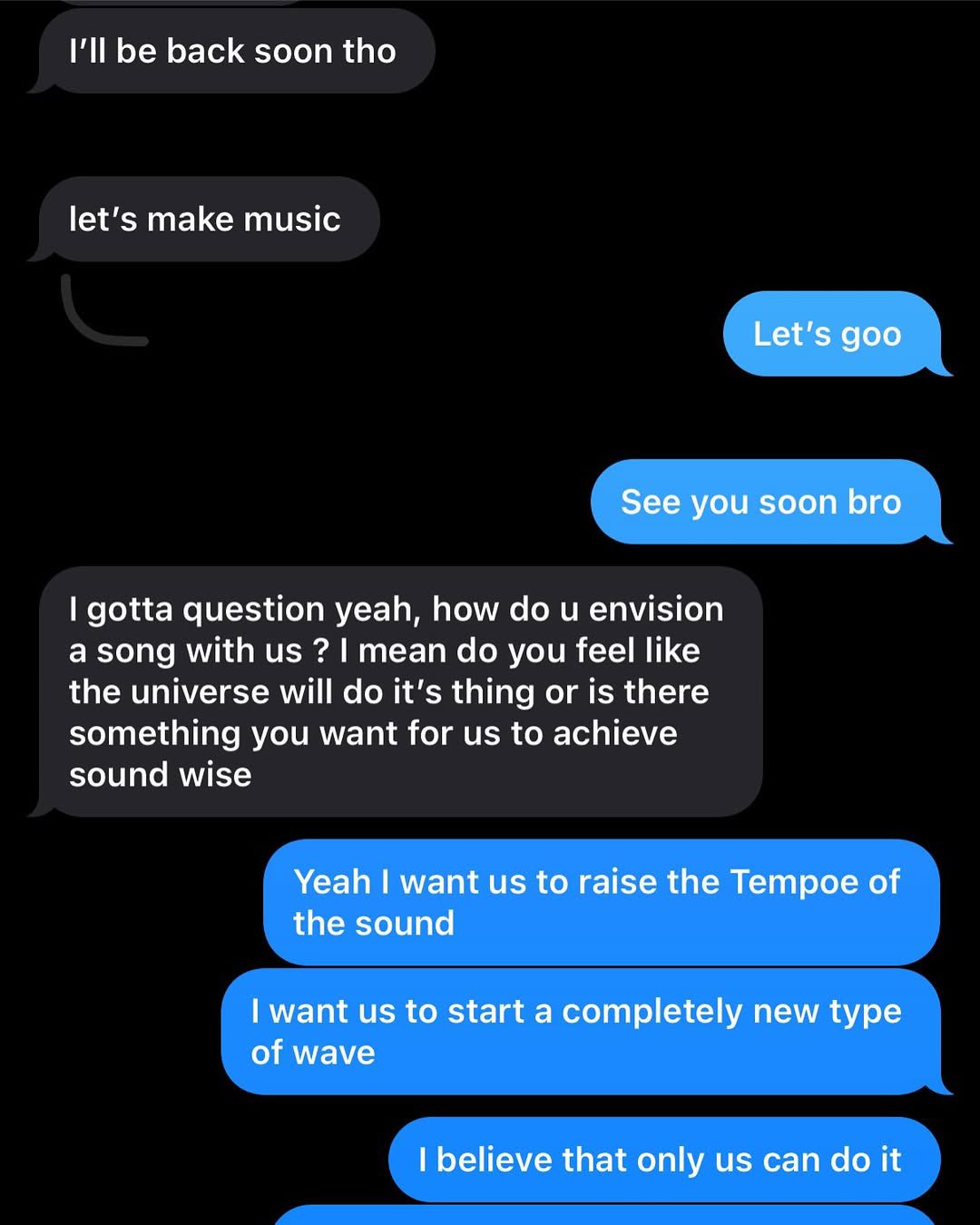
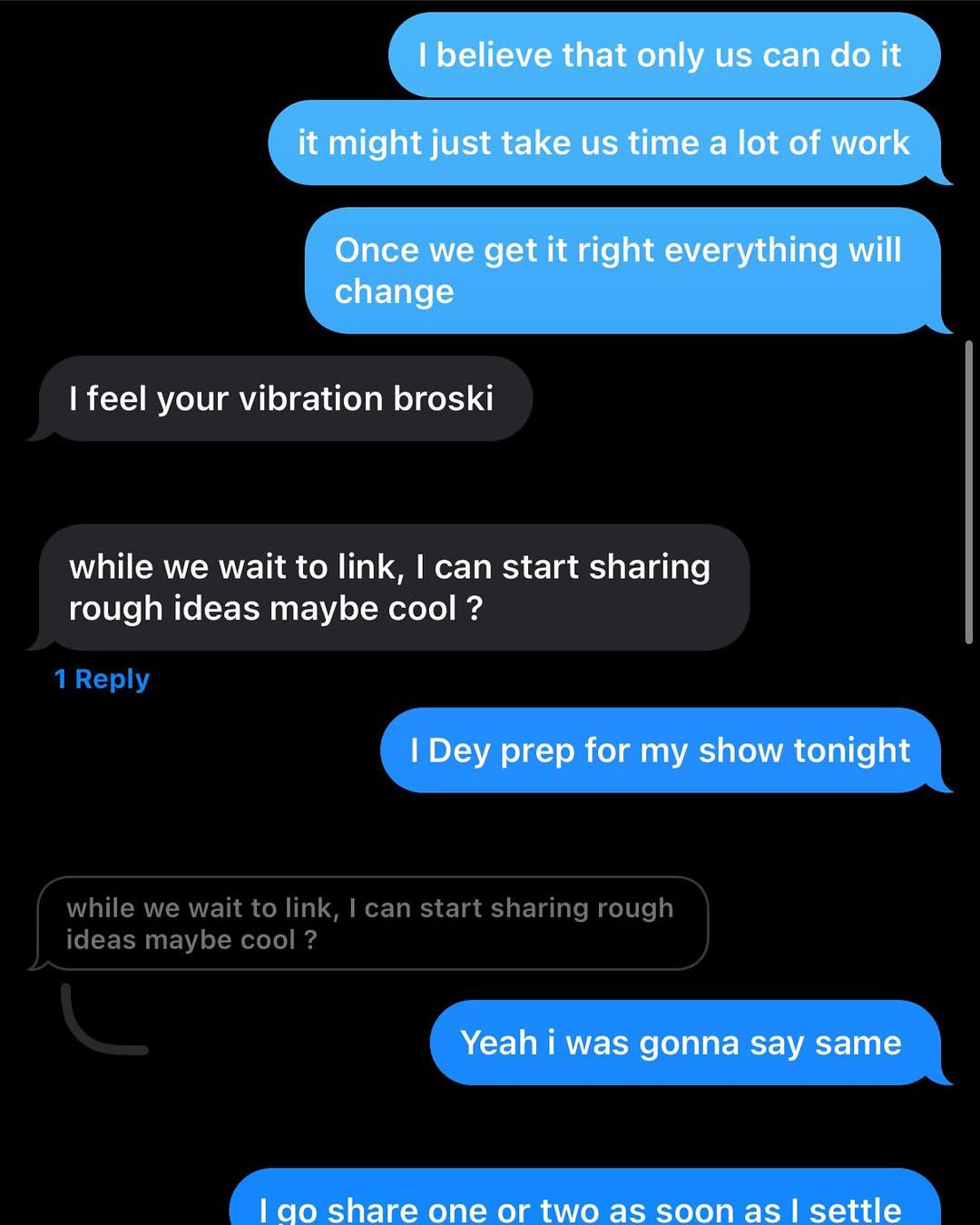
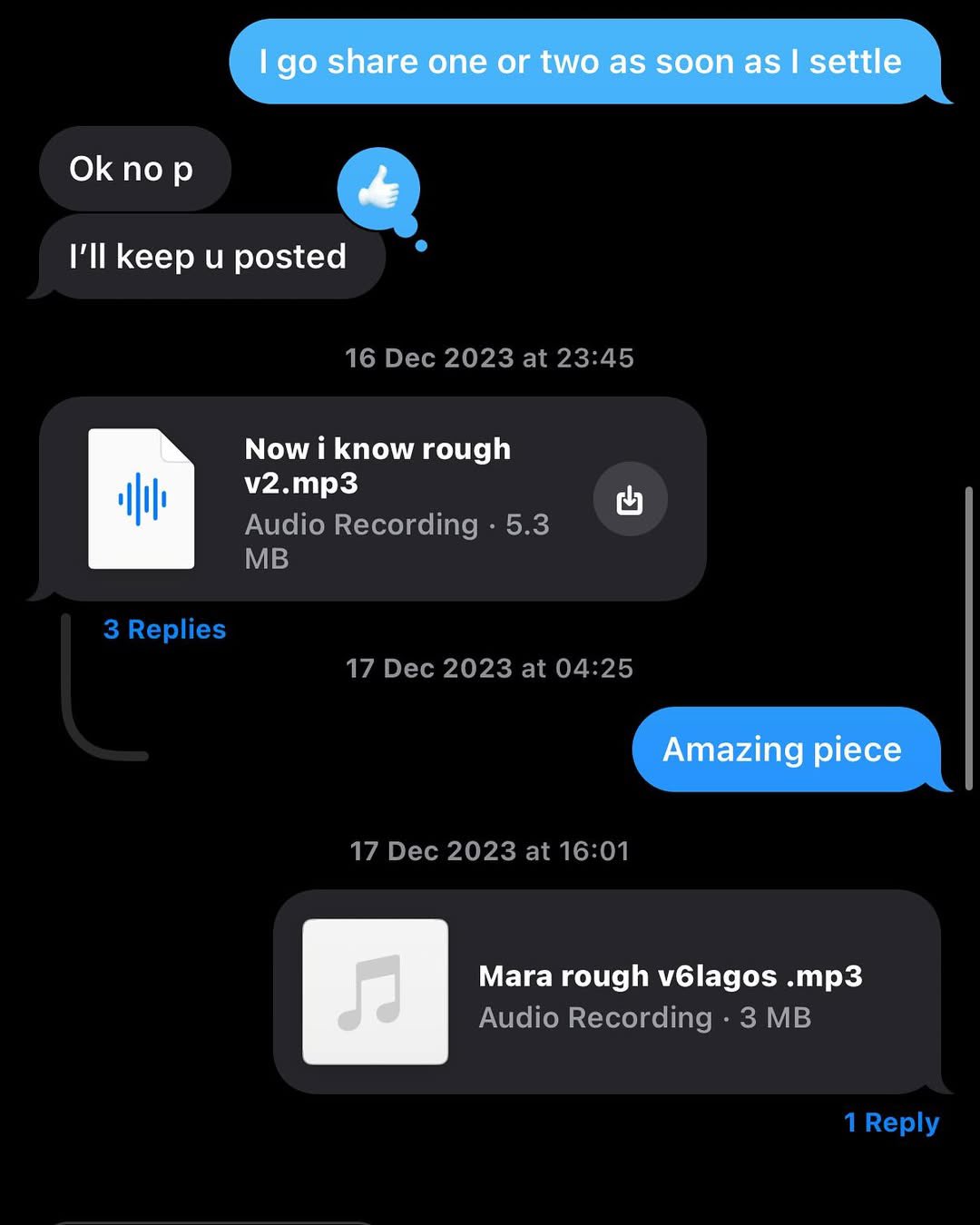
    Earlier this month, screenshots allegedly from a burner account linked to Omah Lay began circulating online. The account, which had operated under the handle “Story of an Angel,” posted iMessage chats that appeared to show Omah Lay sharing an album concept with Rema back in 2023, an idea that, months later, seemed to resurface in Rema’s own project. What made fans believe this anonymous account was connected to Omah Lay were subtle clues: the account’s intimate knowledge of his creative process, posting patterns that aligned with his public statements, and a writing style that mirrored his previous social media presence. The validity of the chats has not been confirmed, and neither artist has publicly addressed them. Yet that hasn’t stopped the story from dominating headlines, fueling debates about creativity, trust, and betrayal in the music industry.

    Similarly, the Burna Boy and Wizkid dynamic has long been amplified by anonymous accounts and whispered claims. From subtweets to alleged burner accounts dropping “receipts,” their rivalry thrives on ambiguity. Even when neither artist speaks directly, “stans” and blogs seize on fragments, turning them into narratives that dominate timelines. The absence of confirmation only deepens speculation, as silence is reinterpreted as strategy.

    This is the peculiar power of burner accounts: they bypass traditional gatekeepers i.e the labels, PR teams, even the artists themselves and deliver raw claims straight into the bloodstream of fan culture. With one post, they can tilt the narrative, turning speculation into per deceived truth. And because these accounts are anonymous, there is little accountability if the claims turn out to be false. The court of public opinion moves faster than facts.

    The stakes extend far beyond hurt feelings. In an industry where global streaming numbers, international collaborations, and brand endorsements can make or break careers, reputation damage can translate into real financial losses. When whispers suggest an artist has stolen concepts or betrayed collaborators, it doesn’t just affect fan perception, it can influence label executives, booking agents, and potential collaborators making decisions worth millions of dollars. This raises a difficult question: how much weight should we give to revelations that emerge in this way? On one hand, burner accounts and leaked screenshots can sometimes expose real injustices whether unpaid royalties, broken promises, or unacknowledged collaborations. They provide fans with an insider’s view of an industry that often operates behind closed doors. On the other hand, they also create fertile ground for misinformation, where private tensions are amplified into public scandals before anyone has had a chance to verify the details.

    The result is an environment where reputation is increasingly fragile. An artist can wake up to find years of work overshadowed by a screenshot, with no way of proving or disproving its authenticity. Even silence becomes risky. If Omah Lay and Rema remain quiet, fans will interpret that silence as confirmation. If Burna Boy or Wizkid ignore burner chatter, their fanbases fill the vacuum with competing interpretations. In a culture dominated by leaks, the narrative is rarely controlled by the people at the center of it.

    Burner culture also changes the relationship between fans and artists. Afrobeats audiences are no longer passive listeners; they are detectives, piecing together timelines from tweets, interviews, and leaked messages. The fandom becomes a whisper network of its own, feeding on half-truths and speculations, sometimes with more energy than the music itself. This dynamic can be exciting, creating a sense of insider knowledge and community among fans. But it can also be corrosive. When gossip outpaces art, the focus shifts from creativity to controversy.

    This pattern isn’t entirely unique to Afrobeats, hip-hop has long featured diss tracks and public feuds. But where traditional rap beefs played out through official releases and public statements, Afrobeats drama increasingly unfolds through anonymous accounts and unverified leaks, making it harder to separate performance from genuine conflict, strategy from spontaneous emotion.

    The irony is that Afrobeats is entering its most professional era yet, artists are signing global deals, filling stadiums, and charting internationally. But beneath this polished surface, the machinery of gossip is more chaotic than ever. In many ways, burner accounts represent the growing pains of an industry that is both local and global, informal yet professional. They expose the gaps between how the industry is managed publicly and how it operates privately.

    Finding Balance in the Noise

    What is needed now is balance. Fans should be cautious in how much they elevate unverified claims, understanding that screenshots can be fabricated and anonymous accounts may have ulterior motives. Media outlets must resist the temptation to treat every screenshot as gospel, remembering that the pursuit of clicks cannot come at the cost of fairness. And artists themselves need to adapt, understanding that in an era of leaks, transparency and proactive communication may be the only way to stay ahead of the rumor mill.

    At its best, the whisper network surrounding Afrobeats reflects the passion of its community. It shows how deeply fans care about not just the music but the stories behind it. But left unchecked, it risks becoming a culture that thrives more on suspicion than celebration.

    Burner accounts will not disappear; anonymity has always been a powerful tool for those seeking to share sensitive information without facing direct consequences. What matters is how we, as fans, media, and artists, engage with them. Do we treat them as starting points for discussion, or as final verdicts? The difference may determine whether Afrobeats continues to grow on the strength of its music or becomes trapped in the noise of its own whispers. As the genre reaches new global heights, the industry must decide whether it wants to be defined by its art or its rumors. The whispers will always be there. The question is: are we listening to the right voices?