Tag: reviews

  • The Ego-Less Handshake in Afrobeats

    The Ego-Less Handshake in Afrobeats

    Written by: Abdulmuqsit Idowu
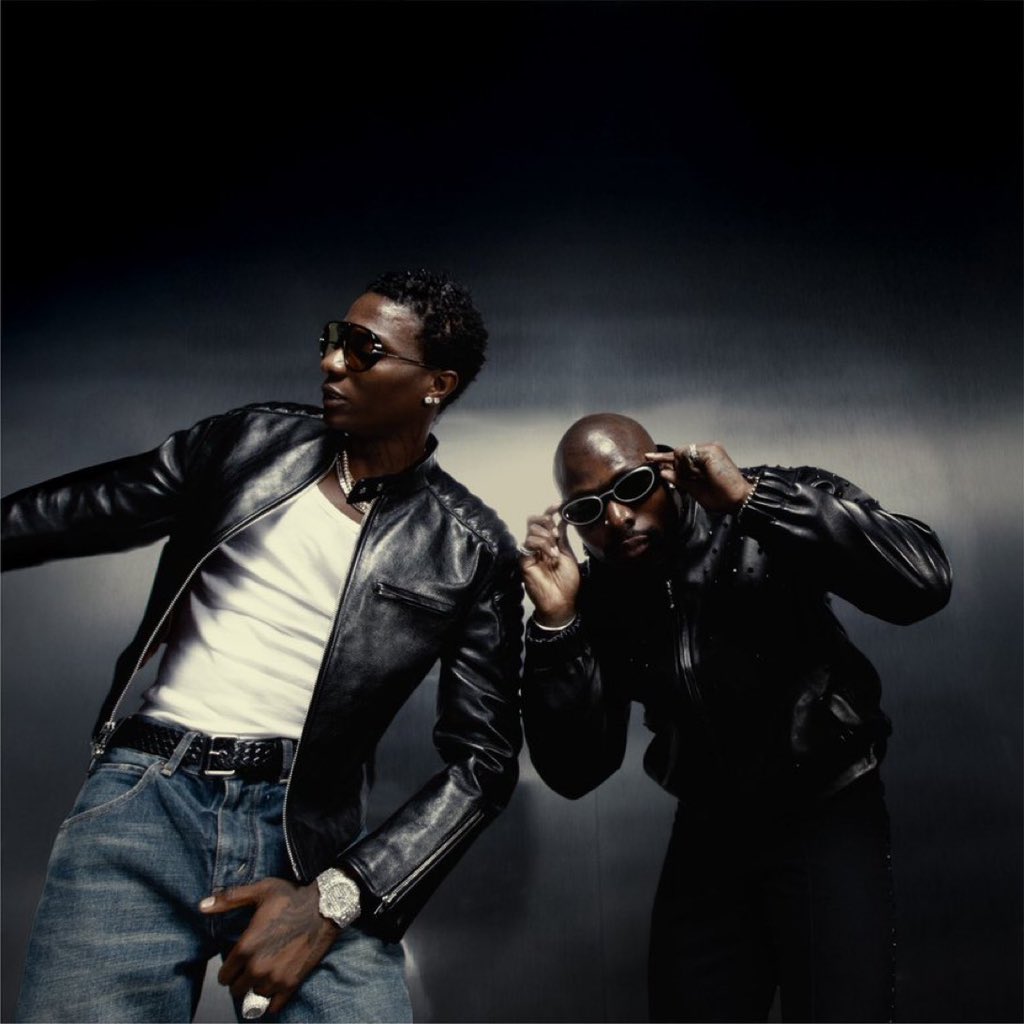
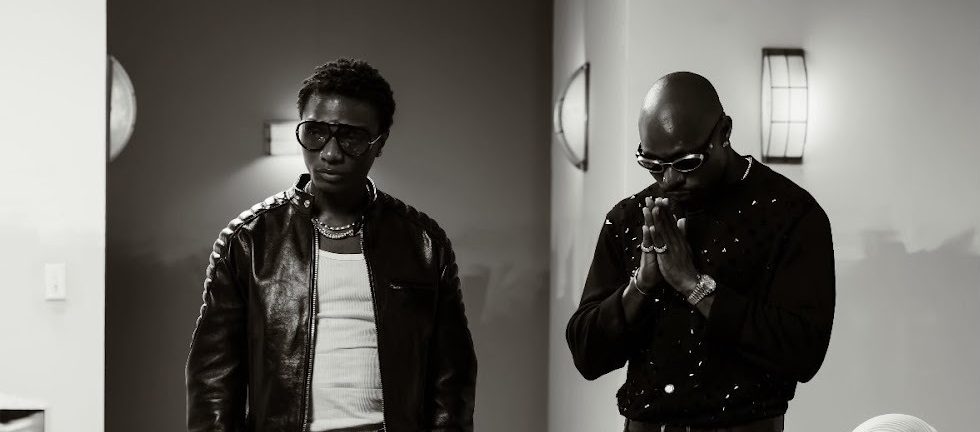
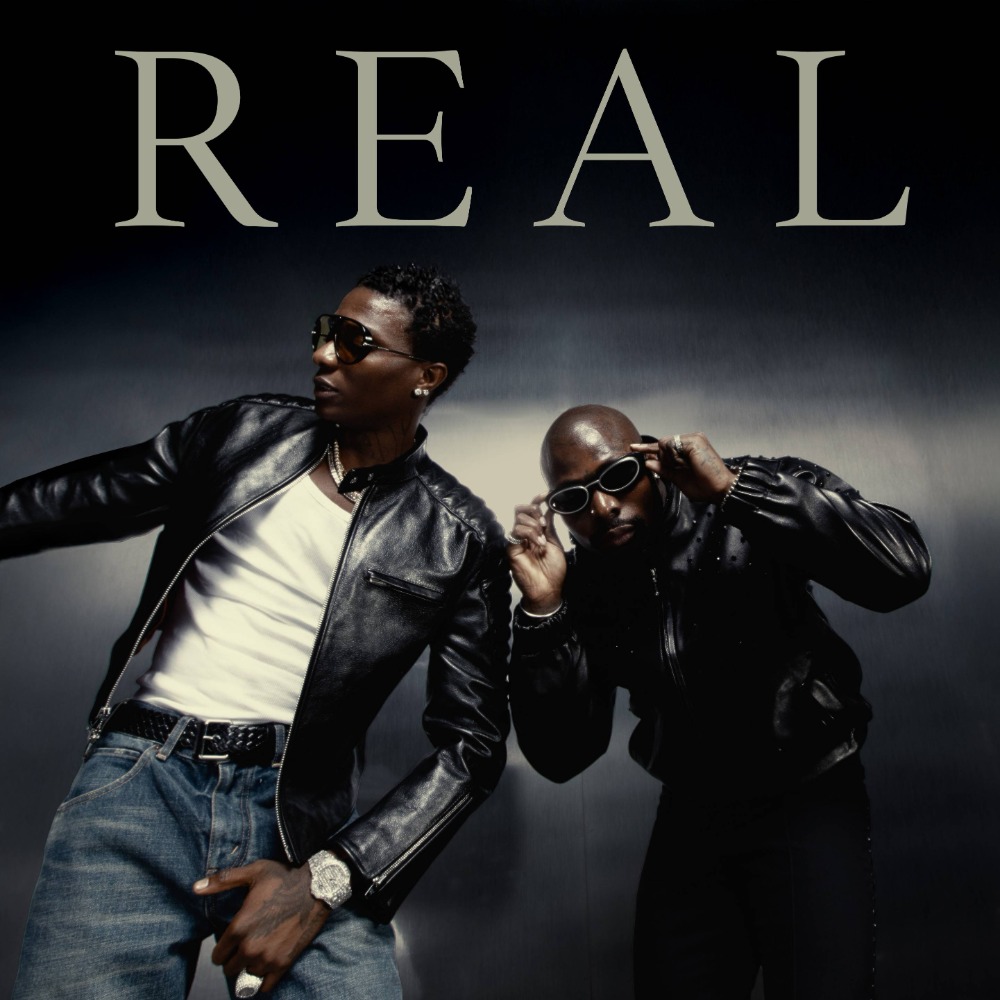
    There is a specific kind of electricity that hits the timeline when a massive joint project is announced. It feels different from a solo album rollout; while a solo body of work is a statement of self, a joint project is a high-stakes conversation—and honestly, it’s the ultimate ego-check. Right now, it’s time for Real Vol 1 from Wizkid and Asake, which in all senses we are incredibly lucky to be getting. In an industry often paralysed by “Who is bigger?” and “Who has more streams?”, seeing the architect of the 2010s global run trade verses with the undisputed landlord of the 2020s is a massive win for the culture. It’s a refreshing outlier, proof that when the music is right, the generational gaps and the towering egos simply take a backseat.

    I’ve always felt that the African music landscape finds its greatest strength in these rare, concentrated collisions. Unlike a standard feature—where an artist just “pops in” for a quick 16 bars, a joint project requires building an entirely new world. We saw this tectonic shift back in 2015 with Olamide and Phyno’s 2Kings. That wasn’t just an album to me; it was a cultural treaty. Seeing the King of the West and the Eze Nnunu of the East shake hands on a full-length record told the streets of Lagos and Enugu that we were all on the same frequency. It proved that our local dialects weren’t only “indigenous”—but the main event. If you want to talk about drama-turned-classics, we have to look at Bnxn and Ruger’s RnB. For years, we watched them trade subs on Twitter over “solo hits” vs “features” and who had the better numbers. Then, out of nowhere, they hopped on a flight, sat in a room, and knocked out a seven-track EP in just three days. Sonically, it’s a masterclass in chemistry—Bnxn’s “velvet and honey” hooks meeting Ruger’s gritty, dancehall-inflected delivery. It transformed a public rivalry into a shared victory lap that solidified proving that an alliance will always be more powerful than an enemy.  

    The impact of these alliances often dictates the very “vibe” of our lives for years. Think back to the mid-2010s when the energy between Nigeria and Ghana was at its peak. Those collaborative efforts between the likes of Mr Eazi and Juls literally slowed down our heartbeats. They took us from the frantic dance steps of the early 2010s into a smooth, “Pon Pon” highlife-infused era that had everyone leaning back in the club instead of sweating through their shirts. These projects are like the secret R&D labs of Afrobeats; they test the sounds that eventually become our personality for the next three Decembers.
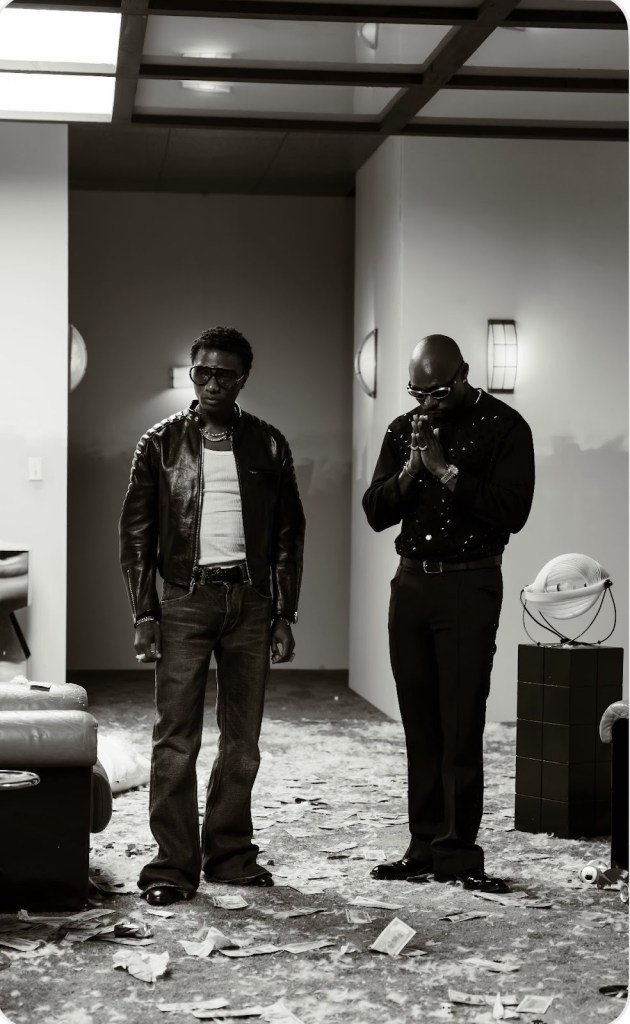
    What really gets me excited about Real Vol 1 is the “coronation” factor. When a titan like Wizkid shares the marquee with a force like Asake, it’s the ultimate flex of confidence. Wizkid has mastered this polished, “expensive” minimalism that feels like a chilled glass of wine on a private jet. Then you have Asake, whose sound is like a frantic, beautiful Lagos rush hour—choral, urgent, and deeply rooted in Fuji. Watching these two sonic worlds collide is fascinating because it’s a handshake between the veteran’s poise and the newcomer’s hunger, plus you could tell both of them genuinely enjoy each other’s company. Remember the “big brother, small brother” energy that completely took over our feeds some months back, seeing them buddy up on their Apple Music radio takeover and joke around for Instagram’s Close Friends Only series made the internet pause a little from stan wars, but enjoy a lovely, wholesome environment, maybe i’m living in a bubble who knows, but it’s rare to see that level of unfiltered love in such a high-pressure industry, and it makes the music on the project feel so much deeper knowing it comes from a place of actual friendship. 
    Ultimately, these bodies of work remind us that we’re part of a continuum. In an industry where everyone is constantly fighting for a singular crown, the joint project is that rare moment where two giants decide the kingdom is better served by a shared vision. It’s a bridge between the legends we grew up with and the superstars we’re stanning today. I don’t see this as a new tracklist or just another collaboration; we’re witnessing a legacy being reinforced in real-time, and I for one am just happy to be here for the ride.
  • Review: My Father’s Shadow Is Not Just a Film — It’s the Story of Us

    Review: My Father’s Shadow Is Not Just a Film — It’s the Story of Us

    A review by Mercy Oluwanisola Akintola.

    The first time someone close to me died, it was my paternal grandmother. According to those around her, there were signs that she was preparing to leave. Her skin started to glow, and she had deep, intentional conversations with her children reminding them to be kind and patient with their father, her husband. Another sign was that my youngest cousin, her last grandchild, turned his back to her for three days before she passed. None of these signs made sense to us at the moment; they only became clear a few hours after she died.The adults in my life said she knew she was going to die, so she prepared everyone the best way she could. If I had  to compare the story of her last days to any film, it would be My Father’s Shadow. 

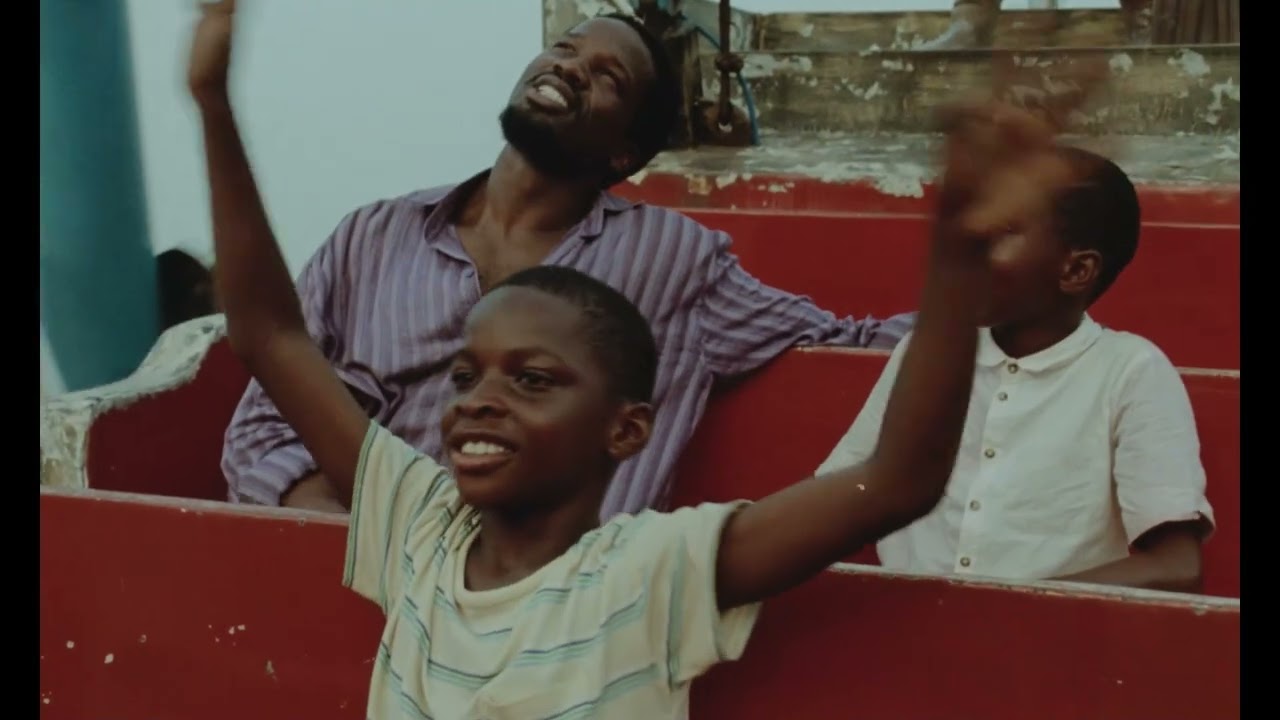
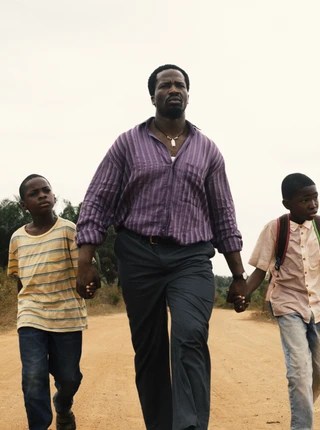
    Still From My Father’s Shadow

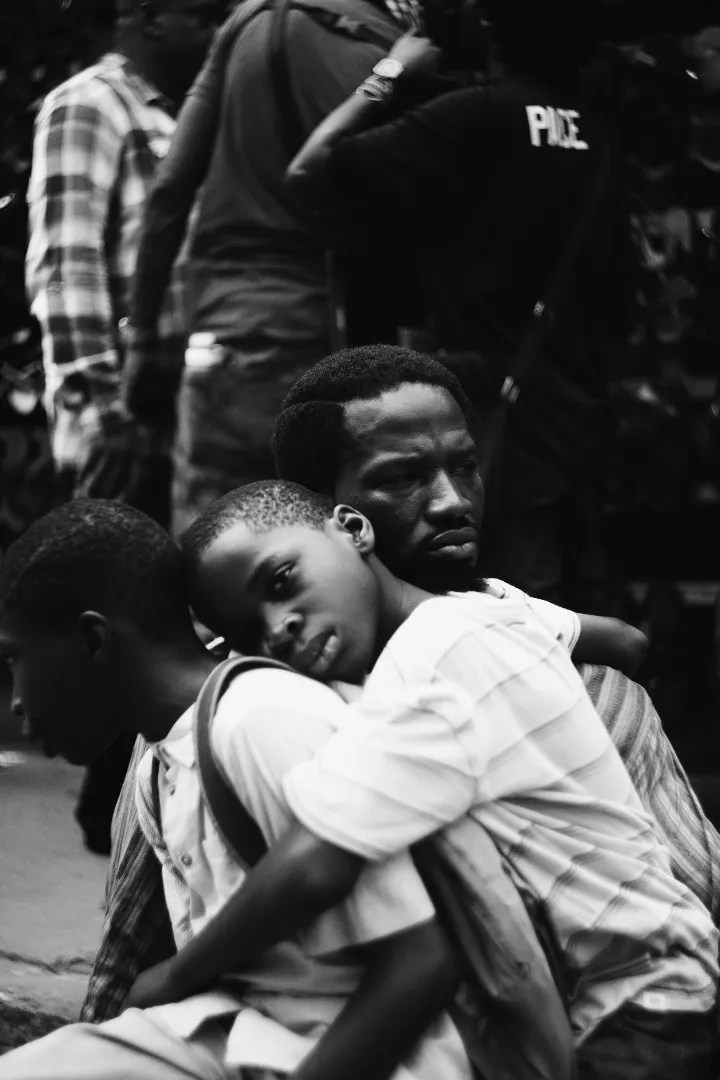
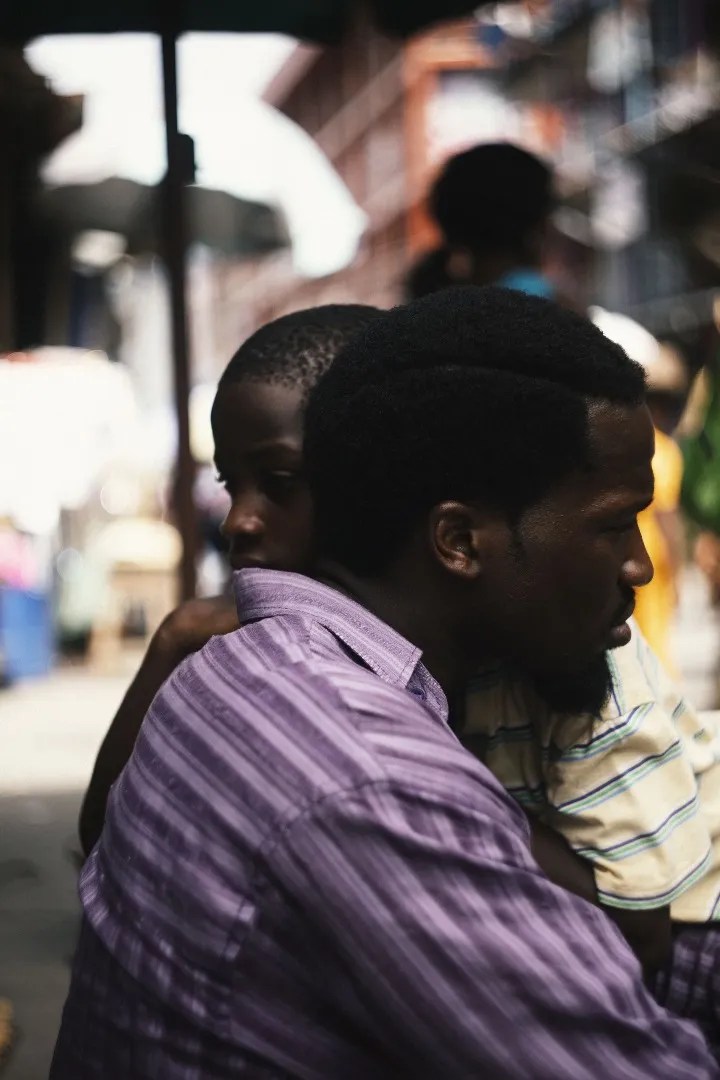
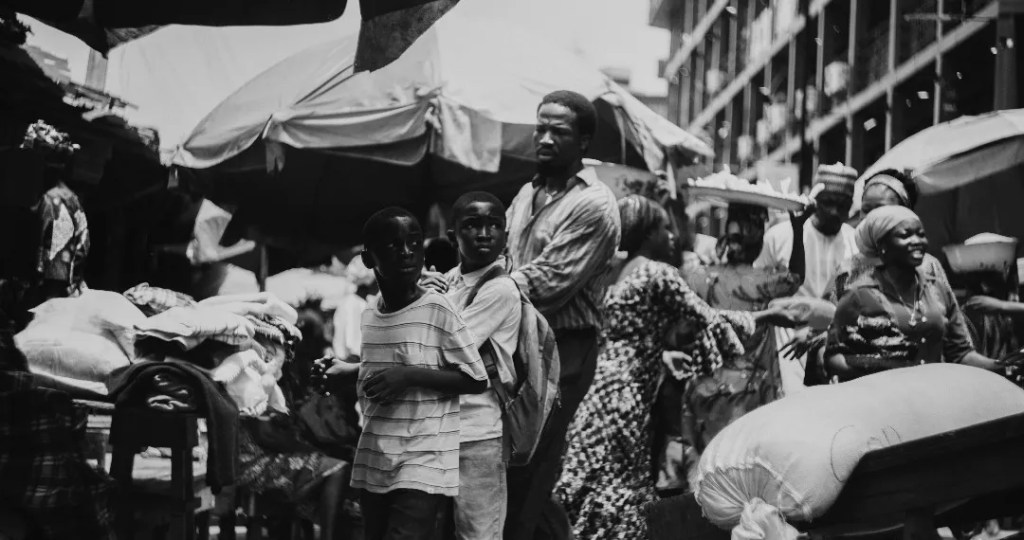
    The film begins with two brothers simply being boys, playing with paper action figures, eating together, talking and laughing freely. You didn’t need to be told they were brothers; they showed it. Their father calls them into a room, and seeing how hesitant they are for him to leave again, he decides to take them to Lagos. For the first time, they get to know the world outside their small, familiar environment, experiencing life through their father’s eyes. They witness the parts of Nigeria that feel ordinary yet extraordinary once you really look at them: the way ants move together, the crabs walking along Ajah beach, the long petrol queues that only appeared during fuel scarcity or Christmas, the ever-present religious fanatic in every situation, and the way so many Nigerians lean on “God go do am” as a solution to everything. It was relatable in a way only Nigerians truly understand, but told clearly enough for anyone to feel the story. 

    Cinematography

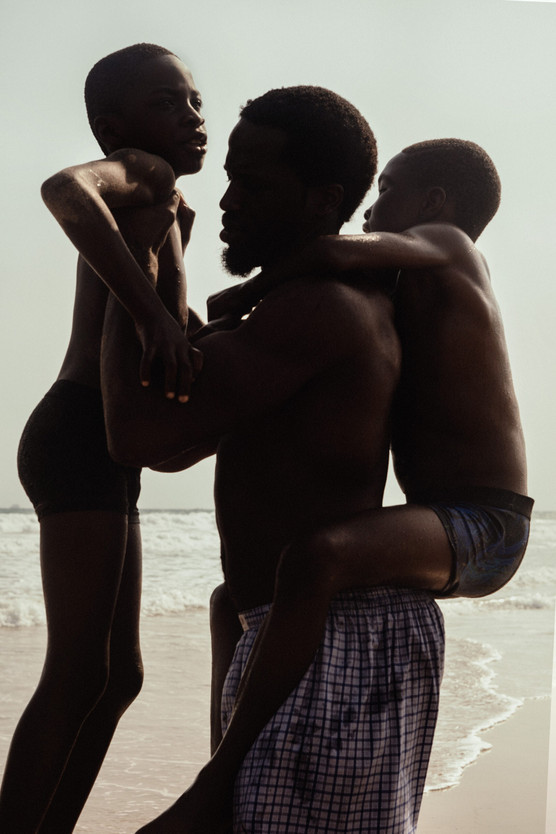
    The cinematography reminded me of old cassette films my parents and their friends watched before CDs became popular: the warmth, the grain, the slow movement of the camera. Pure nostalgia.My favorite scene was at the beach. In that moment, there was no politics, no struggle, just a father and his sons, living, learning, and being present with one another.My favorite line in the film was when one son confronted his father about never being around. The father replied, “Everything you sacrifice, you just have to make sure you don’t sacrifice the wrong thing.”For me, that was a wake-up call, a reminder that in all my striving and ambition, I must not forget to check up on my people, to be present, to love while I can. 

    I wasn’t born when the Abiola ’93 election happened, but I felt the pain and anger Fola felt. It reminded me of every election I witnessed as a child, the way my parents made sure we all stayed home throughout election weekend to keep us safe. It reminded me of corrupt Nigeria: missing ballot boxes, chaos, confusion, and all the characteristics that make up a Nigerian election.The film ends with Fola, the father, trying to get his children home safely to avoid any trouble caused by the election results. They are stopped for no reason by an agitated military officer who orders their father sitting in the back seat to get down. That scene hit hard, because 30 years later, Nigerians still experience the same brutality, only now it comes in a different font

    called SARS.The film shows how much Nigeria has evolved, and yet how little has truly changed on a larger scale. 

    Another detail I appreciated, which we rarely see in Nigerian films today, is the authentic celebration of life during mourning. In many recent films, when someone dies, everyone wears black, which does not reflect how we actually honour our dead. Here, the film captured that balance: yes, we are sad, but we don’t have to look sad. And the hymn “A o pade leti odo” instantly transported me back to my grandmother’s funeral mass.

    Characters  

    The acting was strong. The side characters played by Greg Ojefua, Patrick Diabuah, and the talented Ụzọamaka who are some of our best actors in Nigeria, so I expected excellence, and they delivered. The boys, played by Godwin Egbo and Chibuike Marvelous Egbo, were convincing. I immediately compared them to two of my friends who are brothers, they had real chemistry. Later, when I learned they are brothers, it made sense. If you’re a cinephile, you could notice some inexperience, especially in moments where they accidentally looked into the camera, but for their first film, they did well. I look forward to seeing them grow. 

    The woman,my favorite character,played by Wini Ẹfọ̀n, was outstanding. She appeared briefly, said nothing, yet delivered everything her character needed to. No crumbs left.And now to the main actor, the man of the hour: Ṣọpẹ́ Dìrísù.There is no doubt that Ṣọpẹ́ is a magnificent actor, but in some of the dialogue, the British accent tried to jump out the same way my h factor tries to jump out when I’m speaking fluent English. In a few lines, it felt like he was announcing his dialogue. If you’re not obsessed with films or Nigerian speech patterns, you might not notice it at all. 

    Direction

    The direction Akinola Davies took made sense. The film carried an indie softness, and considering how different Nigeria is today compared to 1993, the world-building must have been challenging. Yet, they managed to take us back. His attention to detail was clear, he gave us exactly what we needed, without leaving gaps or over-explaining. 

    The storytelling by Wale Davies and Akinola Davies is one for the books. It raises the bar not just for Nigerian storytelling, but for African storytelling. My Father’s Shadow feels like the beginning of our stories being told properly, and I can’t wait to see what African cinema looks like in five years. 

    I feel sad that those of us in the diaspora only get to watch it at film festivals. I hope it lands on streaming platforms next year because I want to watch it again and again. I would rate it a solid 5/5. When someone asks me for a Nigerian movie recommendation, I will shout My Father’s Shadow before they finish their sentence. This story is inspiring, not just because I love films, but because the storytelling itself blew my mind.

    Rating: 5 out of 5.
  • Review: The Cavemen Didn’t Just Drop an Album—They Reopened the Village Square

    Review: The Cavemen Didn’t Just Drop an Album—They Reopened the Village Square

    By Lawrence Hart

    Their vision is intentional. Blending heritage and global, modern fame. So the album isn’t just nostalgic, it’s forward-looking while anchored in tradition

    The cavemen have mastered the art of bringing that African highlife experience into the modern-day reality. The type of music that’s played under a palm tree, with the steady huns of local African drums playing. The type of music that is all about community, the shared laughter, the shared kola nut, the clinking of calabashes filled with palm wine, and the steady hum of guitars echoing stories of love, wisdom, and joy. And no better piece of work captures all of that like the cavemen’s

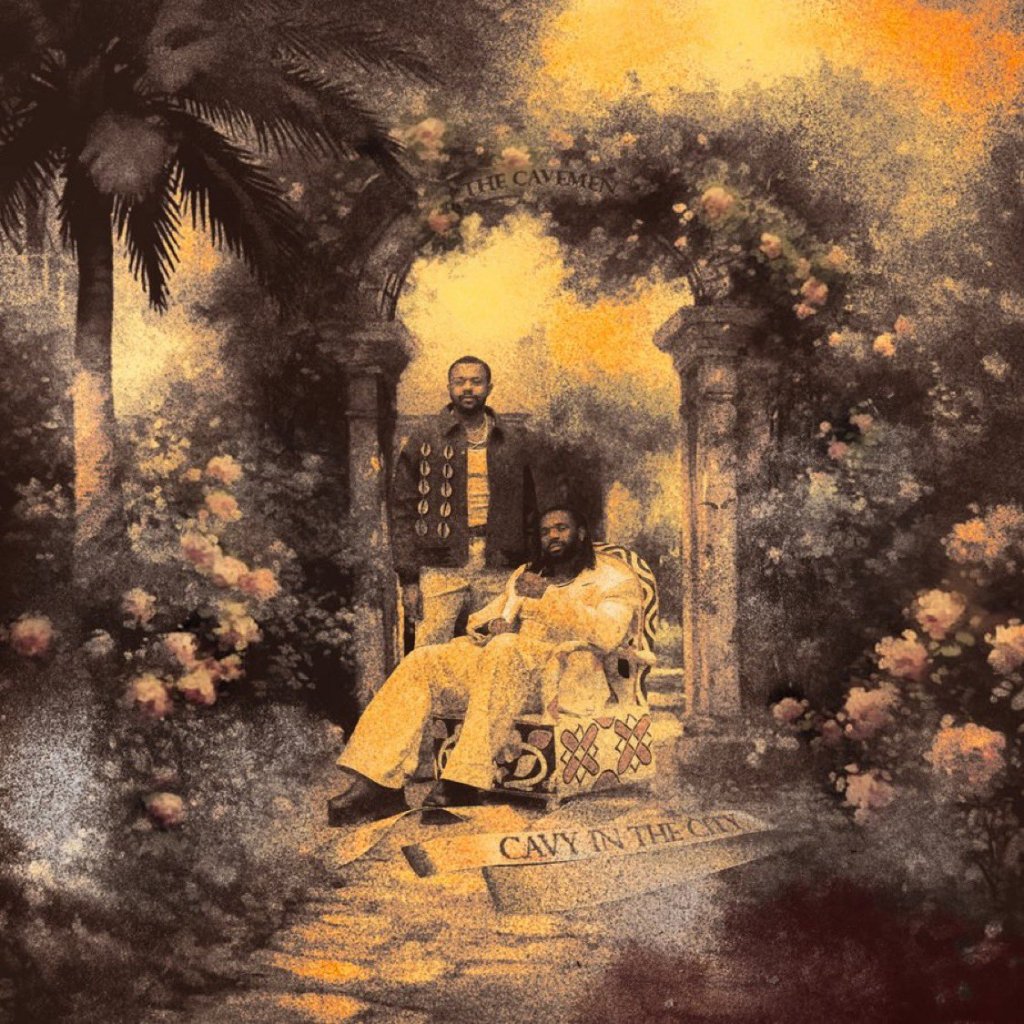
    “Cavy in the City”. 

    One thing that stands out with the cavemen is how consistent they have been over the years. They don’t chase trends, but rather refine their style to appease their audience. That commitment to live instrumentation in an era of heavy digital production gives their work texture and depth. Their vision is intentional. Blending heritage and global, modern fame. So the album isn’t just nostalgic, it’s forward-looking while anchored in tradition.


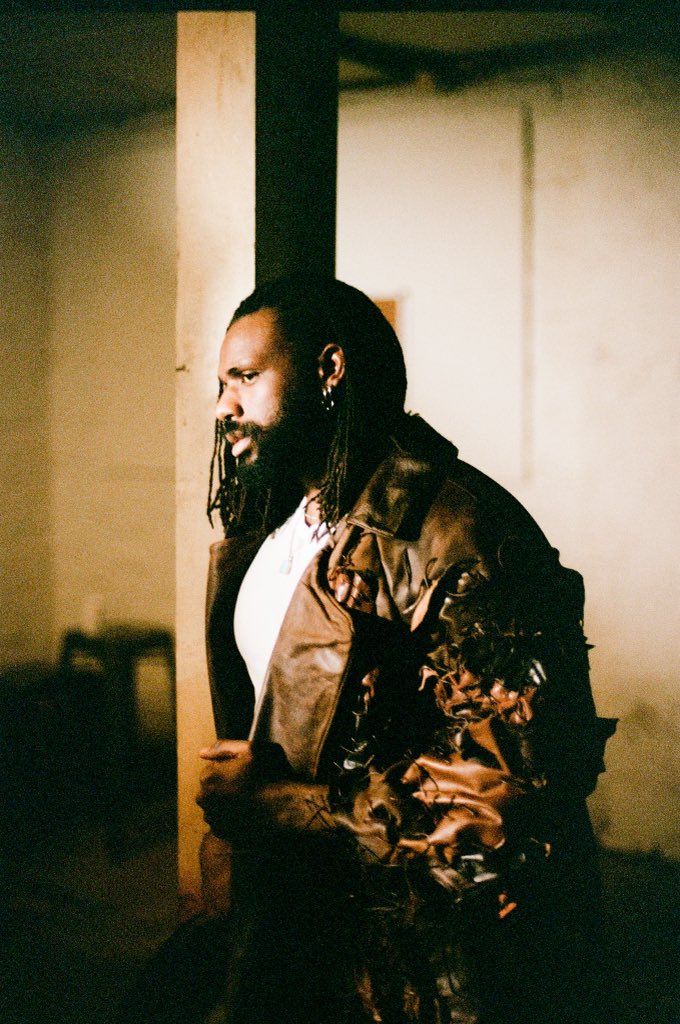
    Benjamin & Kingsley of The Cavemen

    Now let’s dive into the Cave. Grab your cold palm wine and journey with me.

    Released in October 2025, Cavy in the City is a 13-track, 38-minute journey that bridges heritage and modernity.

    A Warm Welcome to the Cave

    The album opens with Welcome to the Cave, and it feels exactly like a moonlight tale. The Cavemen. use this introduction to pay homage to the “ancestors” of highlife. The pioneers who laid the groundwork for the beauty of the genre we all enjoy today. It’s the perfect opener: reflective, inviting, and rich with reverence. From the first notes, you know you’re in for a journey through rhythm, culture, and memory.

    Keep Moving — Featuring Angélique Kidjo

    Track two, Keep Moving, features the legendary Angélique Kidjo. The pairing feels symbolic a union of African generations. The song’s groove carries the unmistakable influence of Fela Kuti, with infectious horns and layered percussion driving a message of persistence and optimism. The title itself feels intentional: an encouragement to stay in motion, to keep dancing, to keep living to keep moving.

    Adaugo — Daughter of Wealth.

    Then comes Adaugo — “the wealth of her father.” You know those women that you only see once in a lifetime, fair, blessed in the right places that you can risk everything for. Yes, you know what I’m talking about and you have definitely met one or two. That’s what this track gives 😂. I won’t be explaining further.

    Signs and Wonders

    Signs and Wonders delivers exactly what its title promises. It delivered signs and wonders to my ears. It’s a soothing track, gentle, peaceful, and mesmerizing. The instrumentation here is especially rich, filled with harmonies and tones that wash over the listener like a Sunday morning breeze.

    Gatekeepers — Featuring Pa Salieu

    One of the album’s standout collaborations, Gatekeepers featuring UK rapper Pa Salieu, feels like putting a round peg in a round hole. Pa Salieu’s energy perfectly complements The Cavemen.’s groove. The fusion of highlife and contemporary Afro-fusion creates something fresh and urgent.  A song that questions power, access, and authenticity without losing its rhythm.

    Paddling and Chameleon

    Paddling is pure nostalgia; it takes you right back to those childhood days in Sunday school, singing playful rhymes to close the service. It’s lighthearted and filled with innocence. Then, Chameleon flips the tone. It’s the aftermath of Adaugo— when the love you risked everything for starts revealing her “true colours.” The storytelling here shows The Cavemen’s knack for weaving humour and heartache into everyday experiences. Ohhh, what a joy to experience music!!

    Mama Speaks & Onwunwa Celestine — The Perfect Farewell

    The closing tracks, Mama Speaks and Onwunwa Celestine, feel like parting words from a village elder, wisdom, prayer, and a sense of closure. They bring the listener gently back from the journey, reminding us that every story, every groove, must eventually find its rest. It’s a graceful, emotional exit from the cave.

    On “Cavy in the City”, they maintain that live-band, analogue warmth approach. The kind of warm music that you play on a Sunday afternoon gathering.

    Production and Song Writing.

      Kingsley Okorie handles much of the production programming and composition for the duo. Benjamin James anchors the live rhythm section (drums); their sound has always been built on live instrumentation(bass + drums + guitars + horns) rather than purely programmed beats. For example, their debut  Roots (2020)  was entirely written, vocalised and produced by them.

    On “Cavy in the City”, they maintain that live-band, analogue warmth approach. The kind of warm music that you play on a Sunday afternoon gathering.

    The writing largely appears to be the cavemen’s domain. They write songs, arrange instrumentation, lead vocals and harmonies. Some tracks might involve co-writing with features (especially in the verses of guest artists) but the backbone remains theirs.

    Final Thoughts

    Cavy in the City is a celebration of heritage a perfect blend of Igbo highlife and modern storytelling. The Cavemen. continue to champion live instrumentation and lyrical simplicity that connects directly to the soul. Fans of legends like Rex Lawson will find comfort here, but so will a new generation seeking authenticity in today’s soundscape.

    The production is clean, the collaborations feel purposeful, and the spirit of highlife remains intact. In instrumentation you will find warm baselines, bright clean guitars,horns, layered vocal harmonies (often in Igbo + English/pidgin), live drums and percussion that swing rather than follow programmed rigidity. The production preserves micro-timing and feel 

    The sequencing of the album also reflects a “Journey ” feel: The introductory track “Welcome to the Cave” into city-groove tracks, features, reflective songs, then returning home in the closing (“Mama Speaks”, “Onwunwa Celestine”). This shows they are thinking not just track-by-track, but as a crafted album.

    Verdict :  A beautifully crafted highlife album that honors tradition while dancing boldly into the city lights

    Rating: 4 out of 5.
  • Casa Mìra Mar:June Freedom’s Ocean of Sound

    Casa Mìra Mar:June Freedom’s Ocean of Sound

    By TOSINTEVS 

    Some artists find their sound. Others build it — layer by layer, language by language, experience by experience. For June Freedom, music is not a place you arrive at. It’s something you return to. Again and again.

    His latest album, Casa Mìra Mar, is more than a record. It’s a homecoming. A love letter to Cape Verde. A passport stamped with rhythm and memory. And perhaps most importantly, it’s a mirror reflecting the life of an artist whose identity was never meant to fit into one culture, one genre, or one lane.
    A Cape Verdean Soul, Raised in Motion

    “I was born in the U.S.,” June tells me, “but from the age of three to fifteen, I lived in Cape Verde. That’s where everything started.”

    His mother, a restaurant owner on the island, gave him more than a roof — she gave him a stage. “From age ten, every weekend, I’d be at my mom’s restaurant watching live bands perform. I was obsessed,” he recalls. “It’s literally where my career began. I’d just stand there watching how they did it, learning, feeling. That was my music school.”

    But Cape Verde wasn’t just about music. It was about culture, community, and presence. “My island was calm. People went inside by 8 p.m. I’d spend days riding horses in the countryside with my cousins, surfing at the beach, listening to traditional music. I didn’t even know who Prince was. I only knew Bob Marley.”

    When he moved back to Boston at 15, it was like landing in another world. “The West changed everything,” he says. “The hustle was different. The music, the language, the lifestyle — it was fast. Aggressive. Intense. I discovered DMX, Usher, 50 Cent, Linkin Park. I was being hit with all these new sounds and I didn’t know how to process it.”

    That transition sparked a creative crisis — and eventually, a creative revolution. “It took me a decade to understand my sound,” he says. “I didn’t have an identity for a long time. I had to live life, make mistakes, and feel things before I could create from a real place.”

    From Student to Storyteller

    The turning point came in Los Angeles, where June spent five years in quiet development. While others rushed to release, he focused on learning.

    “LA was my experimental phase. I wasn’t just creating for myself — I was learning how to write for others, how to play instruments, how to listen professionally. I worked on songs for artists like Swae Lee and The Weeknd. I had to sit in sessions and be a fly on the wall. That taught me everything.”

    Eventually, the desire to create his own voice grew louder.

    “After a while, I said, ‘I’m ready for my own shit.’ And I went back to the essence.”

    That essence is Casa Mìra Mar , a project that bridges continents and connects past and present.

    “My grandfather had a store back home called Casa Mira Mar,” he explains. “You could see the ocean from there. You could see another island. It was peaceful. This album is that store — a place of calm, of connection, of perspective.”

    He continues, “There’s a lot going on in the world right now. I wanted this album to feel like an escape. Like a slow ride by the ocean. Like peace.”

    Building a Sonic Diaspora

    Across 12 songs, Casa Mira Mar fuses Afrobeat, R&B, Latin, Cape Verdean folk, and subtle rock influences into a seamless body of work. There’s “Spiritual”, a hypnotic anthem with militant drums and Afro-fusion bounce. There’s “Girls Like Shade” with Ghanaian-Dutch artist Nana Fofie, and “Oh My Lady”, a standout Afro-pop duet featuring Nigerian talent Abolaji Collins, whom June jokes he “stole from L.A.X.”

    “He did the guitar, wrote the hook — I just re-sang it and added my verses. He’s my brother. A real one,” June says. “That one has a real Nigerian vibe, but I made it my own. You can feel the influence, but it’s still me.”

    What makes the album even more special is the organic way it came together. “It was supposed to be a six-song EP,” he admits. “Then it turned into 12. It took a year and a half. Nothing was forced. Every feature, every verse happened naturally.”

    One of the album’s most magical collaborations came by chance. “There’s a track called Dorama. I met a girl named Lua de Santana at my show in Spain. Her friend brought her. Six months later, I saw a video on Instagram, and I’m like, ‘Who is singing this?’ She goes, ‘That’s me.’ I was like, ‘Bitch, you didn’t even tell me you make music!’ So I sent her a track. She killed the verse. Now she’s part of the album.”

    This kind of serendipity defines June’s creative process. “It never happens the same way twice,” he says. “I don’t chase formulas. I chase feeling.”

    “You Hear Everything in Me”

    Trying to box June Freedom into a single genre is a losing game. “Editors always ask me, ‘Is it R&B? Is it Afrobeats? Is it Latin?’ I’m like, ‘Yes.’ I grew up with African drums. We were colonized by the Portuguese. I live in America. I speak Creole, Portuguese, Spanish, and English. You’re going to hear all of it.”

    His core collaborators, Ergin and Eric, Dutch producers based in Rotterdam, have helped him shape that blended identity. “Their textures are like fine wine. It just works with my tone. I’ve tried working with other producers and it’s never the same. These are my ninjas. I keep them tucked.”

    Still, he’s been expanding — working with BlaiseBeats, Kel P and others. “The next project’s going to have a lot of Nigerians,” he hints. “I just sent something to BNXN.”

    Presence Is the Point

    The emotional core of Casa Mira Mar is rooted in memory — of home, family, and simplicity. “I remember my grandfather. He was that guy. He’d drive through the countryside and honk at every single house. Everyone knew him. This album is for him. For that version of peace.”

    Even the album’s outro, “Leban Ku Bo”, sung in Cape Verdean Creole, is poetic closure. “It means ‘Take me with you.’ It’s about love, longing, and letting go. It’s the most personal one. It just felt right to end there.”

    When asked what he wants listeners to feel, June doesn’t hesitate: “I want you to feel present. I want you to feel peace. I want you to feel love. I want you to feel connected to yourself.”

    The Road Ahead

    Following a sold-out listening party in Paris and growing buzz across Europe, June is planning a tour with dates in the Netherlands and London. “You better come see this shit live,” he grins. “I’m bringing the ocean with me.”

    He’s also using his platform to shine light on lesser-known artists from Cape Verde and beyond. “Look out for Maida Andrade, Dino Santiago, Ellie Delmeda. Cesária Évora opened the doors for us — we have to keep it going.”

    June Freedom isn’t here to follow trends. He’s here to document the diaspora. His music is memory. His voice is migration. And his albums — especially Casa Mira Mar — are sacred spaces where tradition, evolution, and rhythm can all exist in harmony.

    “I’m not trying to be anyone else,” he says. “I just want to be present. And I want my music to help people feel that, too.”

  • Church Roots, City Noise, Global Dreams: Tim Lyre’s “Spiral” Breakthrough

    Church Roots, City Noise, Global Dreams: Tim Lyre’s “Spiral” Breakthrough

    At Outer South, the ethos has always been about pushing boundaries sonically, visually, and culturally. It’s a label that doesn’t just sign artists, it cultivates visionaries. And no artist embodies that spirit more clearly right now than Tim Lyre. 


    There’s a certain momentum building around Tim right now. He’s in full “album mode,” and the energy is infectious. When we catch up, he’s calm, assured, and most importantly, excited. “I’m good, thank you. Thanks for having me on,” he says, smiling. “Things are good right now — album mode gingered.”

    Tim’s new album, Spiral, is more than a body of work. It’s a landmark moment in a journey that began over a decade ago.

    Well, I’d say I’ve been putting out music since 2012 — not when I was 12, that would be crazy,” he laughs.

    But I’ve been around music my whole life. I come from a long line of church musicians — great-grandfather, grandfather, father. From a young age, I was reading music and learning classical theory.

    From a young age, I was reading music and learning classical theory.

    Tim Lyre

    Raised in the cadence of choirs and instruments, Tim was involved in music early.

    Tim- It was like a rite of passage. Everybody had to be in the choir. That environment shaped me. I play piano, guitar, a bunch of instruments, so being around music constantly helped me understand a lot — not just as a vocalist but as a producer and writer too.


    The Chop Life Crew Chapter

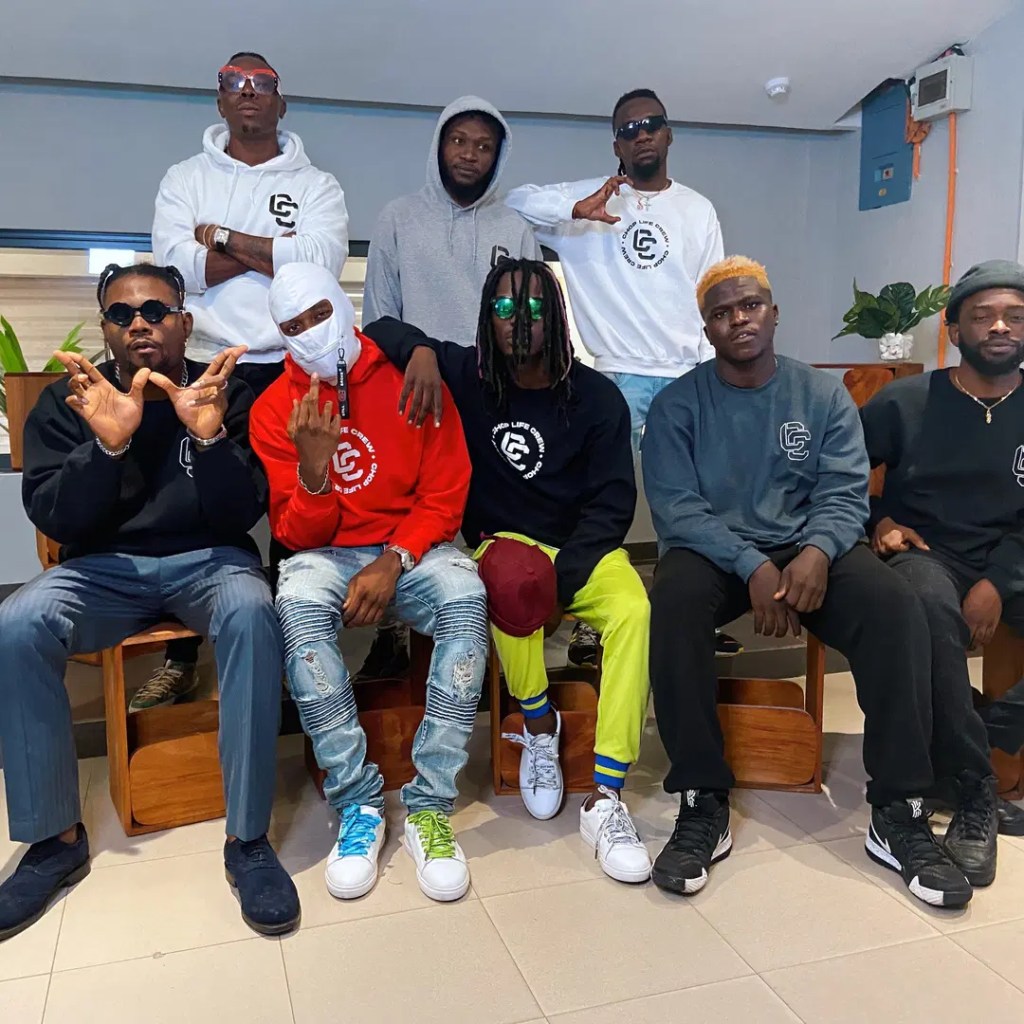
    By 2020, Tim was part of a collective known affectionately as Chop Life Crew, a name inspired by Mojo AF and Prettyboy D-O’s celebratory anthem.

    Tim – That name just made sense at the time. Everywhere we went — me, Mojo, Ronehi — people already associated us with it,” Tim explains. “We made it official. I’ve known Mojo and Ronehi since A-levels. We grew together.”

    The collaboration wasn’t just organic; it was transformative.

    Tim- It’s definitely impacted my music. When you grow with like-minded people like Mojo and Ronehi, it pushes you. If you listen to the music, you hear the growth in production, in storytelling, everything.

    The chemistry, particularly between Tim and Mojo, is evident — especially on “Villagio,” a standout on Spiral.

    Tim- We’ve worked together since uni. That kind of familiarity builds instinct. I don’t have to overthink when I’m working with Mojo. I just see what he’s vibing to, and we go. He’s the best rapper in the country, as far as I’m concerned.


    Introducing Spiral

    Tim’s earlier works — worry > and masta — hinted at something bubbling under the surface. With Spiral, it erupts.

    Tim- It’s more expansive than anything I’ve done. More tracks, more subject matter, more storytelling. I’m talking more. And it’s my first double-sided project.”

    More tracks, more subject matter, more storytelling. I’m talking more. And it’s my first double-sided project.”

    Tim Lyre

    Inspired by old-school double-sided CDs, the idea was both nostalgic and strategic. “

    Tim- Some of my favourite albums came like that. I wanted Side A and Side B to feel different sonically, but still connected. Each side tells its own story.

    So, why the name Spiral?

    Tim- Someone once told me spiraling means something negative, like a downward spiral. But for me, it’s about evolution,” Tim explains. “Life unravels — fast. You chase a dream and sometimes miss what’s happening around you. This album is me making sense of everything that’s happened — as an artist, as a person. It’s my evolution.

    Intentional Collaborations

    From Show Dem Camp to Binta, the album’s features are both eclectic and carefully placed.

    Tim- I’m a studio writer type of artist, so I’m always around other creatives — producers, singers. Some people I connect with online, some through mutual friends. With Binta, for example, we’d been talking since worry < dropped. We finally linked up in London and made ‘Storytime’

    Two standout features — Joshua Baraka (Uganda ) and Manana ( South African) — reflect Tim’s ability to bridge the continent’s sounds.

    Tim- Joshua was unexpected. I love his voice. The label reached out to his team, we were both in London, and it all just aligned. Manana, I’ve never met in person. We connected on Instagram. He sent his part back the same day I sent the song. Crazy.

    Despite producing less than usual, Tim still crafted about 40% of the album’s sound.

    Tim – This time I worked more with others. KC Freeley produced Economy, Lock In, Rocketship. Of course, Ronehi — that’s my long-time guy. We record almost every day. Dare also contributed to this one.

    Bars From Real Life

    Tim even flexes his rap muscles on the album. One of his favorite verses? From “Villagio” with Mojo:

    “My kele just wan go abroad,

    She said she want to hammer, rowo mo japa,

    I say baby what you running from?

    She say baby where I’m coming from,

    I’m tired of niggas, they all do fraud…”

    He laughs.

    That’s real. A real conversation with a babe. She was moving out of the country ‘cause every guy she met was doing fraud. Lagos is not a real place.

    Beyond the Booth: Songwriting and Discovery

    Outside of his own records, Tim is gaining momentum as a songwriter, with credits on Boj’s album and even some work with Adekunle Gold.

    Tim- Writing is new for me, but it’s been fun. There’s less pressure than when I write for myself. I try to step into their perspective. It’s a challenge I enjoy.

    And he’s still discovering.

    Tim – There’s this artist — Braye. Insane. Like a baby Nigerian Chronixx. His project I Wish I Had More Time is what I’ve been spinning lately.

    The Live Experience

    Tim isn’t just releasing music — he’s bringing it to the stage.

    Tim – We’ve got merch coming soon and a live show on September 25th at Camden Assembly — that’s the biggest venue I’ve headlined so far. And we’re planning a show in Lagos towards the end of the year too.

    When asked what he wants fans to take from Spiral, he’s reflective.

    Personally, I hope it helps me break through a certain ceiling. For fans, I just want them to receive it the way I’m giving it — with love. If you’ve followed my music till now, this is just an expansion of all that. And I’m excited.

    As the album builds, one track, Ski, marks a shift in tempo — the bounce kicks in.

    I always wanted to make one of those two-in-one songs,” Tim says. “The first part was inspired by a Boyz II Men song. I wanted to start R&B and then switch to a dancehall vibe. I didn’t know how it would land, but when it was done, I was proud of it.

    From church choirs to Camden stages, from Chop Life Crew to Spiral, Tim’s evolution is unfolding in real time. And if this album is any indication, we’re just witnessing the beginning of his next act.

    By Tosin Tevs for LSTVWW

  • DISCOVERY & DEPTH AT MELTDOWN: KARA AND KONYIKEH TAKE THE PURCELL STAGE

    DISCOVERY & DEPTH AT MELTDOWN: KARA AND KONYIKEH TAKE THE PURCELL STAGE

    One of the underrated joys of festivals — aside from hearing your favourite artists perform your favourite songs — is the discovery. New sounds, new genres, new names that suddenly become unforgettable. That was exactly my experience yesterday at the Purcell Room, tucked inside the Southbank Centre, where I encountered Konyikeh and Kara for the very first time — and I left changed.

    Konyikeh opened the evening with a stripped-down, soul-stirring set accompanied only by her acoustic guitarist. I walked in just as she was performing “Sorrow,” and let me tell you — I felt every word as it poured out of her voice. It was raw, haunting, and incredibly beautiful. There’s a calm confidence in her delivery that holds you tight.

    Then came Kara.

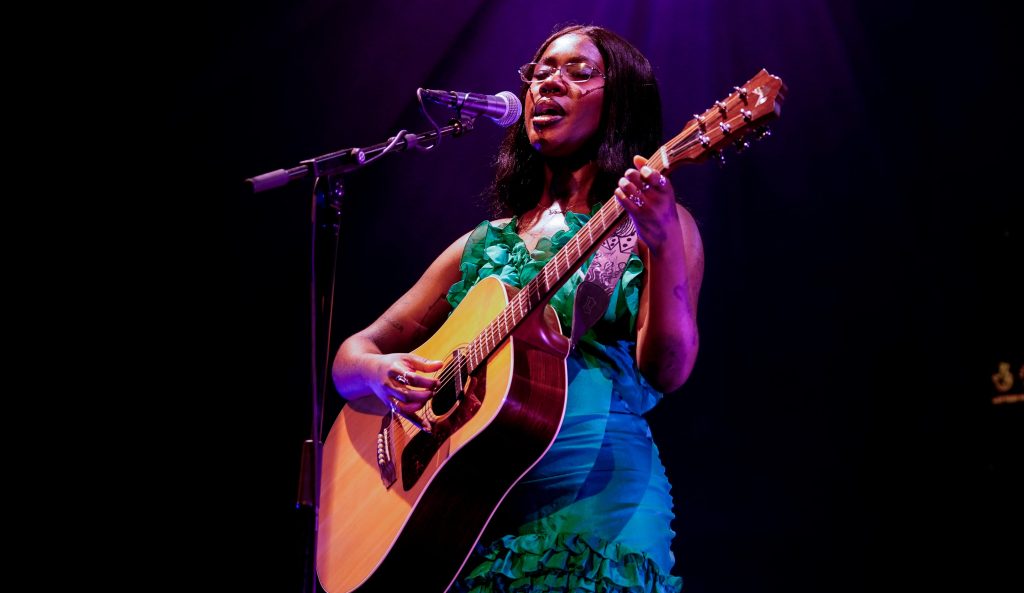
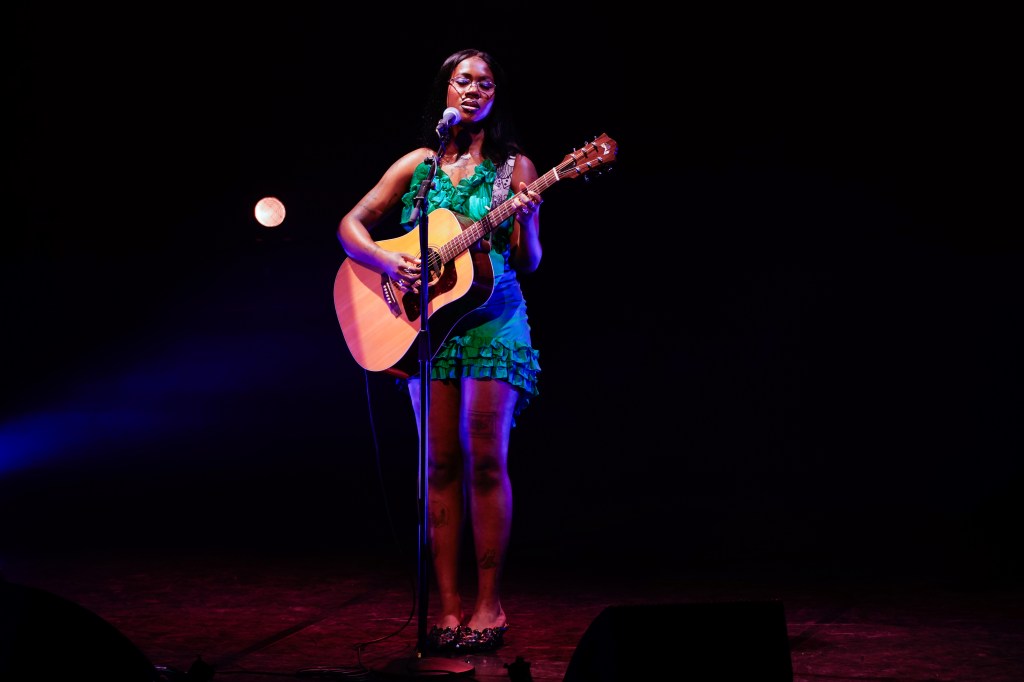
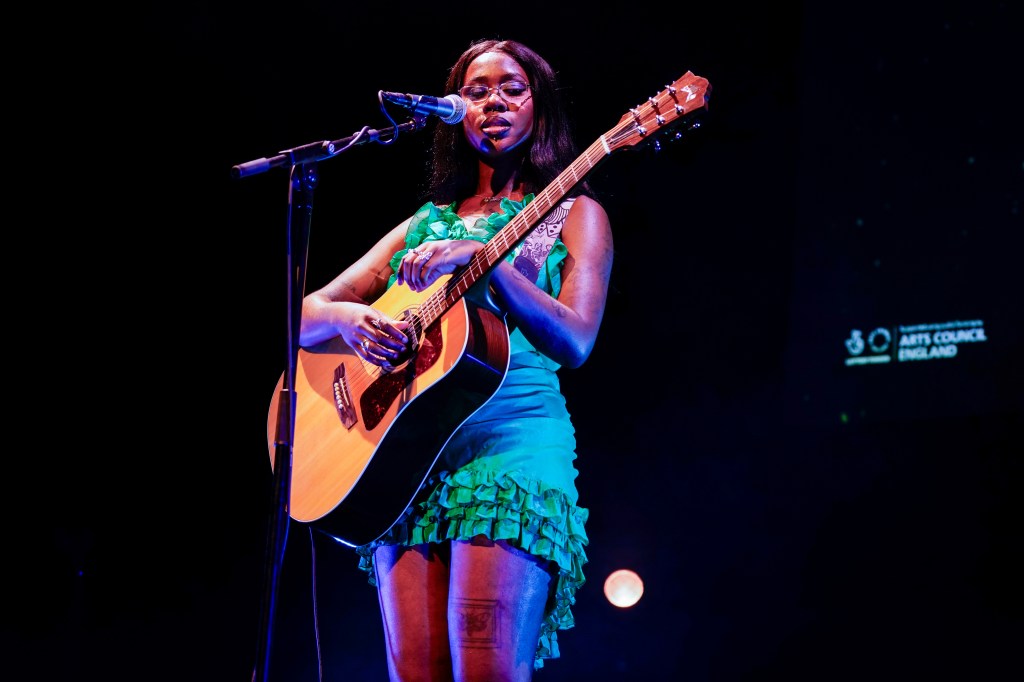
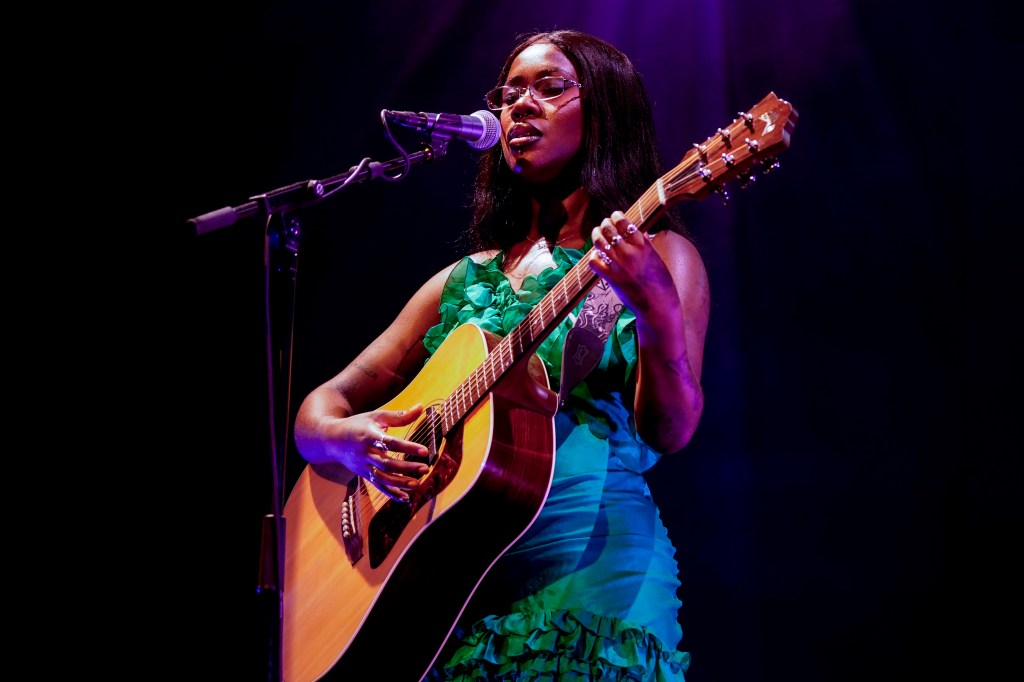
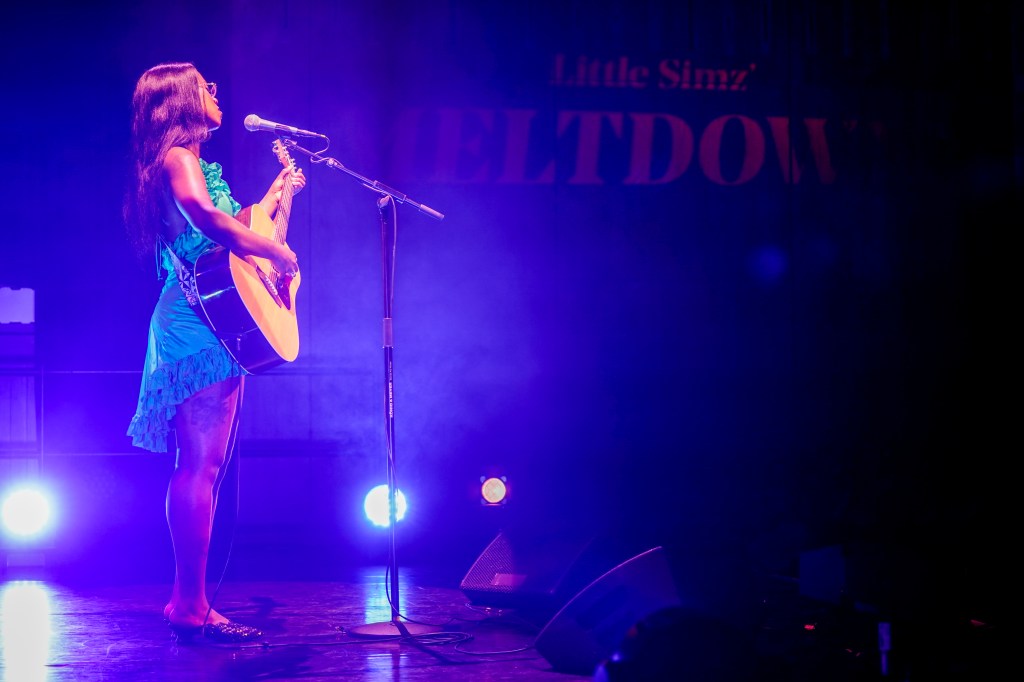
    The hall dimmed. A soft purple strobe lit the stage. Out walked Kara — tall, graceful, guitar in hand, rocking a green dress and small-heeled shoes. She didn’t have to say much; the room was already hers. Her voice — deep, warm, expansive — filled the space immediately as she began her set with “Lil Baby.”

    She performed songs from her latest project, “Why Does the Earth Give Us People to Love?” — including standouts like “Therapy” (a personal fave), “Pawn Show” and more. In between songs, she reflected on writing from as young as 18 and her deep obsession with Amy Winehouse, whose influence was clear in Kara’s own raw, poetic lyricism.

    But Kara wasn’t just soulful, she was real. Between tracks, she cracked jokes in her soft-spoken tone that somehow made us all feel like we were sitting in her living room. She gave a heartfelt shoutout to Little Simz, who curated the Meltdown Festival and brought her to London — even though Kara had promised herself no international flights this year. (I think she’s coming back though… she better!)

    She closed the set with what she playfully called the “most vulgar” track on her project — “Dickhead Blues.” And somehow, even that felt elegant, delivered with confidence, wit and grace.

    For me, this wasn’t just a performance — it was an ushering into the universe of a vocal powerhouse with enigmatic writing and a grounded presence. Kara, if you’re reading this, London is ready for more.

  • Saturday Night Was About Tiwa Savage — And Meltdown Will Never Be the Same

    Saturday Night Was About Tiwa Savage — And Meltdown Will Never Be the Same

    The moment I saw Tiwa Savage listed as one of the headliners for this year’s Meltdown Festival, curated by Little Simz at the iconic Southbank Centre, I knew exactly what I was in for — a time. A time down memory lane, a time of angelic vocals, pure creative energy and nostalgia wrapped in elegance.

    Tiwa’s music has soundtracked so many moments for me. Once Upon A Time, my cousin and I used to drive to my internship in Lagos, blasting her debut album in an old Honda Civic like it was gospel. So, this being my first time seeing her live, the expectations were high — and she met every single one.

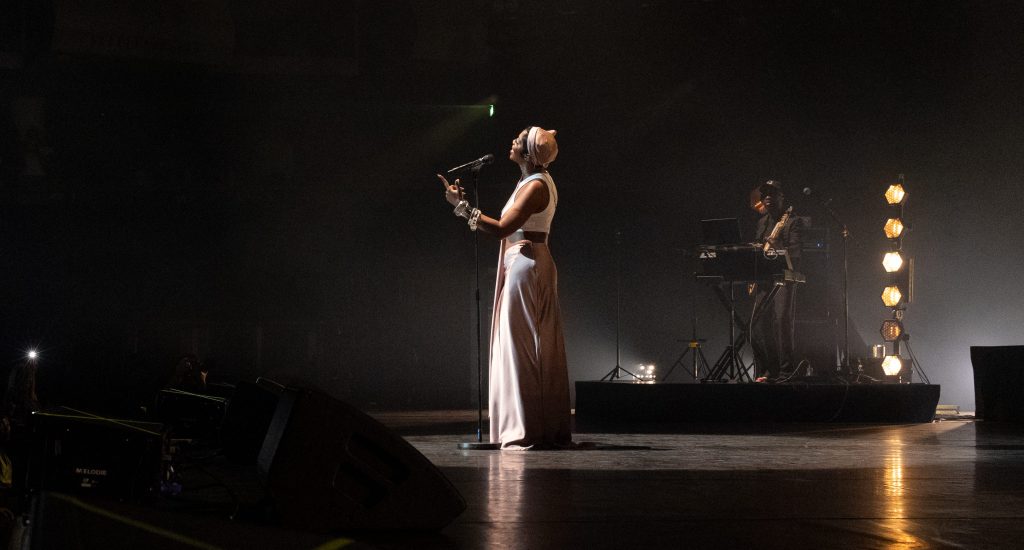
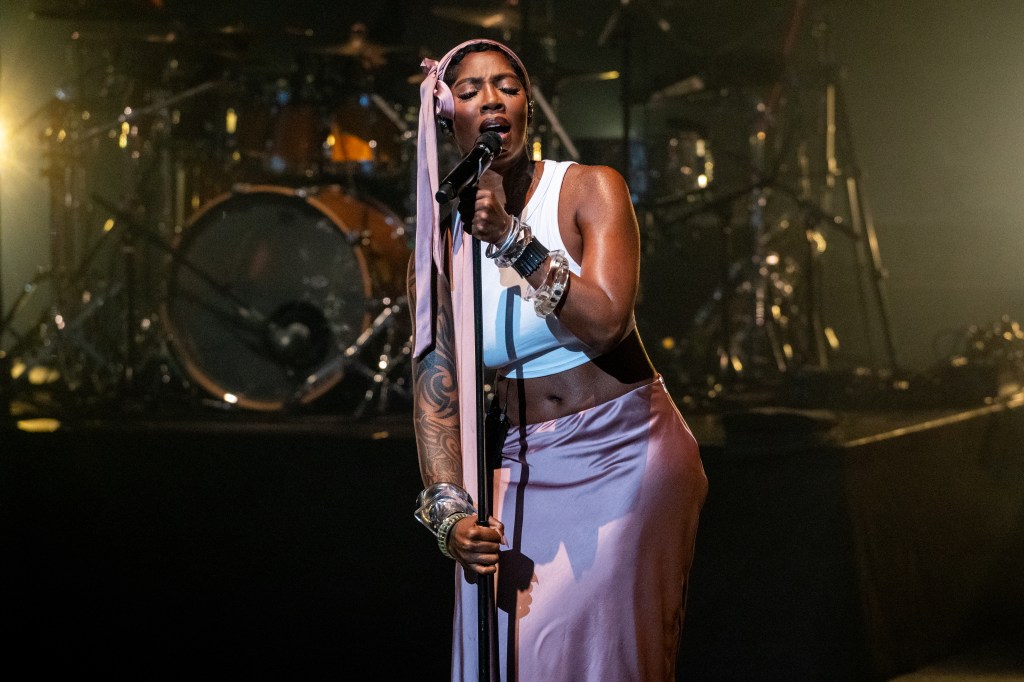
    Let’s start with how early she hit the stage — no delays, no fuss — just a cinematic, spellbinding intro that pulled us straight into her world. She opened with “Save My Life” from her Celia album, and from there, it was hit after hit, moment after moment. Sometimes we stood in awe, other times we sat back and let the vocals wash over us.

    And she’s funny too? Tiwa had us cracking up in between songs, throwing in cheeky self-praise that the crowd absolutely ate up. “Talk your sht, girl!”* someone screamed, and we all agreed. She gave love to her mum, her dad, her friends, even her English teacher in the audience — it was giving love, gratitude, and legacy.

    But wait — I’m not even done.
    After the show, I got to meet her backstage and… let’s just say I froze. Cold feet. I said absolutely nothing that made sense. But it didn’t matter. I’d just witnessed the queen of Afrobeats in her full glory.

    Can’t wait to experience her again.
    This one? I’ll remember for a long, long time.

    Images by : Cellotapes for Meltdown Festival 2025