Tag: rock

  • The Ego-Less Handshake in Afrobeats

    The Ego-Less Handshake in Afrobeats

    Written by: Abdulmuqsit Idowu
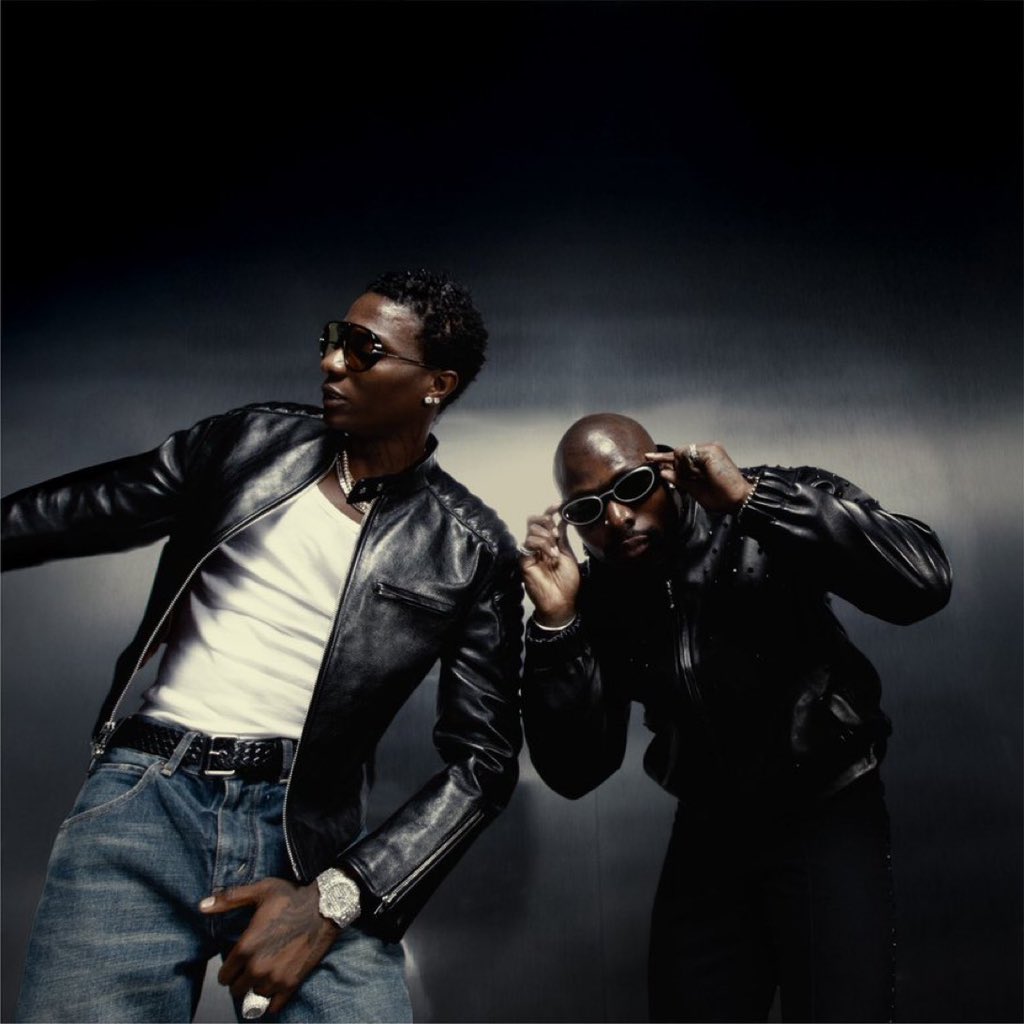
    There is a specific kind of electricity that hits the timeline when a massive joint project is announced. It feels different from a solo album rollout; while a solo body of work is a statement of self, a joint project is a high-stakes conversation—and honestly, it’s the ultimate ego-check. Right now, it’s time for Real Vol 1 from Wizkid and Asake, which in all senses we are incredibly lucky to be getting. In an industry often paralysed by “Who is bigger?” and “Who has more streams?”, seeing the architect of the 2010s global run trade verses with the undisputed landlord of the 2020s is a massive win for the culture. It’s a refreshing outlier, proof that when the music is right, the generational gaps and the towering egos simply take a backseat.

    I’ve always felt that the African music landscape finds its greatest strength in these rare, concentrated collisions. Unlike a standard feature—where an artist just “pops in” for a quick 16 bars, a joint project requires building an entirely new world. We saw this tectonic shift back in 2015 with Olamide and Phyno’s 2Kings. That wasn’t just an album to me; it was a cultural treaty. Seeing the King of the West and the Eze Nnunu of the East shake hands on a full-length record told the streets of Lagos and Enugu that we were all on the same frequency. It proved that our local dialects weren’t only “indigenous”—but the main event. If you want to talk about drama-turned-classics, we have to look at Bnxn and Ruger’s RnB. For years, we watched them trade subs on Twitter over “solo hits” vs “features” and who had the better numbers. Then, out of nowhere, they hopped on a flight, sat in a room, and knocked out a seven-track EP in just three days. Sonically, it’s a masterclass in chemistry—Bnxn’s “velvet and honey” hooks meeting Ruger’s gritty, dancehall-inflected delivery. It transformed a public rivalry into a shared victory lap that solidified proving that an alliance will always be more powerful than an enemy.  

    The impact of these alliances often dictates the very “vibe” of our lives for years. Think back to the mid-2010s when the energy between Nigeria and Ghana was at its peak. Those collaborative efforts between the likes of Mr Eazi and Juls literally slowed down our heartbeats. They took us from the frantic dance steps of the early 2010s into a smooth, “Pon Pon” highlife-infused era that had everyone leaning back in the club instead of sweating through their shirts. These projects are like the secret R&D labs of Afrobeats; they test the sounds that eventually become our personality for the next three Decembers.
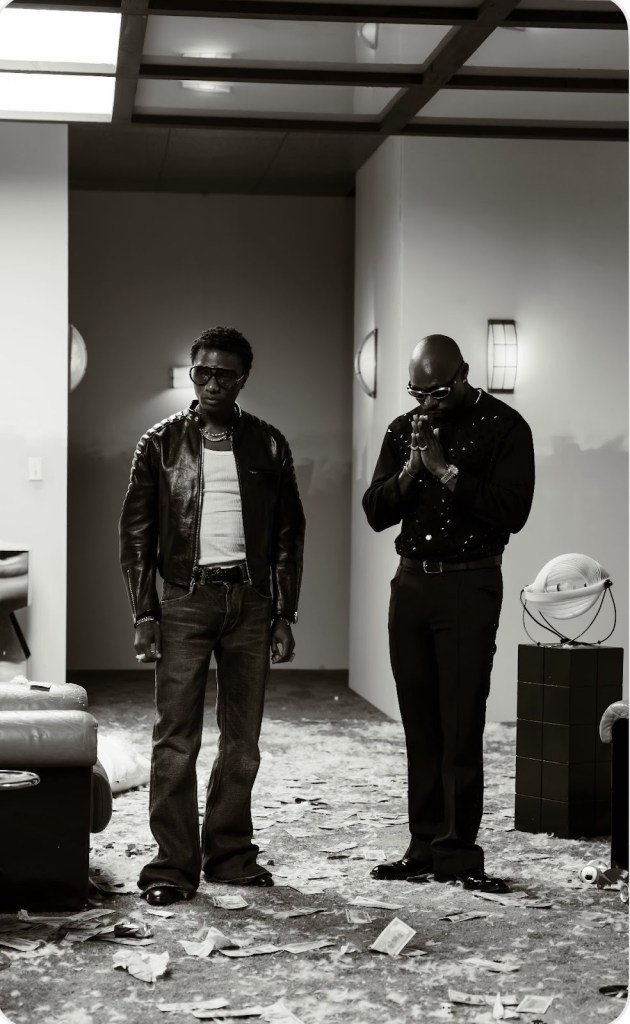
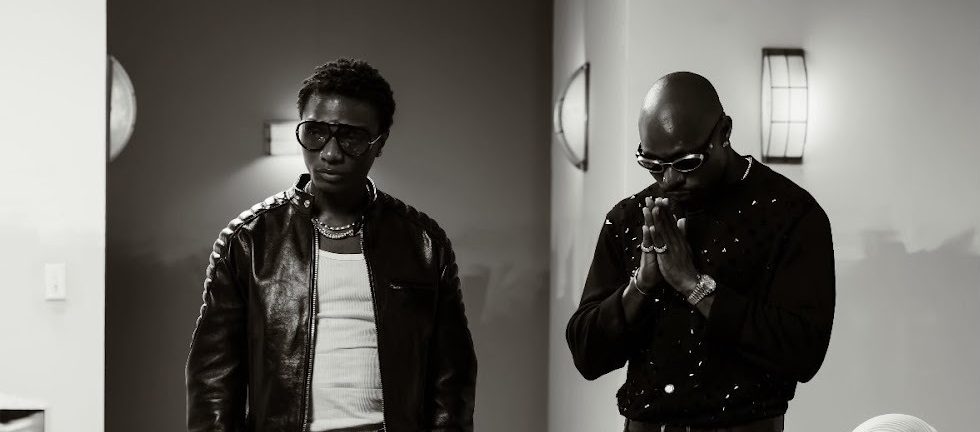
    What really gets me excited about Real Vol 1 is the “coronation” factor. When a titan like Wizkid shares the marquee with a force like Asake, it’s the ultimate flex of confidence. Wizkid has mastered this polished, “expensive” minimalism that feels like a chilled glass of wine on a private jet. Then you have Asake, whose sound is like a frantic, beautiful Lagos rush hour—choral, urgent, and deeply rooted in Fuji. Watching these two sonic worlds collide is fascinating because it’s a handshake between the veteran’s poise and the newcomer’s hunger, plus you could tell both of them genuinely enjoy each other’s company. Remember the “big brother, small brother” energy that completely took over our feeds some months back, seeing them buddy up on their Apple Music radio takeover and joke around for Instagram’s Close Friends Only series made the internet pause a little from stan wars, but enjoy a lovely, wholesome environment, maybe i’m living in a bubble who knows, but it’s rare to see that level of unfiltered love in such a high-pressure industry, and it makes the music on the project feel so much deeper knowing it comes from a place of actual friendship. 

    Ultimately, these bodies of work remind us that we’re part of a continuum. In an industry where everyone is constantly fighting for a singular crown, the joint project is that rare moment where two giants decide the kingdom is better served by a shared vision. It’s a bridge between the legends we grew up with and the superstars we’re stanning today. I don’t see this as a new tracklist or just another collaboration; we’re witnessing a legacy being reinforced in real-time, and I for one am just happy to be here for the ride.
  • Review: The Cavemen Didn’t Just Drop an Album—They Reopened the Village Square

    Review: The Cavemen Didn’t Just Drop an Album—They Reopened the Village Square

    By Lawrence Hart

    Their vision is intentional. Blending heritage and global, modern fame. So the album isn’t just nostalgic, it’s forward-looking while anchored in tradition

    The cavemen have mastered the art of bringing that African highlife experience into the modern-day reality. The type of music that’s played under a palm tree, with the steady huns of local African drums playing. The type of music that is all about community, the shared laughter, the shared kola nut, the clinking of calabashes filled with palm wine, and the steady hum of guitars echoing stories of love, wisdom, and joy. And no better piece of work captures all of that like the cavemen’s

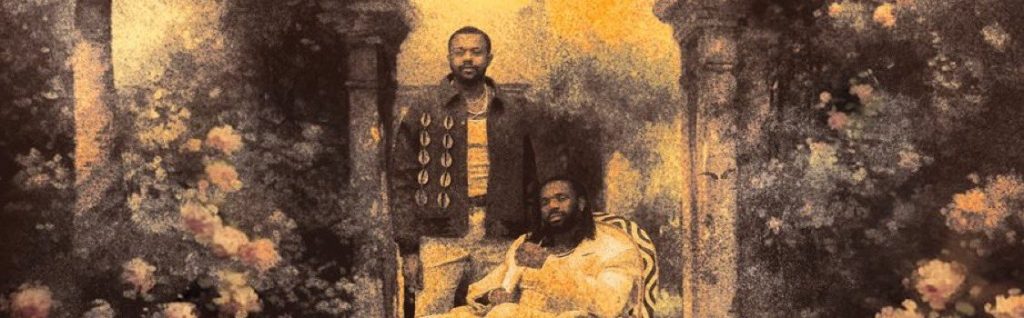
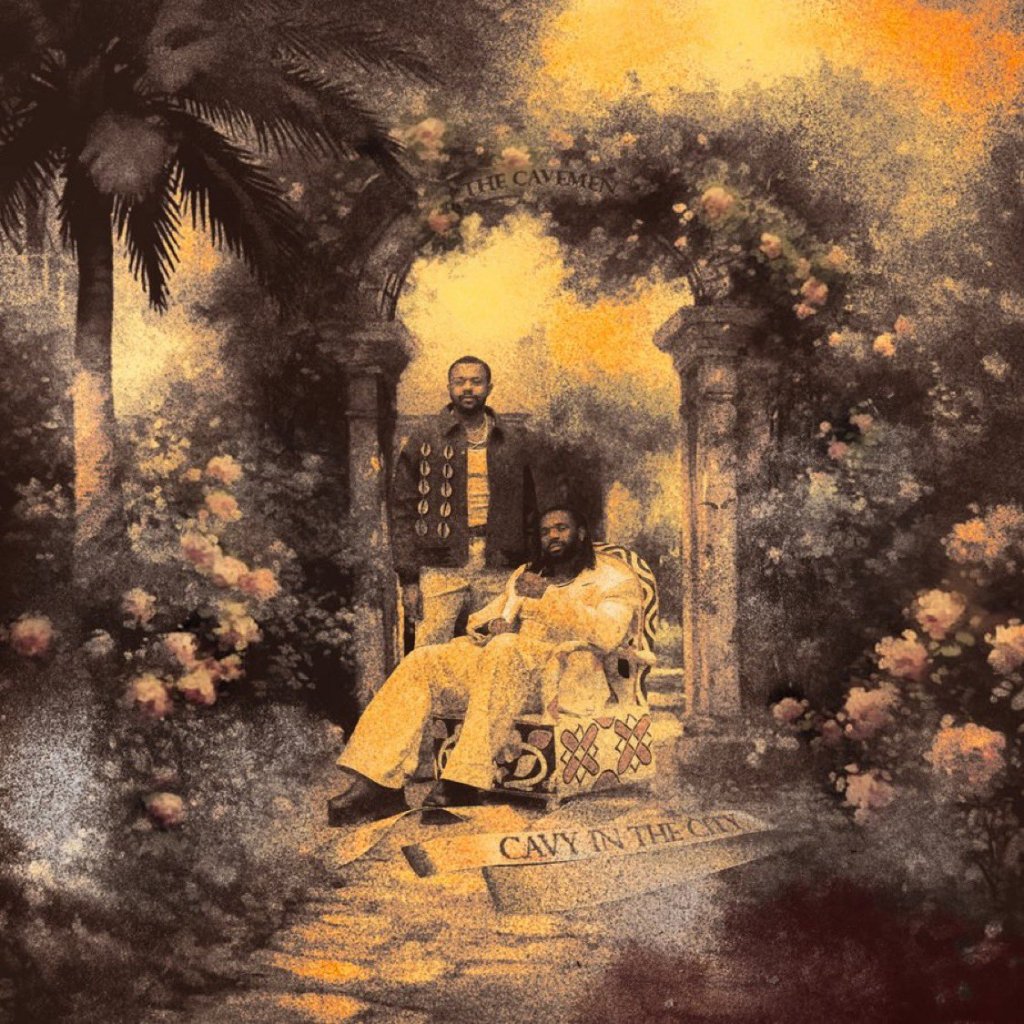
    “Cavy in the City”. 

    One thing that stands out with the cavemen is how consistent they have been over the years. They don’t chase trends, but rather refine their style to appease their audience. That commitment to live instrumentation in an era of heavy digital production gives their work texture and depth. Their vision is intentional. Blending heritage and global, modern fame. So the album isn’t just nostalgic, it’s forward-looking while anchored in tradition.


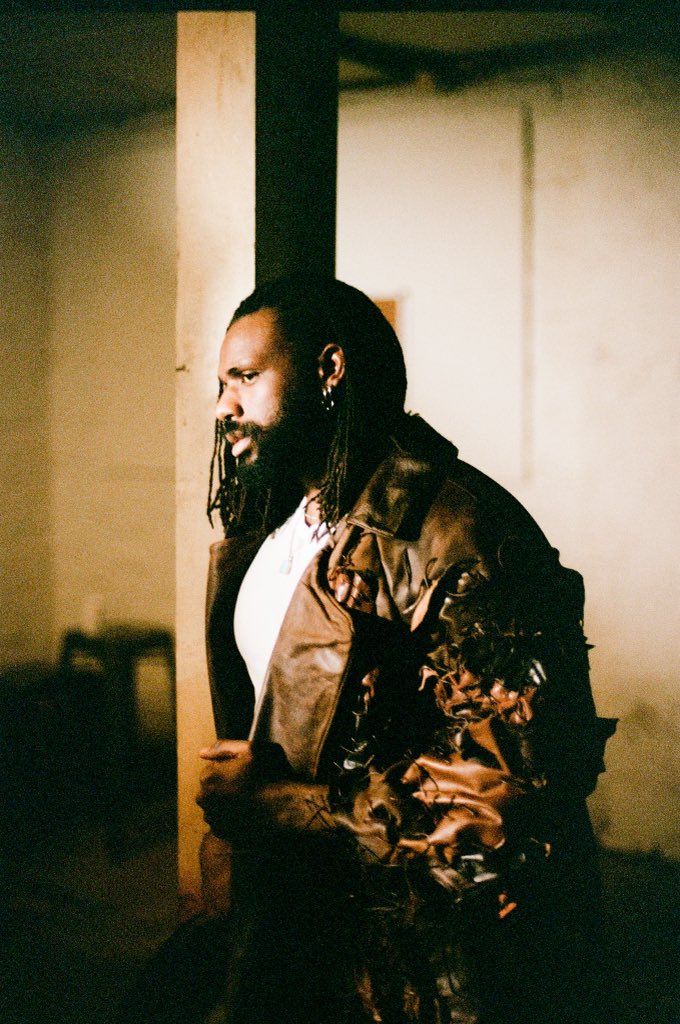
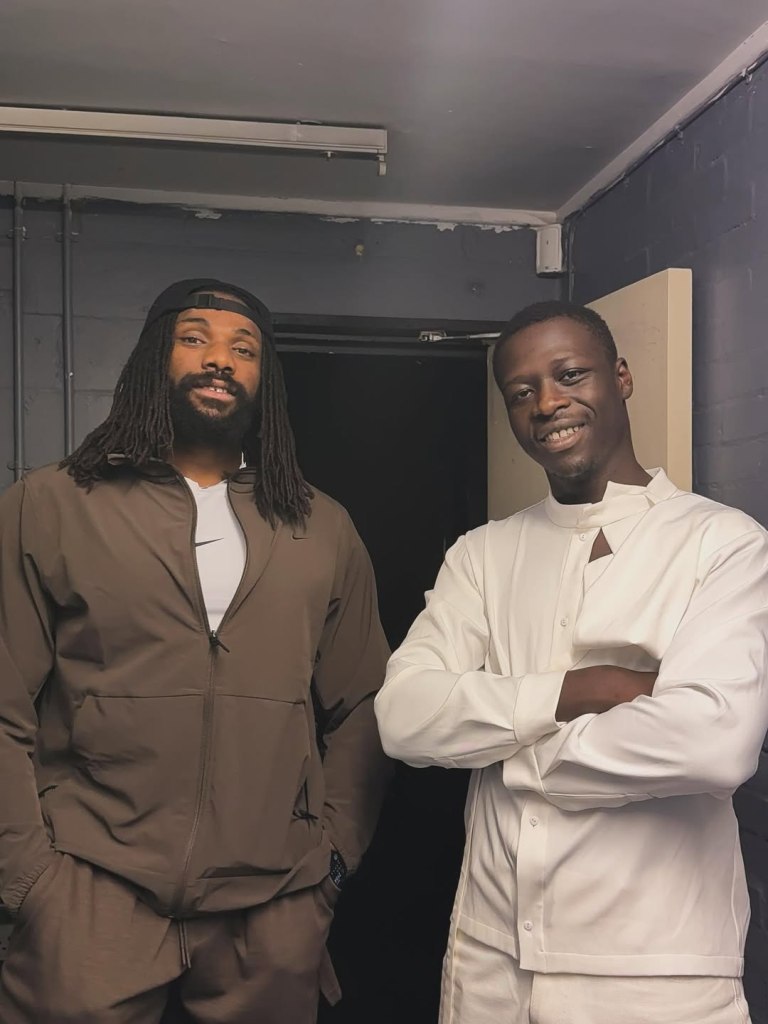
    Benjamin & Kingsley of The Cavemen

    Now let’s dive into the Cave. Grab your cold palm wine and journey with me.

    Released in October 2025, Cavy in the City is a 13-track, 38-minute journey that bridges heritage and modernity.

    A Warm Welcome to the Cave

    The album opens with Welcome to the Cave, and it feels exactly like a moonlight tale. The Cavemen. use this introduction to pay homage to the “ancestors” of highlife. The pioneers who laid the groundwork for the beauty of the genre we all enjoy today. It’s the perfect opener: reflective, inviting, and rich with reverence. From the first notes, you know you’re in for a journey through rhythm, culture, and memory.

    Keep Moving — Featuring Angélique Kidjo

    Track two, Keep Moving, features the legendary Angélique Kidjo. The pairing feels symbolic a union of African generations. The song’s groove carries the unmistakable influence of Fela Kuti, with infectious horns and layered percussion driving a message of persistence and optimism. The title itself feels intentional: an encouragement to stay in motion, to keep dancing, to keep living to keep moving.

    Adaugo — Daughter of Wealth.

    Then comes Adaugo — “the wealth of her father.” You know those women that you only see once in a lifetime, fair, blessed in the right places that you can risk everything for. Yes, you know what I’m talking about and you have definitely met one or two. That’s what this track gives 😂. I won’t be explaining further.

    Signs and Wonders

    Signs and Wonders delivers exactly what its title promises. It delivered signs and wonders to my ears. It’s a soothing track, gentle, peaceful, and mesmerizing. The instrumentation here is especially rich, filled with harmonies and tones that wash over the listener like a Sunday morning breeze.

    Gatekeepers — Featuring Pa Salieu

    One of the album’s standout collaborations, Gatekeepers featuring UK rapper Pa Salieu, feels like putting a round peg in a round hole. Pa Salieu’s energy perfectly complements The Cavemen.’s groove. The fusion of highlife and contemporary Afro-fusion creates something fresh and urgent.  A song that questions power, access, and authenticity without losing its rhythm.

    Paddling and Chameleon

    Paddling is pure nostalgia; it takes you right back to those childhood days in Sunday school, singing playful rhymes to close the service. It’s lighthearted and filled with innocence. Then, Chameleon flips the tone. It’s the aftermath of Adaugo— when the love you risked everything for starts revealing her “true colours.” The storytelling here shows The Cavemen’s knack for weaving humour and heartache into everyday experiences. Ohhh, what a joy to experience music!!

    Mama Speaks & Onwunwa Celestine — The Perfect Farewell

    The closing tracks, Mama Speaks and Onwunwa Celestine, feel like parting words from a village elder, wisdom, prayer, and a sense of closure. They bring the listener gently back from the journey, reminding us that every story, every groove, must eventually find its rest. It’s a graceful, emotional exit from the cave.

    On “Cavy in the City”, they maintain that live-band, analogue warmth approach. The kind of warm music that you play on a Sunday afternoon gathering.

    Production and Song Writing.

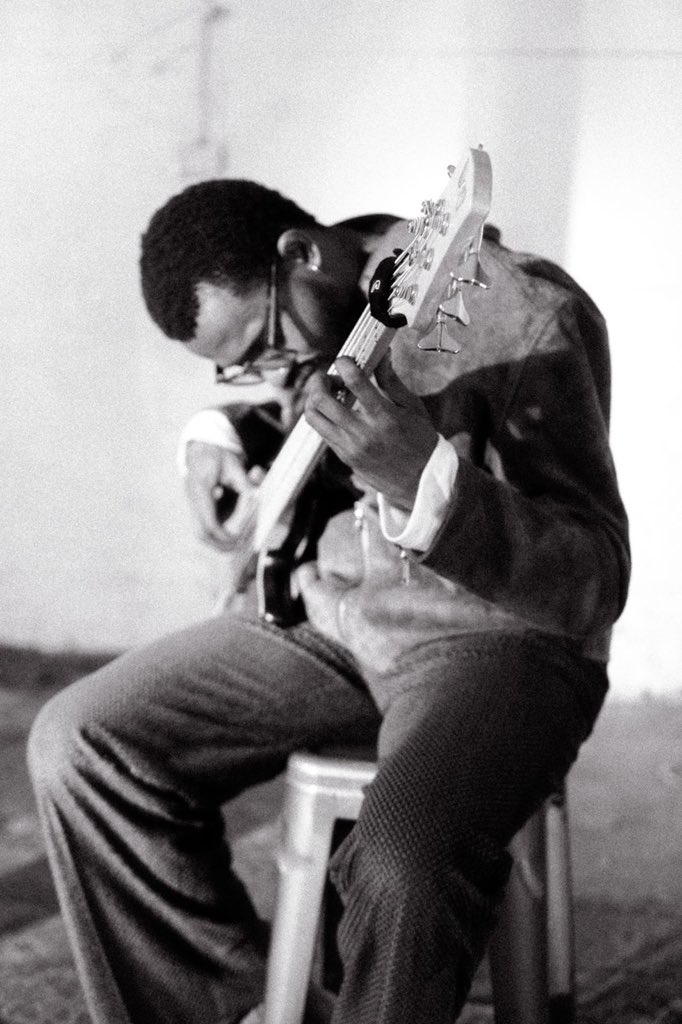
      Kingsley Okorie handles much of the production programming and composition for the duo. Benjamin James anchors the live rhythm section (drums); their sound has always been built on live instrumentation(bass + drums + guitars + horns) rather than purely programmed beats. For example, their debut  Roots (2020)  was entirely written, vocalised and produced by them.

    On “Cavy in the City”, they maintain that live-band, analogue warmth approach. The kind of warm music that you play on a Sunday afternoon gathering.

    The writing largely appears to be the cavemen’s domain. They write songs, arrange instrumentation, lead vocals and harmonies. Some tracks might involve co-writing with features (especially in the verses of guest artists) but the backbone remains theirs.

    Final Thoughts

    Cavy in the City is a celebration of heritage a perfect blend of Igbo highlife and modern storytelling. The Cavemen. continue to champion live instrumentation and lyrical simplicity that connects directly to the soul. Fans of legends like Rex Lawson will find comfort here, but so will a new generation seeking authenticity in today’s soundscape.

    The production is clean, the collaborations feel purposeful, and the spirit of highlife remains intact. In instrumentation you will find warm baselines, bright clean guitars,horns, layered vocal harmonies (often in Igbo + English/pidgin), live drums and percussion that swing rather than follow programmed rigidity. The production preserves micro-timing and feel 

    The sequencing of the album also reflects a “Journey ” feel: The introductory track “Welcome to the Cave” into city-groove tracks, features, reflective songs, then returning home in the closing (“Mama Speaks”, “Onwunwa Celestine”). This shows they are thinking not just track-by-track, but as a crafted album.

    Verdict :  A beautifully crafted highlife album that honors tradition while dancing boldly into the city lights

    Rating: 4 out of 5.
  • Casa Mìra Mar:June Freedom’s Ocean of Sound

    Casa Mìra Mar:June Freedom’s Ocean of Sound

    By TOSINTEVS 

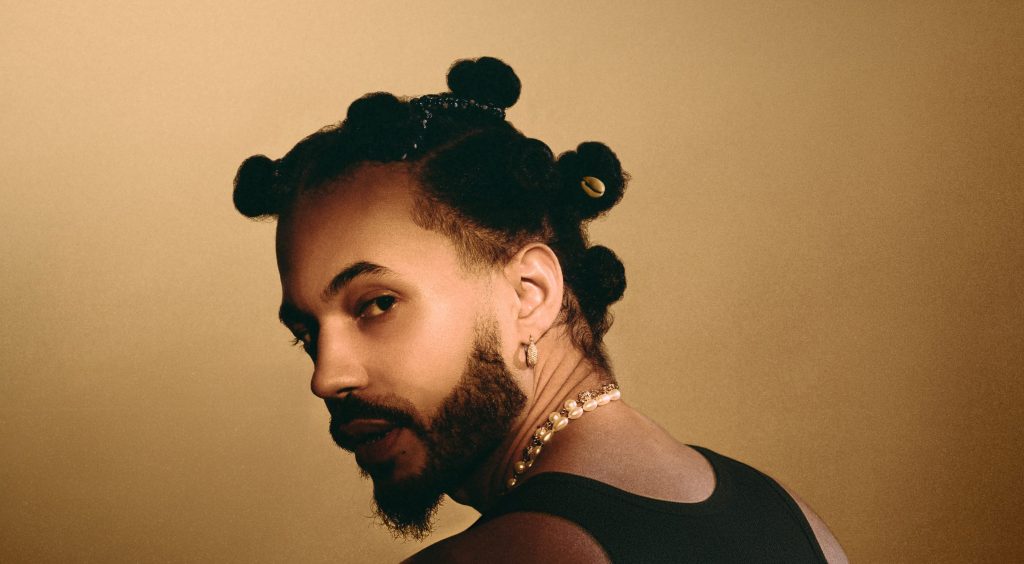
    Some artists find their sound. Others build it — layer by layer, language by language, experience by experience. For June Freedom, music is not a place you arrive at. It’s something you return to. Again and again.

    His latest album, Casa Mìra Mar, is more than a record. It’s a homecoming. A love letter to Cape Verde. A passport stamped with rhythm and memory. And perhaps most importantly, it’s a mirror reflecting the life of an artist whose identity was never meant to fit into one culture, one genre, or one lane.

    A Cape Verdean Soul, Raised in Motion

    “I was born in the U.S.,” June tells me, “but from the age of three to fifteen, I lived in Cape Verde. That’s where everything started.”

    His mother, a restaurant owner on the island, gave him more than a roof — she gave him a stage. “From age ten, every weekend, I’d be at my mom’s restaurant watching live bands perform. I was obsessed,” he recalls. “It’s literally where my career began. I’d just stand there watching how they did it, learning, feeling. That was my music school.”

    But Cape Verde wasn’t just about music. It was about culture, community, and presence. “My island was calm. People went inside by 8 p.m. I’d spend days riding horses in the countryside with my cousins, surfing at the beach, listening to traditional music. I didn’t even know who Prince was. I only knew Bob Marley.”

    When he moved back to Boston at 15, it was like landing in another world. “The West changed everything,” he says. “The hustle was different. The music, the language, the lifestyle — it was fast. Aggressive. Intense. I discovered DMX, Usher, 50 Cent, Linkin Park. I was being hit with all these new sounds and I didn’t know how to process it.”

    That transition sparked a creative crisis — and eventually, a creative revolution. “It took me a decade to understand my sound,” he says. “I didn’t have an identity for a long time. I had to live life, make mistakes, and feel things before I could create from a real place.”

    From Student to Storyteller

    The turning point came in Los Angeles, where June spent five years in quiet development. While others rushed to release, he focused on learning.

    “LA was my experimental phase. I wasn’t just creating for myself — I was learning how to write for others, how to play instruments, how to listen professionally. I worked on songs for artists like Swae Lee and The Weeknd. I had to sit in sessions and be a fly on the wall. That taught me everything.”

    Eventually, the desire to create his own voice grew louder.

    “After a while, I said, ‘I’m ready for my own shit.’ And I went back to the essence.”

    That essence is Casa Mìra Mar , a project that bridges continents and connects past and present.

    “My grandfather had a store back home called Casa Mira Mar,” he explains. “You could see the ocean from there. You could see another island. It was peaceful. This album is that store — a place of calm, of connection, of perspective.”

    He continues, “There’s a lot going on in the world right now. I wanted this album to feel like an escape. Like a slow ride by the ocean. Like peace.”

    Building a Sonic Diaspora

    Across 12 songs, Casa Mira Mar fuses Afrobeat, R&B, Latin, Cape Verdean folk, and subtle rock influences into a seamless body of work. There’s “Spiritual”, a hypnotic anthem with militant drums and Afro-fusion bounce. There’s “Girls Like Shade” with Ghanaian-Dutch artist Nana Fofie, and “Oh My Lady”, a standout Afro-pop duet featuring Nigerian talent Abolaji Collins, whom June jokes he “stole from L.A.X.”

    “He did the guitar, wrote the hook — I just re-sang it and added my verses. He’s my brother. A real one,” June says. “That one has a real Nigerian vibe, but I made it my own. You can feel the influence, but it’s still me.”

    What makes the album even more special is the organic way it came together. “It was supposed to be a six-song EP,” he admits. “Then it turned into 12. It took a year and a half. Nothing was forced. Every feature, every verse happened naturally.”

    One of the album’s most magical collaborations came by chance. “There’s a track called Dorama. I met a girl named Lua de Santana at my show in Spain. Her friend brought her. Six months later, I saw a video on Instagram, and I’m like, ‘Who is singing this?’ She goes, ‘That’s me.’ I was like, ‘Bitch, you didn’t even tell me you make music!’ So I sent her a track. She killed the verse. Now she’s part of the album.”

    This kind of serendipity defines June’s creative process. “It never happens the same way twice,” he says. “I don’t chase formulas. I chase feeling.”

    “You Hear Everything in Me”

    Trying to box June Freedom into a single genre is a losing game. “Editors always ask me, ‘Is it R&B? Is it Afrobeats? Is it Latin?’ I’m like, ‘Yes.’ I grew up with African drums. We were colonized by the Portuguese. I live in America. I speak Creole, Portuguese, Spanish, and English. You’re going to hear all of it.”

    His core collaborators, Ergin and Eric, Dutch producers based in Rotterdam, have helped him shape that blended identity. “Their textures are like fine wine. It just works with my tone. I’ve tried working with other producers and it’s never the same. These are my ninjas. I keep them tucked.”

    Still, he’s been expanding — working with BlaiseBeats, Kel P and others. “The next project’s going to have a lot of Nigerians,” he hints. “I just sent something to BNXN.”

    Presence Is the Point

    The emotional core of Casa Mira Mar is rooted in memory — of home, family, and simplicity. “I remember my grandfather. He was that guy. He’d drive through the countryside and honk at every single house. Everyone knew him. This album is for him. For that version of peace.”

    Even the album’s outro, “Leban Ku Bo”, sung in Cape Verdean Creole, is poetic closure. “It means ‘Take me with you.’ It’s about love, longing, and letting go. It’s the most personal one. It just felt right to end there.”

    When asked what he wants listeners to feel, June doesn’t hesitate: “I want you to feel present. I want you to feel peace. I want you to feel love. I want you to feel connected to yourself.”

    The Road Ahead

    Following a sold-out listening party in Paris and growing buzz across Europe, June is planning a tour with dates in the Netherlands and London. “You better come see this shit live,” he grins. “I’m bringing the ocean with me.”

    He’s also using his platform to shine light on lesser-known artists from Cape Verde and beyond. “Look out for Maida Andrade, Dino Santiago, Ellie Delmeda. Cesária Évora opened the doors for us — we have to keep it going.”

    June Freedom isn’t here to follow trends. He’s here to document the diaspora. His music is memory. His voice is migration. And his albums — especially Casa Mira Mar — are sacred spaces where tradition, evolution, and rhythm can all exist in harmony.

    “I’m not trying to be anyone else,” he says. “I just want to be present. And I want my music to help people feel that, too.”

  • DISCOVERY & DEPTH AT MELTDOWN: KARA AND KONYIKEH TAKE THE PURCELL STAGE

    DISCOVERY & DEPTH AT MELTDOWN: KARA AND KONYIKEH TAKE THE PURCELL STAGE

    One of the underrated joys of festivals — aside from hearing your favourite artists perform your favourite songs — is the discovery. New sounds, new genres, new names that suddenly become unforgettable. That was exactly my experience yesterday at the Purcell Room, tucked inside the Southbank Centre, where I encountered Konyikeh and Kara for the very first time — and I left changed.

    Konyikeh opened the evening with a stripped-down, soul-stirring set accompanied only by her acoustic guitarist. I walked in just as she was performing “Sorrow,” and let me tell you — I felt every word as it poured out of her voice. It was raw, haunting, and incredibly beautiful. There’s a calm confidence in her delivery that holds you tight.

    Then came Kara.

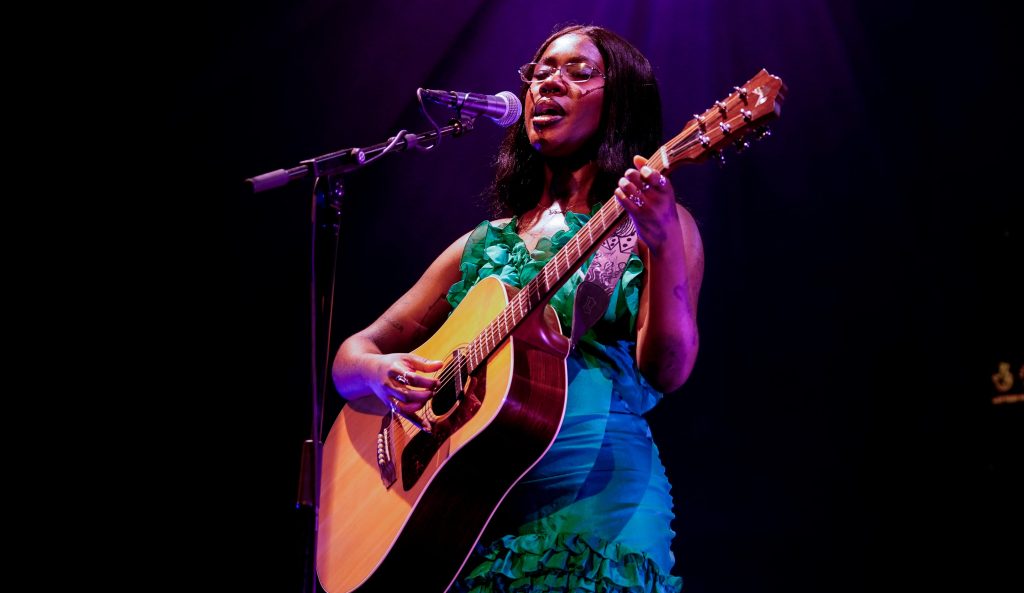
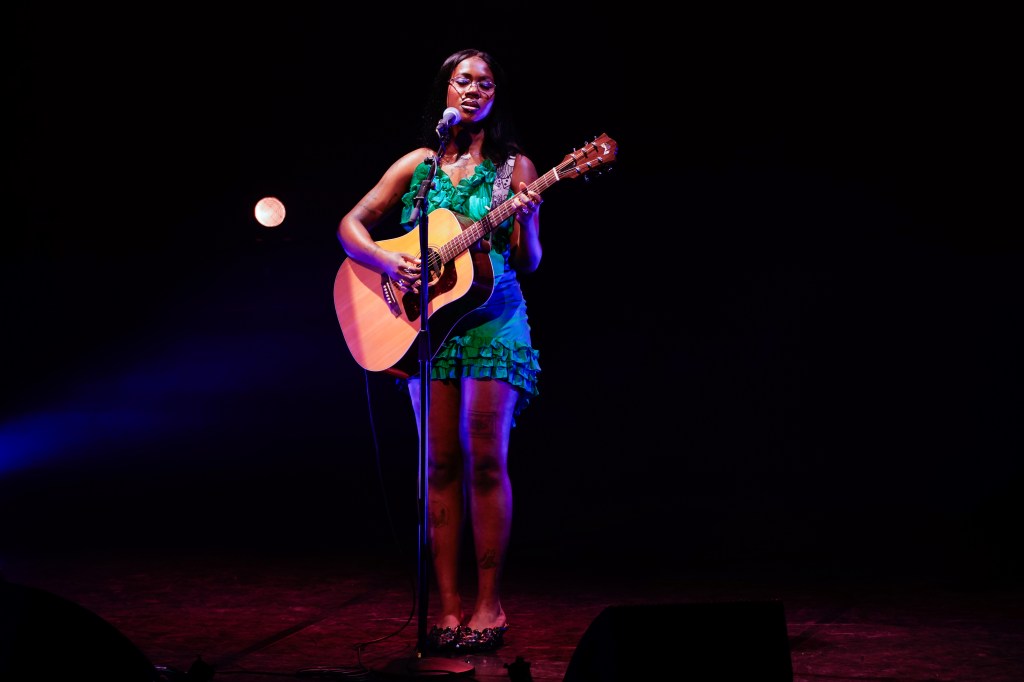
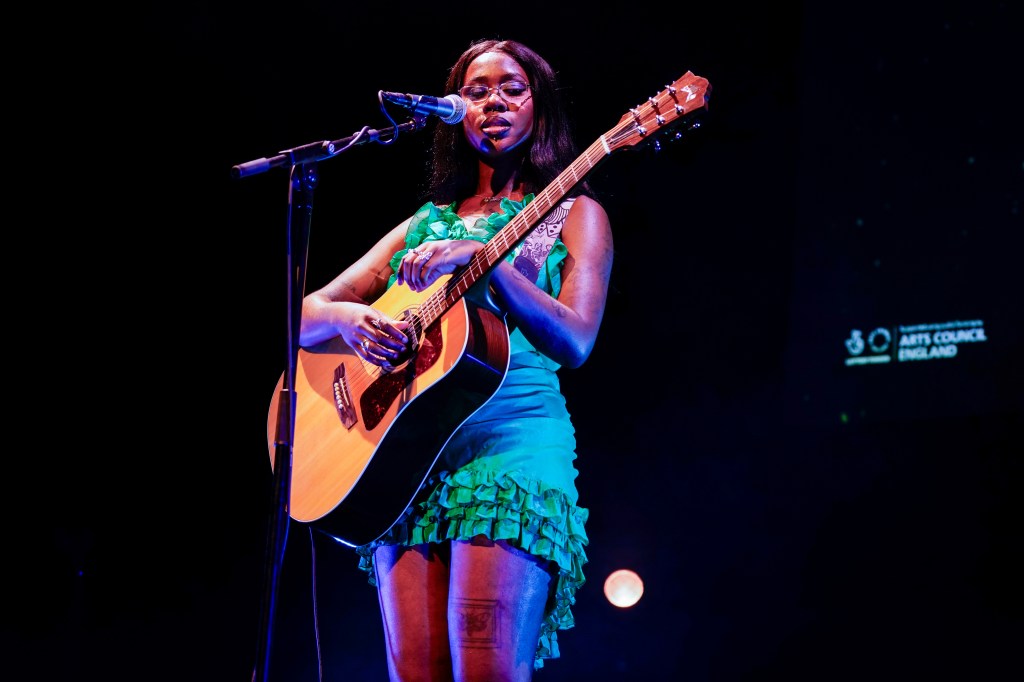
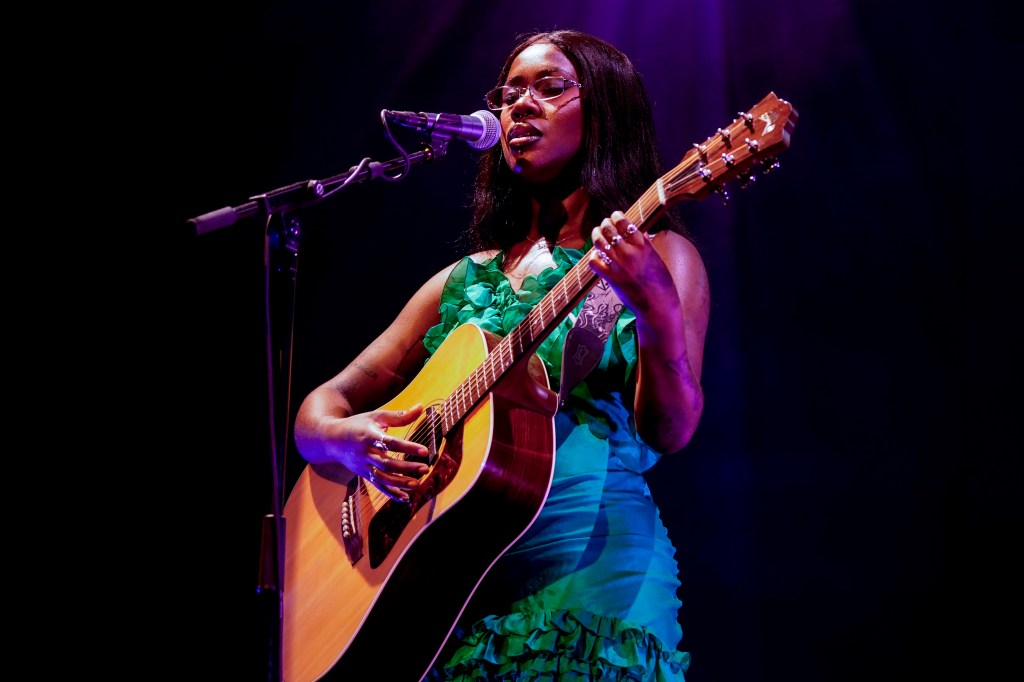
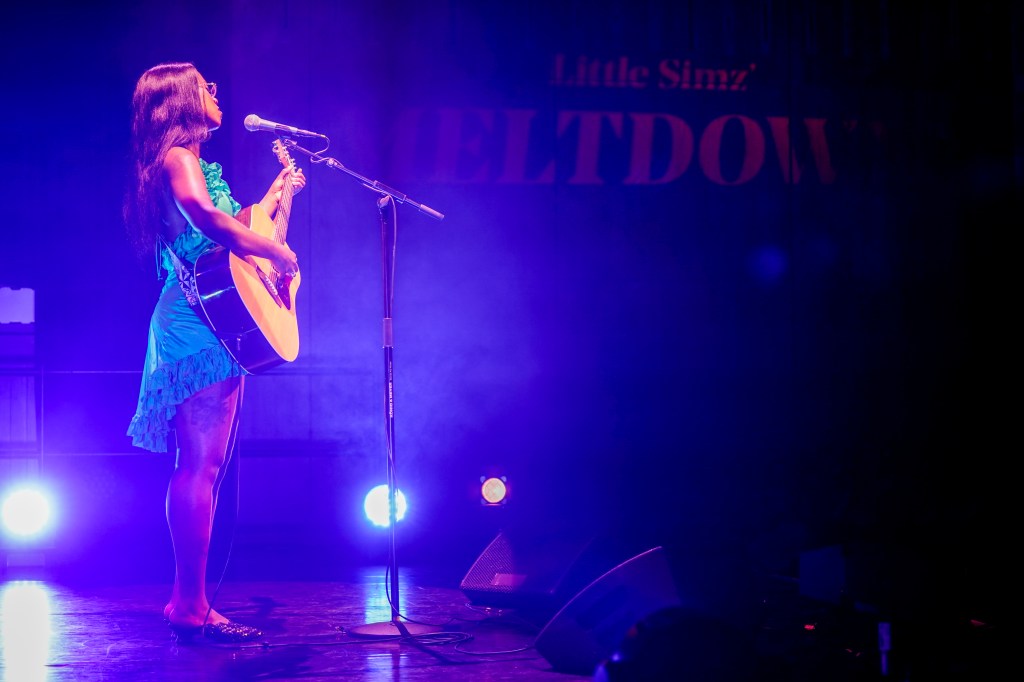
    The hall dimmed. A soft purple strobe lit the stage. Out walked Kara — tall, graceful, guitar in hand, rocking a green dress and small-heeled shoes. She didn’t have to say much; the room was already hers. Her voice — deep, warm, expansive — filled the space immediately as she began her set with “Lil Baby.”

    She performed songs from her latest project, “Why Does the Earth Give Us People to Love?” — including standouts like “Therapy” (a personal fave), “Pawn Show” and more. In between songs, she reflected on writing from as young as 18 and her deep obsession with Amy Winehouse, whose influence was clear in Kara’s own raw, poetic lyricism.

    But Kara wasn’t just soulful, she was real. Between tracks, she cracked jokes in her soft-spoken tone that somehow made us all feel like we were sitting in her living room. She gave a heartfelt shoutout to Little Simz, who curated the Meltdown Festival and brought her to London — even though Kara had promised herself no international flights this year. (I think she’s coming back though… she better!)

    She closed the set with what she playfully called the “most vulgar” track on her project — “Dickhead Blues.” And somehow, even that felt elegant, delivered with confidence, wit and grace.

    For me, this wasn’t just a performance — it was an ushering into the universe of a vocal powerhouse with enigmatic writing and a grounded presence. Kara, if you’re reading this, London is ready for more.