Tag: writing

  • The Ego-Less Handshake in Afrobeats

    The Ego-Less Handshake in Afrobeats

    Written by: Abdulmuqsit Idowu
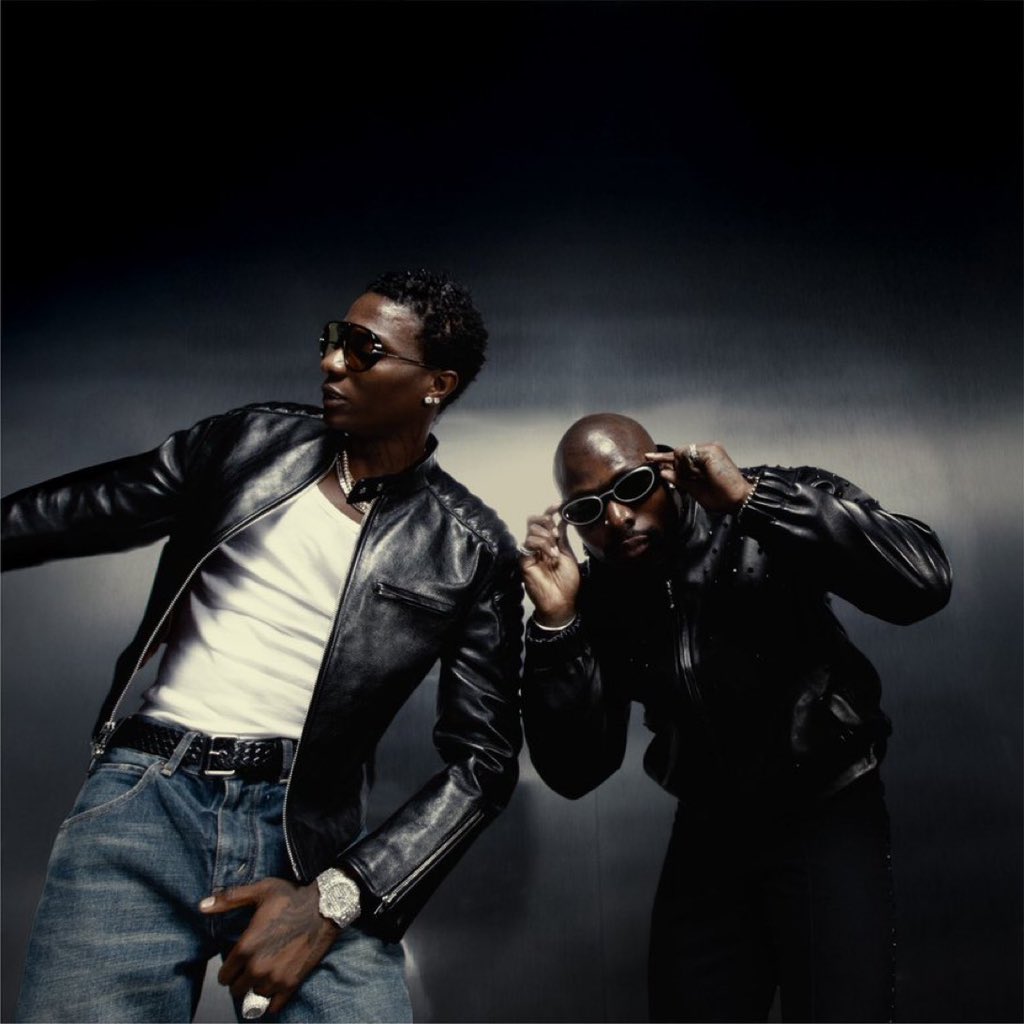
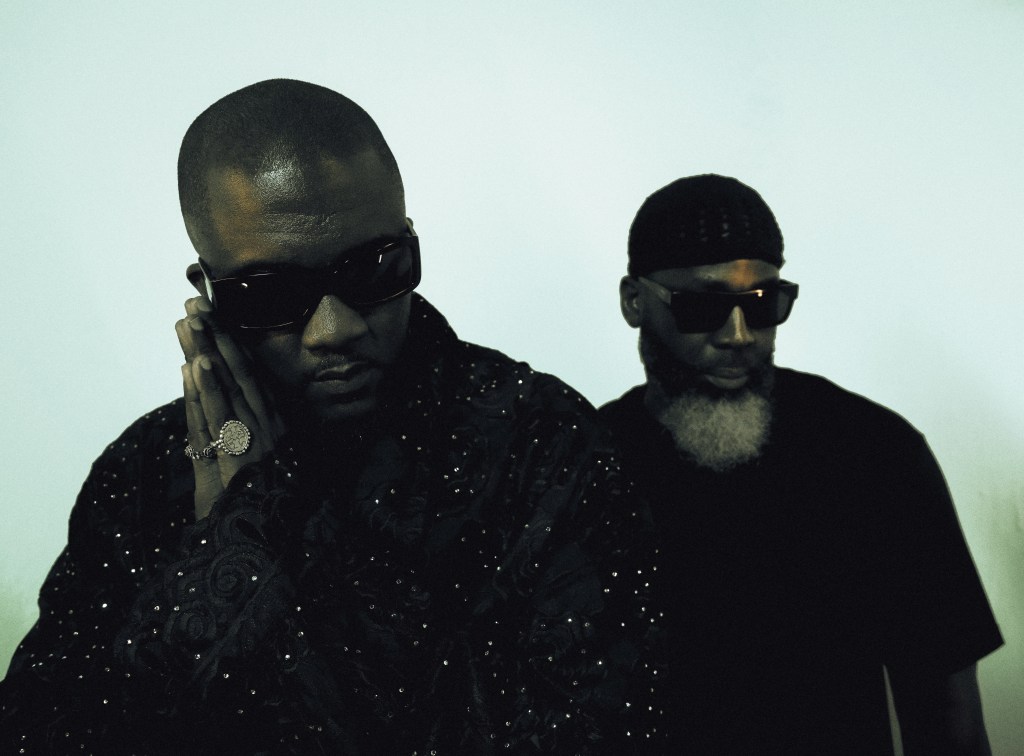
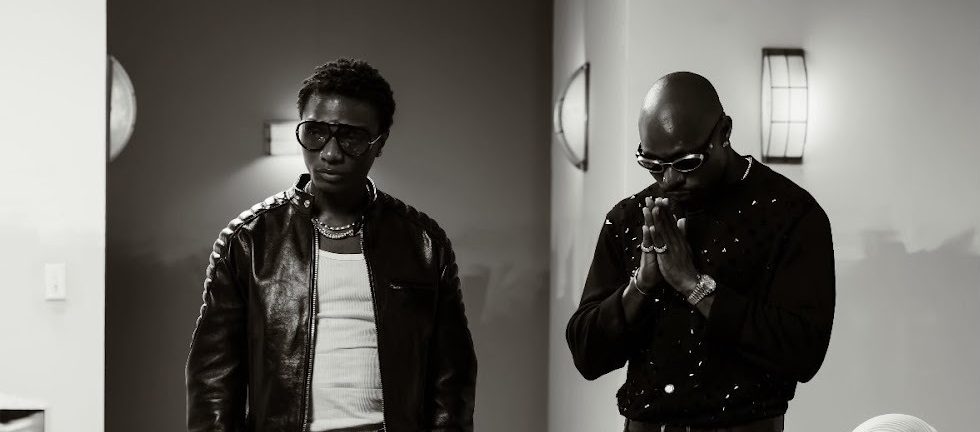
    There is a specific kind of electricity that hits the timeline when a massive joint project is announced. It feels different from a solo album rollout; while a solo body of work is a statement of self, a joint project is a high-stakes conversation—and honestly, it’s the ultimate ego-check. Right now, it’s time for Real Vol 1 from Wizkid and Asake, which in all senses we are incredibly lucky to be getting. In an industry often paralysed by “Who is bigger?” and “Who has more streams?”, seeing the architect of the 2010s global run trade verses with the undisputed landlord of the 2020s is a massive win for the culture. It’s a refreshing outlier, proof that when the music is right, the generational gaps and the towering egos simply take a backseat.

    I’ve always felt that the African music landscape finds its greatest strength in these rare, concentrated collisions. Unlike a standard feature—where an artist just “pops in” for a quick 16 bars, a joint project requires building an entirely new world. We saw this tectonic shift back in 2015 with Olamide and Phyno’s 2Kings. That wasn’t just an album to me; it was a cultural treaty. Seeing the King of the West and the Eze Nnunu of the East shake hands on a full-length record told the streets of Lagos and Enugu that we were all on the same frequency. It proved that our local dialects weren’t only “indigenous”—but the main event. If you want to talk about drama-turned-classics, we have to look at Bnxn and Ruger’s RnB. For years, we watched them trade subs on Twitter over “solo hits” vs “features” and who had the better numbers. Then, out of nowhere, they hopped on a flight, sat in a room, and knocked out a seven-track EP in just three days. Sonically, it’s a masterclass in chemistry—Bnxn’s “velvet and honey” hooks meeting Ruger’s gritty, dancehall-inflected delivery. It transformed a public rivalry into a shared victory lap that solidified proving that an alliance will always be more powerful than an enemy.  

    The impact of these alliances often dictates the very “vibe” of our lives for years. Think back to the mid-2010s when the energy between Nigeria and Ghana was at its peak. Those collaborative efforts between the likes of Mr Eazi and Juls literally slowed down our heartbeats. They took us from the frantic dance steps of the early 2010s into a smooth, “Pon Pon” highlife-infused era that had everyone leaning back in the club instead of sweating through their shirts. These projects are like the secret R&D labs of Afrobeats; they test the sounds that eventually become our personality for the next three Decembers.
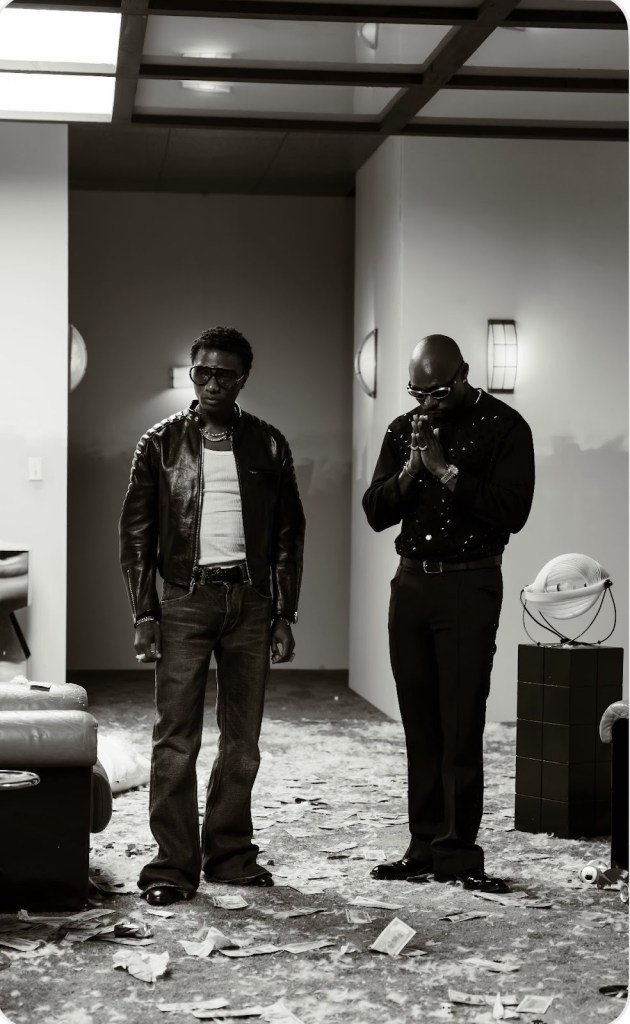
    What really gets me excited about Real Vol 1 is the “coronation” factor. When a titan like Wizkid shares the marquee with a force like Asake, it’s the ultimate flex of confidence. Wizkid has mastered this polished, “expensive” minimalism that feels like a chilled glass of wine on a private jet. Then you have Asake, whose sound is like a frantic, beautiful Lagos rush hour—choral, urgent, and deeply rooted in Fuji. Watching these two sonic worlds collide is fascinating because it’s a handshake between the veteran’s poise and the newcomer’s hunger, plus you could tell both of them genuinely enjoy each other’s company. Remember the “big brother, small brother” energy that completely took over our feeds some months back, seeing them buddy up on their Apple Music radio takeover and joke around for Instagram’s Close Friends Only series made the internet pause a little from stan wars, but enjoy a lovely, wholesome environment, maybe i’m living in a bubble who knows, but it’s rare to see that level of unfiltered love in such a high-pressure industry, and it makes the music on the project feel so much deeper knowing it comes from a place of actual friendship. 

    Ultimately, these bodies of work remind us that we’re part of a continuum. In an industry where everyone is constantly fighting for a singular crown, the joint project is that rare moment where two giants decide the kingdom is better served by a shared vision. It’s a bridge between the legends we grew up with and the superstars we’re stanning today. I don’t see this as a new tracklist or just another collaboration; we’re witnessing a legacy being reinforced in real-time, and I for one am just happy to be here for the ride.
  • Africa Magic Was Always More Than TV—SDC Knew Exactly What They Were Doing on “Afrika Magik”

    Africa Magic Was Always More Than TV—SDC Knew Exactly What They Were Doing on “Afrika Magik”

    By Lawrence Hart

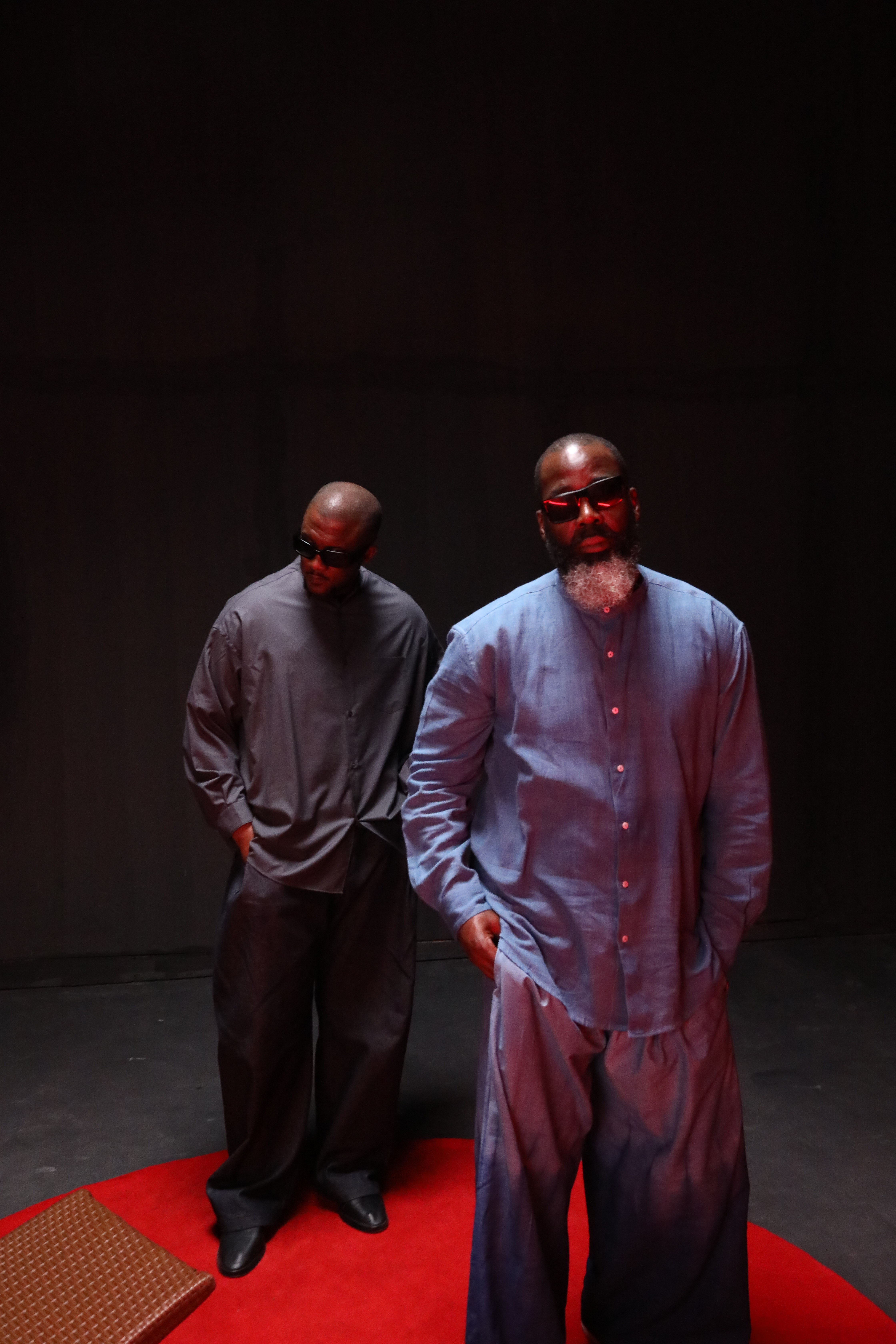
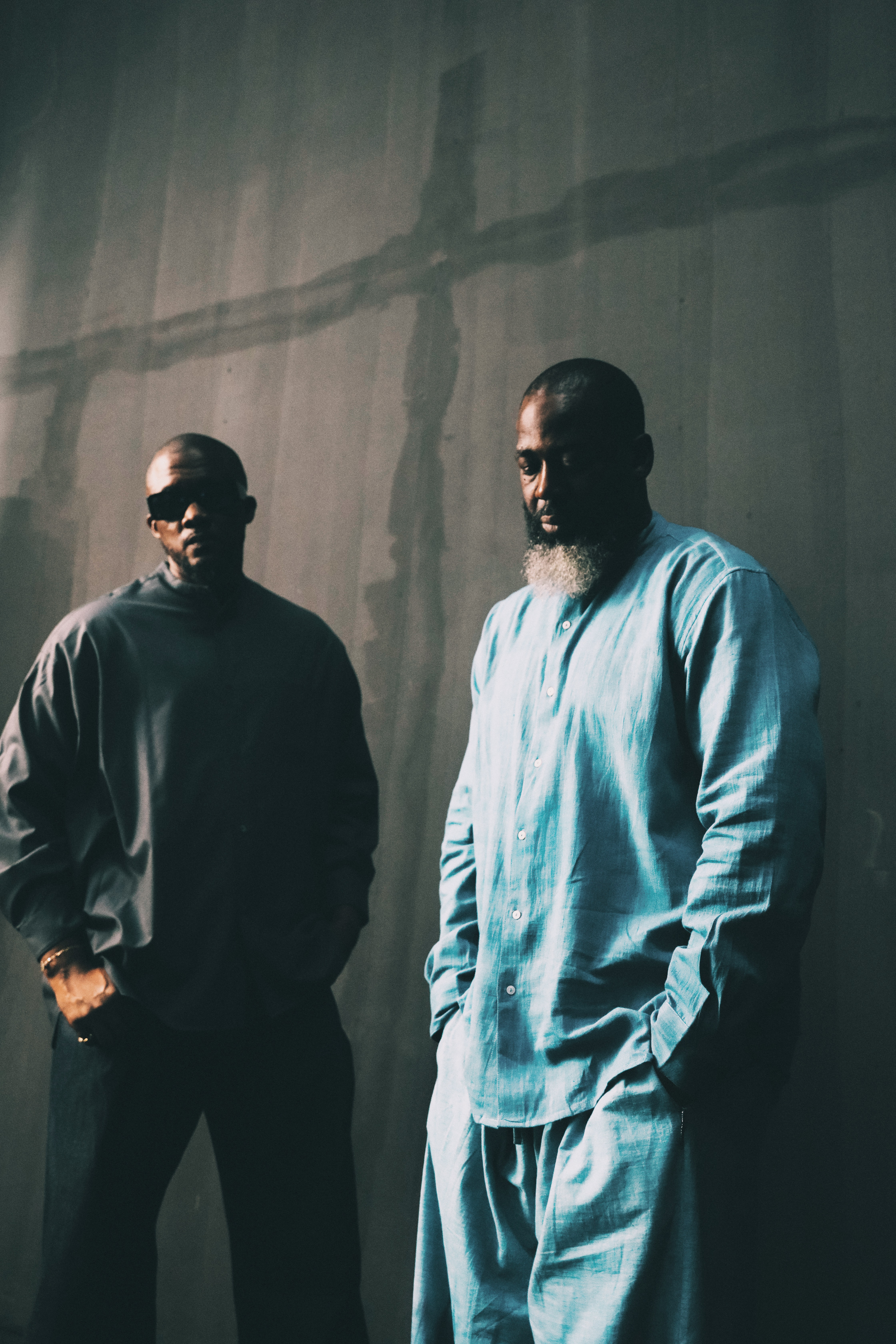
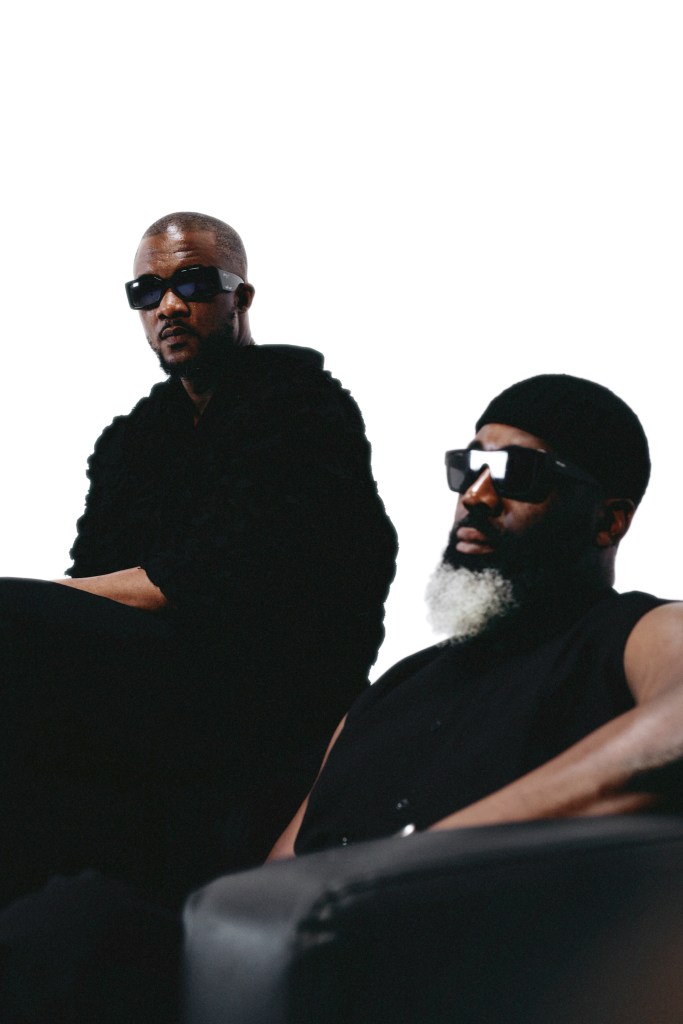
    Show Dem Camp
    Show Dem Camp

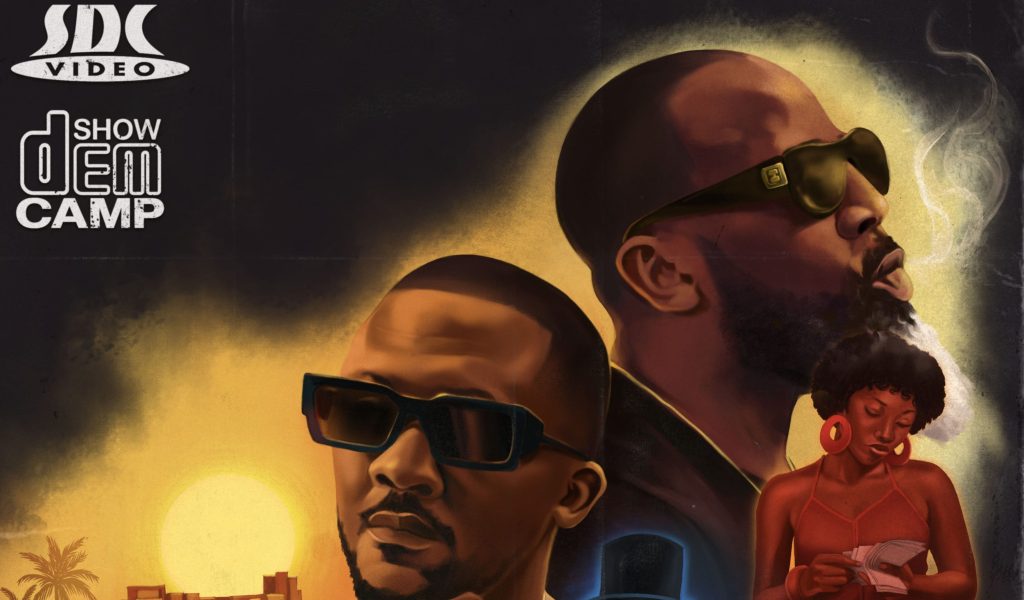
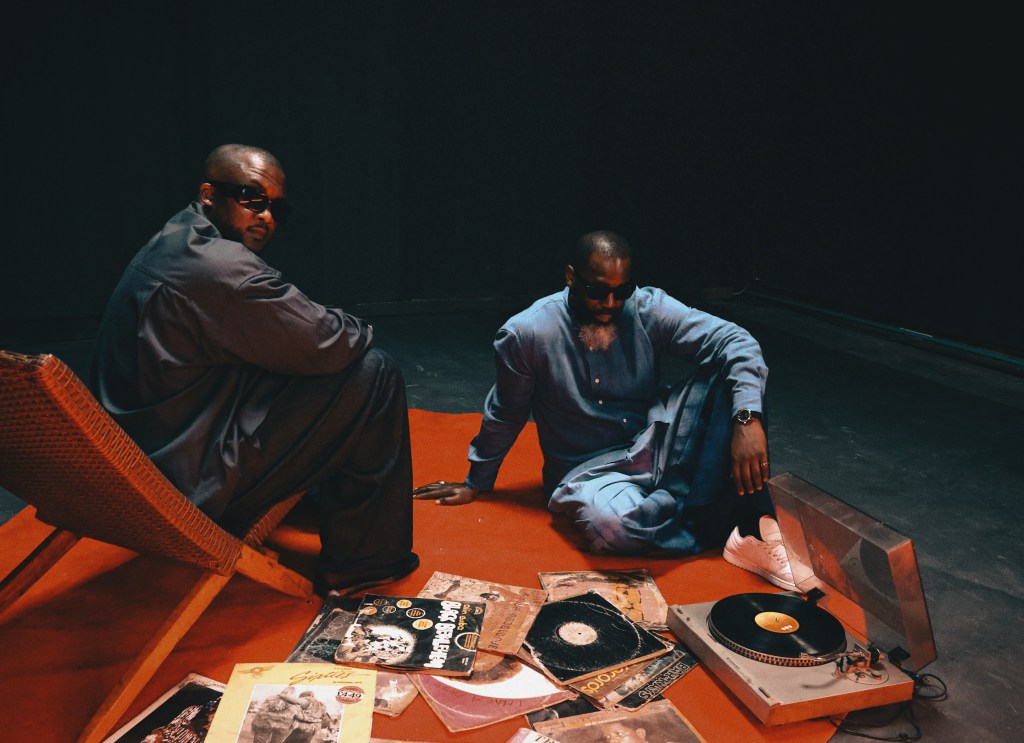
    At the Centre of every middle-class family revolves an evening’s catching up with African magic playing on the DSTV. The choice of “Afrika Magik” is a symbolic one by SDC. Almost like a reminder of the cultural heritage and nostalgia African magic brought to our homes. The album is a love-letter to Nigerian life, to the undercurrents of belief, myth, women’s voices, and the rhythms of Lagos and beyond.

    The Significance of “African Magic” in our Everyday Lives. 

    From the outset, the album houses a spiritual undercurrent: on the opening track “Libations”, Tec and Ghost pay homage to musical forebears such as Victor Olaiya and William Onyeabor, weaving in the idea that legacy, ritual and daily life are intertwined. 

    Processed with VSCO with s2 preset

    In Nigerian everyday life, “magic” is less about fantasy and more about the subtle ordinariness of belief: the stories told during commutes, the juju whispered in cautionary tales, the spiritual backdrop to success or failure. The album taps this: interludes such as “White Juju” (which humorously addresses “AI aka white juju and voodoo”) highlight how technology, mysticism and everyday hustle merge. Thus, Afrika Magik becomes more than just an album—it becomes a map of how African spiritual aesthetics, cultural memory and modern life co-exist. The nods to old Nollywood films further this: they’re not just nostalgia, they’re cultural signposts reminding us that “fantasy” and “normal life” share the same space in Nigeria.

    Inclusion of Female Voices

    On this album, SDC said UP FEMCO!!

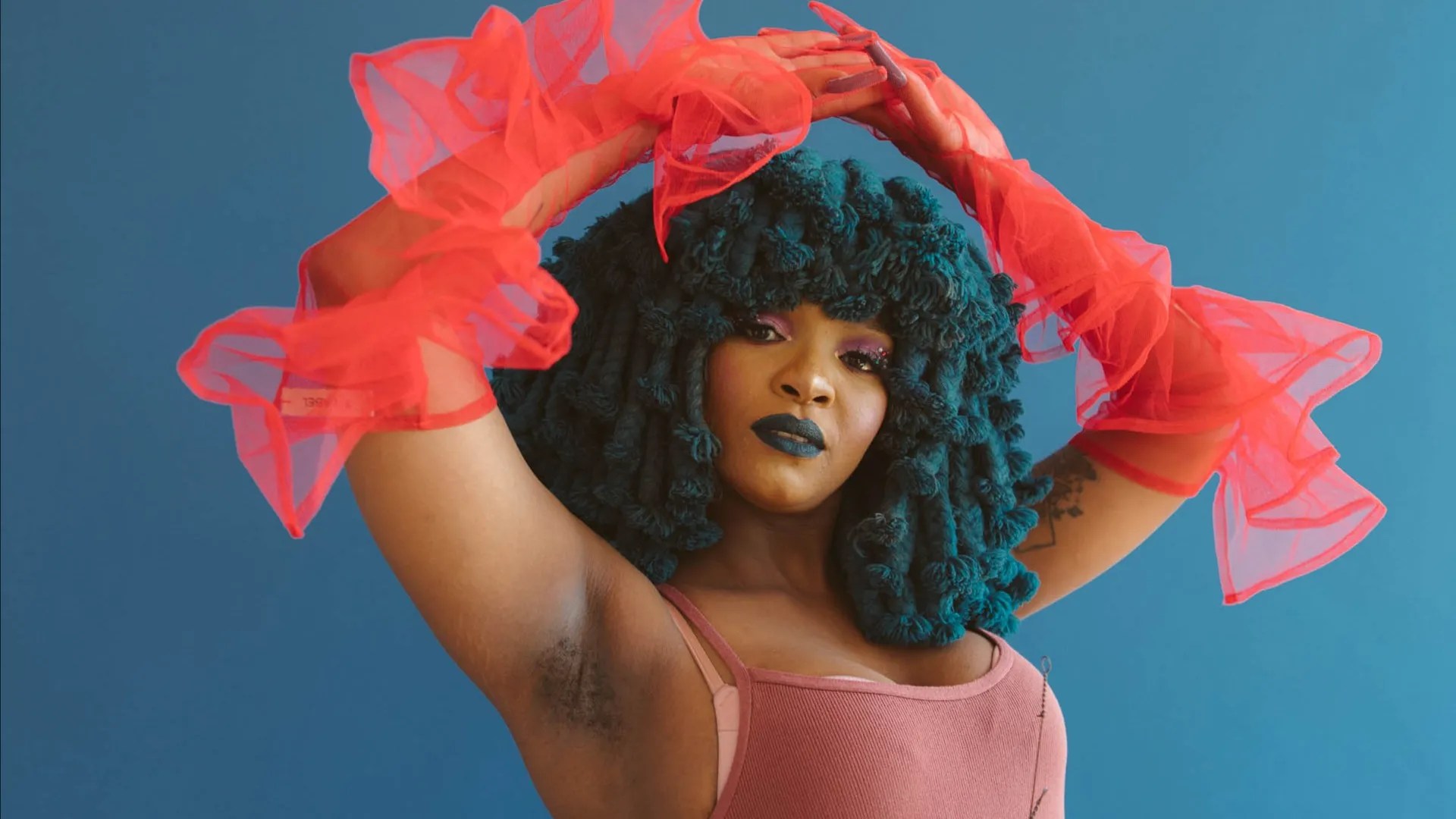
    This album has more female features in contrast to their previous albums. One of the strengths of this album is how it elevates female voices and perspectives not merely as features but also as integral presence on this album. Artists like Tems,Moonchild Sanelly, Lulu Winny and Lusanda. Btw Tems and SDC can never do wrong in my eyes. Their collaborations always feel like a harmattan breeze blowing over skin. This inclusion matters because it shifts the album away from simply male rap narratives; it makes space for female texture, influence and presence not just as backing but as foreground. In a society where women’s lives are often the unspoken backdrop, these features lift them into view.

    The Role of Interludes

    Interludes here act as more than mere breathing space; they are dramaturgical and thematic anchors. The “Nollywood Vixens” interlude, for instance, explicitly situates the album in a cultural cinema-space, invoking female archetypes and the interplay of everyday drama with myth. 

    Similarly, “One Chance (Interlude)” and “White Juju” help punctuate the album into acts: the first half often more reflective/romantic, the second more celebratory/expansive. These breaks allow the listener to reset and transition between moods, which is vital given the diverse sonic terrain. This kind of album-craft is deliberate: SDC treat the album like a film.

    Standout Tracks

    Libations: A powerful opener that declares their place, name-checking legendary Nigerian artists and setting tone. 

    Small Chops and Champers: Do I need say more about this track?? What a track guy!! It gave everything it was meant to give. Just give me small chops and champagne joor .

    I’ll Wait: A perfect outro to a perfect album.

    Pressure (FT Taves): Taves was literally flexing on this track. He almost stole the song from them (just my opinion tho). The beats also in this track too>>>>.

    “Magik (ft Moonchild Sanelly): Experimental Rhythm, connects South African + Nigeria, bridges hip-hop, kwaito and the albums theme of “magic”.

    Experimental Tracks & Production & Writing

    One of the hallmarks of Afrika Magik is its fearless blending of genres: highlife, palmwine music, hip-hop, alté, amapiano, R&B.

    The production was handled by longtime collaborator Spax, with contributions from Guiltybeatz, Genio and Yinka Bernie. Instrument such as guitar riffs, horns, soft percussion, log drums (especially on the closer) bring a live-feel, organic layer. The writing is rich. Dialogues with past legends, personal journeys, street-life, love, ambition. The lyrics on “Send a Text” for example, become conversational and reflective. 

    Experimentally, tracks like Magik (with its kwaito bounce) or masterkey (mixing R&B/hip-hop with American singer Mereba) push SDC outside their previous safe zones. The interludes themselves are creative experiments—cinematic skits, voice-overs, nostalgia refracted into sound. Thematically and sonically, the album is both wide and deep.

    Verdict

    Afrika Magik is a strong, multifaceted album. It doesn’t just sound good, it feels rooted, culturally attuned and ambitious. Show Dem Camp manage to honour the past (the musical and cinematic traditions of Nigeria), include new voices (especially female collaborators) and explore new sonic territory without losing their identity.

    For a Nigerian listener, the album works on many levels: it’s a soundtrack to everyday life—party, reflection, hustle, love, belief. It’s also a mirror of how African magic (in its broadest sense) lives in the margins, in songs, in gatherings, in the interludes of life.

    If I have a caveat, it’s that the length (17 tracks) and the variety means that at times the pacing could feel uneven. Some transitions are bold; some tracks may require several listens to fully land. But that is a small trade-off for the album’s ambition and the rewards it offers.

    Score: 4/5

    If you’re looking for a project that offers depth, nostalgia, and fresh collaborations, Afrika Magik is more than worth your time. For SDC fans it’s a meaningful continuation; for newcomers it’s a compelling entry point into what Nigerian rap and Afro-fusion can sound like in 2025.

  • Casa Mìra Mar:June Freedom’s Ocean of Sound

    Casa Mìra Mar:June Freedom’s Ocean of Sound

    By TOSINTEVS 

    Some artists find their sound. Others build it — layer by layer, language by language, experience by experience. For June Freedom, music is not a place you arrive at. It’s something you return to. Again and again.

    His latest album, Casa Mìra Mar, is more than a record. It’s a homecoming. A love letter to Cape Verde. A passport stamped with rhythm and memory. And perhaps most importantly, it’s a mirror reflecting the life of an artist whose identity was never meant to fit into one culture, one genre, or one lane.

    A Cape Verdean Soul, Raised in Motion

    “I was born in the U.S.,” June tells me, “but from the age of three to fifteen, I lived in Cape Verde. That’s where everything started.”

    His mother, a restaurant owner on the island, gave him more than a roof — she gave him a stage. “From age ten, every weekend, I’d be at my mom’s restaurant watching live bands perform. I was obsessed,” he recalls. “It’s literally where my career began. I’d just stand there watching how they did it, learning, feeling. That was my music school.”

    But Cape Verde wasn’t just about music. It was about culture, community, and presence. “My island was calm. People went inside by 8 p.m. I’d spend days riding horses in the countryside with my cousins, surfing at the beach, listening to traditional music. I didn’t even know who Prince was. I only knew Bob Marley.”

    When he moved back to Boston at 15, it was like landing in another world. “The West changed everything,” he says. “The hustle was different. The music, the language, the lifestyle — it was fast. Aggressive. Intense. I discovered DMX, Usher, 50 Cent, Linkin Park. I was being hit with all these new sounds and I didn’t know how to process it.”

    That transition sparked a creative crisis — and eventually, a creative revolution. “It took me a decade to understand my sound,” he says. “I didn’t have an identity for a long time. I had to live life, make mistakes, and feel things before I could create from a real place.”

    From Student to Storyteller

    The turning point came in Los Angeles, where June spent five years in quiet development. While others rushed to release, he focused on learning.

    “LA was my experimental phase. I wasn’t just creating for myself — I was learning how to write for others, how to play instruments, how to listen professionally. I worked on songs for artists like Swae Lee and The Weeknd. I had to sit in sessions and be a fly on the wall. That taught me everything.”

    Eventually, the desire to create his own voice grew louder.

    “After a while, I said, ‘I’m ready for my own shit.’ And I went back to the essence.”

    That essence is Casa Mìra Mar , a project that bridges continents and connects past and present.

    “My grandfather had a store back home called Casa Mira Mar,” he explains. “You could see the ocean from there. You could see another island. It was peaceful. This album is that store — a place of calm, of connection, of perspective.”

    He continues, “There’s a lot going on in the world right now. I wanted this album to feel like an escape. Like a slow ride by the ocean. Like peace.”

    Building a Sonic Diaspora

    Across 12 songs, Casa Mira Mar fuses Afrobeat, R&B, Latin, Cape Verdean folk, and subtle rock influences into a seamless body of work. There’s “Spiritual”, a hypnotic anthem with militant drums and Afro-fusion bounce. There’s “Girls Like Shade” with Ghanaian-Dutch artist Nana Fofie, and “Oh My Lady”, a standout Afro-pop duet featuring Nigerian talent Abolaji Collins, whom June jokes he “stole from L.A.X.”

    “He did the guitar, wrote the hook — I just re-sang it and added my verses. He’s my brother. A real one,” June says. “That one has a real Nigerian vibe, but I made it my own. You can feel the influence, but it’s still me.”

    What makes the album even more special is the organic way it came together. “It was supposed to be a six-song EP,” he admits. “Then it turned into 12. It took a year and a half. Nothing was forced. Every feature, every verse happened naturally.”

    One of the album’s most magical collaborations came by chance. “There’s a track called Dorama. I met a girl named Lua de Santana at my show in Spain. Her friend brought her. Six months later, I saw a video on Instagram, and I’m like, ‘Who is singing this?’ She goes, ‘That’s me.’ I was like, ‘Bitch, you didn’t even tell me you make music!’ So I sent her a track. She killed the verse. Now she’s part of the album.”

    This kind of serendipity defines June’s creative process. “It never happens the same way twice,” he says. “I don’t chase formulas. I chase feeling.”

    “You Hear Everything in Me”

    Trying to box June Freedom into a single genre is a losing game. “Editors always ask me, ‘Is it R&B? Is it Afrobeats? Is it Latin?’ I’m like, ‘Yes.’ I grew up with African drums. We were colonized by the Portuguese. I live in America. I speak Creole, Portuguese, Spanish, and English. You’re going to hear all of it.”

    His core collaborators, Ergin and Eric, Dutch producers based in Rotterdam, have helped him shape that blended identity. “Their textures are like fine wine. It just works with my tone. I’ve tried working with other producers and it’s never the same. These are my ninjas. I keep them tucked.”

    Still, he’s been expanding — working with BlaiseBeats, Kel P and others. “The next project’s going to have a lot of Nigerians,” he hints. “I just sent something to BNXN.”

    Presence Is the Point

    The emotional core of Casa Mira Mar is rooted in memory — of home, family, and simplicity. “I remember my grandfather. He was that guy. He’d drive through the countryside and honk at every single house. Everyone knew him. This album is for him. For that version of peace.”

    Even the album’s outro, “Leban Ku Bo”, sung in Cape Verdean Creole, is poetic closure. “It means ‘Take me with you.’ It’s about love, longing, and letting go. It’s the most personal one. It just felt right to end there.”

    When asked what he wants listeners to feel, June doesn’t hesitate: “I want you to feel present. I want you to feel peace. I want you to feel love. I want you to feel connected to yourself.”

    The Road Ahead

    Following a sold-out listening party in Paris and growing buzz across Europe, June is planning a tour with dates in the Netherlands and London. “You better come see this shit live,” he grins. “I’m bringing the ocean with me.”

    He’s also using his platform to shine light on lesser-known artists from Cape Verde and beyond. “Look out for Maida Andrade, Dino Santiago, Ellie Delmeda. Cesária Évora opened the doors for us — we have to keep it going.”

    June Freedom isn’t here to follow trends. He’s here to document the diaspora. His music is memory. His voice is migration. And his albums — especially Casa Mira Mar — are sacred spaces where tradition, evolution, and rhythm can all exist in harmony.

    “I’m not trying to be anyone else,” he says. “I just want to be present. And I want my music to help people feel that, too.”

  • Church Roots, City Noise, Global Dreams: Tim Lyre’s “Spiral” Breakthrough

    Church Roots, City Noise, Global Dreams: Tim Lyre’s “Spiral” Breakthrough

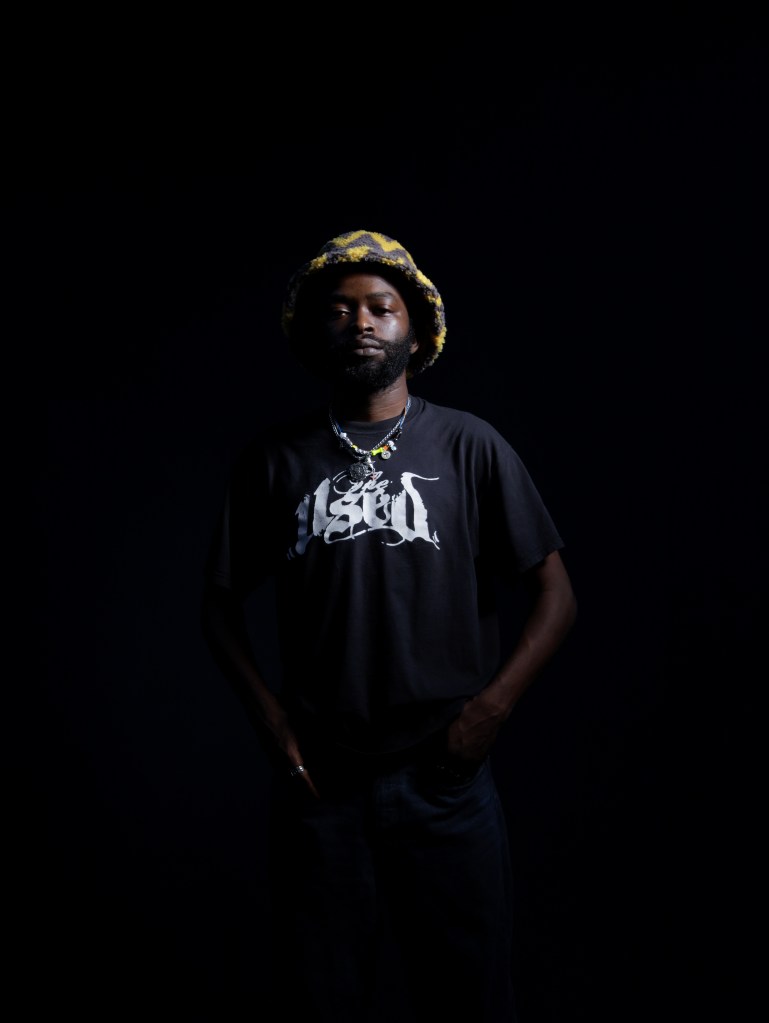
    At Outer South, the ethos has always been about pushing boundaries sonically, visually, and culturally. It’s a label that doesn’t just sign artists, it cultivates visionaries. And no artist embodies that spirit more clearly right now than Tim Lyre. 


    There’s a certain momentum building around Tim right now. He’s in full “album mode,” and the energy is infectious. When we catch up, he’s calm, assured, and most importantly, excited. “I’m good, thank you. Thanks for having me on,” he says, smiling. “Things are good right now — album mode gingered.”

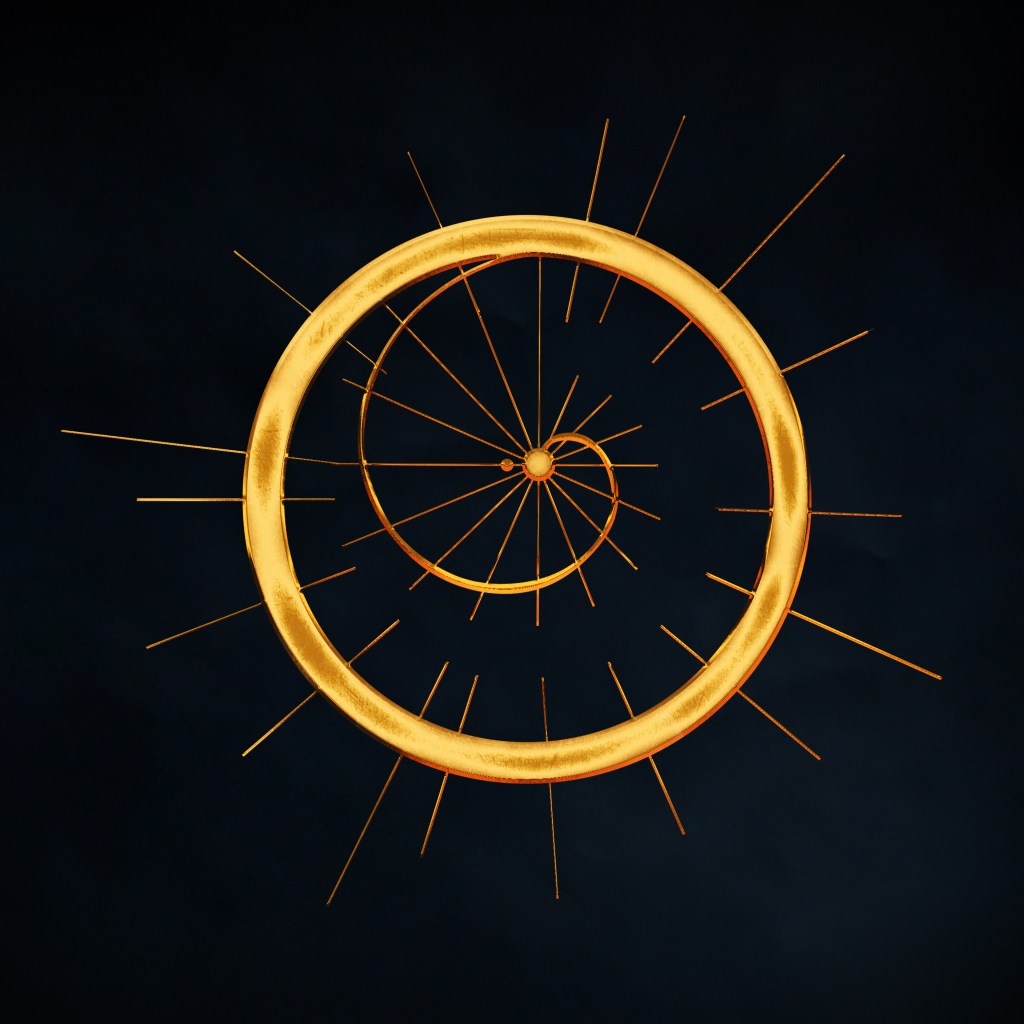
    Tim’s new album, Spiral, is more than a body of work. It’s a landmark moment in a journey that began over a decade ago.

    Well, I’d say I’ve been putting out music since 2012 — not when I was 12, that would be crazy,” he laughs.

    But I’ve been around music my whole life. I come from a long line of church musicians — great-grandfather, grandfather, father. From a young age, I was reading music and learning classical theory.

    From a young age, I was reading music and learning classical theory.

    Tim Lyre

    Raised in the cadence of choirs and instruments, Tim was involved in music early.

    Tim- It was like a rite of passage. Everybody had to be in the choir. That environment shaped me. I play piano, guitar, a bunch of instruments, so being around music constantly helped me understand a lot — not just as a vocalist but as a producer and writer too.


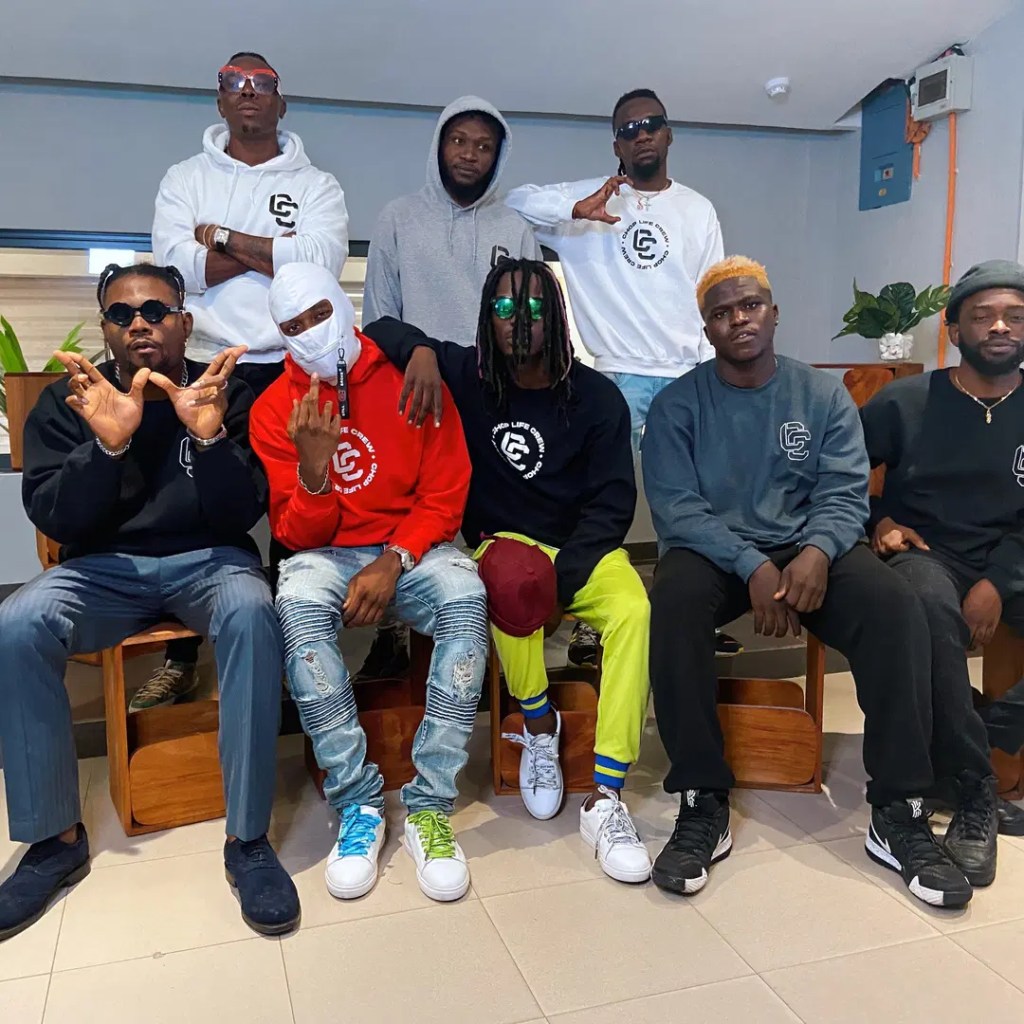
    The Chop Life Crew Chapter

    By 2020, Tim was part of a collective known affectionately as Chop Life Crew, a name inspired by Mojo AF and Prettyboy D-O’s celebratory anthem.

    Tim – That name just made sense at the time. Everywhere we went — me, Mojo, Ronehi — people already associated us with it,” Tim explains. “We made it official. I’ve known Mojo and Ronehi since A-levels. We grew together.”

    The collaboration wasn’t just organic; it was transformative.

    Tim- It’s definitely impacted my music. When you grow with like-minded people like Mojo and Ronehi, it pushes you. If you listen to the music, you hear the growth in production, in storytelling, everything.

    The chemistry, particularly between Tim and Mojo, is evident — especially on “Villagio,” a standout on Spiral.

    Tim- We’ve worked together since uni. That kind of familiarity builds instinct. I don’t have to overthink when I’m working with Mojo. I just see what he’s vibing to, and we go. He’s the best rapper in the country, as far as I’m concerned.


    Introducing Spiral

    Tim’s earlier works — worry > and masta — hinted at something bubbling under the surface. With Spiral, it erupts.

    Tim- It’s more expansive than anything I’ve done. More tracks, more subject matter, more storytelling. I’m talking more. And it’s my first double-sided project.”

    More tracks, more subject matter, more storytelling. I’m talking more. And it’s my first double-sided project.”

    Tim Lyre

    Inspired by old-school double-sided CDs, the idea was both nostalgic and strategic. “

    Tim- Some of my favourite albums came like that. I wanted Side A and Side B to feel different sonically, but still connected. Each side tells its own story.

    So, why the name Spiral?

    Tim- Someone once told me spiraling means something negative, like a downward spiral. But for me, it’s about evolution,” Tim explains. “Life unravels — fast. You chase a dream and sometimes miss what’s happening around you. This album is me making sense of everything that’s happened — as an artist, as a person. It’s my evolution.

    Intentional Collaborations

    From Show Dem Camp to Binta, the album’s features are both eclectic and carefully placed.

    Tim- I’m a studio writer type of artist, so I’m always around other creatives — producers, singers. Some people I connect with online, some through mutual friends. With Binta, for example, we’d been talking since worry < dropped. We finally linked up in London and made ‘Storytime’

    Two standout features — Joshua Baraka (Uganda ) and Manana ( South African) — reflect Tim’s ability to bridge the continent’s sounds.

    Tim- Joshua was unexpected. I love his voice. The label reached out to his team, we were both in London, and it all just aligned. Manana, I’ve never met in person. We connected on Instagram. He sent his part back the same day I sent the song. Crazy.

    Despite producing less than usual, Tim still crafted about 40% of the album’s sound.

    Tim – This time I worked more with others. KC Freeley produced Economy, Lock In, Rocketship. Of course, Ronehi — that’s my long-time guy. We record almost every day. Dare also contributed to this one.

    Bars From Real Life

    Tim even flexes his rap muscles on the album. One of his favorite verses? From “Villagio” with Mojo:

    “My kele just wan go abroad,

    She said she want to hammer, rowo mo japa,

    I say baby what you running from?

    She say baby where I’m coming from,

    I’m tired of niggas, they all do fraud…”

    He laughs.

    That’s real. A real conversation with a babe. She was moving out of the country ‘cause every guy she met was doing fraud. Lagos is not a real place.

    Beyond the Booth: Songwriting and Discovery

    Outside of his own records, Tim is gaining momentum as a songwriter, with credits on Boj’s album and even some work with Adekunle Gold.

    Tim- Writing is new for me, but it’s been fun. There’s less pressure than when I write for myself. I try to step into their perspective. It’s a challenge I enjoy.

    And he’s still discovering.

    Tim – There’s this artist — Braye. Insane. Like a baby Nigerian Chronixx. His project I Wish I Had More Time is what I’ve been spinning lately.

    The Live Experience

    Tim isn’t just releasing music — he’s bringing it to the stage.

    Tim – We’ve got merch coming soon and a live show on September 25th at Camden Assembly — that’s the biggest venue I’ve headlined so far. And we’re planning a show in Lagos towards the end of the year too.

    When asked what he wants fans to take from Spiral, he’s reflective.

    Personally, I hope it helps me break through a certain ceiling. For fans, I just want them to receive it the way I’m giving it — with love. If you’ve followed my music till now, this is just an expansion of all that. And I’m excited.

    As the album builds, one track, Ski, marks a shift in tempo — the bounce kicks in.

    I always wanted to make one of those two-in-one songs,” Tim says. “The first part was inspired by a Boyz II Men song. I wanted to start R&B and then switch to a dancehall vibe. I didn’t know how it would land, but when it was done, I was proud of it.

    From church choirs to Camden stages, from Chop Life Crew to Spiral, Tim’s evolution is unfolding in real time. And if this album is any indication, we’re just witnessing the beginning of his next act.

    By Tosin Tevs for LSTVWW