By Lawrence Hart
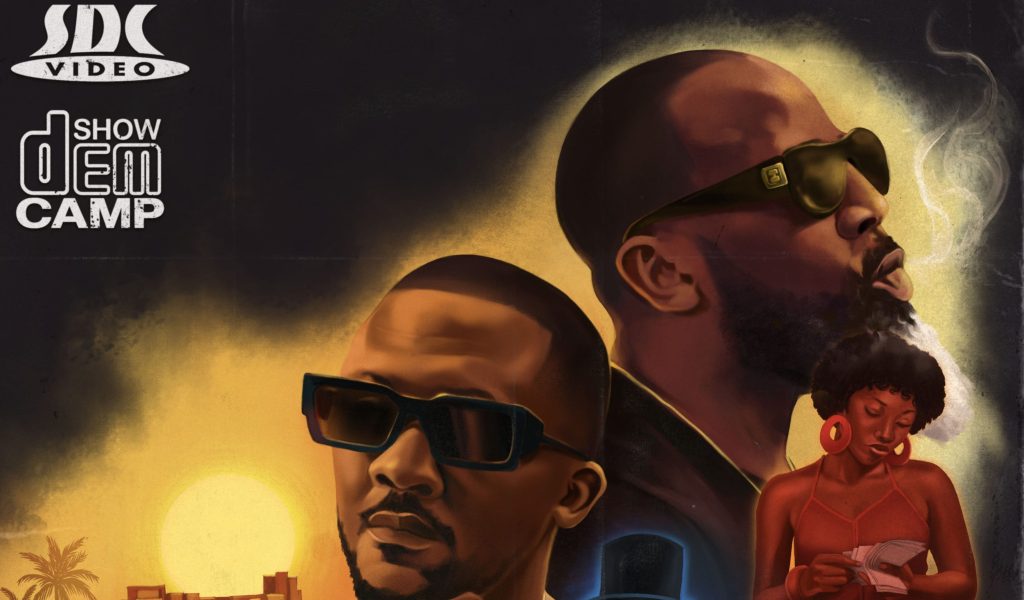
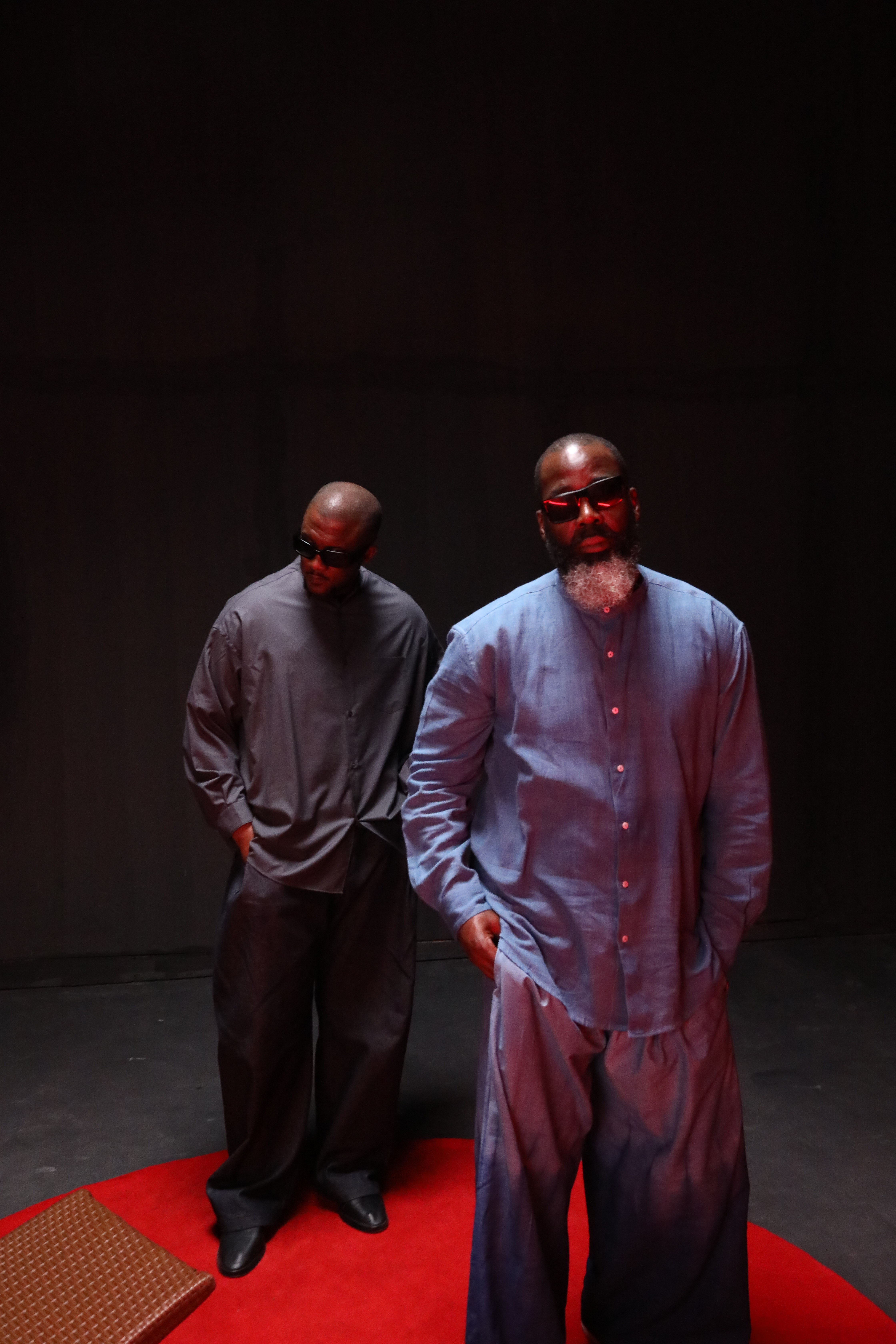
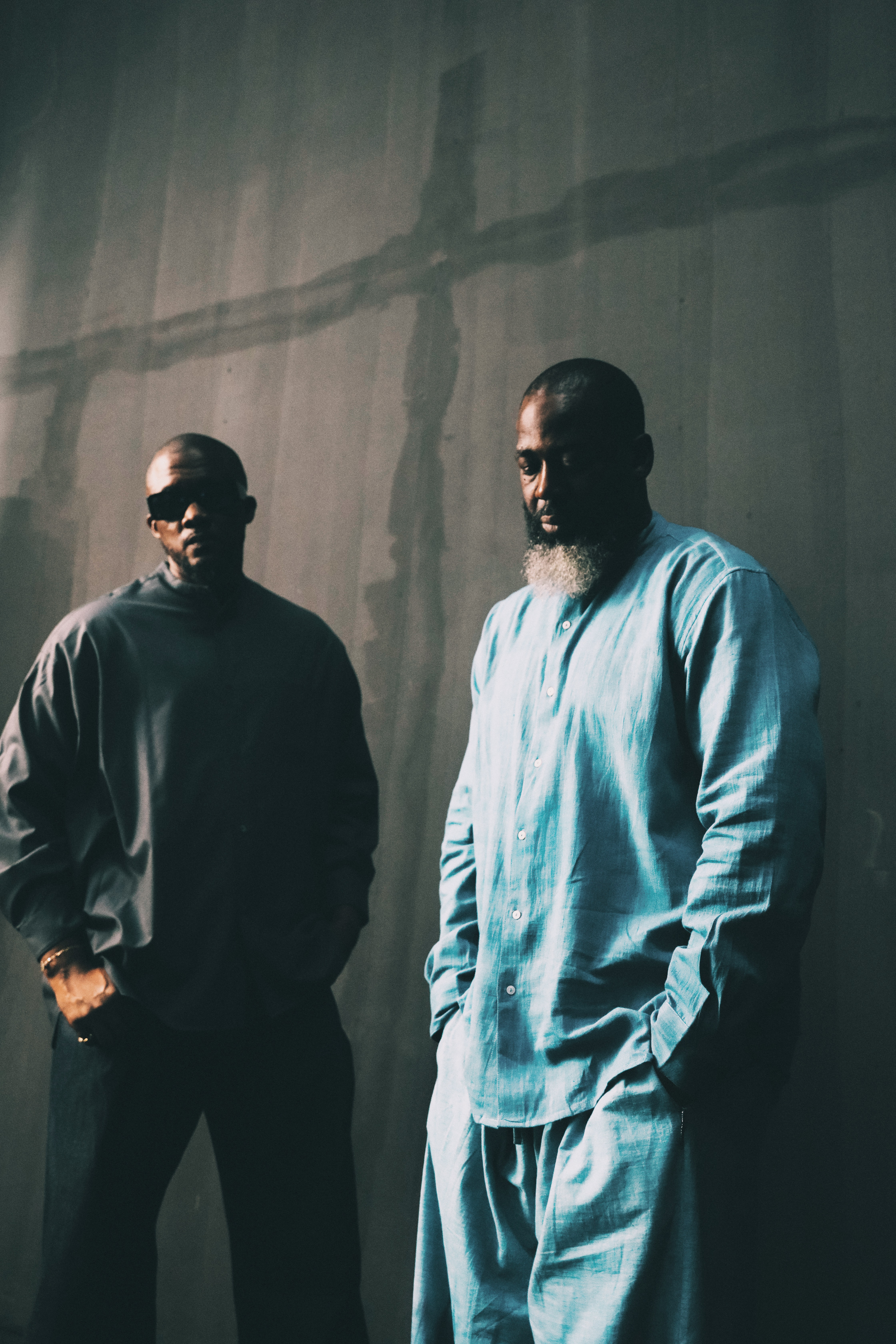
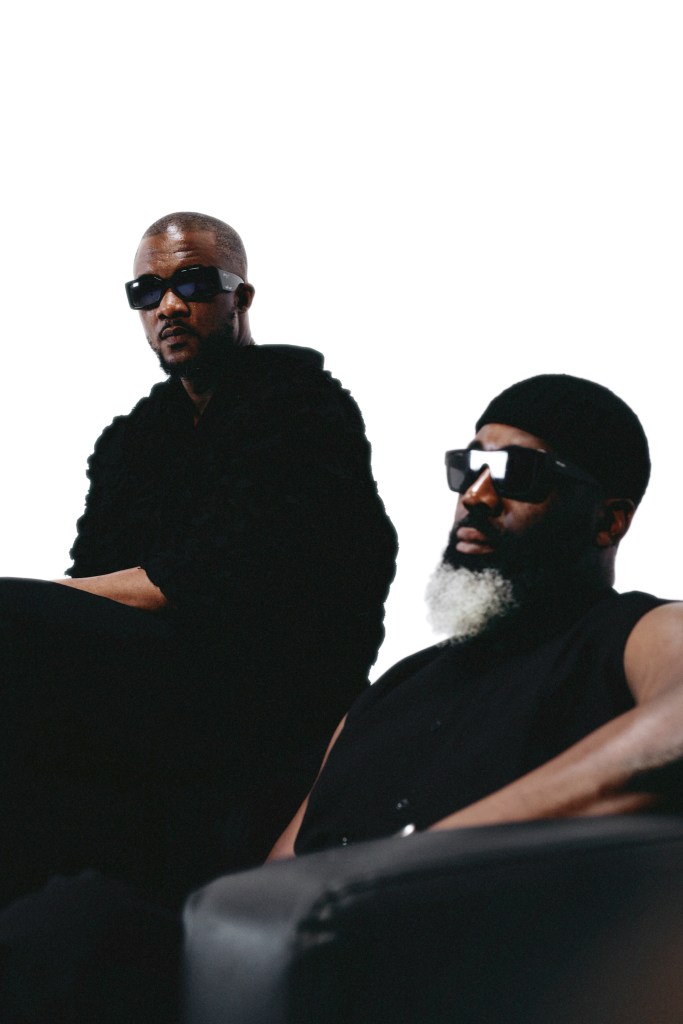
At the Centre of every middle-class family revolves an evening’s catching up with African magic playing on the DSTV. The choice of “Afrika Magik” is a symbolic one by SDC. Almost like a reminder of the cultural heritage and nostalgia African magic brought to our homes. The album is a love-letter to Nigerian life, to the undercurrents of belief, myth, women’s voices, and the rhythms of Lagos and beyond.
The Significance of “African Magic” in our Everyday Lives.
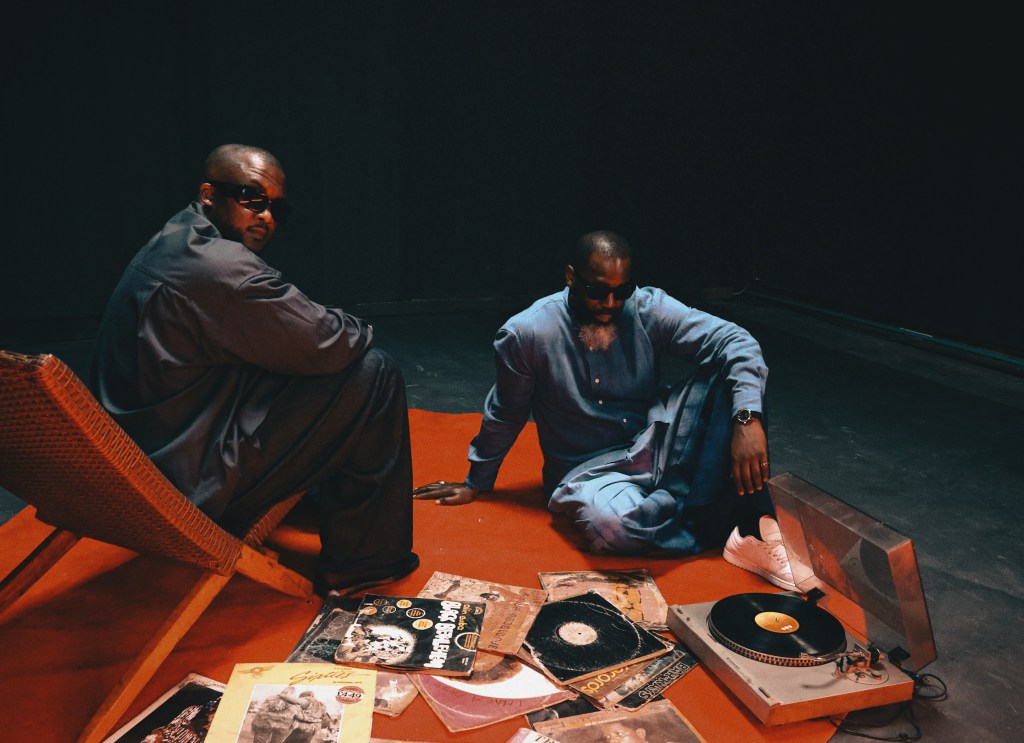
From the outset, the album houses a spiritual undercurrent: on the opening track “Libations”, Tec and Ghost pay homage to musical forebears such as Victor Olaiya and William Onyeabor, weaving in the idea that legacy, ritual and daily life are intertwined.
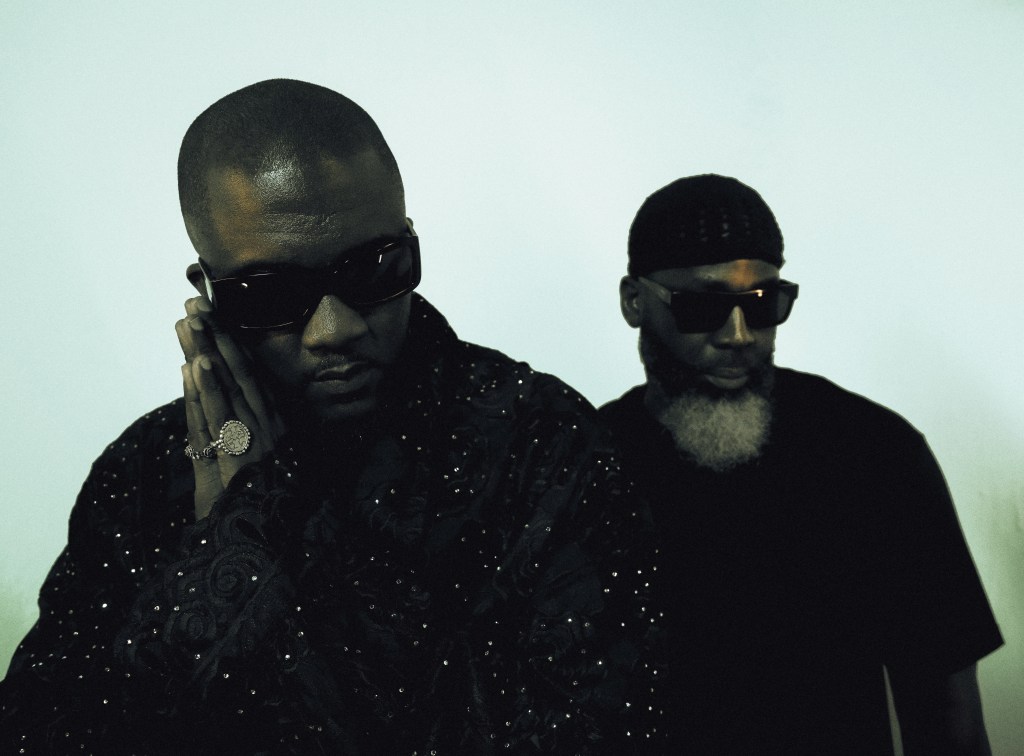
In Nigerian everyday life, “magic” is less about fantasy and more about the subtle ordinariness of belief: the stories told during commutes, the juju whispered in cautionary tales, the spiritual backdrop to success or failure. The album taps this: interludes such as “White Juju” (which humorously addresses “AI aka white juju and voodoo”) highlight how technology, mysticism and everyday hustle merge. Thus, Afrika Magik becomes more than just an album—it becomes a map of how African spiritual aesthetics, cultural memory and modern life co-exist. The nods to old Nollywood films further this: they’re not just nostalgia, they’re cultural signposts reminding us that “fantasy” and “normal life” share the same space in Nigeria.
Inclusion of Female Voices
On this album, SDC said UP FEMCO!!
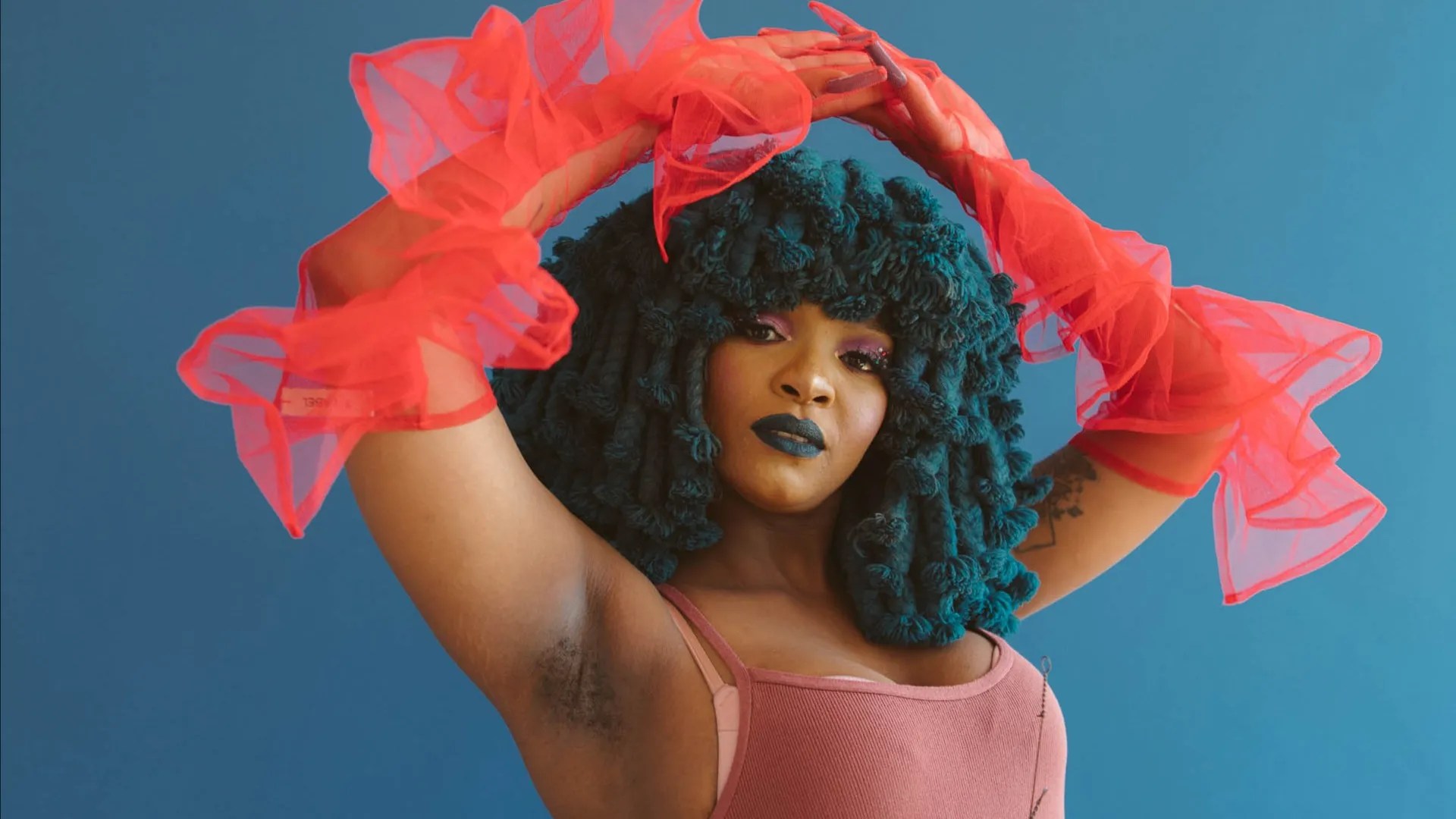
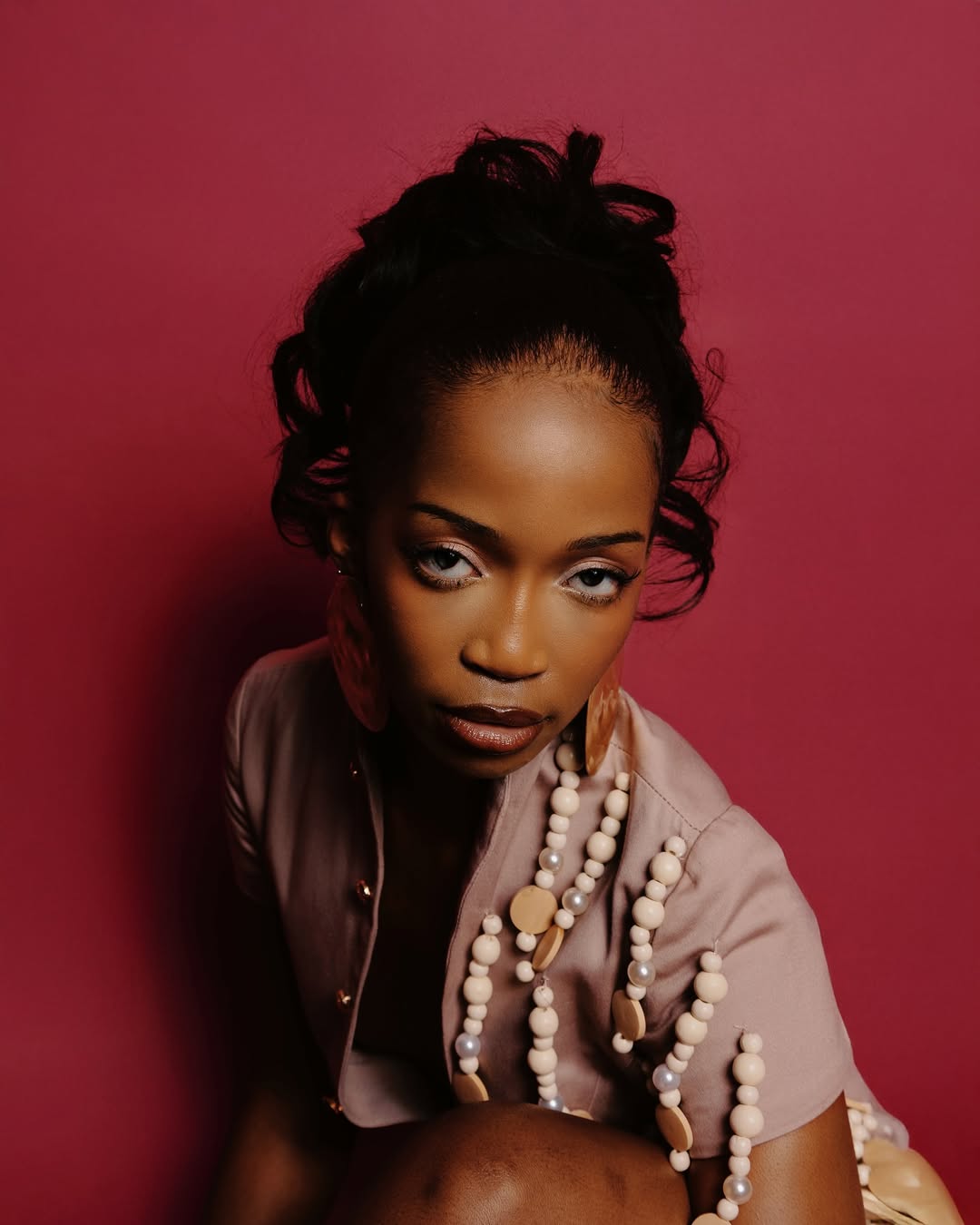
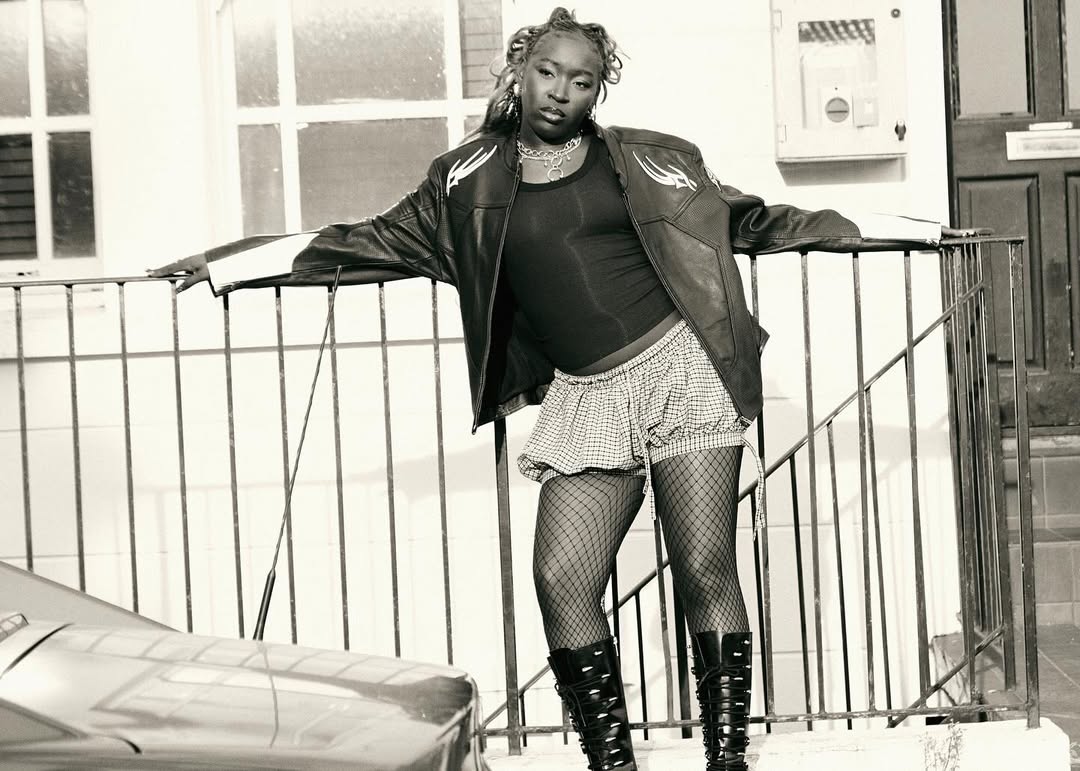
This album has more female features in contrast to their previous albums. One of the strengths of this album is how it elevates female voices and perspectives not merely as features but also as integral presence on this album. Artists like Tems,Moonchild Sanelly, Lulu Winny and Lusanda. Btw Tems and SDC can never do wrong in my eyes. Their collaborations always feel like a harmattan breeze blowing over skin. This inclusion matters because it shifts the album away from simply male rap narratives; it makes space for female texture, influence and presence not just as backing but as foreground. In a society where women’s lives are often the unspoken backdrop, these features lift them into view.

The Role of Interludes
Interludes here act as more than mere breathing space; they are dramaturgical and thematic anchors. The “Nollywood Vixens” interlude, for instance, explicitly situates the album in a cultural cinema-space, invoking female archetypes and the interplay of everyday drama with myth.
Similarly, “One Chance (Interlude)” and “White Juju” help punctuate the album into acts: the first half often more reflective/romantic, the second more celebratory/expansive. These breaks allow the listener to reset and transition between moods, which is vital given the diverse sonic terrain. This kind of album-craft is deliberate: SDC treat the album like a film.
Standout Tracks
Libations: A powerful opener that declares their place, name-checking legendary Nigerian artists and setting tone.
Small Chops and Champers: Do I need say more about this track?? What a track guy!! It gave everything it was meant to give. Just give me small chops and champagne joor .
I’ll Wait: A perfect outro to a perfect album.
Pressure (FT Taves): Taves was literally flexing on this track. He almost stole the song from them (just my opinion tho). The beats also in this track too>>>>.
“Magik (ft Moonchild Sanelly): Experimental Rhythm, connects South African + Nigeria, bridges hip-hop, kwaito and the albums theme of “magic”.
Experimental Tracks & Production & Writing
One of the hallmarks of Afrika Magik is its fearless blending of genres: highlife, palmwine music, hip-hop, alté, amapiano, R&B.
The production was handled by longtime collaborator Spax, with contributions from Guiltybeatz, Genio and Yinka Bernie. Instrument such as guitar riffs, horns, soft percussion, log drums (especially on the closer) bring a live-feel, organic layer. The writing is rich. Dialogues with past legends, personal journeys, street-life, love, ambition. The lyrics on “Send a Text” for example, become conversational and reflective.
Experimentally, tracks like Magik (with its kwaito bounce) or masterkey (mixing R&B/hip-hop with American singer Mereba) push SDC outside their previous safe zones. The interludes themselves are creative experiments—cinematic skits, voice-overs, nostalgia refracted into sound. Thematically and sonically, the album is both wide and deep.
Verdict
Afrika Magik is a strong, multifaceted album. It doesn’t just sound good, it feels rooted, culturally attuned and ambitious. Show Dem Camp manage to honour the past (the musical and cinematic traditions of Nigeria), include new voices (especially female collaborators) and explore new sonic territory without losing their identity.
For a Nigerian listener, the album works on many levels: it’s a soundtrack to everyday life—party, reflection, hustle, love, belief. It’s also a mirror of how African magic (in its broadest sense) lives in the margins, in songs, in gatherings, in the interludes of life.
If I have a caveat, it’s that the length (17 tracks) and the variety means that at times the pacing could feel uneven. Some transitions are bold; some tracks may require several listens to fully land. But that is a small trade-off for the album’s ambition and the rewards it offers.
Score: 4/5
If you’re looking for a project that offers depth, nostalgia, and fresh collaborations, Afrika Magik is more than worth your time. For SDC fans it’s a meaningful continuation; for newcomers it’s a compelling entry point into what Nigerian rap and Afro-fusion can sound like in 2025.
 LSTVWW
Leave a comment