By Meron Fikru
Sequels are notoriously difficult to pull off; even more so when the sequel is building on the legacy of a beloved cult classic. In the midst of a 2000s nostalgia revival, with global audiences of eager millennials chomping at the bit, The Devil Wears Prada 2 had a high bar to meet. All things considered, I think it’s safe to say that this sequel met the mark.
20 years after the first film, our story returns as Andy Sachs (Anne Hathaway) receives a high journalistic honour at a prestigious awards dinner. Unfortunately for Andy, that joy is short-lived. Moments before, Andy and her team received the devastating news that they had all been laid off and that their publication would subsequently be closing down. Navigating through an onslaught of shock, Andy makes her way onstage to accept her award and takes that moment to lament the importance of journalism in a disappearing industry. As Andy emphatically proclaims: “Journalism still f***ing matters,”

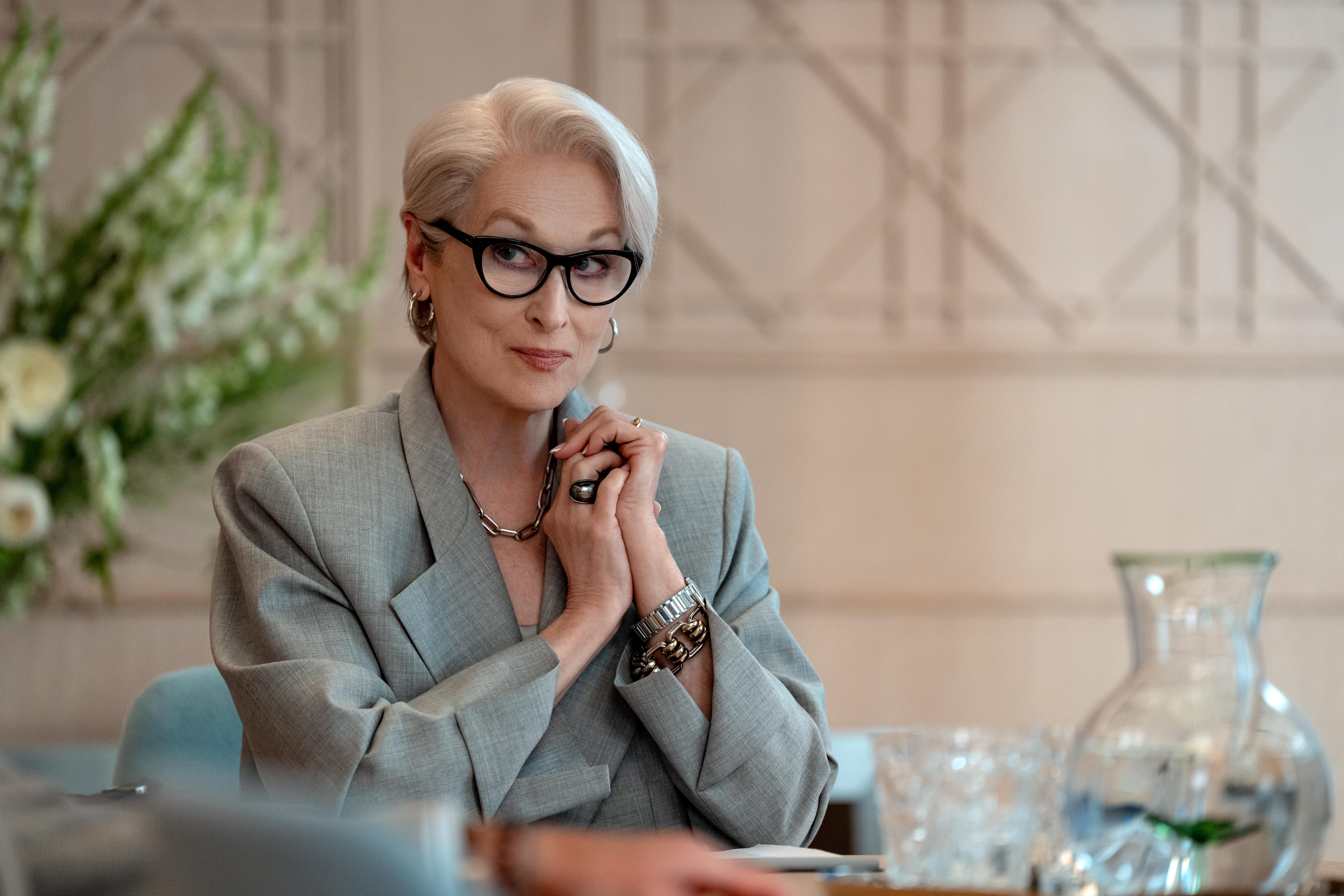
Across town, Miranda Priestly (Meryl Streep) arrives at an event reminiscent of the Met Gala, when news of a scandal at Runway breaks as she begins to walk the carpet. In a quick turn of events, with Andy now back on the job market and Miranda suddenly needing to do damage control at Runway, Andy is brought back into the magazine to lead the Features department.
Reunited, Andy and Miranda spend much of the film in a push and pull over what journalism is supposed to look like at Runway. With Andy at the helm of the newsroom, now armed with years of serious journalism experience, she endeavours to put out meaningful, reported pieces. Weighed down with the chairman of Runway’s concerns around engagement, Miranda presses Andy throughout the film to pursue more metrics-focused journalism. Through the lens of capitalism, what is the utility of a story in a mainstream publication if nobody reads it?
Scattered throughout the film, a number of well-placed easter eggs serve as callbacks to the original film for its most attentive fans: from the street salesman holding up the two matching belts; the return of the iconic refrain “a million girls would kill for this job”; and Andy re-wearing the same cerulean vest she wore in the original film, in her last scene in The Devil Wears Prada 2. (Although this version was a bit more elevated.)
Two decades later, some of the most notable differences are felt in the personas of and relationships across our returning characters. The 2026 version of Miranda comes across on screen as a much softer version of herself. Miranda is much more meek in conversation with new management, and far more pliable in learning the language of body positivity with the gentle but firm adjustments from the new “Emily”, Amari (Simone Ashley). This time around, Nigel (Stanley Tucci) and Andy’s working relationship retained its playfulness with some endearing moments of care. Nigel has maintained his edge over the years, while remaining in his role at Runway as Miranda’s #2. He returns to Andy’s rescue a few times throughout the movie, offering up Runway’s closet for Andy’s trip to the Hamptons, to the end-of-the-film reveal, where we find out he was the person in the head’s ear to get Andy rehired.

In terms of one of the newest additions to the cast, the inclusion of Peter (Patrick Brammal) as Andy’s love interest, presents one of my few qualms with the film. Peter is a charming Australian contractor that Andy connects with on a viewing of a new luxury apartment building. After Andy inadvertently insults his work, the two end up exchanging information via Tracie, Andy’s long-term best friend. They go on a couple dates throughout the film, before nearly calling it quits prior to Andy’s work trip to Italy. Although they come back together at the end (in true rom-com fashion), I would argue that this milquetoast romance makes for an extremely unnecessary subplot in this film. It does nothing to advance Andy’s character growth, nor does it move the actual story forward. Quite frankly, Andy does not need him.
Furthermore, I think the crux of Andy’s character lives in her clear love for her career, and her unwavering commitment to salvaging the industry. Andy represents the quintessential career woman; every other relationship (outside of work) in her life, feels very secondary in her world. Including this relationship feels like a strange choice, considering that romantic love (and particularly, this love) feels so inconsequential for Andy’s character evolution and story.

Andy and the original Emily’s (Emily Blunt) relationship was perhaps the most interesting to watch. Emily Charlton is now head at Dior, following an abrupt, compulsory departure from Runway. From the surface, she appears to have found her footing in the luxury retail space. Emily Charlton and Andy end up joining forces to rescue Runway from the McKinsey-style management consulting takeover after the surprise death of the chairman. Emily Charlton’s new billionaire beau, Benji Barnes (Justin Theroux) swoops in to save the day, and the advancement of this premise is where the film loses me.
We first see her partner on the cover of a magazine, where, oddly enough, he is glowingly referred to as the “Data Center King”. While there emerges a clear need for capital to rescue the company from the clutches of the son of the chairman, the “good billionaire” bit falls a bit flat when you consider that the very reason that journalism in the U.S. has been decimated is because of the billionaires bankrolling mainstream media.

After a surprising betrayal by Emily Charlton, Andy and Miranda band together to finesse a new offer at the last minute and miraculously save Runway. The film closes with the two in a car on the way home, with Miranda giving Andy approval to write the secret memoir on Miranda (because, of course, Miranda has ears everywhere).
For a film that had to fill in its narrative world following a 20-year gap, the characters feel like they have grown with their audience. Andy has truly grown into herself and her work with a newfound air of self-assuredness, despite the moments at Runway where we see flashes of her younger self return. After decades in Miranda’s shadow, we even get the opportunity to see Nigel stretch out his wings.
The subject matter equally feels to have reached an appropriate maturation; the reckoning with the grief and outrage over a depleted sector is palpable, and very real within and outside of media circles. The conversation this film prompts on the sacrifices made when corporate interests eclipse the arts, and how these decisions have reconfigured the role of journalism in society (commercialization over curiosity), is critical in understanding the gangrene that has spread across the industry.

To have premiered the weekend before this year’s controversial, billionaire-sponsored Met Gala, I am reminded of the words of Oscar Wilde, “Life imitates Art far more than Art imitates Life.” In a tumultuous time for fashion on the big screen and in real life, I can appreciate that the film prompts us to consider what happens to art and fashion under corporate capture. With the film closing on the hint of a memoir on the way, audiences are left to wonder if this is the last we will see of Andy Sachs.
Leave a Reply