Tag: African Music

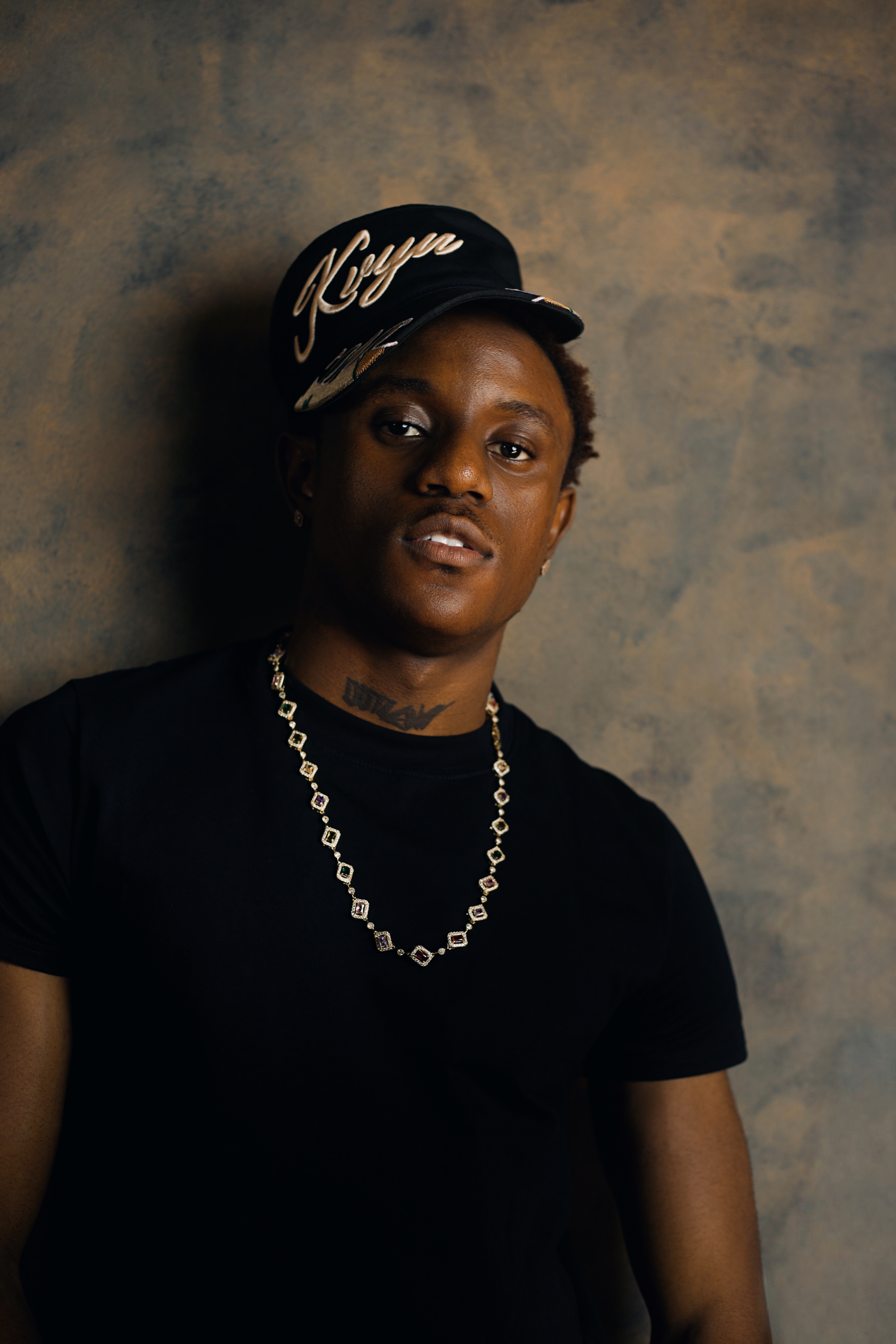
  • Ayo Maff Isn’t Running From the Feeling. On “Malaria,” He’s Catching It.

    Ayo Maff Isn’t Running From the Feeling. On “Malaria,” He’s Catching It.

    Words and interview by Ejiose Ikuenobe

    “If there’s one ailment that everybody, at least in this part of the world, cannot but catch one day, it is malaria. So I was just trying to express that helpless feeling of being caught in that circle of that thing you may have sworn never to fall into. So it was just me being lyrical or poetic, even of a true feeling or my reality at the time the song was written, cos yeah it is my real experience that I feel a good number of others can relate to.”— Ayo Maff

    That feeling sits at the centre of his new single, and it’s why I wanted to sit with him after its release. Nigerian songwriter, singer, and vocalist Ayo Maff, born Ayorinde Mafoluku Ayodele, is a dancehall, Afrobeat, and Afropop artist. His latest single, “Malaria,” features Zinoleesky. We spoke about how it came together. I came to the conversation to find out his process as an artist, his storytelling, and his plans, and I got all of it at once. But hearing someone’s journey and experience from the person themselves is different from listening to it through the music.

    Ayo Maff has a gift for making plain feeling sound clever, and he knows it.

    “I have always been very good with wording my lyrics in ways that come off as interesting when all I am doing is merely being expressive,” he says.

    I asked whether the metaphor began as a joke. His answer, the one that opens this piece, says it didn’t. It was a true feeling, his reality at the time he wrote the song.

    From there, the conversation drifted to the other voice on the record. Ayo Maff and Zinoleesky both come out of street-pop, yet they sound nothing alike, and I wanted to know what each of them carried into the room. I asked him:

    You and Zinoleesky both come from street-pop but sound very different. What did each of you bring to the record, and how did the session actually go?

    He answered:

    “With respect to what we both bring, I think the song already showcases it. Our difference in sound is because of our individual authenticity and style, and it is always a beautiful thing when such diversity does not hinder creativity. Actually, it was that diversity that I feel brought out the greatness of that record. And with regards to how the session went, big shout out to my big bro Kizz Daniel, cos I was at a session with him and Zinoleesky when I played him the song, and he suggested that Zinoleesky will be a great fit for the song, coincidentally, I had always also thought so, so he was there, we just made it happen.

    There’s a quiet backdrop here, too. Zinoleesky left Marlian Music in April and started his own label, Zinodict Music, and days after “Malaria,” he announced Waziyung as its first signing. For Zino, this is one of his first major features as an independent executive. Neither of them raised that with me, but it sits just behind the record, two artists sharing a chorus while each is, in his own way, building something new. Humour runs through Ayo Maff’s songwriting, and “Malaria” is funny right up until the moment it isn’t. The joke turns, and what’s underneath is exposed. I wanted to know whether he steers that, or whether it steers him. So I asked:

    Humour is a big part of your songwriting, but “Malaria” is also vulnerable. How do you decide when to be playful and when to be open?

    He said:

    “With this music thing, you don’t exactly decide; the music leads you where it wants to take you. I make music at times, not really knowing what I want to make from the instance, but as the making progresses, we arrive somewhere, and it becomes clear where the music has taken us. So it depends on the vibe when making the music, what matters is being authentic and following the spirit at the time you make the music.”

    I am a street boy, that one thing that can never change about me.

    That answer made me curious about the raw material. If the music leads, then where does the language come from? Ayo Maff writes in the voice of the street, in Yoruba and Pidgin and everyday speech, and I asked what makes the cut and what he keeps out: Street language and everyday experiences shape your writing. Which slang phrases or moments from real life end up in your songs, and what do you avoid?

    He didn’t offer a formula:

    “Like I mentioned earlier, with music you don’t decide; it just happens. It mostly depends on the mood and vibe one is in at the time actually. I am a street boy, that one thing that can never change about me. So it will always show in my music in some way, be it in lyrics or delivery or other ways, and I always say that I write about things I’ve been through and experienced, I no fit talk about things when I no know. But how I get to pick and choose, I doubt there’s a formula to that, it just comes as it comes.”

    That honesty has run through his work since Bariga, the Lagos neighbourhood he comes from, where early records like “Jama Jama” turned daily struggle into song and carried a quiet fear that success might pull him away from home. “Malaria” is lighter in tone, but it follows the same rule. He writes what he knows. It also made me want to ask how far that road has taken him. Ayo Maff is a different artist now than he was when he made Prince of the Street, in profile and in reach, so I asked what had shifted underneath:

    Since Prince of the Street, how have you changed as a storyteller and as an artist, both in sound and in the way you build a project?

    He pushed back on the word “changed”:

    “I wouldn’t say change, I doubt I’ve changed. Grown though, yes, that has happened exponentially. I always say that I’ve never recorded as much and as intentionally as I have since my last album, and in the build-up to my next album. I would always be a storyteller, na just so we be from where I come, and I see my music as an outlet to say how I feel or talk about my experiences in ways that people who have been through what I’ve been through can relate and maybe it can also help them release those feelings and emotions as I do when I make my music.”

    A song like “Malaria” never reaches people as sound alone. It arrives with a look, a mood, a world built around it, and I was curious about the people behind that world. Ayo Maff talks about growth as something he’s done alongside others, so I asked who stands next to him when a release takes shape:

    Creatively, what does the world around “Malaria” look like, from the visuals to the rollout, and who shapes that direction with you?

    He started with gratitude:

    “Gratefully, I have a team that is perfectly in sync with me with regard to how to visually portray my music. We have for a while understood each other and know what the visual representation of my releases are, I feel that if you follow me, you’d reckon that there’s been consistency with how I go about my visuals. So with that level of understanding, we always collaborate to trade ideas and create visual concepts that depict the idea of the record in a way that fits well with how I like it. So yeah, we always find ways to work with the right photographer or videographer to achieve the ideas we put out or set out to achieve. So the world around it is me and my team steadily putting in work.”

    By the end, the talk turned to the thing every listener wants to know: where he goes from here. With “Malaria” out and the conversation around it growing, I asked him straight: What’s next: is there a project or EP on the way, and what should we expect from it? Any tour plans, and which countries or regions do you want to tap into, and why now?

    He kept the details close:

    “What’s next? A lot, I promise you, there is a lot, but I would rather you sit and watch the space as it all unfolds. With regards to a project, it is no secret that my album “HIGHSTAR” is on the way, it will be my second studio album, and it drops soon. Tours, what region or countries… just stay tuned, they will all be rolling out soon and in due time, I promise. Why now? Why not now? HIGHSTAR is coming, so it all has to start happening now so that everyone will get the full experience of what HIGHSTAR is all about.”

    Then I asked who would be on the project, and who he’d most like to work with:

    Who would you most like to work with on the next project, whether artists, producers, or creatives outside music, and what would you want to create together?

    “I will need a long sheet of paper to make this list cos there are so many people I would love to work with, so it will be quite a lot to start to list them. But the good thing is that I have some of them on my upcoming album, so soon enough you’d get to know them, and for those who won’t be there, in due time too, God willing, I will work with them and you’d know those ones as well.”

    I left the conversation with one thought: Ayo Maff isn’t selling a persona or a polished origin story. He’s a young man from Bariga who still writes about what he’s lived, credits the people beside him, and treats growth as something earned slowly. The story behind “Malaria,” and his voice alone, tell you this is an artist who cares about the message. That’s what to expect from his second album, HIGHSTAR, dropping soon, especially with the new names and collaborations he’s adding to the list. It’s one to watch out for.
  • Where Does KiDi Go From Here?

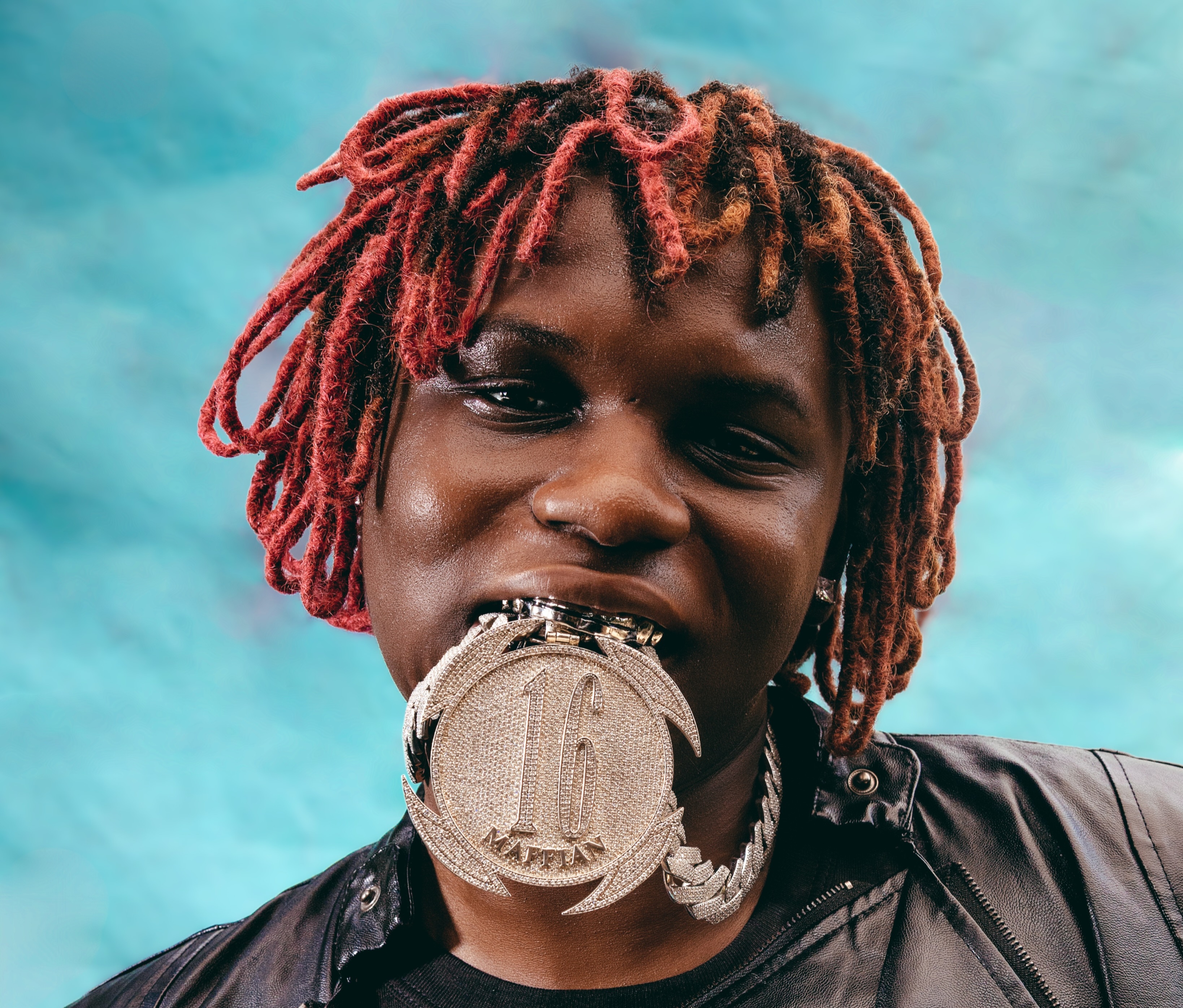
    Where Does KiDi Go From Here?

    LOOOK Issue 02 | October, 2026

    Words & interview: Tobi Oke

    KiDi has not come down yet, and he says so before I get to my first real question.

    “I expected that by now I’ll be down from the high but unfortunately I’m still floating in cloud nine,” he tells me, a week or two after his first solo headline show in London. He is back in Accra, where he lives, but he is clear that the rest of him has not caught up. “My spirit is actually still at the venue. It’s still on that stage, still taking it all in.

    “The team jumped on a call for the cover of the second issue of LOOOK, and the KiDi who answers is the relaxed, generous version of an artist whose first headline show in a city he has a soft spot for went the way he hoped.

    London, it turns out, was never a normal room. In the videos that circulated afterwards I noticed fans saying they had flown in from Australia and Ireland, and KiDi says the pull went wider. “Not just fans in the UK, fans in Spain, fans in Germany, fans in France,” he says, people who had spent years asking for a KiDi show and treated this one like a road trip. A month or two earlier, on a TikTok live, he had spoken to a fan in London who was about to fly back to America. She had just learned about the concert and decided to stay an extra month to be in the room. “All these things are a blessing,” he says.

    I ask if he had a ritual before walking out to around 2,000 people. What he describes is company, not ceremony. Backstage it was his team and a few friends from the media, music playing, nothing staged. “We’re just chilling and hanging,” he says, and that was the whole method. “I felt the love. I felt so much assurance and energy.”

    Then I make him play a game. I have been living inside Where Do We Go From Here, his latest album, I tell him, and he gets three guesses at my favourite of its fifteen tracks. He tries Headache, then See Thru, and misses both. After a third try and locking in, he lands on Agreement.

    My case for it being my favorite is structural. The album opens in motion, Crazy World into Special Lovin, and three more tracks, Agreement is where it finally lets you sit. It is the bridge that makes fifteen tracks feel like a journey and not a queue, and it is why there is no song on the project I am tempted to skip. KiDi says he is honoured I noticed. Then he tells me something I did not expect. When his team met to plan the video for Agreement, he kept telling them the song would be played for a long time and the visuals had to hold up in twenty years. I tell him I am calling it now, that Tobi from LSTV said so. “I also do believe that,” he says. The song, he adds, “might transcend me” and the album around it.

    Only four features sit on the project, from Sarkodie, Kwesi Arthur, Lasmid and AratheJay, and none of them feels parachuted in. That was the brief. His team built the album around the listening journey, asking what each guest would add to a song: the production, the message, the delivery. “Sometimes you hear a collaboration and the song might be good but the collaboration kind of feels out of place,” he says. His test is ten years out. He wants a listener to return to these songs and find “nothing out of place about it.”

    Many Nigerians met KiDi through Odo with Davido, so I ask who he would run it back with now. He answers with a restaurant receipt. “It’s such a long list,” he says, the kind of bill that keeps unrolling. Fireboy comes first. Asake gets the most considered pitch: whatever the subject, KiDi hears spirituality and soul in how he interprets it, and “me and him on a song would just be crazy.” Tiwa Savage, Ayra Starr and Adekunle Gold make the list too.

    Then the question I knew would test the mood. KiDi was left out of the Artiste of the Year race, and his public response, that he was coming back stronger, struck many people as too calm. He explains that the line is older than this year. “I’ll be back” began the year he was nominated, a favourite, and lost. He won the year after. “It was something I was using to reassure myself,” he says. “It’s not a race, it’s not a fight, it’s not a do or die.” He will clap for the people in the category. He also plans to return next year, and he says it with a grin I can hear: “It’s looking like we are back.” It is a more useful answer than the defiant one fans wanted. The line was never a threat, it was a note to Dennis.

    That thread runs into his definition of success, which has changed more than his schedule has. At 22, he says, happiness was always one event away: “If this next song becomes a hit then I’ll be happy. Or if I get this award.” Each time, the thing arrived and the feeling did not. “That fulfillment and that happiness will not come from any destination,” he says. A good dance, he adds, goes backward and sideways as well as forward. “It’s all part of the dance.”

    Asked to choose between Sugar, The Golden Boy and the new album, he spends a few seconds being diplomatic, each record had a role to play, and then he stops. “It represents me now,” he says, “my current story.”

    The conversation turns to Zane, his son, whose name KiDi carries boldly on his Instagram profile. “Everything I’m doing now, it’s not just for me,” he says. Zane is watching and learning, which cuts both ways for a public figure whose stage performances land on timelines. Some of what he does is art and not for a child to absorb unguided, so he and Zane’s mother guide him through it. Zane, meanwhile, has notes. When Signature came out, he asked why he had not been allowed to design the cover, then asked whether the artwork could be taken down so he could replace it. “That’s not how it works,” KiDi says, “but maybe next time.” KiDi is kinda happy that his son has already picked up something and is already fighting for his space.

    If Zane ever says he wants to sing, KiDi answers with a history lesson. His generation did not get this freedom. Any African child, he says, knows the pressure to become a doctor, a lawyer or an engineer. “We didn’t have all this freedom, but the good thing is we’ve learned from all these things.” Whatever he chooses, he will guide and support.

    Independence is where KiDi sounds most like a man doing arithmetic. The freedom is real, he says, and so is the workload. A label’s machine is well oiled, and going alone means owning every part of the craft. That is where his team comes in, the people he calls his soldiers. “There’s a reason why these labels exist,” he says, and carrying every task yourself can dilute you as an artist. What stands out is what he refuses to do. A newly independent artist could dunk on the label system. He does not.

    I ask for advice on ownership and leverage for any young artist, in Ghana or elsewhere. He opens with a caveat: “What works for Peter might not work for Paul.” Then a method. Look at where you are, the talent you carry and the vision you hold, and ask who can help you get there. If it is a label, go, but be wise in your signings and read the fine print. If it is your own team, do that. Either way, learn everything, because “eventually you will not be in a label system forever.”

    He is as generous about home. Kojo Blak and Olivetheboy lead his list of Ghanaian names worth hearing, with a deeper bench of artists and producers he believes the world will reach in due time. Ugly and Tough, Liquidbeatz and Alor G.

    The quick fire loosens the room. Accra or London? “London,” he says, “only because I already live in Accra.” Asked what the 2015 MTN Hitmaker version of himself would say seeing him now, he says that boy would not believe his eyes. “I can’t believe girls used to love that boy.” What would surprise fans? He paints, and keeps a sketchbook he used to draw in. It is hard to hear that and not think of Zane and the Signature artwork. “I know where it comes from,” he says. “Sometimes your kid takes something from you. It’s a proud moment.”

    One word for Where Do We Go From Here? He gives me one that is technically two. “WORLD WIDE.” It is not only the music travelling. “I want to be on stages around the world performing. I just love being on stage.”

    It would be easy to catch him in a contradiction. A man who says no destination can make him happy is still floating a week or two after his first solo headline show, and he sounds in no hurry to land. Somewhere around that word, worldwide, I stop reading it as one. London was not a destination. It was a room, and he is staying in it for as long as it lasts, which sounds a lot like the joy in the journey he says he is learning. His body is in Accra. His spirit, by his own account, is still on that stage, and from the way he says worldwide, it is already scouting the next one.

    Credits:

    Editor-in-Chief: Lanre Shonubi

    Photography: Nhana Kwame

    Producer: LSTV World Wide

    Editor: Fortune Ibeh

    Co Producer: Yewi Omo

    Design: Fortune Ibeh

    Writer: Tobi Oke

  • Victony: The Long Way to STARLIFE

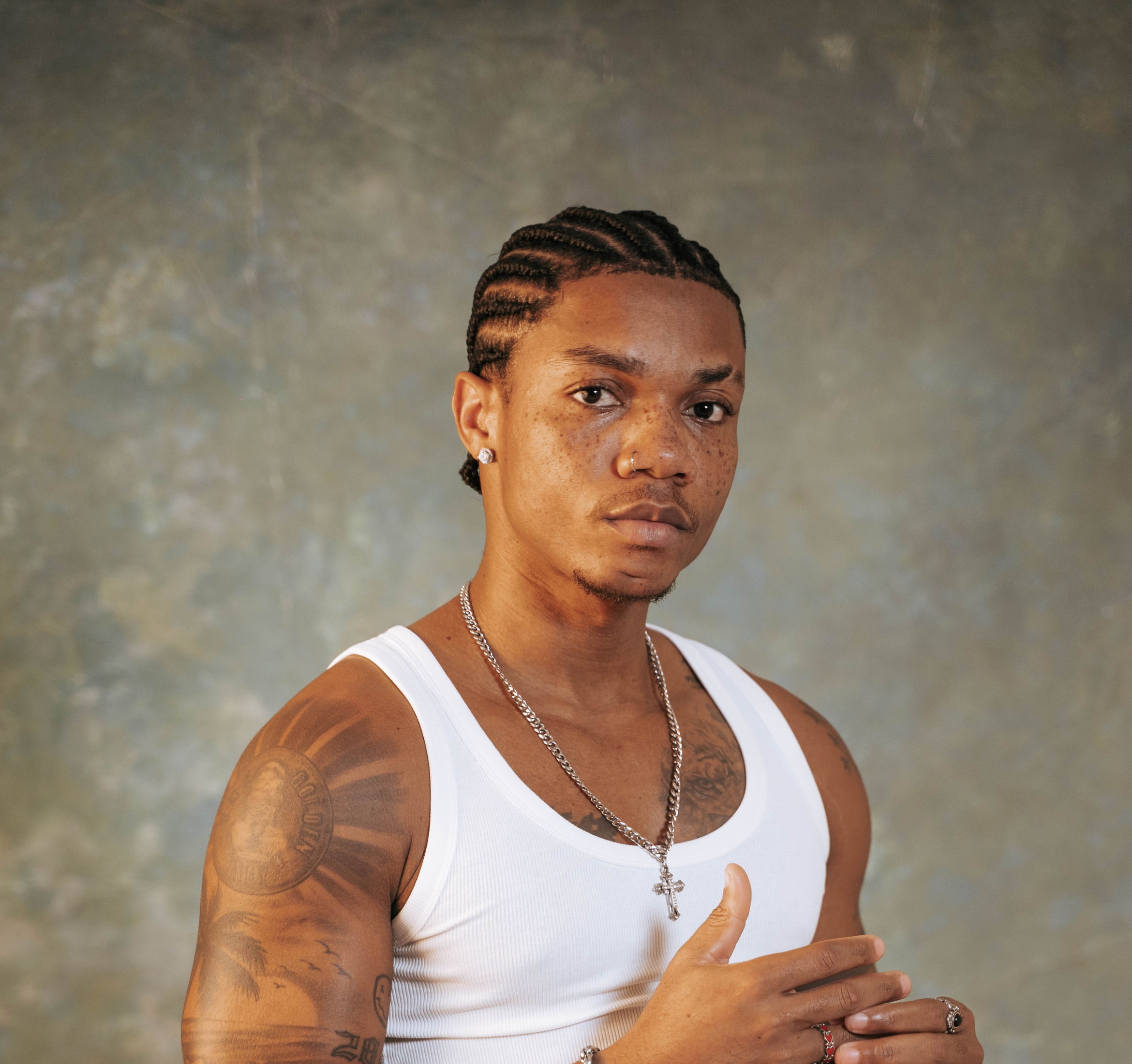
    Victony: The Long Way to STARLIFE

    Loook Issue 01 | September, 2026

    Words & Interview: Fortune Ibeh

    Created with RNI Films app. Profile ‘Agfa Optima 200 v.3’

    Over a Google Meet call slated for an hour, the leader of the Outlaws joins us at exactly 1:30 p.m. sharp, sounding remarkably relaxed. There is no sense of ceremony to it. No stiff introductions or carefully rehearsed answers. Within minutes, what was meant to be an interview begins to feel more like a conversation between people catching up.

    And, gracefully, we let it.

    By the time we really get into it, Victony has already settled into the room.

    Starlife has been out for a few days now, which means the wait is finally over. The songs are no longer just his. They’re being played in cars, at parties, through headphones, onstage and, inevitably, debated across charts and timelines. After months of anticipation, the album has left the safety of his hands and entered the world.

    So, naturally, we start there.

    How is he feeling? He laughs, thinks for a moment, and the conversation begins to open up. Soon, we’re talking about the album, but also everything that came before it: Outlaw, Stubborn, Very Stubborn, the accident that became an indelible part of his story, the people who helped shape this new chapter, and the freedom he seems to be finding in it.

    For our first Loook Issue, powered by LSTVWW, London, Victony sat with us to talk through that evolution, what it took to get here, and what it feels like to finally enjoy the life he spent years fighting for.

    He has spent his whole career chasing one thing, and he’ll tell you himself if you ask him plainly enough. Not excellence, not a lane, not even a sound. Freedom. From Outlaw’s early defiance through the open wounds of Stubborn and Very Stubborn, each era has been another version of that pursuit, a young artist finding new and increasingly honest ways to express himself.

    Starlife feels different. The fighting has quietened a little. The trauma isn’t gone, but it no longer has to take centre stage. Instead, Victony is choosing to look around, take in the view and enjoy the life he spent years fighting to reach.

    Maybe that’s the easiest place to begin: not with where he is now, but with everything it took to get here. Because Starlife doesn’t exist in isolation. It carries traces of every version of Victony that came before it, even as he seems increasingly comfortable leaving some of them behind.

    Starlife is out now, but I want to rewind a little. When you look at the journey from Outlaw to Stubborn, Very Stubborn and now STARLIFE, what has that transition actually felt like for you

    It’s me just growing right as a person, learning and learning, and I feel like there’s been so much real life reflection in the music, right from Stubborn to Very Stubborn, and to star life, it kind of just shows you where my head space is at, but overall it’s just been me, it just felt like growth, to be honest, through this different process, so yeah.

    Starlife feels very different in spirit. There’s a looseness to it, almost like you’re allowing yourself to enjoy the view a little more. Was that something you consciously felt while making it, or did you only recognise it when the album was finished?

    Yeah, I think it came from the song, Starlife.

    You know, when we made the song Starlife, it somehow just happened to be, like, the core of everything that I was making, you know, very unintentional. But long story short, we wanted to do an EP first, and we decided to call the EP Starlife, I don’t know why to be honest. I guess it just connected and resonated with us at the time, the way the song was and with a couple songs at the time, you could feel all the elements of other songs in Starlife, so it just became the core of everything we were trying to build and then we transitioned into a mixtape it was still going to be called Starlife and finally transitioned into an album, it didn’t change the name.

    Seems like you made Starlife before Slick and Fresh was that the case?

    Yes, Slick was the last song we made and that’s what made me decide, you know what, let me turn this into an album. Because to be honest, till June, July, it was supposed to be a mixtape.

    I feel like you could still get that mixtape energy from the rollout and how quick we went to put out the album.

    I decided to turn it into an album because I wanted people to take the music very serious, because time and effort had gone into production, writing and making sure, like, everything sounds good. And I felt like, yeah, this is above mixtape, feels like an album, but everything else around the energy surrounding the release of this project has been very, very mixtape, I won’t lie.

    How long did it take you to get the full album, the 15th track?

    I’d say about 7 months, yeah.

    That took a while. Interesting.

    If you zoom out and look at the journey, there’s a pretty striking progression: Outlaw, Stubborn, Very Stubborn, and now STARLIFE. Each title feels like it captures a different version of you. When you look back at those eras, what do you see?

    I mean the goal has always been the same, I felt like all I have always wanted for myself in this life is to be really free, and so every version of myself that I look at is just me making an attempt to be free, it’s just been in that chase for freedom.

    So, when you look at Stubborn, it’s like the same thing, and the process for putting out Stubborn is very, very similar to STARLIFE, actually. It started up the same way. It was meant to be an EP and then it turned into an album.

    It’s just like, I don’t care, these are the best songs that I have, I’m going to put them together and put out an album regardless of what is expected.

    [He pauses for a moment.]

    So, to be honest, I just see different versions of myself that just really wanted to be free.

    But, obviously, in these three eras of my career, I’ve been in different situations. I’ve fought different battles, I’ve survived different things and I’ve been in different headspace, but it’s still the same kid, just growing, it couldn’t have been any different, based on the people in my life and then the car accident that I dealt with, I mean it’s just me, it’s just freedom, you know.

    Yeah I mean, anyone that pays attention will see the artistic journey and I think yours is very evident.

    You mentioned Slick, was the last song you made on the album. While making, did you think it was going to be this massive?

    No, no, no. I didn’t, to be honest. I mean, I knew it was a good song, right from making it, I remember I was so excited.

    I had doubts, just little doubts.

    I mean, Slick, Slick, the way the chorus was repetitive, I didn’t know if Nigerians were going to fuck with it. It was just very new. Even when I sent it to my Manager at the time, he was already fed up, because I would do this every week where I’d send new songs.

    And it’s like, oh, we have to figure out the thing again. And that’s why we kept moving, like, from EP to mixtape to album.

    So when I sent him Slick, It just felt like too much at the time, for him to process. And I was like, you know, let me just actually chill on this record a little bit. So I think I was planning the shoot for “who this”, and then I played some songs for my videographer and he’s like, “yeah, this is the one, these songs are crazy, it just really puts you, like, in your own lane.”

    And once I heard that, it sparked something in me again. Because that’s really what I wanted to do with this project. To show people what, Victony is capable of and do things, only Victony can do. So once I heard that, I started, like, getting into that zone again.

    I just started playing the record again. I fell in love with it again and I became excited. I say this to say that I didn’t really have the chance to think about what it was going to do.

    It was just that battle of, oh, am I going to put this out? Am I not going to put this out? Just based on everything that was going on at the time. Until I got to a place where I was excited enough to think about the visual, shoot and just put it out, that’s where it stops, but enough in terms of what is it going to do or not, to be honest I didn’t know, I just liked it.

    You just said “ you want people to know what Victony is capable of” and I came across a video of you recently rapping, you used to be a rapper, also found out that you drew the cover art for outlaw, that just shows that there’s a lot to the name Victony, are we going to see a Victony rap song?

    I think I know the video you’re talking about.I was cringing at that video.

    [Laughs]

    No, I doubt, I doubt I’m ever going to be rapping again. I think I found what I’m good at and I’ll just stick to it. But, I mean, you can always just hear, like, the hip-hop influence in my music, one way or the other.

    Like on Starlife, even with the intro song, you hear some, some rap influences, same thing with Slick, right on the hook, and same thing with, Typo and 2Fresh.

    So, I think with Starlife, I try to just show that side of me, which I’m always going to do, in my music, even though I’m a singer, but you’ll be able to tell with, like, certain cadences or, just rhythm or my flow choice or what not, that it is slightly different from, a regular Afrobeat artists.

    So, but in terms of, like, rapping, rapping for real, I don’t know. I’m not sure.

    [We both laugh]

    STUBBORN, had international footprints with features with Teezo Touchdown & SAINt JHN. On STARLIFE you came back home why was it important for you to feature more Nigerian artists on this?

    To be honest, I think it was from me trying to just do this quickly. Because Starlife is a very short phase. It’s not something that I wanted to overemphasize. And that meant doing music with the people that I have genuine relationships with. I got the verses from everybody, really quick. I also knew, these guys would really kill this. I could hear them in that soundscape.

    I also wanted it to be genuine, because I wasn’t going to text anybody or wait for my label to reach out to anybody. Personally, I didn’t care about that in this process. I just believed in the music so much. And I wanted people that I could talk to and people that I can get real time feedback from.

    And that’s what, really, really empowered that decision to just bring it home. It’s just wanting to be really authentic.

    Like I said, Starlife is me, really, really, stepping into myself and doing the things that really makes me happy as a person, and the things that I have easy access to that make me happy.

    And that’s the thing about my relationship with Baby Boy AV. That’s somebody I spend time with every day, same thing with YKB, YKB will come to my house and stay for a week or something. I go to Blaqbonez’ house every other day, and then, if I want something from Bnxn, he’s one text away.

    I had, multiple sessions with Young Jonn at the start of the year. So, these were verses that I could just stretch out my hands to get, and I knew, they would also put in effort because of their level of respect from me.

    But it wasn’t an intentional thing for it to be, like, oh, just only Nigerian features. It just worked out that way because of where I was and how I was just thinking about the process.

    This sounds like Starlife is more like a family thing.

    Exactly

    Hmmm…What does the era Starlife really mean to Victony currently?

    “Starlife” is me talking about the life I’m living right now, but at the same time, it’s also me manifesting the life that I desire. It’s still me fighting for myself, in a sense. Like, in this life, I’m going to be happy. I’m going to get all the good things in life. In contrast to my previous project, Stubborn. It was really personal, and that was also a step in that direction of wanting the best for myself, wanting to step in a very, very positive direction, wanting to step into the light.

    And with Very Stubborn, it was trauma dumping on those records, like, being very open and vulnerable to the fans. And just releasing everything that I’ve held in for so long.

    Starlife is a very different project from that, but it’s still a step in that direction. It’s, like, I’m not going to focus on the negative side of my life now, even if I still battle with those things, every now and then. Starlife is still a fight for my life, to be honest, but in a very, very different direction, it’s me saying, I’m going to step into my happy place.

    This year, I have recorded over a hundred songs, to be honest, all just talking about the same thing, and if I put out a hundred of them, it wouldn’t sound any different from what is on Starlife.

    And that’s how much energy I put into it, just making sure, like, I’m focused on the positive things, I’m not talking about anything negative.

    This era is less about excellence or trying to prove, being the best artist or what, or trying to have the album of the year.

    But it’s really about what I want for myself and that’s why I made these records, just to have fun with my friends, with my fans. You know, I made these records for my shows also.

    Interesting….Your relationship with Ozedikus seems to have become a big part of the Starlife story. You both have worked on a series of songs about 13 or more? You made “FRE$H,” then “SLICK,”. What do you remember about making these two records? And at the time, did you have any idea you were sitting on something that would become this big?

    Actually, I didn’t. This year, making music, One thing I wanted was to allow the music lead, and that’s why I hit up so many producers at the start of the year. I didn’t have a particular direction, I was just making music out of curiosity, I let myself just be in those sessions. I really wanted to tap into different people’s worlds. And with Ozedikus that was the case, I hit him up and I’m like, “bro, let’s have a session”, and to be honest, I didn’t even know what to expect.

    Like, my friend at the time, he was just helping me, reminding me of producers in the game. He’s like, oh, you should work with this person, you should work with this person. So at the time, he was like, okay, let’s work with Ozedikus now.

    Then I hit him up and, you know, Fresh was the first beat I heard when I went to the studio that day. And yeah, we made the song, we made three songs that night.

    I just tried to do a session with him every week. Because, one thing I also wanted to do was to be musically sound.I have as many songs with Ozedikus as I have with PPrime, & Rage.

    I know I have at least ten songs with almost every producer that I’ve worked with this year. So music to me was, similar to ,attending the gym, but, I mean, as much as it was I had to keep recording.

    I also have something special with Ozedikus, with the way he records me, the way he works my vocal stack. He could immediately see the idea or see the end, from the beginning during sessions, and I think that’s what stood out, with Ozedikus. That’s what happened with Fresh, and that’s what gave me the confidence to keep working on more unique ideas with him. Because he knows how to get it done, and just start tailoring it to what you have in mind.

    So with Slick, it was unique, because he sent me a different beat and went to the studio, we tore it down, I did the reference, and had the girls come in and another day, we did the second verse.

    I mean, Slick is one song that, you know, we took time to produce, and that’s so funny because the song is very short compared to the time we used to produce it.

    Quickly, I want to take a step back and appreciate the team behind STARLIFE, from the management team to the creative team (the stylist to the photographers etc), & producers and everyone that worked hard to portray this version of you.

    Ten years from now, when people talk about Victony, what do you hope they remember beyond the songs?

    I want them to remember me for my authenticity, I want them to be inspired by how much of myself I was. I want them to look at me and not care about what people think about them.

    [A brief pause. We sit with that for a moment before circling back to Starlife.]

    Back to Starlife, you made mention that Starlife is a short phase. What should we expect from Victony after Starlife?

    I mean, it’s just going to be growth still. I feel like I’m learning faster and I’m growing faster and that’s why I’m quick to realize what I want for myself. I think you should expect a more matured version of me, a grown version. And that’s what you’re always going to keep getting.

    QUICKFIRE QUESTIONS

    Lagos or London?

    Lagos.

    Starlife Album Art or Stubborn Album Art?

    Starlife Album Art.

    I hope you ain’t picking STARLIFE because it’s out

    No, no, no, no.

    I feel like the album art is the deepest part of the whole thing. In it you see me as a kid with accessories like that, the big chain and the big hats, something that’s meant for, an adult. It just passes a message, what I carry inside me is bigger than I am. So, to me, like, every time I look at that cover, it reminds me of something deep.

    Rapping or Singing?

    Singing.

    Morning or Night?

    It depends, though. Okay, let’s just go with morning, because of how I’m feeling today.

    Naija Babes or Yankee Babes?

    Naija Babes oo

    Gamer or Movie Fan?

    Movie.

    Movies or Football?

    I don’t watch football.

    You don’t watch football?

    [Smiles]

    No, I don’t.

    Oh, gosh! Outlaws need to know this one.

    [we both laugh]

    What’s your favorite country to stay asides Nigeria.

    U.S

    Is the album going on the road? Are you going on tour?

    Definitely, definitely, definitely. Next year.

    Would Africa be experiencing it? Because there’s a rise in more artists coming home to do more shows in Africa with their album.

    Yeah, of course. Benin, Lagos, Abuja, Ghana, Possibly Uganda, Kenya.

    Credits:

    Editor-in-Chief: Lanre Shonubi

    Photography: Danielle Mbonu

    Producer: Ruby Aryiku

    Fashion Stylist: Joel EG

    Co Producer: Vamp Media Agency UK

    Design: Fortune Ibeh

    Writer: Fortune Ibeh | Tobi Oke

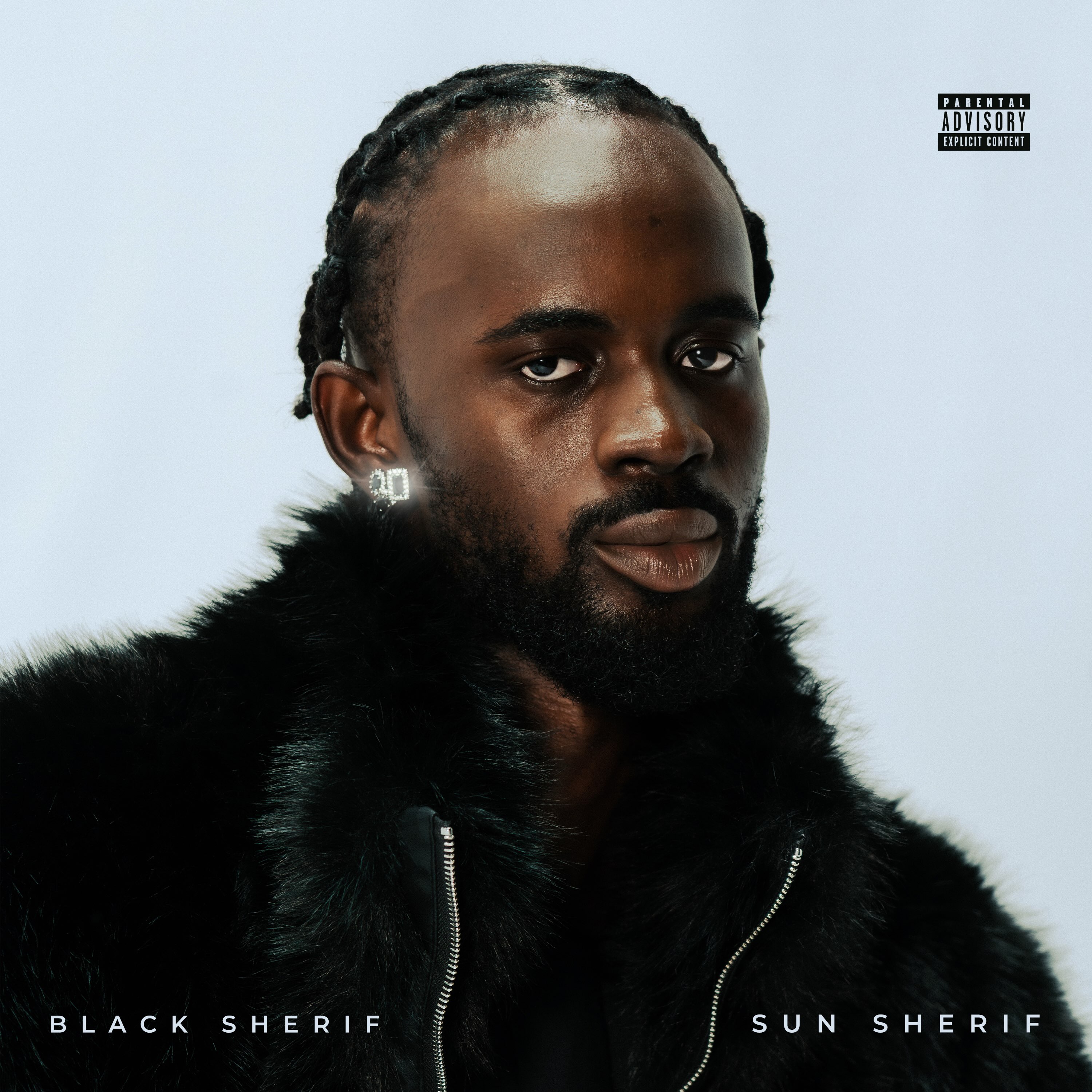
  • The Sad Boy Found the Sun: A First Listen to Black Sherif’s Sun Sherif Vol. 1

    The Sad Boy Found the Sun: A First Listen to Black Sherif’s Sun Sherif Vol. 1

    Written by Tobi Oke

    Six tracks, and not one of them sounds like an artist still processing pain out loud. This is Sherif comfortable enough to talk about ease, love, and ….

    Blacko opens like a man who has made peace with his own weight. More confident, steadier in the pocket, and maybe that peace comes loaded with a run that has been building quietly, a feature on Davido’s “Amazing Grace,” then “Cry” with Llona, both moments where he showed up in someone else’s world and still left fingerprints behind. Sun Sherif Vol. 1 feels like where that momentum lands. Six tracks, one title that tells you everything before you press play. Not hiding from the light this time. Stepping into it.

    Espresso opens things on admission rather than apology. Sometimes he spends more than he makes just to feel something these days, he says, and it is the kind of line the old Sherif might have buried under guilt. Here it just sits there, honest, unbothered by its own honesty, the grind and the loneliness that comes with it laid out plainly.

    Run Around slows the pace down, piano leading the way into something more guarded emotionally. This is Sherif working through the walls he puts up in romance rather than the walls he puts up against the world, a quieter kind of vulnerable.

    Forever with AratheJay picks the energy back up, dynamic and rewarding, a man enjoying the fruits of the work rather than questioning it. It also marks the first time Sherif has brought a Ghanaian artist onto one of his own projects, after years of either going solo or leaning on Nigerian collaborators, a small but deliberate widening of his circle.

    Jolie is the early favorite on this first listen. Calm, introspective, the sound of someone genuinely settled rather than performing settlement. It carries the project’s emotional center without straining for it. Frontline is where he reaches back into his Nigerian bag, a subtle Lagos reference and a sharp “omo iya mi” dropped into the track. Fierce, assertive, proof the calm has not softened the edge.

    Love Again closes with Full Blown, the Trinidadian duo bringing funky, melodic instrumentation that gives the record a different texture from everything before it, warm and slightly island-leaning, the perfect backdrop for a song about finally letting acceptance in. Shoutout to Full Blown, they understood the assignment.

    Six tracks, and not one of them sounds like an artist still processing pain out loud. This is Sherif comfortable enough to talk about ease, love, and what fame has actually cost and given him. He is not just surviving anymore. He is glowing, and for the first time in a while, he knows it.

    Rating: 8/10

  • MUSIC BEYOND TRANSLATION; FOUND IN VIBRATIONS

    Written by Zionne Soule

    Emotion is indeed a dialect of the soul. When sounds transcended boundaries and moved in frequencies, the human spirit resonated long before grammar was invented. I was having a musical discussion with a friend and he described his experience about listening to music without understanding the language; He was driving through a silent night carrying a weight he couldn’t quite articulate when a song played through the speakers and it effortlessly pulled lonely tears from his eyes. When he translated the lyrics, it painted an intimate picture of what he was passing through.

    That’s the sacred alchemy of music. It doesn’t ask for permission or require a dictionary, sometimes it arrives with translating energy in motion. In a culture obsessed with meaning, there is a quiet solace in natural mystery.

    Music will find you when you didn’t know you needed it, saying what your heart can’t describe. In some cases, not understanding the song is intentionally enjoying the vibrations felt, because beyond language barriers lies a world of transcendent artistry and we need to give these voices the space they deserve on our playlists. How often do you listen to songs that aren’t in English? Let’s check out some.

    AMADOU AND MIRIAM

    Amadou Bagayoko and Mariam Doumbia’s sound was beyond audible, it was visionary. They were fondly addressed as The Blind Duo of Mali (Le Couple Aveugle du Mali). They crafted a sound that blurred the lines between ancient West African storytelling and electrically charged psychedelic blues. Singing in French and their native Malian language, Bambara (also known as Bamanankan), they transformed personal hardship into a universal language of resilience, romantic devotion, and radical joy.

    Mariam lost her sight at age five due to untreated measles, finding her passion for singing almost immediately, where she began performing at local events when she was six. Amadou lost his sight at 15 to congenital cataracts. His love for instruments developed at a tender age and he channeled that passion for rhythm through flute, percussion and electric guitar. As a teenager, he earned himself a slot in the legendary Les Ambassadeurs du Motel de Bamako band alongside Malian icon Salif Keïta.

    He crossed paths with Mariam in 1975 at Bamako’s Institute for Young Blind People (L’Institut des Jeunes Aveugles) playing together in the school’s Eclipse Orchestra. What began as a musical partnership blossomed into a lifelong romance. They got married in 1980, merging their artistic spirits into an eclectic frequency, with Amadou’s guitar weaving riffs inspired by Jimi Hendrix, Eric Clapton, Led Zeppelin, and Pink Floyd into fascinating Bambara rhythms, and Mariam’s vocals grounding their sound in pure authenticity.

    In 1998, their breakout song Mon Amour, Ma Chérie brought them international acclaim, but their 2008 track Sabali, from their Welcome to Mali album solidified their place in iconic history. The track’s ethereal synth line and Mariam’s meditative chant caught the ears of musicians. On Nas and Damian Marley’s joint album Distant Relatives released in 2010, they sampled Sabali on one of the popular songs on the album, translating the song’s core message as Nas noted:

    “Sabali, that’s patience. That’s what the old folks told me.”

    Maroon 5 sampled the blind duo’s Sabali on their 2012 track Wipe Your Eyes from the deluxe edition of their fourth studio album, Overexposed. Sarz and BNXN also sampled their 1990 song Ko Neye Mounka Allah La from the couple’s Le Couple Aveugle Du Mali Vol. 2 album on their Back Outside track from The Game Needs Us album released April this year.

    Following Amadou’s passing in 2025 at the age of 70, DJ Snake released a reimagined tribute to Sabali, ensuring the couple’s sonic lineage continues to reverberate across modern dance floors. Amadou & Mariam proved that when eyes close, the soul listens harder; leaving behind a legacy that continues to heal, unite, and elevate listeners across every continent.

    EMEL MATHLOUTHI

    To hear Emel Mathlouthi sing is to understand that music is a weapon of grace, protest and mental emancipation. The Tunisian born and New York based royalty channels the foundational truth spoken by Nina Simone and Fela Anikulapo Kuti: that an artist’s true duty is to reflect the times and she took that concept personally. She sings predominantly in Arabic while weaving threads of French, Spanish, and English across electric pop and orchestral instrumentals, with her voice surpassing intellectual translation to speak directly to the soul.

    In 2008, after her politically charged songs were banned from Tunisian airwaves by the President during that regime, Emel fled to Paris on a self imposed exile to sharpen her craft. When the Jasmine Revolution erupted in 2010, her viral anthem Kelmti Horra meaning My Word Is Free became the unofficial anthem for the Arab Spring. She performed the acapella version of the song in the middle of a massive crowd in Tunisia at the Avenue Habib Bourguiba. The cultural impact of that song earned her the Voice Of The Tunisian Revolution. She dedicated her first album to social and political freedom.

    In 2015, Kelmti Horra brought her to the Nobel Peace Prize Concert stage. Surrounded by a full orchestra, she offered a masterclass in universal dialect, delivering a performance that transcended basic understanding.

    Reflecting on that performance as one of the highlights of her career, she tells The New Arab:

    “Simply, it was magical, singing on a beautiful and very wide stage with a full orchestra would be any artist’s dream, and there I was, singing something I wrote in a language that was foreign to many audiences but that yet spoke to the whole world, because it’s the language of emotions, the language of the inside.”

    In 2024, she released a collaborative feminist manifesto album called MRA meaning WOMAN in Arabic, where she featured women on the whole album; from the artists to the production crew. Nigerian rap powerhouse, Eva Elohor Alordiah was featured on a track titled IDHA from the album, sung in Arabic and English. Emel continues to redefine global sound because she stands as living proof that where language builds walls, pure, unbridled frequency tears them down.

    FATOUMATA DIAWARA

    In many ways, Fatoumata Diawara is the origin of this entire piece; the catalyst that demands we listen beyond the boundaries of translation. To hear the soulfully soothing Malian Empress sing in Bambara is to witness a voice that refuses to compromise her freedom, carrying an innate and rugged individualistic grace that transcends beyond the noise.

    Her story reads like a cinematic act of defiance. In 2001 at just 19 years old, Fatoumata fled her home in Mali for Paris, escaping an arranged marriage to pursue an unwritten future. She later joined a theater company Royal de Luxe as an actress. Music wasn’t her primary focus until the company’s director overheard her singing for fun backstage during a rehearsal. Captivated by the ethereal nature of her voice, he immediately shifted her role to a featured vocalist for the group’s live performances.

    Treachery transmuted to trajectory. She taught herself how to play the guitar and began to perform in local Parisian cafes, eventually catching the attention of Malian legend, Oumou Sangaré. After singing backup for Sangaré for sometime, Diawara earned a record contract with World Circuit Records, releasing her electrifying 2011 debut album Fatou and its breakout anthem Sowa. Singing in Bambara, she fused traditional Wassoulou rhythms with electric desert blues, funk, and folk; creating an ancient and contemporary sound.

    By the time she released her second studio album Fenfo, that included the breathtaking anthem Nterini which is one of my personal favorites. Her global frequency was undeniable.

    She also recorded with Ms. Lauryn Hill for Jeymes Samuel’s The Harder They Fall movie soundtrack titled Black Woman released in 2021. In 2023 she had a song with the late neo soul legend, Angie Stone titled Somaw from her London Ko album.

    Fatoumata proves that when an artist follows their passion with absolute, unwavering conviction, their native tongue becomes a universal lighthouse. She doesn’t just sing in Bambara; she speaks in pure, resonating vibration.

    LES NUBIANS

    From the Afropean architects of soul, there’s a distinct frequency that occurs when bloodline harmony meets cultural displacement. For sisters Hélène (1975) and Célia Faussart (1979), the Grammy nominated duo’s music have always been about bridging worlds. Born in Paris to a French father and Cameroonian mother before relocating to Chad in 1985, the sisters were teenagers in the crossroads of the African diaspora, spending their adolescence deciphering jazz records and layering their voices into seamless, resonating harmonies.

    Adopting a name that pays homage to the ancient African Kingdom of Nubia while honoring their dual heritage, they redefined global R&B with their 1998 debut album, Les Nubiennes. Led by their breakout single Makeda, they introduced the world to an intriguing blend of hip hop, soul and traditional West African storytelling. Existing as modern day griots, their soulfully melodious French phrasing carried weight; celebrating Black womanhood, Pan Africanism and sovereign identity with an effortless flow of rhythms.

    American hip hop royalty, Talib Kweli caught the vibration almost immediately. When him and Hi-Tek (called Reflection Eternal as a duo) collaborated on their Train of Thought project, the sisters delivered their verses entirely in French on Love Language proving that intimacy and lyricism transcended translation. Their global recognition expanded through iconic collaborations with Yasiin Bey (Mos Def), Black Thought, the Black Eyed Peas, and an electrifying tribute to Fela Anikulapo Kuti where they collaborated with Senegalese artist Cheikh Lo on RED HOT + RIOT: THE MUSIC + SPIRIT OF FELA KUTI compilation, performing a cover of his timeless classics; Shakara and Lady. They also featured Talib Kweli in 2003 on their Temperature Rising track from their Step Forward album. The duo proves that French isn’t just a European language; it’s a catalyst for diasporan pride and timeless Afropean soul.

    LIJADU SISTERS

    Before modern Afrobeats dominated global airwaves, the identical twins and queens of Yoruba psychedelic funk, Yeye Taiwo and Kehinde Lijadu were already fusing Yoruba philosophy with psychedelic rock and disco. They were born in Jos, raised in Ibadan and shared the radical music DNA of their second cousin Fela Anikulapo Kuti. The twin dynamo became the beating heart of Nigeria’s pop music scene.

    Singing in telepathic twin harmony, their 1968 breakout song Iya Mi Jowo announced two young women who refused to be shoved to the background in a male dominated industry. When legendary drummer Ginger Baker arrived Nigeria in the early 70s searching for raw talent and soul, he was so blown away by their stage presence and vocal harmony that he recruited them into his band named Salt, bringing their Yoruba infused funk to international stages.

    Their sonic vault remains a foundational catalyst for modern hip hop and Afrobeat. The classic masterpiece Orere-Elejigbo from their 1979 album Horizon Unlimited was sampled by Nigerian Afro pop duo, Black Tribe in 2001 on their song Nino. Nas sampled their Life’s Gone Down Low from their 1976 album Danger on his Life’s Gone Low from his 2006 EP: The Prophecy, Vol 2: The Beginning of Nas. Orere Elejibo also reincarnated decades later as the foundation for Ayra Starr’s 2021 hit Sare from her self titled EP released in 2021.

    The Lijadu sisters prove that Yoruba vocal traditions weren’t museum pieces; they could electrify stadiums and carry resonating soul across borders.

    LES FILLES DE ILLIGHADAD

    Deep in the quiet expanse of the Sahara in a secluded village in Central Niger, Les Filles de Illighadad (The Daughters of Illighadad) are quietly revolutionizing desert blues. Singing in Tamasheq language, the collective founded in 2014 by lead vocalist and guitarist Fatou Seidi Ghali, she reclaims ancient Saharan heritage by shattering a generational gender barrier. In Tuareg culture, the guitar was historically reserved for men, but Fatou secretly taught herself to play on her brother’s instrument, becoming the first Tuareg woman to play the guitar professionally. The cultural themes of their songs are focused on life in the desert, family values, healing and spirituality. They’re keeping their culture alive through the power of music.

    Their self-titled 2016 debut album captures this communal energy in its unadulterated form on a 17 minute track Tende, drawing in the listener to feel the raw energy when the Instrumentals begin with claps followed by drums, chants and echoes of laughter. The song is named after the traditional Tuareg water drum (made from goat skin) and the women led musical originality distinctive to Niger. Another song on the album worth listening to is Telilit, explored by avant garde techniques, keeping their ancient traditional sound alive in history’s timeline.

    Les Filles de Illighadad shows listeners that true resonance needs no translation. You don’t need to speak Tamasheq to feel the ancient power of women keeping their culture alive through authentic frequency.

    ACCHI MELLO

    Hip hop has always been built on regional identity, but Osaka’s Acchi Mello treats local dialect like a heavyweight global weapon. A multitalented, independent rapper, lyricist, music director, and street dancer who launched his musical career in 2024 with a sound that transcends linguistic borders; fusing drill, trap and electronic instrumentals, he effortlessly blends Japanese language, kansai dialect, french and (english for mostly hooks), weaving a seamless flow of languages into one track.

    He leans into street realism and the emotional weight of urban survival on Lost, a track from his 2024 debut project NO MELLO, delivering a razor sharp social commentary, strictly in Japanese language.

    He released another album Vanquish in 2025 and one of the tracks that stood out is Don’t Count Me that focused on mental resilience and transformed personal introspection that became an anthem for the misunderstood.

    Acchi Mello is proof that the future of hip-hop doesn’t need a translation matrix. By rejecting standard phrasing in favor of his raw dialect and fusing in European drill vibrations, he creates a cross cultural friction that feels electric. He isn’t just rapping; he’s building a bridge between global subcultures, one multilingual bar at a time. His recent collaborative EP with French rapper, Jewel Usain titled Aniki, mon frere, Knock Knock is worth listening to!

    MAKOMA

    For anyone like me whose earliest musical memories were soaked in the warmth of African gospel, Makoma holds a timeless and sacred sanctuary in the soul. Hailing from the Democratic Republic of Congo, this family collective proved early on that music doesn’t require a translation to uplift the spirit; it requires unyielding cadence and undeniable rhythm. Long before many of us understood a single word of Lingala, their infectious arrangements and soaring melodies offered a universal language of joy and good vibrations.

    At the centre of that magic was lead vocalist Nathalie Makoma, whose magnetic, soulfully soothing, and deeply passionate voice could light up a room in seconds. On songs like Mwinda, Moto Oyo, Natamboli, and Napesi, from their 1999 album Nzambe Na Bomoyi, her vocal delivery carried a praise filled intensity that transcended intellectual comprehension directly to the soul. From her point of view, Lingala wasn’t just a local dialect, it was an instrument of pure emotion.

    When internal rifts and financial strain led Nathalie to depart for a solo career in the Netherlands in 2004, it left a void in global gospel. But bloodlines and shared creative destiny have a way of pulling artists back to their roots. After a 20 year hiatus, the Makoma dynasty finally reunited, reclaiming their crown with their track Tempelo Na Ye released October 2025. The project brought decades of listeners full circle, proving that true harmony, from family, faith, and spirit is timeless.

    TIKEN JAH FAKOLY

    I call him the Rastafarian Ivorian and the thunder of West African roots. Born Moussa Doumbia musically known as Tiken Jah Fakoly is a force to reckon with in the upliftment of the consciousness culture. He stands as a warrior of conscious reggae whose voice carries the political and spiritual weight of a continent. When corruption and civil strife threatened to consume his homeland in the early 2000s, he made his microphone louder. His uncompromising musical comments on political hypocrisy and imperial exploitation made him a target of death threats, forcing him into exile in Bamako, Mali, in 2003 where he stayed for almost 2 decades. It didn’t quiet his crusade, it expanded his musical sanctuary.

    Singing in French and his native dialect Dioula (also known as Dyula), Fakoly took the heartbeat of Jamaican roots reggae and fused it into the acoustic soul of West Africa;

    with the basslines and guitars seamlessly intertwined with the mystical sound of the ancient stringed kora, the resonance of the balafon, and the earthy feel of the djembe drum.

    On defining milestones like his 2002 eponymous studio album Françafrique and his Plus rien ne m’etonne track released in 2004 from his Coup de Gueule album, he turned the recording booth into a historic time machine, connecting ancestral African history with modern sociopolitical rebellion. He pioneered a distinct style called mandingo reggae.

    You don’t need a fluent command of Dioula or French to be shaken by his delivery. His vocal authority carries the same energy that once burned through Bob Marley and Peter Tosh, proving that roots reggae is a global vibration. Fakoly uses his art as both a mirror for systemic injustice and a shield for the displaced, reminding us that when consciousness is backed by rhythm, it speaks in a frequency power can never tame.

    RZO A BANCA

    From my point of view, this Portuguese speaking hip hop group carries the spirit of Staten Island’s Wu Tang Clan, born in the concrete jungle of São Paulo, Brazil. (Rapazida da Zona Oeste) shortened as RZO meaning the Homies From the West Zone is similar to the name of Wu Tang’s de facto leader, Rza.

    The group’s logo on their spotify account is also the official Wu Tang Logo. The group was established in 2023 by Dj Negro Rico (a former member of the original RZO group, originally formed in 1987.

    The legendary hip hop collective carries an electro charged gritty energy that hits like a physical strike. They channel that raw street realism of the favela that are anchored by heavy boom bap drums and sharp Portuguese lyricism that demands no translation to convey the unfiltered energy.

    Their musical kinship with the Wu-Tang Clan is impossible to miss; from their production style that echoes RZA’S sampler alchemy to their collective conscious mentality, Rzo A Banca operates as a movement bound by street philosophy, social commentary, and survival. They weren’t just influenced by Western hip hop, they absorbed its elements with precision, remaking them in the image of São Paulo’s West Zone and serving as the breeding ground for Brazilian rap royalty like Negra Li and the late Mauro Mateus dos Santos, musically known as Sabotage.

    You don’t need to understand Portuguese to feel the gravity of their sound. The instrumentals pulse with a menacing, neck snapping grit that cuts through language barriers. The collective proves that true hip hop is a global communing avenue for unity, resilience and consciousness. When the drums are this hard and the conviction is this pure, the spirit often speaks the same vibrational language everywhere. Their recent single Eles Não Fazem Nada is a good listen.

    To limit our musical palette strictly to the words we comprehend on paper is to intentionally close our ears to nine tenths of the world’s emotional depth. Whether through the desert blues of Niger, the electric drill of Japan, the sacred harmonies of the Congolese gospel collective, these artists remind us of music’s ultimate truth, that feeling is a universal dialect.

    When we let go of the need for literal translation, we step into that universal dialect. We allow the rhythm to tell the story, the vocal timbre to reveal the emotion, and the spirit of the artist to meet us halfway. Language may define our borders, but frequency is how we remember that we are all wired to feel the exact same things.