Written by: Abdulmuqsit Idowu
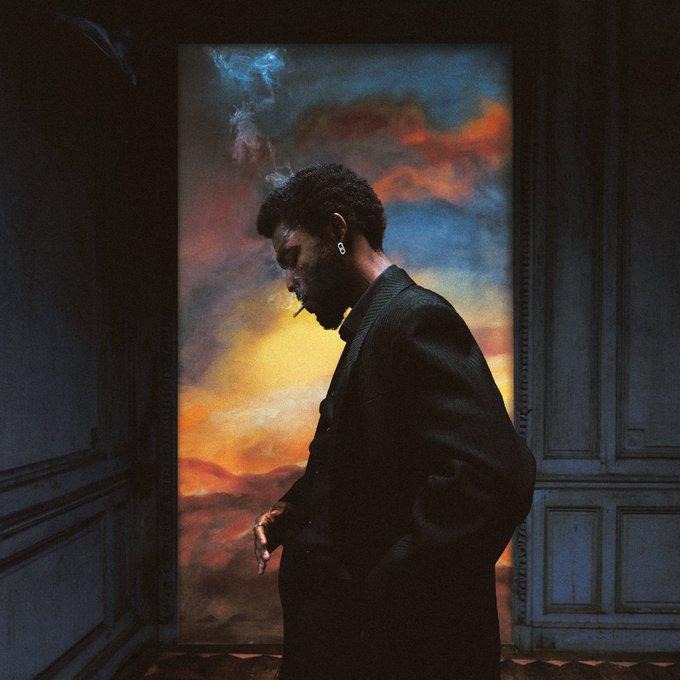
When Omah Lay revealed in 2024 that the idea for his sophomore album, Clarity of Mind, had been stolen, the announcement sent shockwaves across the scene; equal parts confusion and intrigue, especially as anticipation had already been building around what many expected to be a defining project from one of Nigeria’s most compelling artists of the last decade. Fast forward to 2026, two years later, and Omah Lay has remained relentless in his pursuit of this album—framing the body of work as a statement of ego, intent, and artistic supremacy, boldly positioning it as the greatest Afrobeats album of all time. Now, the album has finally arrived: a 12-track offering with a lone feature from Elmah, an exciting new signee to his imprint, Boy Alone Inc.

The album opens like a quiet confession whispered into the dark. From the very first notes of Artificial Happiness, Omah Lay does not so much perform as he exhales. There is a softness to the entry point, almost deceptive before you begin to notice the weight beneath it. His voice carries the fragility of dependence, the suggestion that clarity is something he negotiates. The haze becomes both shield and prison, a coping language he has grown fluent in. Yet even within that vulnerability, there is an unmissable pride in his craft; his artistry feels like the one thing untouched by doubt..

Jah Jah Knows follows with a lift in tempo. The violins stretch across the production, framing a man caught between instinct and introspection. There is a spiritual bargaining here—an almost reluctant surrender to a higher power. He circles around questions of self-worth and emotional capacity, arriving at a place that feels unresolved but honest. Love, in this context, becomes philosophical: how does one extend what one cannot fully contain within?
Then comes Canada Breeze, a sonic contradiction in the most compelling way. The production is alive—fast drums, intricate guitar riffs, communal chants that feel almost celebratory. But beneath that energy lies a deeply personal excavation. He revisits loss, both public and private, weaving references from career disappointments at the grammys and emotional fractures into the rhythm.
The line between self-awareness and self-judgment blurs as he recognizes his own instability, yet embraces it with a strange kind of defiance. The music moves forward urgently into Water Spirit, the album shifts into something more intimate, tactile i’d say. The sensuality here is textured, deliberate, and emotionally charged. He treats Desire as both escape and expression, with each note carefully placed to heighten that tension. It stands as one of the album’s most controlled and well executed performances.
The pre-released Don’t Love Me introduces emotional detachment with almost alarming clarity. There is no attempt to romanticize the dynamics, he boldly presents it as a conscious imbalance acknowledging his own toxicity with disarming honesty, positioning himself as both participant and observer in the relationship. The track feels like a self-diagnosis—cold, reflective, and unflinchingly direct. That narrative deepens on Coping Mechanism featuring Elmah, where perspective expands beyond Omah Lay’s internal dialogue. Elmah’s voice enters as both contrast and complement, offering a tenderness that he seems unable to reciprocate. The interplay between them transforms the song into a conversation. Here, Omah Lay reveals the pressures shaping him—family expectations, identity struggles, the quiet search for belonging. It is one of the album’s most human moments, where vulnerability is shared.

Julia disrupts the emotional pacing with a burst of kinetic energy. The tempo accelerates, the guitars become more aggressive, and the sonic palette widens into something almost chaotic. It feels intentional, a release of tension built up over previous tracks. The album momentarily abandons introspection for movement, embracing a raw, almost rebellious freedom. That momentum carries into Waist, a track that grounds itself in the familiarity of Afro-pop while maintaining the album’s thematic core. It is rhythmic, infectious, and instinctive—music that connects immediately with the body..
On Mary Go Round, he returns to themes of desire, but with a more cyclical awareness. Pleasure becomes routine, almost mechanical, as he navigates the space between longing for love and settling for its substitutes. There is an emotional detachment that lingers, suggesting that fulfillment remains just out of reach.
Then I Am arrives as a statement piece. The electronic production expands the album’s sonic boundaries, allowing him to experiment with structure and delivery. There is a confidence here that feels earned—a declaration and evolution of his identity that this writer has been looking for, his melodies align seamlessly with the production, creating a sense of cohesion that elevates the track into something definitive. It stands as both climax and affirmation.

The closing stretch, Holy Ghost and Amen feels spiritual in resolution. There is a quiet acceptance woven into these final moments, a recognition of both struggle and survival. Faith is acted upon as solace, a space where he can lay down the weight he has carried throughout the album. Gratitude replaces tension, and the desire for peace becomes the final note.
In its totality, this album feels like a mind in motion—restless, searching, and often overwhelmed by its own contradictions. Omah Lay presents himself here as someone still circling the idea of clarity rather than embodying it. The confusion is palpable: he leans on his smokey days as a stabilizing force, wrestles with a persistent sadness that seeps into the core of the music, and navigates a love life that feels fragmented—where emotional connection remains elusive, yet physical desire becomes a recurring refuge. There is a raw honesty in how these themes unfold, giving the sense that the album functions as more as therapy.
But that therapeutic openness comes at a cost. The listening experience often drifts, as narratives blur into one another—moments of introspection interrupted by sensual indulgence, spiritual reflection colliding with chaos. It creates an emotional whiplash that, while deeply human, sacrifices a level of cohesion the album seems to reach for but never quite secures. His self-proclamation as the greatest, and the framing of this project as one of the greatest of all time, sits in contrast with its execution; the ambition is clear, but the sonic world does not yet fully stretch into the kind of grand, unified conceptual space that such a claim demands.

Even his suggestion to experience the album in reverse sequencing adds another layer to this tension. While the idea offers an intriguing recontextualization—l inviting listeners to trace the journey better, perhaps from resolution to origin, it reads more as a conceptual crutch for a body of work that already struggles with cohesion in its intended form. In reverse, the fragmentation becomes even more pronounced; emotional arcs lose what little continuity they had, transitions feel more abrupt, and the thematic threads unravel rather than tighten. Instead of revealing hidden structure, the reversed format amplifies the disjointedness, making the listening experience feel more like scattered entries in a diary. What is undeniable, however, is the evolution. Sonically, this album pushes beyond the foundation laid on Boy Alone, expanding his palette with a boldness that feels intentional and exploratory. The production stands as one of its strongest pillars—rich, detailed, and immersive. Tempo’s use of guitar riffs becomes a defining texture across the project, injecting a distinct identity into multiple tracks, while Lekaa Beats delivers a standout moment on I Am, crafting a soundscape that feels both expansive and precise. These elements elevate the album into a space of artistic growth, even as its conceptual center remains unsettled. This Writer feels like this is a transitional album—a project caught between who the artist was and who he is becoming. It is less about the triumph of finding answers, or in better terms, the clarity of his mind but more a faithful documentation of the struggle to search for them.
Vocals, Delivery & Execution: 1.7
Lyricism: 1.8
Tracklisting/Sequencing: 1.2
Production/Sound Engineering: 1.7
Listening Experience: 1.6
Overall Rating: 8.0/10
Leave a Reply