
By TOSINTEVS
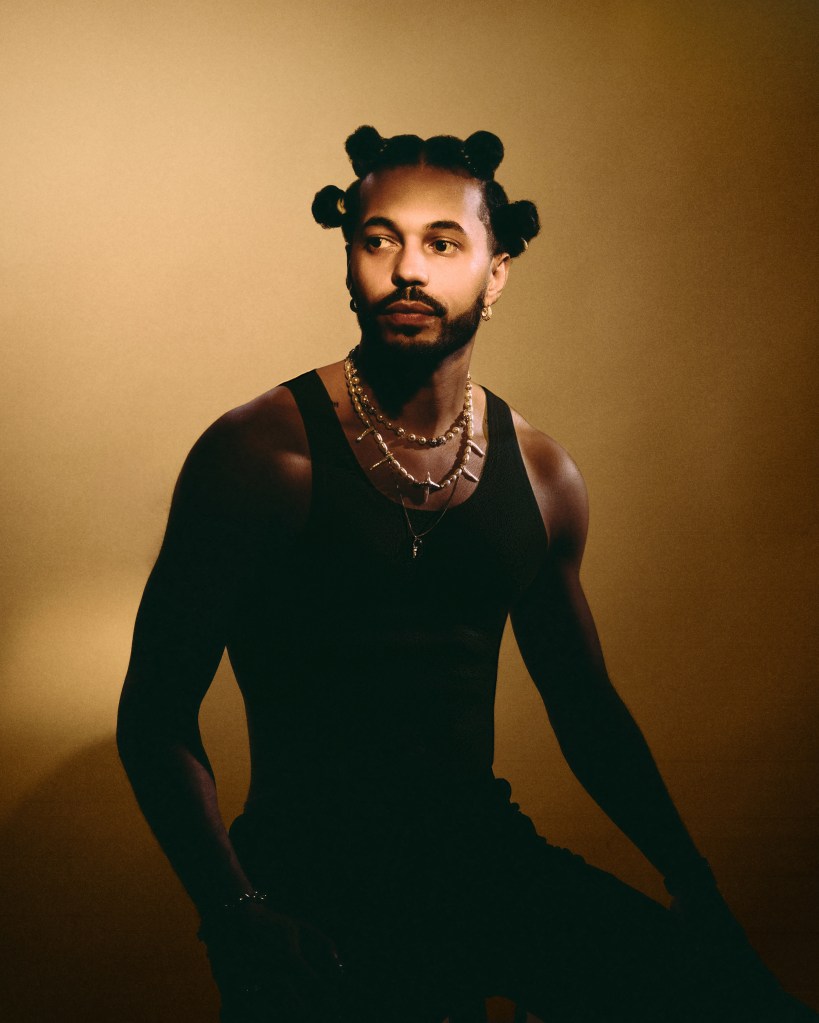
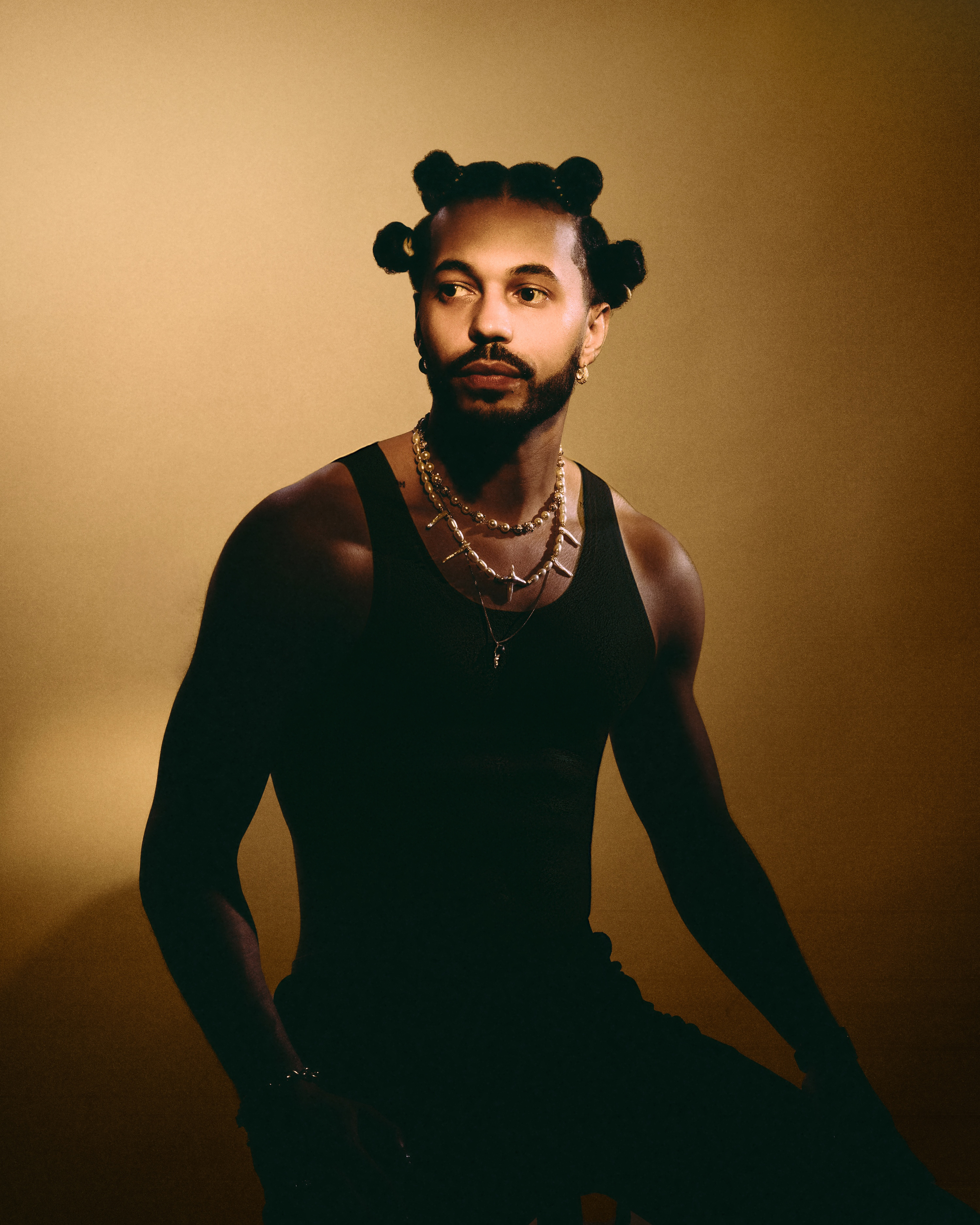
Some artists find their sound. Others build it — layer by layer, language by language, experience by experience. For June Freedom, music is not a place you arrive at. It’s something you return to. Again and again.
His latest album, Casa Mìra Mar, is more than a record. It’s a homecoming. A love letter to Cape Verde. A passport stamped with rhythm and memory. And perhaps most importantly, it’s a mirror reflecting the life of an artist whose identity was never meant to fit into one culture, one genre, or one lane.

A Cape Verdean Soul, Raised in Motion
“I was born in the U.S.,” June tells me, “but from the age of three to fifteen, I lived in Cape Verde. That’s where everything started.”
His mother, a restaurant owner on the island, gave him more than a roof — she gave him a stage. “From age ten, every weekend, I’d be at my mom’s restaurant watching live bands perform. I was obsessed,” he recalls. “It’s literally where my career began. I’d just stand there watching how they did it, learning, feeling. That was my music school.”
But Cape Verde wasn’t just about music. It was about culture, community, and presence. “My island was calm. People went inside by 8 p.m. I’d spend days riding horses in the countryside with my cousins, surfing at the beach, listening to traditional music. I didn’t even know who Prince was. I only knew Bob Marley.”
When he moved back to Boston at 15, it was like landing in another world. “The West changed everything,” he says. “The hustle was different. The music, the language, the lifestyle — it was fast. Aggressive. Intense. I discovered DMX, Usher, 50 Cent, Linkin Park. I was being hit with all these new sounds and I didn’t know how to process it.”
That transition sparked a creative crisis — and eventually, a creative revolution. “It took me a decade to understand my sound,” he says. “I didn’t have an identity for a long time. I had to live life, make mistakes, and feel things before I could create from a real place.”
From Student to Storyteller
The turning point came in Los Angeles, where June spent five years in quiet development. While others rushed to release, he focused on learning.
“LA was my experimental phase. I wasn’t just creating for myself — I was learning how to write for others, how to play instruments, how to listen professionally. I worked on songs for artists like Swae Lee and The Weeknd. I had to sit in sessions and be a fly on the wall. That taught me everything.”
Eventually, the desire to create his own voice grew louder.
“After a while, I said, ‘I’m ready for my own shit.’ And I went back to the essence.”
That essence is Casa Mìra Mar , a project that bridges continents and connects past and present.
“My grandfather had a store back home called Casa Mira Mar,” he explains. “You could see the ocean from there. You could see another island. It was peaceful. This album is that store — a place of calm, of connection, of perspective.”
He continues, “There’s a lot going on in the world right now. I wanted this album to feel like an escape. Like a slow ride by the ocean. Like peace.”


Building a Sonic Diaspora
Across 12 songs, Casa Mira Mar fuses Afrobeat, R&B, Latin, Cape Verdean folk, and subtle rock influences into a seamless body of work. There’s “Spiritual”, a hypnotic anthem with militant drums and Afro-fusion bounce. There’s “Girls Like Shade” with Ghanaian-Dutch artist Nana Fofie, and “Oh My Lady”, a standout Afro-pop duet featuring Nigerian talent Abolaji Collins, whom June jokes he “stole from L.A.X.”
“He did the guitar, wrote the hook — I just re-sang it and added my verses. He’s my brother. A real one,” June says. “That one has a real Nigerian vibe, but I made it my own. You can feel the influence, but it’s still me.”
What makes the album even more special is the organic way it came together. “It was supposed to be a six-song EP,” he admits. “Then it turned into 12. It took a year and a half. Nothing was forced. Every feature, every verse happened naturally.”
One of the album’s most magical collaborations came by chance. “There’s a track called Dorama. I met a girl named Lua de Santana at my show in Spain. Her friend brought her. Six months later, I saw a video on Instagram, and I’m like, ‘Who is singing this?’ She goes, ‘That’s me.’ I was like, ‘Bitch, you didn’t even tell me you make music!’ So I sent her a track. She killed the verse. Now she’s part of the album.”
This kind of serendipity defines June’s creative process. “It never happens the same way twice,” he says. “I don’t chase formulas. I chase feeling.”
“You Hear Everything in Me”
Trying to box June Freedom into a single genre is a losing game. “Editors always ask me, ‘Is it R&B? Is it Afrobeats? Is it Latin?’ I’m like, ‘Yes.’ I grew up with African drums. We were colonized by the Portuguese. I live in America. I speak Creole, Portuguese, Spanish, and English. You’re going to hear all of it.”
His core collaborators, Ergin and Eric, Dutch producers based in Rotterdam, have helped him shape that blended identity. “Their textures are like fine wine. It just works with my tone. I’ve tried working with other producers and it’s never the same. These are my ninjas. I keep them tucked.”
Still, he’s been expanding — working with BlaiseBeats, Kel P and others. “The next project’s going to have a lot of Nigerians,” he hints. “I just sent something to BNXN.”
Presence Is the Point
The emotional core of Casa Mira Mar is rooted in memory — of home, family, and simplicity. “I remember my grandfather. He was that guy. He’d drive through the countryside and honk at every single house. Everyone knew him. This album is for him. For that version of peace.”
Even the album’s outro, “Leban Ku Bo”, sung in Cape Verdean Creole, is poetic closure. “It means ‘Take me with you.’ It’s about love, longing, and letting go. It’s the most personal one. It just felt right to end there.”
When asked what he wants listeners to feel, June doesn’t hesitate: “I want you to feel present. I want you to feel peace. I want you to feel love. I want you to feel connected to yourself.”

The Road Ahead
Following a sold-out listening party in Paris and growing buzz across Europe, June is planning a tour with dates in the Netherlands and London. “You better come see this shit live,” he grins. “I’m bringing the ocean with me.”
He’s also using his platform to shine light on lesser-known artists from Cape Verde and beyond. “Look out for Maida Andrade, Dino Santiago, Ellie Delmeda. Cesária Évora opened the doors for us — we have to keep it going.”
June Freedom isn’t here to follow trends. He’s here to document the diaspora. His music is memory. His voice is migration. And his albums — especially Casa Mira Mar — are sacred spaces where tradition, evolution, and rhythm can all exist in harmony.
“I’m not trying to be anyone else,” he says. “I just want to be present. And I want my music to help people feel that, too.”
 LSTVWW
Leave a comment