Written By Tobi Oke
In the early 1970s, Ofege released Try and Love while still in secondary school. The Obalende teenagers fused West African rhythms with psychedelic rock and helped shape a Nigerian sound that history almost forgot.
The band grew out of St. Gregory’s College, where guitarist and vocalist Melvin “Noks” Ukachi and bassist Paul Alade began playing together under the earlier name Hitch Hykers. They later added Dapo Olumide and M-Ike Meme. Their first attempt to audition at a recording studio reportedly ended with advice to return to their studies. They did not.
When they eventually reached EMI, producer and A&R manager Odion Iruoje heard something worth developing. He put the teenagers through intensive rehearsals and brought them into the sessions that became Try and Love.
The result was not a novelty record made by children playing at being rock stars. It was a confident, melodic, and emotionally direct album that fused West African rhythms with the fuzz guitars, soul, and psychedelic textures of 1970s rock. Ofege drew from Santana, Led Zeppelin, Osibisa, and The Funkees, but they did not sound like an imitation of any of them.
Try and Love opens with “Nobody Fails,” a song built on a waltz-like rhythm, bright guitar punctuation, and Ukachi’s youthful vocals. “Gbe Mi Lo” brings more intricate drumming and a majestic guitar solo from session musician Berkley Jones. “It’s Not Easy,” written by bassist Paul Alade, remains the album’s most tender moment: a languid, yearning love song that has since found new audiences through licensing in television.

What makes Ofege remarkable is not simply that they were young. It is that their youth did not limit the ambition of the music. Try and Love carries the urgency of teenagers discovering love, freedom, and possibility, but it is arranged with enough sophistication to hold up more than 50 years later.
They were not alone. Nigeria had a thriving psychedelic rock scene in the 1970s, one that included Blo, The Funkees, and Ofo the Black Company. Yet the story that has travelled furthest internationally is often Afrobeat, leaving bands like Ofege under-discussed despite their influence and quality.
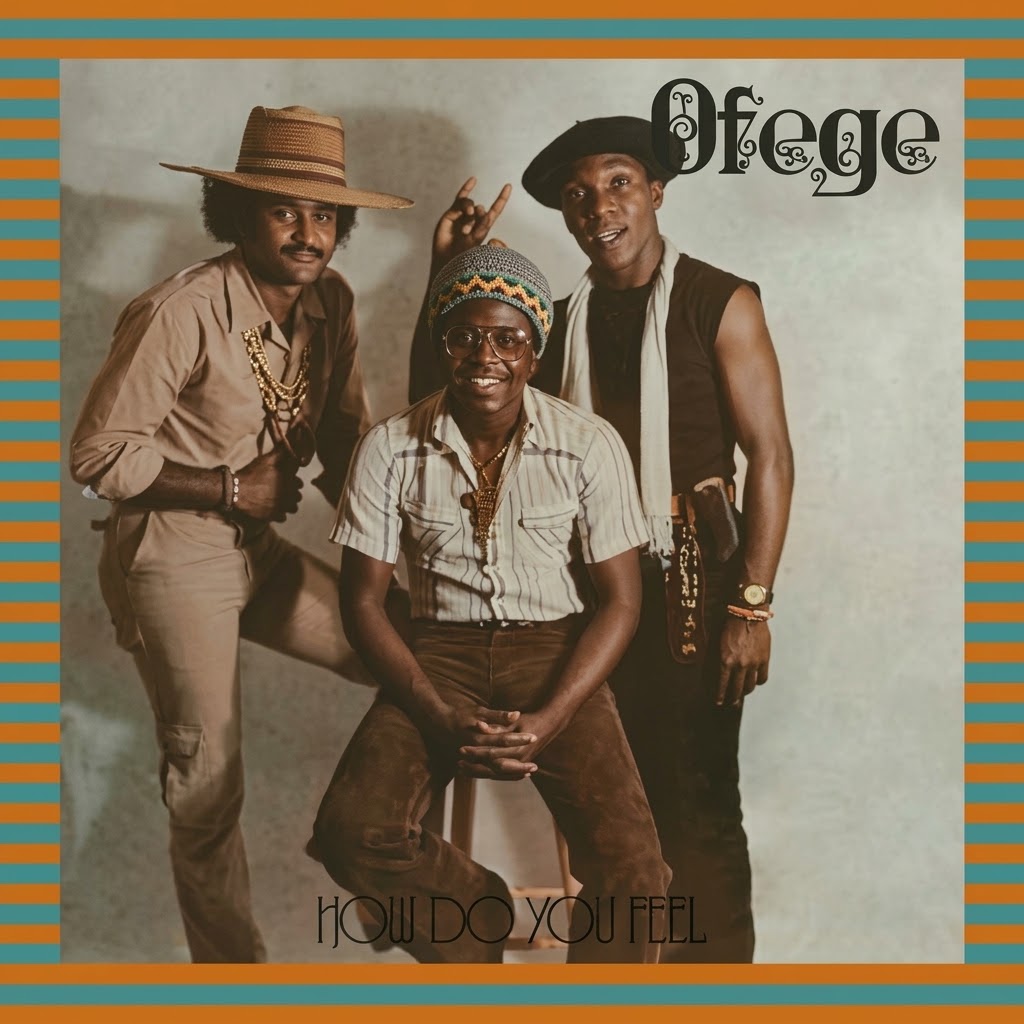
Ofege released The Last of the Origins in 1976, Higher Plane Breeze in 1977, and How Do You Feel in 1978 before fading from the scene after graduation. But Try and Love remains their defining statement: an album made by schoolboys from Obalende that still sounds alive, restless, and completely its own.
Leave a Reply