Category: Feature

  • ERNIE PANICCIOLLI: WHEN DOCUMENTATION BECOMES CULTURAL RESISTANCE

    ERNIE PANICCIOLLI: WHEN DOCUMENTATION BECOMES CULTURAL RESISTANCE

    Written and Interviewed by Zionne Soule

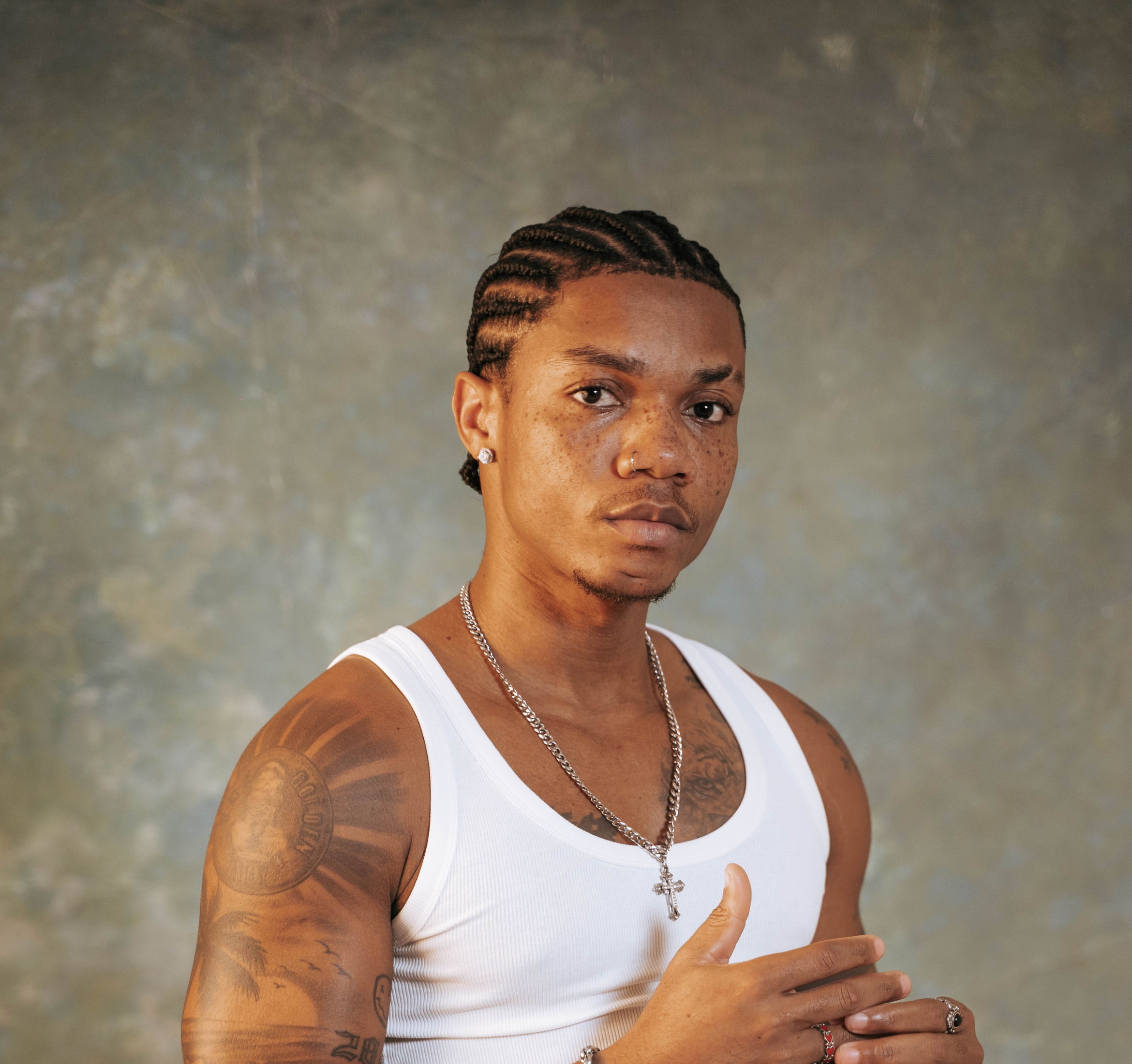
    Images By Ajani Charles/ @ajaniphoto (IG)

    Before hip hop culture was validated by charts and algorithms, there was a sacred contract created in the streets of New York City with a man and his 35mm camera guided by indigenous wisdom and a devotion to cultural preservation, walking into the fire as a witness.

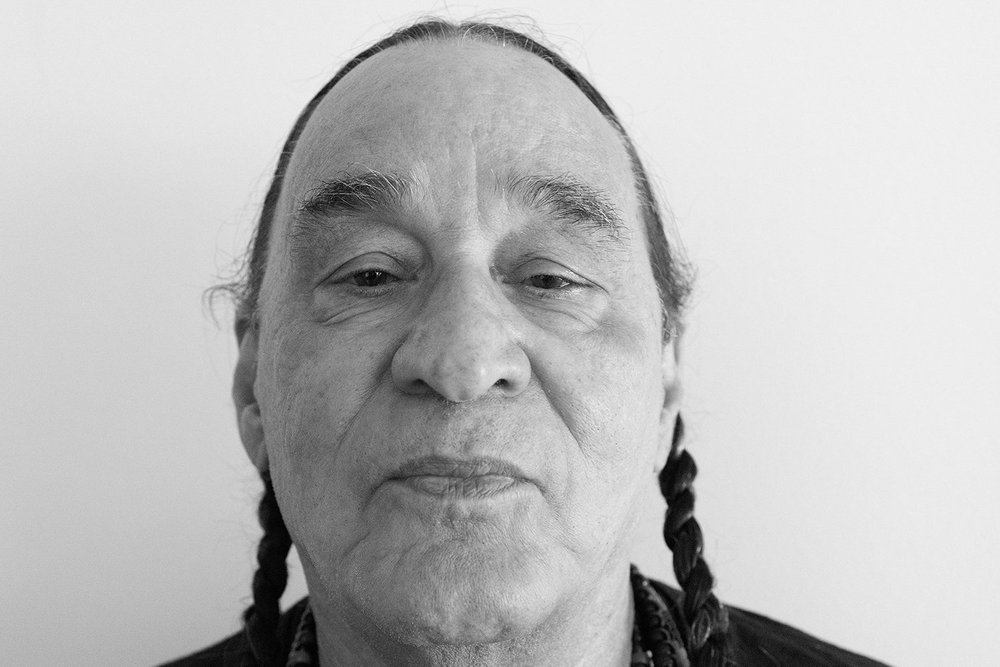
    The great hip hop historian Ernie Paniciolli, commonly known as (Brother Ernie) didn’t just document history through visual storytelling for five decades, he protected its core; capturing a generation transmuting survival into revolutionary art. I’ve been a supporter of his works and messages for a long time; from his popular book Who Shot Ya published in 2002 documenting three decades of hip hop history through visual stories and Hip Hop at The End of The World published in 2018; documenting four plus decades of the culture with over 250 photos. He was inducted into the Hip Hop Hall of Fame in 2014 and his documentary The Other Side of Hip Hop:The Sixth Element won Best Documentary at the Big Apple Film Festival in 2007.

    I am creating this piece to honour and appreciate him for his service to humanity and the culture he preserved for generations to come; so I thought it would be nice to have a distinct perspective on his journey and experiences as a sacred archivist and custodian of the culture since its inception. In his warm and welcoming aura, we had a great conversation over google meet and the session was so insightful. Thank you for the culture you have preserved for us, Brother Ernie!

    Step into the conversation with a cultural historian, where every image is a weapon of cultural preservation:

    Before the world knew you as Brother Ernie, who were you? What did you see in hip hop that made you feel it was a culture worth dedicating your life to documenting?

    Wow! (He laughs) good question. Excellent question.

    I was a father first, a working man, a simple person (I’m still a simple person) and I believe that if you’re given the opportunity to make a change in the world, then you have to take that opportunity and make it as positive as possible because they’re a lot of negative forces out there and you don’t wanna be aligned with that.

    The world needs more unity, hope, a push and so many hugs. If you can do that, do it. Being a tough guy or being proud does nothing for no one.

    You have to use any opportunity you have to lift people up, make them smile and be grateful for life and you’ll be surprised how much a little bit of hope and affection can change a person’s attitude and environment. That’s like medicine for me, it’s like my religion.

    You’ve spoken about walking into rough neighborhoods with your camera, operating on a shield of respect because people knew you were there to preserve their memory. Looking back now, how did that unspoken agreement between you and the streets shape your definition of what it truly means to be a cultural archivist?

    Most people call me a photographer, some people call me some bad things. (He laughs). Calling me a cultural archivist is a beautiful thing and that’s an absolute truth because in 20-30 years from now, it’s the photographs, the memory, the books, the writing, the poetry and the artefacts that are going to be remembered.

    I’ve been on this earth for almost 80 years and throughout my lifetime, I know what I’ve seen and experienced. I’m sure you’re also a witness of how quickly time passes. A little baby you held in your hands is now driving his own car and has his own family. A child you taught how to read is now writing books.

    You have to take advantage of every moment because you never know when the last moment will be. It’s our duty as artists to make the world just a little bit brighter. I don’t wanna sound like a missionary but damn; we can change everything just with a smile, a laugh, with hope and sharing.

    The idea that my work is published in museums, schools and colleges around the world and I’ve never had a 5 minute photography class proves that my philosophy of humanity is a truthful and timeless one.

    When you were documenting the early days in New York; from the graffiti, the block parties and the youth transmuting struggle into poetry, did you realize you were documenting a global cultural movement, or did the impulse come from an urge to make sure the hood wasn’t erased from history’s time machine?

    I think a little bit of both but primarily, I felt instinctively and spiritually that what was happening was going to be historical and it was unique. It was a vibe because this was art from the streets, this was art from kids who had no training like me. I had no training in photography and painting.

    Art comes from your spirit, your soul, your energy, your vibrations. So yes, I did that out of an almost primitive desire to help and hope that it lasted and that future generations will be able to see and acknowledge the culture and appreciate those who documented it.

    As a photographer who captured icons like Rakim Allah, Public Enemy, Tupac and Lauryn Hill, how did you translate that musical density into visual frames without using words?

    Before picking up a camera, I was a painter. I had been painting and drawing since I was a child and I discovered that painting, drawing and visuals were a way to capture memories. I was lucky and blessed to have the energy and the spirit to embrace these artists and engage with them. Rakim Allah just did a dedication of my new book and I don’t think he’s ever done a dedication for a book before and he talks about that exact thing in my new book.

    How did your Cree Native American heritage inform the way you viewed community, lineage and the preservation of hip hop’s history?

    I think it was instinctive. I don’t like using the word instinctive because people think we’re somehow less than intelligent but I believe that everything in me was instinctive and I think that my camera caught all the magic; that was instinctive so yes I’m going to defer and use the word instinctive.

    Your work gave pioneers, Poor Righteous Teachers and young dreamers nobility. How did you maintain that standard of dignity when the outside world was trying to turn hip hop into a commercial product?

    (He laughed hard) That’s the most perfect question.

    The Poor Righteous Teachers did a song called Illuminati which was a copy of a video we made with the Zulu nation 20 years before and I suggest you look up the song. It’s not the typical fantasy world of illuminati, it’s the actual changes where they talk about how they have seeds that restrict the rebirth of seeds. In other words you can plant a flower or food and it isn’t going to generate seeds and create more food. You have to keep going back to the people that sell the seeds and the Poor Righteous Teachers put out so much information in that Illuminati song that it came through almost as a divine message.

    With thousands of your photos permanently preserved at Cornell University, (Thank you for your service); your archive stands as a timeless historic record. In a society that attempts to rewrite and filter marginalized history, how does archiving act as a form of cultural resistance?

    I don’t wanna limit myself but I believe that everything I do is a form of cultural resistance. Everything I do on a subliminal level is either spiritual or psychological warfare against a coloniser and a culture that is almost extinct at its core. Everything I do is radical because it’s a mixture of the spiritual and the revolutionary.

    How did you build trust with these artists to get past their armor and capture who they were when the mic was off?

    (He laughs euphorically) I love your questions.

    That’s the whole secret of being a master photographer, a master painter, a master as you’re an interviewer. It’s getting their confidence and aligning with their comfort level; making the person or people you’re interviewing, interfacing or capturing understand that this isn’t a conventional gathering; they’re not asking you anything about commerciality or the money, they’re just coming at you with a physical, spiritual and creative idea; transmuting it into a better way.

    I say this as humbly as I possibly can; I try to make my camera a weapon like John Coltrane made his saxophone a weapon; blessing it with power that creates unity, openness, psychological spiritual excellence and oneness with humanity as a revolution because it casts away all the low vibrational energies in our culture; like getting people to dance to the same regular beat and disseminating demoralizing information through sound; but true culture is spiritual, it’s a rhythm, it’s a high vibrational frequency.

    What has carrying 5 decades of visual memory cost you, and what kept you grounded through the heaviest eras of the culture?

    Wow! Again I have to give you credit, your questions are on an interior level.

    I’ve just tried to stay true to my inner voice, to my culture and to my ancestors and I try to put that into the work I do and every photograph I take. Every time I do any public speaking, I try to activate and stimulate all connections to our ancestors, to our people and to our vibrations. I try without trying to be a holy man or a philosopher. I just try to do it and it ricochets my spirit, into my voice and into my ideas so many times. If you listen to what I’m saying, just close your eyes and see if you can follow where that path leads.

    If a young photographer, painter or writer came to you today wanting to document their local scene; from their subculture, their street corner and their sound, what ethical code must they hold on to if they want to be a true historian?

    (He laughs joyfully) Wow! Wow!! Wow!!! Wow!!!! I have so much respect for you. Wow wow.

    Let me tell you something most people don’t know.

    In the city where I live, there’s a section where a tunnel connects two neighborhoods, a long tunnel. A man once reached out to me and said “Brother Ernie I respect you and I respect your work. I wanna do paintings for a 10 block area and I wanna use your work as reference.

    I said “of course.” I’m honored that my work will be transferred and translated from photography into a sort of graffiti type painting of these artists and he actually did it. One day I went there with my family and we took pictures of the portraits that they made from my work. The idea that my work can be translated into different mediums felt so blessed to me and it made me so happy to know that the relationship I had with the artist when I was photographing them and the images I created have been replicated and transmuted into other art forms. That was a complete blessing and that work is still there, still on the street. I photographed it once and I really need to go back there because it means that my work, all work can be translated to different forms of expression. I hope I answered your question?

    Zionne: Yes you did.

    Before you go on, just know that I’m grateful that you follow my work. I’m grateful that you reached out to me and I’m grateful for the fact that you understand there’s more to my work than just photography. That means a lot to me and I thank you.

    Zionne: Thank you too for honoring my request.

    Was there ever a moment when you chose not to take a picture because the person or the moment deserved something more than documentation?

    Ohh absolutely! There’s been so many times where I didn’t take a picture; either because the moment was too ripe, too painful or too personal. Without going into details, there were things that I couldn’t photograph because I felt it wouldn’t be positive or uplifting. And again that’s an excellent question. There’s also a b side to it though; there were times where I didn’t take a picture and years later I wish I had.

    Whose story do you wish the world knew; someone you photographed, encountered or watched contribute to the culture without receiving their flowers?

    Oh wow! Wow!! Wow!!! Wow!!!! Wow!!!!!

    The person I wish the world knew more about was someone I grew up with, someone who taught me how to draw and someone that’s an older brother and father figure to me and that’s Richie Havens, the folk singer who opened up the Woodstock festival in 1969 and sang for 2 and half hours.

    I grew up with him and he was a tremendous influence on me. Um, James Baldwin too; we spoke many times and I learnt a lot from him. Steve Coakley who’s an activist and a barber; he taught me a lot. I have many, many people. Nina Simone mentored me and shared with me, but Richie Havens is the one I wish people knew more.

    When people look back at your life’s work, what do you hope they understand about Ernie Paniccioli beyond the photographs?

    (He laughs loudly and exclaims) Oh my goodness!! I’m not laughing at you, I’m so proud of you for the questions that you’re asking and the way you’re asking them, oh my goodness!!

    Next February, I’m gonna be 80 years old.

    Zionne: Wow

    Yeah, and I don’t feel more than maybe 50 years old. I hope, as we all do, that my work makes a revolutionary difference and people will remember. What they take away from it is completely up to them, but I hope they will learn from what will help them grow intellectually and inspire them positively.

    I hope that people look at my work and feel touched by the same hand that touches me when I digest other people’s art. When I was 13 years old, I was at a friend’s house and he had a record player, people back then had record players (he laughs).

    He had a piece of music on the record player and I was afraid to scratch the player. I played what was on it and it radically changed my life. It was called My Favorite Things by saxophone player John Coltrane. Through Coltrane I found Gil Scott Heron. Through Gil Scott Heron I found out about The Last Poets. From The Last Poets I found out about so many people and I worked with the Last Poets; I also met and embraced Gil Scott Heron.

    My calling as an artist and the spiritual forces and high vibrational energies enabled me to meet these people because I followed my inner voice from the beginning.

    I remember about 3 years ago when I spoke immensely about John Coltrane in an interview at a studio in New Jersey, the interviewer was moved to ask me if I knew where I was and I said of course, I’m in New Jersey, in a recording studio. He asks again:

    “Do you know what room this is?” I said no. It turned out to be where John Coltrane recorded most of his music. I met the people who recorded and directed his music and they showed me photographs and places where John posed for his album covers. Through being an artist, I met different people and was able to share certain things from different writers that influenced me as a child. Hope I’m not giving you long answers but I’m going a little deep, trying to share the roots so you understand clearly.

    What did hip hop culture teach you about humanity, and what do you believe you owe the people who trusted you to preserve their lives and legacies?

    Hip hop is an art form of many dimensions and it’s an indigenous art form. It has the strongest links to indigenous art; from dance, drums, chanting, prayer, solidarity, our sisters and our women giving birth. It’s all in the music and that’s hip hop. Hip hop is more than a cultural vibration at the moment, it’s a timeless expression of us as a people as it is in spirit.

    Hip hop is a prayer, hip hop is a baby crying, hip hop is when you get up at 2 or 3 am in the morning. Hip hop is the first time you go to jail, hip hop is where somebody smacks you, hip hop is the first time you kissed someone, hip hop is where you’re swimming and a fish comes and rubs against you and you realize that you’re protected by the sun. Hip hop has many spirits, hip hop is so much more and it influenced me and somehow I was able to influence it. How did I become a figure in hip hop? I don’t know.

    That’s an incredible thing but it has to do with the spirits, it has to do with our chanting, it has to do with our prayer, it has to do with our brothers and sisters loving one another and hoping to use our energy to change the way we’re perceived and treated on this earth. It’s a form of unification, a form of language, a form of translation. Hip hop is the first time you were ever hugged. If we respect it, it can be a guide to how we survive and if we waste it, it’s just a waste from the creator.

    Zionne: Thank you for taking the time to have this conversation with me. I appreciate you. Thank you for your service, Brother Ernie!

    Brother Ernie: Oh please. I’m thanking you because your letter was so touching. My daughter said: “wow you must do this interview” I said “why must I do this interview?” she said, “because this is a beautiful person with a beautiful spirit and you’ll enjoy it” and I’m grateful. We need you, we need each other to keep us connected.

    I hope you know what’s happening in the background, we’re getting disclosure that creatures from other universes are coming here. In the background we’re finding out that our art forms and our technology are becoming more artificial by the day. There’s so many things going on artificially; from our food to childbirth. There’s so many negative things happening; so we must retain our humanity and our spirituality, not just computer chips. Thank you again. Much respect and affection to you and I hope that if you ever come here, I hope we meet, we shake hands and we embrace. Peace and blessings.

    To carry 5 decades of visual storytelling is to carry the beautiful weight of a community’s soul. A crown worn by alchemists who walked through the fire and documented a culture that timelessly navigated how the world speaks and survives.

    Brother Ernie’s archive at Cornell university is a living, ancestral memory that stands as a fortress built by resilience and grit against any attempt to erase the vibrations and power of black and brown lives. Every shot was a silent prayer caught in memories, preserving a legacy so subsequent generations will know exactly who they are and where their royalty comes from. The photographs are a profound protest.

    If you listen to your inner voice, you can still hear the soul records sizzling through the sound system and the voices of young visionaries turning street corner pain into eternal poetry. Those sounds are the vibration of a movement that refuses to be forgotten.

    Thank you for your service, Brother Ernie!!

    Images By Ajani Charles/ @ajaniphoto (IG)
  • When Home Becomes More Than a Place: Exploring Identity and Belonging Through Art and Science

    When Home Becomes More Than a Place: Exploring Identity and Belonging Through Art and Science

    In conversation with Fortune Ibeh

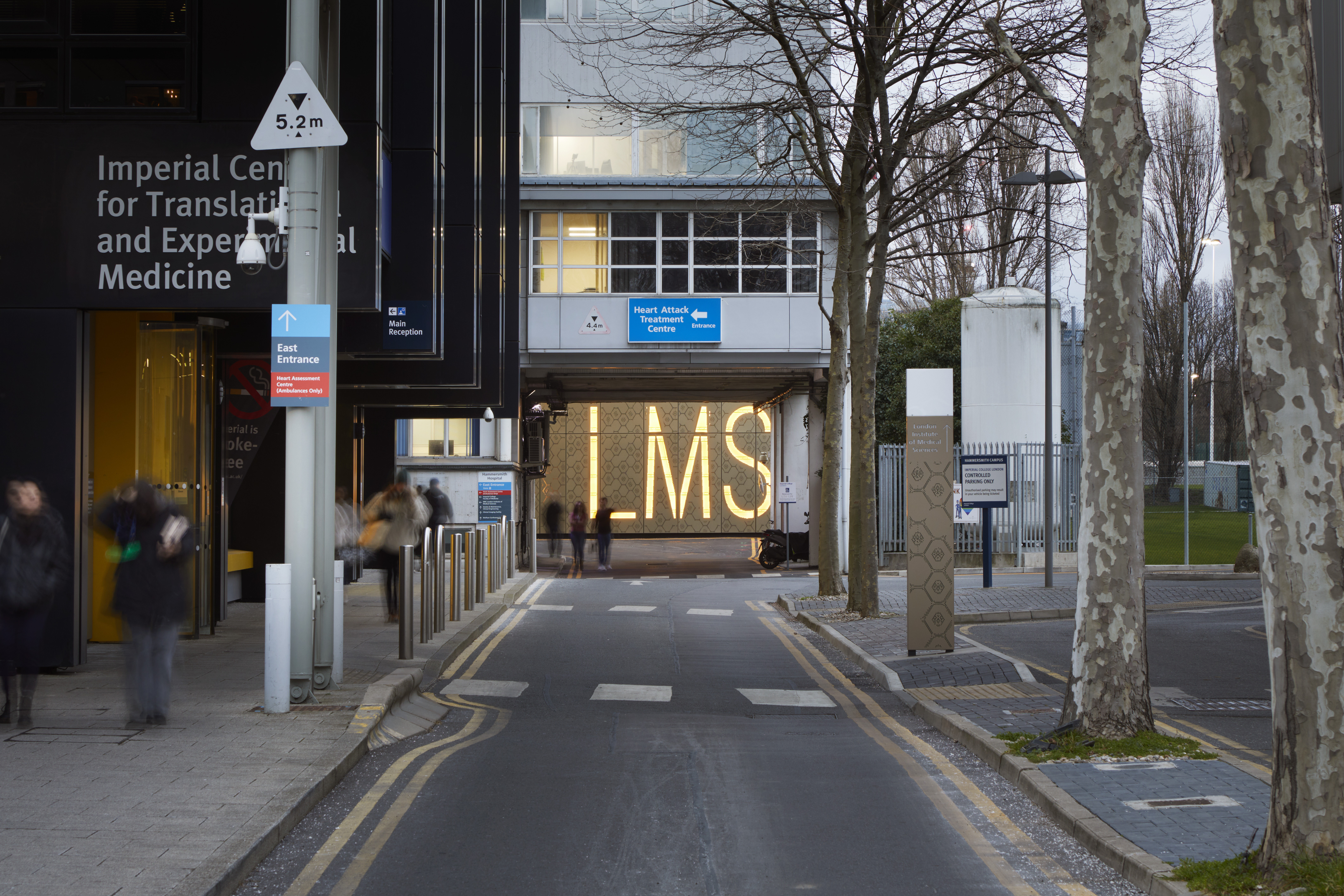
    On Du Cane Road in Hammersmith Hospital Campus, a research institute dedicated to understanding how our genes and environments shape who we become is preparing to turn its walls into an exhibition space. Home in Motion, the MRC Laboratory of Medical Science’s (LMS) largest Black History Month event to date, marks the first time the institute has opened its building to an exhibition featuring external artists.

    Responding to this year’s UK Black History Month theme, Honouring Our Communities, the exhibition explores a question that becomes more complicated the longer you sit with it: where is home when home keeps moving?

    The project builds on The Gene Home, an earlier LMS initiative inspired by Michael McMillan’s The Front Room, which recreated a Caribbean family’s London living room in collaboration with the Windrush community. The project used a familiar domestic setting to open up conversations about the relationship between genetics, environment, health and identity.

    With Home in Motion, that conversation moves into the gallery. Bringing together artists working across photography, painting, textiles, film, sound and digital desigin, the exhibition explores how personal histories, cultural inheritance and the experience of migration shape our understanding of home. The works range from a painting informed by an anonymous survey on the Black experience to the design of an Igbo detective witch for a video game, reflecting the many ways artists interpret identity and belonging.

    For the LMS, the exhibition is also an opportunity to bring its research into conversation with the communities and experiences that give it meaning.

    I spoke with Tade Elesheku, [Internal comms] and Joshua A Owolabi [EDI committee chair] about the thinking behind Home in Motion, the relationship between art and science, and what happens when a research institute makes room for the stories its walls have yet to tell.

    In Conversation with Tade Elesheku and Joshua A. Owolabi:

    Q: What led you to start The Gene Home?

    A: The Gene Home grew out of Black History Month at the LMS. It was the driving inspiration for the first project. We wanted to talk about our science, how our genes and our environment together shape our health and identity, in a way that started from people’s lives rather than the lab.

    Working with the Windrush community, and inspired by Michael McMillan’s The Front Room, we recreated the living room of a Caribbean family in London. It gave us a space where science and personal history could sit side by side.

    Q: Has the LMS marked Black History Month every year since?

    A: We’ve marked Black History Month in recent years. Last year, we held a talk alongside a celebration featuring food, music, games and a staff-curated playlist. Home in Motion is our biggest event yet, and the first time we’ve opened our building to an exhibition with external artists.

    Q: Why an art exhibition, and where do art and science meet?

    A: Our research looks at how genes and the environment shape who we become, and home is one of the most powerful environments in anyone’s life. Artists explore that same question in a different language.

    An exhibition also brings people into the building who might never otherwise come to a research institute. It’s a chance for our staff to see themselves and their cultures reflected in the place they work. At their best, art and science are both about paying close attention and asking why.

    Q: What does Home in Motion mean to the LMS?

    A: Home isn’t just a place; it’s something we carry with us: objects, food, music, memory, family. For many in the African and Caribbean diaspora, home has moved across countries and generations, and it keeps changing.

    At the LMS, we have staff from all over the world, so the idea that home moves with you and shapes you felt true to us as an institute, as well as to the theme of honouring our communities.

    Q: How did you approach the selection process?

    A: We ran an open call through Imperial’s staff and student networks, the Students’ Union, our community partners and LSTV’s networks, with a particular focus on up-and-coming and emerging artists.

    Each submission was scored independently by two judges on the quality of the work, how it connected to home, memory and belonging, and how it would sit in the space. We then averaged the scores, with a third colleague on hand as a tie-breaker.

    Q: What happens to the artworks after the exhibition?

    A: The original works will be returned to the artists after the exhibition. Some of the printed works may stay up on the seventh floor for a few weeks so more staff can see them.

    We’ll also respect artists’ wishes about their prints. Some have asked for theirs to be destroyed afterwards to protect future editions.

    Q: Has anything in the submissions surprised you?

    A: The range. We had photography, painting, pen drawing, textiles, film, sound and even 3D character design for games. One artist created an Igbo detective witch for a video game.

    Others drew on Nigerian, Ghanaian, Jamaican, Saudi-Nigerian and Gambian roots. Some pieces were joyful, while others were confronting, including a painting built from an anonymous survey about the Black experience. It showed us there’s no single way to tell a story about home.

    Q: What do you hope people take away from the exhibition?

    A: A feeling of being seen and welcomed, and maybe a new way of thinking about what home means to them.For our staff, we hope it’s pride that their workplace celebrates their culture. For visitors, we hope it’s a sense that a science institute is a place they belong, too.

    Q: Could this be the start of something more regular?

    A: We’d love Home in Motion to be the start of something. This year has shown us how much talent and appetite there is, so we want to keep building partnerships with artists, communities and organisations like LSTV, and keep finding ways to bring our science and our communities closer together.

    Home in Motion takes place on Wednesday, 21 October 2026, from 4 pm to 7 pm at the MRC Laboratory of Medical Science, Du Cane Road, Hammersmith Hospital Campus, London W12 0HS.

    Register: https://www.eventbrite.co.uk/e/home-in-motion-an-lms-black-history-month-exhibition-tickets-2002619810763

  • Where Does KiDi Go From Here?

    Where Does KiDi Go From Here?

    LOOOK Issue 02 | October, 2026

    Words & interview: Tobi Oke

    KiDi has not come down yet, and he says so before I get to my first real question.

    “I expected that by now I’ll be down from the high but unfortunately I’m still floating in cloud nine,” he tells me, a week or two after his first solo headline show in London. He is back in Accra, where he lives, but he is clear that the rest of him has not caught up. “My spirit is actually still at the venue. It’s still on that stage, still taking it all in.

    “The team jumped on a call for the cover of the second issue of LOOOK, and the KiDi who answers is the relaxed, generous version of an artist whose first headline show in a city he has a soft spot for went the way he hoped.

    London, it turns out, was never a normal room. In the videos that circulated afterwards I noticed fans saying they had flown in from Australia and Ireland, and KiDi says the pull went wider. “Not just fans in the UK, fans in Spain, fans in Germany, fans in France,” he says, people who had spent years asking for a KiDi show and treated this one like a road trip. A month or two earlier, on a TikTok live, he had spoken to a fan in London who was about to fly back to America. She had just learned about the concert and decided to stay an extra month to be in the room. “All these things are a blessing,” he says.

    I ask if he had a ritual before walking out to around 2,000 people. What he describes is company, not ceremony. Backstage it was his team and a few friends from the media, music playing, nothing staged. “We’re just chilling and hanging,” he says, and that was the whole method. “I felt the love. I felt so much assurance and energy.”

    Then I make him play a game. I have been living inside Where Do We Go From Here, his latest album, I tell him, and he gets three guesses at my favourite of its fifteen tracks. He tries Headache, then See Thru, and misses both. After a third try and locking in, he lands on Agreement.

    My case for it being my favorite is structural. The album opens in motion, Crazy World into Special Lovin, and three more tracks, Agreement is where it finally lets you sit. It is the bridge that makes fifteen tracks feel like a journey and not a queue, and it is why there is no song on the project I am tempted to skip. KiDi says he is honoured I noticed. Then he tells me something I did not expect. When his team met to plan the video for Agreement, he kept telling them the song would be played for a long time and the visuals had to hold up in twenty years. I tell him I am calling it now, that Tobi from LSTV said so. “I also do believe that,” he says. The song, he adds, “might transcend me” and the album around it.

    Only four features sit on the project, from Sarkodie, Kwesi Arthur, Lasmid and AratheJay, and none of them feels parachuted in. That was the brief. His team built the album around the listening journey, asking what each guest would add to a song: the production, the message, the delivery. “Sometimes you hear a collaboration and the song might be good but the collaboration kind of feels out of place,” he says. His test is ten years out. He wants a listener to return to these songs and find “nothing out of place about it.”

    Many Nigerians met KiDi through Odo with Davido, so I ask who he would run it back with now. He answers with a restaurant receipt. “It’s such a long list,” he says, the kind of bill that keeps unrolling. Fireboy comes first. Asake gets the most considered pitch: whatever the subject, KiDi hears spirituality and soul in how he interprets it, and “me and him on a song would just be crazy.” Tiwa Savage, Ayra Starr and Adekunle Gold make the list too.

    Then the question I knew would test the mood. KiDi was left out of the Artiste of the Year race, and his public response, that he was coming back stronger, struck many people as too calm. He explains that the line is older than this year. “I’ll be back” began the year he was nominated, a favourite, and lost. He won the year after. “It was something I was using to reassure myself,” he says. “It’s not a race, it’s not a fight, it’s not a do or die.” He will clap for the people in the category. He also plans to return next year, and he says it with a grin I can hear: “It’s looking like we are back.” It is a more useful answer than the defiant one fans wanted. The line was never a threat, it was a note to Dennis.

    That thread runs into his definition of success, which has changed more than his schedule has. At 22, he says, happiness was always one event away: “If this next song becomes a hit then I’ll be happy. Or if I get this award.” Each time, the thing arrived and the feeling did not. “That fulfillment and that happiness will not come from any destination,” he says. A good dance, he adds, goes backward and sideways as well as forward. “It’s all part of the dance.”

    Asked to choose between Sugar, The Golden Boy and the new album, he spends a few seconds being diplomatic, each record had a role to play, and then he stops. “It represents me now,” he says, “my current story.”

    The conversation turns to Zane, his son, whose name KiDi carries boldly on his Instagram profile. “Everything I’m doing now, it’s not just for me,” he says. Zane is watching and learning, which cuts both ways for a public figure whose stage performances land on timelines. Some of what he does is art and not for a child to absorb unguided, so he and Zane’s mother guide him through it. Zane, meanwhile, has notes. When Signature came out, he asked why he had not been allowed to design the cover, then asked whether the artwork could be taken down so he could replace it. “That’s not how it works,” KiDi says, “but maybe next time.” KiDi is kinda happy that his son has already picked up something and is already fighting for his space.

    If Zane ever says he wants to sing, KiDi answers with a history lesson. His generation did not get this freedom. Any African child, he says, knows the pressure to become a doctor, a lawyer or an engineer. “We didn’t have all this freedom, but the good thing is we’ve learned from all these things.” Whatever he chooses, he will guide and support.

    Independence is where KiDi sounds most like a man doing arithmetic. The freedom is real, he says, and so is the workload. A label’s machine is well oiled, and going alone means owning every part of the craft. That is where his team comes in, the people he calls his soldiers. “There’s a reason why these labels exist,” he says, and carrying every task yourself can dilute you as an artist. What stands out is what he refuses to do. A newly independent artist could dunk on the label system. He does not.

    I ask for advice on ownership and leverage for any young artist, in Ghana or elsewhere. He opens with a caveat: “What works for Peter might not work for Paul.” Then a method. Look at where you are, the talent you carry and the vision you hold, and ask who can help you get there. If it is a label, go, but be wise in your signings and read the fine print. If it is your own team, do that. Either way, learn everything, because “eventually you will not be in a label system forever.”

    He is as generous about home. Kojo Blak and Olivetheboy lead his list of Ghanaian names worth hearing, with a deeper bench of artists and producers he believes the world will reach in due time. Ugly and Tough, Liquidbeatz and Alor G.

    The quick fire loosens the room. Accra or London? “London,” he says, “only because I already live in Accra.” Asked what the 2015 MTN Hitmaker version of himself would say seeing him now, he says that boy would not believe his eyes. “I can’t believe girls used to love that boy.” What would surprise fans? He paints, and keeps a sketchbook he used to draw in. It is hard to hear that and not think of Zane and the Signature artwork. “I know where it comes from,” he says. “Sometimes your kid takes something from you. It’s a proud moment.”

    One word for Where Do We Go From Here? He gives me one that is technically two. “WORLD WIDE.” It is not only the music travelling. “I want to be on stages around the world performing. I just love being on stage.”

    It would be easy to catch him in a contradiction. A man who says no destination can make him happy is still floating a week or two after his first solo headline show, and he sounds in no hurry to land. Somewhere around that word, worldwide, I stop reading it as one. London was not a destination. It was a room, and he is staying in it for as long as it lasts, which sounds a lot like the joy in the journey he says he is learning. His body is in Accra. His spirit, by his own account, is still on that stage, and from the way he says worldwide, it is already scouting the next one.

    Credits:

    Editor-in-Chief: Lanre Shonubi

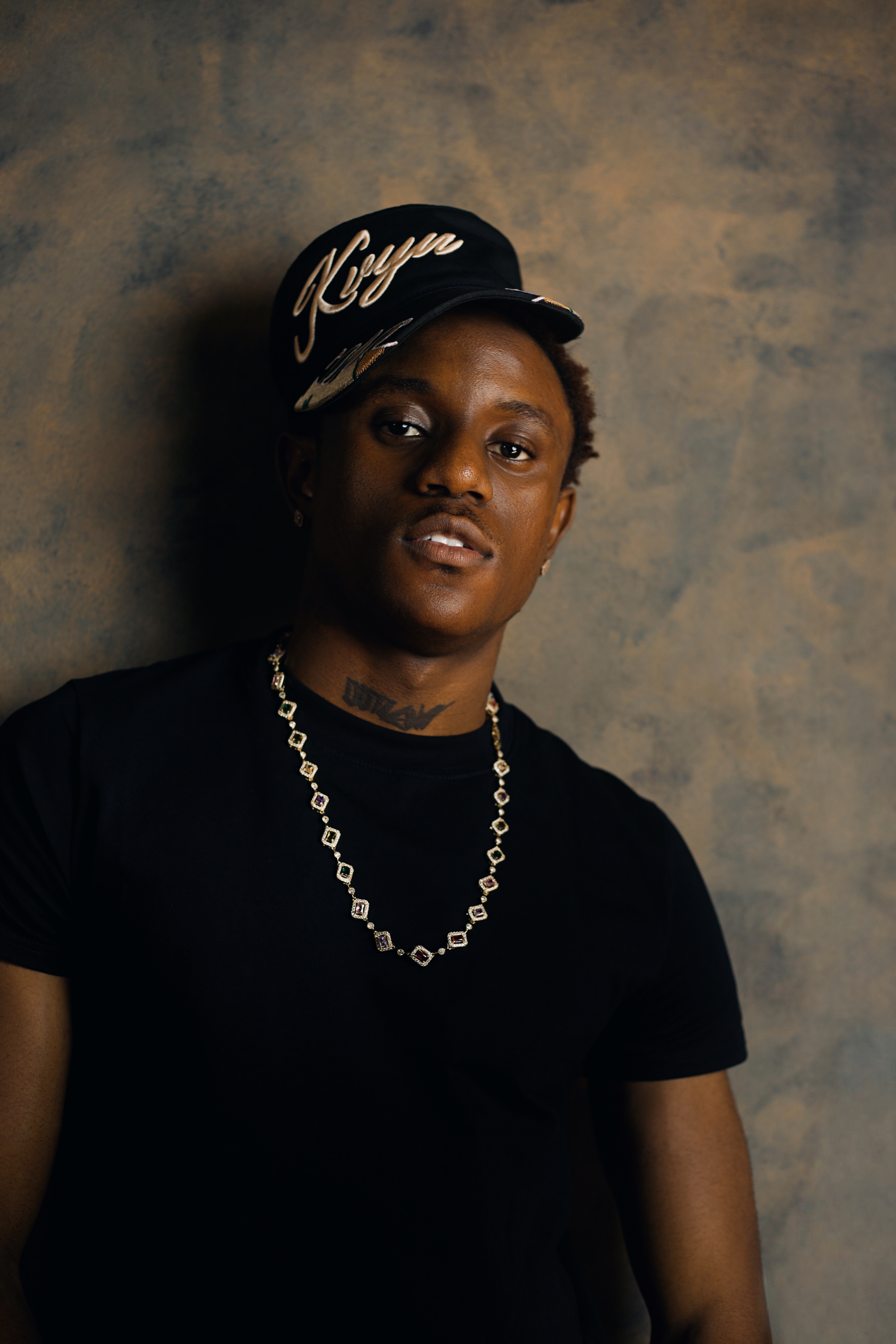
    Photography: Nhana Kwame

    Producer: LSTV World Wide

    Editor: Fortune Ibeh

    Co Producer: Yewi Omo

    Design: Fortune Ibeh

    Writer: Tobi Oke

  • INA WA Is Building a New Kind of Power Culture in Lagos

    INA WA Is Building a New Kind of Power Culture in Lagos

    In conversation with Fortune Ibeh

    Nigeria’s relationship with power has always been complicated. The World Bank’s latest Energy Progress Report puts the number of Nigerians without access to electricity at 86.8 million in 2023, the largest access deficit of any country and the third consecutive year Nigeria has topped that ranking. For those who are connected, reliability remains another part of the problem, with households and businesses often turning to generators and other alternatives when the grid fails.

    In Lagos, where nights can move from dinner to drinks to a party and then somewhere else entirely, that anxiety around power has found a smaller, more personal version.

    The moment your phone drops to 5% and you still have somewhere to go, your Bolt has not arrived, someone is calling, someone else wants your number, you have photos to take, people to find and a way home to arrange and suddenly, a small battery icon popping up on your screen becomes the most important thing in the room.

    It is against that backdrop that INA WA, a young Lagos company, has chosen to work on a much smaller problem: the phone in your pocket.

    Its power-bank rental stations have appeared at weddings, festivals, beach days, parties and corporate events, giving guests portable power without the familiar search for a socket. But there is a bigger idea behind the charging stations. INA WA sees the service as an entry point into a much wider relationship with energy, starting with something as simple as making sure a dying battery does not end the night.

    The name itself carries that idea.“INA WA means ‘bring the light’,” in conversation with LSTV World Wide. The phrase, Adenijo Bello, Co-Founder, INA WA, explained, is rooted in a feeling familiar to Nigerians: the excitement that moves through a neighbourhood when electricity finally returns.

    “We want to ensure that you always have that feeling wherever you go.”

    For INA WA, a phone running out of battery creates a version of the same anxiety as a power outage. “It’s like comparing the light going off to the battery going low on your phone,” Bello explained. “It’s basically the same feeling.”

    That connection between the name and the service also creates an unexpected opening for conversation. People often encounter INA WA without immediately knowing what it is or how it works. The name itself is enough to make them stop.

    “What is INA WA? What happens if somebody doesn’t return the power bank? How do I pay? How do I know when to return it?” Bello noted.Those questions have become part of the brand’s story. What initially sounds like curiosity around an unfamiliar name becomes an introduction to the service, and, according to INA WA, those interactions have helped keep the business moving beyond the immediate need it was created to solve.

    The younger crowd was always an obvious audience. Clubs, parties and festivals were natural territory. But one of the moments that stayed with the team came from a very different customer.

    At INA WA’s first wedding after-party, a woman in her seventies walked up to one of the charging stations carrying an old mobile phone. It was neither an iPhone nor an Android device. She needed the older micro charger, something the team had not expected to see someone ask for.

    The team helped her rent a power bank using an email address and watched as she connected the phone.

    “Just watching the process of her plugging in the phone and seeing the smile on her face, like, ‘Ah, it’s my cellphone,’ it was so cool,” Bello recalled.

    The moment challenged the assumption that the business belonged only to young people moving through Lagos nightlife. What INA WA was really providing was not simply a way to charge a phone, but a way to remain connected.

    That distinction becomes important in a city where so much of everyday life now runs through the device in your hand. Your phone is your camera, your map, your wallet, your social feed, your contact list and, sometimes, the only way to get home.

    So when the battery dies, you do not just lose access to Instagram or WhatsApp. You can lose access to the practical and social infrastructure around you.

    INA WA discovered another version of that dependence at an early event, where the oldest person in the crowd was about 24. The team expected guests to rent power banks when their batteries were running low. Instead, some people wanted to keep their phones at 100% for the entire night.

    “They weren’t paying to charge their phone for 30 minutes. They wanted to charge their phone the whole night. They were paying for two hours straight, three hours straight,” Bello said.

    He found it amusing at first, but there was something revealing in the behaviour.

    “These guys saw INA WA as a means to stay alive,” Bello observed. “Their lifeline was directly connected to the phone.”

    For a generation whose social lives, movements and communication are heavily tied to their phones, the description is not as dramatic as it first sounds. A dead phone can mean a missed call, a lost contact, a failed ride request or leaving an event earlier than planned.

    INA WA says it has seen exactly that happen. Guests with low batteries have started preparing to leave because they could no longer request a Bolt or wait for one to arrive. On some occasions, the company has simply opened its power banks to people who needed an emergency charge.

    “If your battery is at 1%, I don’t want them to leave. Let them charge their phone to 15%,” Bello emphasized.

    For the company, those moments have become part of what it believes the service should mean. The business may charge for its rentals, but the team does not see every interaction through the lens of a transaction.

    “Giving back to society has never and will never cost us anything,” Bello reiterated.

    For now, the business goes where people are. Its stations remain mobile, moving between parties, weddings, festivals and corporate events whenever the company is called in. But INA WA wants that to change.

    The company hopes to begin deploying its stations permanently before December 2026, placing them in clubs and venues that regularly host people. Instead of waiting for an event organiser to bring INA WA in, guests could simply know that the service is already there.

    “If you have events one, two, three, four, five days of the week, we’re deploying permanently so it’s no longer, ‘We need INA WA here.’ It’s already there and ready for everyone that needs us,” Bello explained.

    It is a small change in distribution, but a significant one in the company’s larger ambition. The goal is to make access to power feel less like something you have to remember to look for and more like something that is simply available.

    And that ambition extends far beyond phones.INA WA says it is registered as an energy business and wants to eventually become part of the wider push towards reliable, renewable energy in Nigeria. The company sees the power-bank service as an early step towards a future where its customers can use INA WA for much more than keeping a phone alive.

    “We want to be a part of that change,” INA WA said of Nigeria’s energy challenges. “We want to be able to bring reliable, renewable energy across the board.”

    Its longer-term vision follows its users as they grow. Today, it may be a phone. Tomorrow, it could be a laptop, a car, a home or an event centre.

    “We don’t want it to be a brand that, okay, you’ve used today and tomorrow you no longer need,” INA WA explained. “As you grow, you’re no longer thinking about charging your phone. You’re thinking about charging your cars. You’re thinking about charging your laptops. You’re thinking about powering your houses, your event centres.”

    It is an ambitious leap from a power bank rented at a Lagos party to a broader renewable-energy business. Whether INA WA can make that transition remains to be seen. For now, it is building the business one event, one station and one low battery at a time.

    The company’s ambition is to make INA WA mean more than a charging service. It wants the name to become shorthand for energy itself, in the same way “Jacuzzi” has become a familiar name for a hot tub.

    “That’s the point,” Bello confirmed.

    Perhaps that is why the company’s story begins with something as ordinary as a dying phone, because in Lagos, staying powered is rarely just about electricity, it could be about staying long enough to take the picture, experiencing the peak of the night out, or long enough for the ride to arrive.

    INA WA Is Building a New Kind of Power Culture in Lagos

  • DUB & RIDDIM; PRESERVING CONSCIOUSNESS CULTURE AND SUBCULTURAL AUTHENTICITY

    DUB & RIDDIM; PRESERVING CONSCIOUSNESS CULTURE AND SUBCULTURAL AUTHENTICITY

    In conversation with Zionne Soule

    Reggae music has always been more than just a genre. It’s resistance, unity, consciousness and good vibrations. It’s a living archive for the intellectually marginalized, for identity and freedom carried through divine languages of sound systems, fashion, and the act of authentically uniting on the dancefloor.

    For me, reggae music isn’t just a passive listening experience; it’s a universal layout for community, knowledge and consciousness culture.

    In the capital city of Abuja, beneath the regular noise and the repetitive pattern of mainstream entertainment, a counter culture (Dub & Riddim) is realigning the consciousness back into the physical safe space.

    This subcultural platform creates an atmosphere for people to gather without having to dilute who they innately are.

    At the core of this movement lies two worlds:

    Oge Kimono, daughter of legendary reggae icon Ras Kimono, carrying forward a lineage deeply connected to the sonic and cultural legacy approaching reggae as something expansive, timeless and alive. Funmi Malik, a fashion designer, translates that same frequency through fabric, silhouette and movement, exploring what happens when the values of sound system culture become something you can wear and carry with you.

    Somewhere between the bassline and the garment; the dancefloor and the body, the memory and moment, I ask an important question:

    What does it mean to keep a culture alive without turning it into a museum memory?

    I had a conversation with the innovators of this movement over a phone call with reggae inspired instrumentals playing in the background, giving the atmosphere a calm spiritual ambience, setting the tone.

    Diving into their world as they relaunch their monthly sanctuary for good vibes, creativity and sound system culture in October, I began with joint questions and exclusive questions to further understand the idea of the timeless creation.

    Historically, reggae and sound system culture was never just about low-end frequencies, they were about reclaiming physical space and creating a sanctuary for the marginalized communities, while asserting presence. In this digital era where physical safe spaces and intentional communities are diminishing, how is Dub and Riddim using music and fashion to reclaim physical territory for subcultural expression in the city of Abuja?

    OGE KIMONO:

    In the city of Abuja, we know that nightlife and cultural spaces are often shaped around mainstream entertainment, so Dub & Riddim creates intentional spaces where reggae, subcultures and other genres can be seen, heard and experienced. Through music and good vibes, we transform ordinary venues into high frequency cultural territories; spaces where reggae, dancehall, dub, roots, lovers rock and the sound system culture particularly become the centre of the experience. Dub & Riddim isn’t just a regular party, it’s an intentional community of people who share an affinity for the culture to occupy space, connect, belong and authentically express themselves. It’s a calling of oneness, knowing that you belong to something; with reggae inspired colors where you step inna di space. Yah man.

    (She switches to Jamaican Patois)

    Dem vintage Jamaican aesthetics, African prints, street wear, dreadlocks, accessories, individual styles and people embodying the culture, expressing themselves through what they wear. Because what people wear becomes an extension of the music and a visible declaration of identity.

    FUNMI MALIK:

    (Speaking in her calm and abyssal energy)

    For me I would say it’s less about reclaiming territory and more about reconnection because we live in a time where people are mostly connected online, not physically and that’s the space Dub ‘n’ Riddim exists to fill. We stand for reggae and sound system culture. It brings people from different walks of life together through musical conversations, ideas and positive energies. Dub & Riddim is our way of saying there’s still value in showing up, there’s value in community building, there’s value in still checking on people to know how they’re really doing.

    We intend to promote intentional community and we’ll continue to do this through music, art, fashion and culture where we create a space where people don’t necessarily have to fit into a box but be themselves authentically.

    There’s something deceptively radical about simply showing up. In an era where connection is often mediated by screens and doomscrolling, the dancefloor becomes a physical argument against isolation; a room full of people listening to the same bassline is enough for people to re-member and recall.

    Dub & Riddim’s idea of space is larger than the room itself.

    This is from us to the rest of the world to say we get what reggae culture is all about and we’re here for that.

    There’s an inherent link between how sound moves us and how we dress to move through the world. As a cultural platform built on reggae, lifestyle and sound system heritage, how do you translate the intangible architecture of riddim, shared spaces and raw frequency into wearable authority for the community?

    OGE KIMONO:

    I’ll say that’s a very deep question you know! (she laughs) and switches to Patois.

    Talk bout architectural space, yah man!

    I would say it lives in the riddim, the frequency, the memory, the movement and the collective presence. One of the aims is to create wearable cultural vocabulary pieces coming from contemporary African textiles, showcasing Africa through the musical lens of reggae music. Because you know we’re kings and queens inna di place, yah man. And of course, reggae music is royalty music and I want people to feel royal when they step pon the dancefloor, dem ah fi style out, yunno?

    Because the wearable authority reserves a memory that makes the community feel they belong to a genuine subculture that communicates things like I was there, I belong to this movement, I innerstand the sound and the message; giving members an innate identity to a cultural frequency.

    FUNMI MALIK:

    Music and fashion are inseparable. They have the same conversations, just in different languages. Music is what people hear and fashion is what people say. A heavy bassline has presence; it enters a room before anyone says a word. A textile does exactly the same.

    That’s the connection for us and it’s natural. The pieces would be inspired by the movement, individuality, freedom and confidence. That’s the feeling that exists with reggae and sound system culture so we want people to wear pieces that feel authentic to who they are, not because they’re following a trend but because they’re expressing something about themselves.

    When someone wears a Dub & Riddim inspired piece, we want them to feel like they’re wearing a timeless piece of culture.

    Subcultures are constantly co-opted by mainstream fashion and corporate playlists, turning radical identities into trivial trends. As Dub and Riddim expands, how do you protect the sacredness and authenticity of roots and sound system culture while building a sustainable cultural platform?

    OGE KIMONO:

    We see this culture both as heritage and a living practice. Dub & Riddim expands the authenticity and roots of sound system culture because it’s been central to our vision and value system. The culture is one we must respect, honour, document, preserve and pass on to the next generation, which is very important, because faya cyan cool in this vibes enuh.

    (She says in Patois)

    We also create room for contemporary African expression; a space where creatives can come in and vibe to a reggae riddim in afro style, like ah Afro-skankin, yunno? (She says in Patois).

    We’re innovating through music, storytelling, fashion and live experiences. We’re connecting creatives to wider audiences, which is ultimately about preserving the essence of the culture while creating space for the future so the culture can evolve without losing its roots.

    FUNMI MALIK:

    Dub & Riddim was not created because reggae was fashionable and I think authenticity becomes easier to protect when you remember how and why you started.

    It was created because of what culture represents, which is community, freedom, consciousness, people gathering together and sharing something meaningful and as we grow, the goal is not to chase trends or be fashionable or try to make culture more acceptable to people.

    The goal is to stay rooted in the values that inspired us in the first place and that means continuing to tell the stories, history, support the people who have carried the culture for years and create experiences that feel genuine. Culture evolving is necessary but there’s a difference between evolution and dilution.

    Growth should never mean losing its soul and that distinction may be the most silent manifesto in the entire Dub & Riddim philosophy because preservation doesn’t necessarily mean repetition.

    OGE KIMONO: THE SELECTA, THE NAVIGATAH AND THE FREQUENCY

    Historically, reggae and sound system culture reshaped how we experience music by treating space and dub as essential instruments. When building the soundscapes for Dub and Riddim, how do you use space and silence to create a deeper, authentic connection with the audience?

    Using space and silence to create an experience is a signature to Dub & Riddim, which stems from the sound system culture. We create moments of anticipation, intimacy and connection; giving the community room to feel the sound rather than simply consuming. At our identifiable sound system experience we don’t simply play music, we take people on a sonic journey with the selecta who’s the vibe navigatahhh, yunno?

    Carefully navigating the audience through different eras and memories while we introduce them to new sounds, new artists and random selections you didn’t know you needed to hear. The musical soundscape transports the atmosphere into a time travel journey through sound because music has always been a time machine. It’s nostalgic. It takes you to the past and brings you to the future. The host on the other hand is the connector; serving as a bridge between the sound and the people, keeping the energy and frequency alive; and getting the people to move and maintain the high vibrational frequency to intentionally get soaked in the experience.

    The host engages the audience in a call and response kind of vibration; hyping and crowd engagement. There’s the open mic session where you pass the mic to the next person and they buss up some likkle rhymes inna di space, yah man. The host reads the room and wheels up a tune which is a common practice in the sound system culture.

    (She continues in Patois)

    Dem say when di music nice you play it twice, when it’s sweet you repeat. We’re creating space for the community to connect with that frequency.

    Reggae music and sound system culture carry a profound legacy of spiritual connection and social commentary. How do you honour that conscious legacy while innovating the sound to reflect the rhythm and energy of the urban reality?

    Honoring the conscious legacy of reggae music is first of all understanding that reggae is a masterpiece. It has never been limited to a particular sound or era. Like Bob Marley said in 1980 on his Redemption song:

    (She sings)

    “Emancipate yourselves from mental slavery, none but ourselves can free our minds.”

    If you don’t unchain your mind from mental shackles, you may not be able to experience reggae music freely because it’s a very broad genre. So we honour the legacy and roots of the masterpiece. We are not leaving the past, we innerstand that we need to honour the roots. However we take the consciousness of reggae music and fuse it into the realities of contemporary African space, where we use the creativity and sound system culture of something that’s rooted and distinctly ours.

    When someone steps into the physical footprint of a heavy bassline, the experience is innate and bodily. What do you want people to feel mentally and physically, when they enter the sonic atmosphere you curate?

    (She begins with the popular line from Bob Marley’s Trenchtown Rock released in 1971)

    “One good thing about music, when it hits you feel no pain.”

    When people step into Dub & Riddim we want them to feel free, we want you to be, to breathe, to unwind, to move and express yourself through dancing, whatever way you deem fit that makes you free your mind, body and soul to express yourself; through fashion or even sitting still and soaking it all in. Just be in the presence, be connected to the sound and the people, to know they belong in that space and moment and for me, that’s the power of the Dub & Riddim experience.

    FUNMI MALIK: THE TACTILE ARCHITECT

    The style in sound system culture; from roots, dancehalls to modern style have always functioned as an armor for revolt and rugged individuality. When designing for this project, how do you approach the garment construction to serve as a uniform for cultural pride and timeless preservation?

    When people come into Dub & Riddim space, they’re dancing, connecting, moving and being fully present and I believe the pieces should support that. They have to be comfortable, functional and effortless. So for this project, when I’m creating costumes, I would rather create pieces people could genuinely live in, because that’s what sound system culture is all about.

    It’s not about looking perfect, it’s always about subliminal self expression, identity, confidence and belonging. We also want the pieces to feel timeless. Fashion moves quickly as we all know, but culture moves differently. Many years from now, I want someone to find one of those pieces and remember not just because they wore it, but how they felt in that moment they wore it, the music they heard, the people they met and the energy in the space. For me that’s momentum and timeless preservation, not locking culture up like we’re in a museum, but allowing people to wear it, live it and carry the culture forward.

    In reggae and dancehall, a riddim is the foundational sonic structure that different artists build upon. What is the foundational ‘riddim’ of your design ethos? Which core silhouettes, raw textures or functional details serve as your visual signature whenever you create?

    If I had to describe my design rhythm in one word, it would be freedom; freedom to move, freedom to be yourself, freedom from labels and expectations to fit into a box and that’s probably why I gravitate towards unisex fashion.

    I’ve never liked the idea of clothes telling people who they should be, I prefer creating pieces that allow people to bring themselves into the garment. So you often see relaxed fits, oversized silhouettes, utility details, pocket layered pieces that feel easy, but still command presence.

    I also love fabrics with personality, fabrics that age well, fabrics that don’t look better because they’re new, but because they’ve been worn, travelled in, danced in and lived in.

    I think my signature has always been balancing comfort with confidence. Clothes that don’t scream for attention but still make a statement when you walk into a room.

    Dub & Riddim style demands functionality; with clothes built for endurance, physical movement, and late night sound sessions. How do you balance raw utility and working class workwear roots with high concept design aesthetics?

    With designing, I always start with how the garment will be used. Can you move in it? Can you dance in it? Can you wear it all day? Does it serve its purpose? Once these foundations are established, I begin to play with the design language; the proportions, the styling, the details, the attitude. I believe the magic happens when something feels practical and expressive at the same time and that’s the joy of it; pieces that don’t just sit in a wardrobe looking beautiful but become part of someone’s life in every way.

    When people look back at this era of subculture 20 years from now, what imprint do you hope Dub and Riddim leaves on the relationship between independent fashion, sound, and community identity?

    I hope people look back and say we created something not driven by trends or something that was fashionable, but because it felt real.

    I hope people remember that Dub & Riddim brought people together; created conversations, friendship, collaborations and a sense of belonging.

    I hope they remember that fashion wasn’t separated from music and music wasn’t separated from the community. They all existed together as one experience.

    And most importantly, I hope young people see that culture doesn’t have to come from big corporations or massive budgets. Sometimes it starts with a few people who believe in something enough and create a space for it.

    In 20 years from now if someone says Dub & Riddim helped preserve a culture, celebrate individuality and built a community, then I think we’ve done something worthwhile.

    Because at the end of the day, that’s what it’s really about for me; people, connection, culture and leaving something meaningful behind.

    As I close the curtains on this deep conversation, the reggae instrumentals keep playing in the background, bridging the digital distance between us. The phone call ends, but the frequency stays.

    In a city where attention spans are shortened and physical spaces are mostly trivial, what Oge Kimono and Funmi Malik are building with Dub & Riddim is nothing short of an act of quiet rebellion. It’s a reminder that subcultures don’t survive by succumbing to algorithms or freezing themselves in museum displays; they survive because people still crave the raw, unmediated truth of standing side by side in a room, letting the bassline do the talking.

    As October approaches and the red, gold, and green lights come to life once more in the capital city of Abuja, the message remains clear: the dancefloor is a non-negotiable runway, the riddim is locked, and the sanctuary is ready. All you have to do is show up, step inna di space, and let the music do the rest.

    ONE LOVE! KABOOM!!

  • Victony: The Long Way to STARLIFE

    Victony: The Long Way to STARLIFE

    Loook Issue 01 | September, 2026

    Words & Interview: Fortune Ibeh

    Created with RNI Films app. Profile ‘Agfa Optima 200 v.3’

    Over a Google Meet call slated for an hour, the leader of the Outlaws joins us at exactly 1:30 p.m. sharp, sounding remarkably relaxed. There is no sense of ceremony to it. No stiff introductions or carefully rehearsed answers. Within minutes, what was meant to be an interview begins to feel more like a conversation between people catching up.

    And, gracefully, we let it.

    By the time we really get into it, Victony has already settled into the room.

    Starlife has been out for a few days now, which means the wait is finally over. The songs are no longer just his. They’re being played in cars, at parties, through headphones, onstage and, inevitably, debated across charts and timelines. After months of anticipation, the album has left the safety of his hands and entered the world.

    So, naturally, we start there.

    How is he feeling? He laughs, thinks for a moment, and the conversation begins to open up. Soon, we’re talking about the album, but also everything that came before it: Outlaw, Stubborn, Very Stubborn, the accident that became an indelible part of his story, the people who helped shape this new chapter, and the freedom he seems to be finding in it.

    For our first Loook Issue, powered by LSTVWW, London, Victony sat with us to talk through that evolution, what it took to get here, and what it feels like to finally enjoy the life he spent years fighting for.

    He has spent his whole career chasing one thing, and he’ll tell you himself if you ask him plainly enough. Not excellence, not a lane, not even a sound. Freedom. From Outlaw’s early defiance through the open wounds of Stubborn and Very Stubborn, each era has been another version of that pursuit, a young artist finding new and increasingly honest ways to express himself.

    Starlife feels different. The fighting has quietened a little. The trauma isn’t gone, but it no longer has to take centre stage. Instead, Victony is choosing to look around, take in the view and enjoy the life he spent years fighting to reach.

    Maybe that’s the easiest place to begin: not with where he is now, but with everything it took to get here. Because Starlife doesn’t exist in isolation. It carries traces of every version of Victony that came before it, even as he seems increasingly comfortable leaving some of them behind.

    Starlife is out now, but I want to rewind a little. When you look at the journey from Outlaw to Stubborn, Very Stubborn and now STARLIFE, what has that transition actually felt like for you

    It’s me just growing right as a person, learning and learning, and I feel like there’s been so much real life reflection in the music, right from Stubborn to Very Stubborn, and to star life, it kind of just shows you where my head space is at, but overall it’s just been me, it just felt like growth, to be honest, through this different process, so yeah.

    Starlife feels very different in spirit. There’s a looseness to it, almost like you’re allowing yourself to enjoy the view a little more. Was that something you consciously felt while making it, or did you only recognise it when the album was finished?

    Yeah, I think it came from the song, Starlife.

    You know, when we made the song Starlife, it somehow just happened to be, like, the core of everything that I was making, you know, very unintentional. But long story short, we wanted to do an EP first, and we decided to call the EP Starlife, I don’t know why to be honest. I guess it just connected and resonated with us at the time, the way the song was and with a couple songs at the time, you could feel all the elements of other songs in Starlife, so it just became the core of everything we were trying to build and then we transitioned into a mixtape it was still going to be called Starlife and finally transitioned into an album, it didn’t change the name.

    Seems like you made Starlife before Slick and Fresh was that the case?

    Yes, Slick was the last song we made and that’s what made me decide, you know what, let me turn this into an album. Because to be honest, till June, July, it was supposed to be a mixtape.

    I feel like you could still get that mixtape energy from the rollout and how quick we went to put out the album.

    I decided to turn it into an album because I wanted people to take the music very serious, because time and effort had gone into production, writing and making sure, like, everything sounds good. And I felt like, yeah, this is above mixtape, feels like an album, but everything else around the energy surrounding the release of this project has been very, very mixtape, I won’t lie.

    How long did it take you to get the full album, the 15th track?

    I’d say about 7 months, yeah.

    That took a while. Interesting.

    If you zoom out and look at the journey, there’s a pretty striking progression: Outlaw, Stubborn, Very Stubborn, and now STARLIFE. Each title feels like it captures a different version of you. When you look back at those eras, what do you see?

    I mean the goal has always been the same, I felt like all I have always wanted for myself in this life is to be really free, and so every version of myself that I look at is just me making an attempt to be free, it’s just been in that chase for freedom.

    So, when you look at Stubborn, it’s like the same thing, and the process for putting out Stubborn is very, very similar to STARLIFE, actually. It started up the same way. It was meant to be an EP and then it turned into an album.

    It’s just like, I don’t care, these are the best songs that I have, I’m going to put them together and put out an album regardless of what is expected.

    [He pauses for a moment.]

    So, to be honest, I just see different versions of myself that just really wanted to be free.

    But, obviously, in these three eras of my career, I’ve been in different situations. I’ve fought different battles, I’ve survived different things and I’ve been in different headspace, but it’s still the same kid, just growing, it couldn’t have been any different, based on the people in my life and then the car accident that I dealt with, I mean it’s just me, it’s just freedom, you know.

    Yeah I mean, anyone that pays attention will see the artistic journey and I think yours is very evident.

    You mentioned Slick, was the last song you made on the album. While making, did you think it was going to be this massive?

    No, no, no. I didn’t, to be honest. I mean, I knew it was a good song, right from making it, I remember I was so excited.

    I had doubts, just little doubts.

    I mean, Slick, Slick, the way the chorus was repetitive, I didn’t know if Nigerians were going to fuck with it. It was just very new. Even when I sent it to my Manager at the time, he was already fed up, because I would do this every week where I’d send new songs.

    And it’s like, oh, we have to figure out the thing again. And that’s why we kept moving, like, from EP to mixtape to album.

    So when I sent him Slick, It just felt like too much at the time, for him to process. And I was like, you know, let me just actually chill on this record a little bit. So I think I was planning the shoot for “who this”, and then I played some songs for my videographer and he’s like, “yeah, this is the one, these songs are crazy, it just really puts you, like, in your own lane.”

    And once I heard that, it sparked something in me again. Because that’s really what I wanted to do with this project. To show people what, Victony is capable of and do things, only Victony can do. So once I heard that, I started, like, getting into that zone again.

    I just started playing the record again. I fell in love with it again and I became excited. I say this to say that I didn’t really have the chance to think about what it was going to do.

    It was just that battle of, oh, am I going to put this out? Am I not going to put this out? Just based on everything that was going on at the time. Until I got to a place where I was excited enough to think about the visual, shoot and just put it out, that’s where it stops, but enough in terms of what is it going to do or not, to be honest I didn’t know, I just liked it.

    You just said “ you want people to know what Victony is capable of” and I came across a video of you recently rapping, you used to be a rapper, also found out that you drew the cover art for outlaw, that just shows that there’s a lot to the name Victony, are we going to see a Victony rap song?

    I think I know the video you’re talking about.I was cringing at that video.

    [Laughs]

    No, I doubt, I doubt I’m ever going to be rapping again. I think I found what I’m good at and I’ll just stick to it. But, I mean, you can always just hear, like, the hip-hop influence in my music, one way or the other.

    Like on Starlife, even with the intro song, you hear some, some rap influences, same thing with Slick, right on the hook, and same thing with, Typo and 2Fresh.

    So, I think with Starlife, I try to just show that side of me, which I’m always going to do, in my music, even though I’m a singer, but you’ll be able to tell with, like, certain cadences or, just rhythm or my flow choice or what not, that it is slightly different from, a regular Afrobeat artists.

    So, but in terms of, like, rapping, rapping for real, I don’t know. I’m not sure.

    [We both laugh]

    STUBBORN, had international footprints with features with Teezo Touchdown & SAINt JHN. On STARLIFE you came back home why was it important for you to feature more Nigerian artists on this?

    To be honest, I think it was from me trying to just do this quickly. Because Starlife is a very short phase. It’s not something that I wanted to overemphasize. And that meant doing music with the people that I have genuine relationships with. I got the verses from everybody, really quick. I also knew, these guys would really kill this. I could hear them in that soundscape.

    I also wanted it to be genuine, because I wasn’t going to text anybody or wait for my label to reach out to anybody. Personally, I didn’t care about that in this process. I just believed in the music so much. And I wanted people that I could talk to and people that I can get real time feedback from.

    And that’s what, really, really empowered that decision to just bring it home. It’s just wanting to be really authentic.

    Like I said, Starlife is me, really, really, stepping into myself and doing the things that really makes me happy as a person, and the things that I have easy access to that make me happy.

    And that’s the thing about my relationship with Baby Boy AV. That’s somebody I spend time with every day, same thing with YKB, YKB will come to my house and stay for a week or something. I go to Blaqbonez’ house every other day, and then, if I want something from Bnxn, he’s one text away.

    I had, multiple sessions with Young Jonn at the start of the year. So, these were verses that I could just stretch out my hands to get, and I knew, they would also put in effort because of their level of respect from me.

    But it wasn’t an intentional thing for it to be, like, oh, just only Nigerian features. It just worked out that way because of where I was and how I was just thinking about the process.

    This sounds like Starlife is more like a family thing.

    Exactly

    Hmmm…What does the era Starlife really mean to Victony currently?

    “Starlife” is me talking about the life I’m living right now, but at the same time, it’s also me manifesting the life that I desire. It’s still me fighting for myself, in a sense. Like, in this life, I’m going to be happy. I’m going to get all the good things in life. In contrast to my previous project, Stubborn. It was really personal, and that was also a step in that direction of wanting the best for myself, wanting to step in a very, very positive direction, wanting to step into the light.

    And with Very Stubborn, it was trauma dumping on those records, like, being very open and vulnerable to the fans. And just releasing everything that I’ve held in for so long.

    Starlife is a very different project from that, but it’s still a step in that direction. It’s, like, I’m not going to focus on the negative side of my life now, even if I still battle with those things, every now and then. Starlife is still a fight for my life, to be honest, but in a very, very different direction, it’s me saying, I’m going to step into my happy place.

    This year, I have recorded over a hundred songs, to be honest, all just talking about the same thing, and if I put out a hundred of them, it wouldn’t sound any different from what is on Starlife.

    And that’s how much energy I put into it, just making sure, like, I’m focused on the positive things, I’m not talking about anything negative.

    This era is less about excellence or trying to prove, being the best artist or what, or trying to have the album of the year.

    But it’s really about what I want for myself and that’s why I made these records, just to have fun with my friends, with my fans. You know, I made these records for my shows also.

    Interesting….Your relationship with Ozedikus seems to have become a big part of the Starlife story. You both have worked on a series of songs about 13 or more? You made “FRE$H,” then “SLICK,”. What do you remember about making these two records? And at the time, did you have any idea you were sitting on something that would become this big?

    Actually, I didn’t. This year, making music, One thing I wanted was to allow the music lead, and that’s why I hit up so many producers at the start of the year. I didn’t have a particular direction, I was just making music out of curiosity, I let myself just be in those sessions. I really wanted to tap into different people’s worlds. And with Ozedikus that was the case, I hit him up and I’m like, “bro, let’s have a session”, and to be honest, I didn’t even know what to expect.

    Like, my friend at the time, he was just helping me, reminding me of producers in the game. He’s like, oh, you should work with this person, you should work with this person. So at the time, he was like, okay, let’s work with Ozedikus now.

    Then I hit him up and, you know, Fresh was the first beat I heard when I went to the studio that day. And yeah, we made the song, we made three songs that night.

    I just tried to do a session with him every week. Because, one thing I also wanted to do was to be musically sound.I have as many songs with Ozedikus as I have with PPrime, & Rage.

    I know I have at least ten songs with almost every producer that I’ve worked with this year. So music to me was, similar to ,attending the gym, but, I mean, as much as it was I had to keep recording.

    I also have something special with Ozedikus, with the way he records me, the way he works my vocal stack. He could immediately see the idea or see the end, from the beginning during sessions, and I think that’s what stood out, with Ozedikus. That’s what happened with Fresh, and that’s what gave me the confidence to keep working on more unique ideas with him. Because he knows how to get it done, and just start tailoring it to what you have in mind.

    So with Slick, it was unique, because he sent me a different beat and went to the studio, we tore it down, I did the reference, and had the girls come in and another day, we did the second verse.

    I mean, Slick is one song that, you know, we took time to produce, and that’s so funny because the song is very short compared to the time we used to produce it.

    Quickly, I want to take a step back and appreciate the team behind STARLIFE, from the management team to the creative team (the stylist to the photographers etc), & producers and everyone that worked hard to portray this version of you.

    Ten years from now, when people talk about Victony, what do you hope they remember beyond the songs?

    I want them to remember me for my authenticity, I want them to be inspired by how much of myself I was. I want them to look at me and not care about what people think about them.

    [A brief pause. We sit with that for a moment before circling back to Starlife.]

    Back to Starlife, you made mention that Starlife is a short phase. What should we expect from Victony after Starlife?

    I mean, it’s just going to be growth still. I feel like I’m learning faster and I’m growing faster and that’s why I’m quick to realize what I want for myself. I think you should expect a more matured version of me, a grown version. And that’s what you’re always going to keep getting.

    QUICKFIRE QUESTIONS

    Lagos or London?

    Lagos.

    Starlife Album Art or Stubborn Album Art?

    Starlife Album Art.

    I hope you ain’t picking STARLIFE because it’s out

    No, no, no, no.

    I feel like the album art is the deepest part of the whole thing. In it you see me as a kid with accessories like that, the big chain and the big hats, something that’s meant for, an adult. It just passes a message, what I carry inside me is bigger than I am. So, to me, like, every time I look at that cover, it reminds me of something deep.

    Rapping or Singing?

    Singing.

    Morning or Night?

    It depends, though. Okay, let’s just go with morning, because of how I’m feeling today.

    Naija Babes or Yankee Babes?

    Naija Babes oo

    Gamer or Movie Fan?

    Movie.

    Movies or Football?

    I don’t watch football.

    You don’t watch football?

    [Smiles]

    No, I don’t.

    Oh, gosh! Outlaws need to know this one.

    [we both laugh]

    What’s your favorite country to stay asides Nigeria.

    U.S

    Is the album going on the road? Are you going on tour?

    Definitely, definitely, definitely. Next year.

    Would Africa be experiencing it? Because there’s a rise in more artists coming home to do more shows in Africa with their album.

    Yeah, of course. Benin, Lagos, Abuja, Ghana, Possibly Uganda, Kenya.

    Credits:

    Editor-in-Chief: Lanre Shonubi

    Photography: Danielle Mbonu

    Producer: Ruby Aryiku

    Fashion Stylist: Joel EG

    Co Producer: Vamp Media Agency UK

    Design: Fortune Ibeh

    Writer: Fortune Ibeh | Tobi Oke