Written by Tobi Oke
When Real Madrid confirmed Jose Mourinho’s return to the dugout in 2026, the internet reacted the way it always does: with noise. Fans questioned the decision. Pundits dissected the logic. The football conversation did what it always does: split instantly into camps. But underneath the outrage was a question nobody seemed to want to answer directly.
If the market was as wide as everyone claims, why is one of the most powerful clubs in the world calling a manager they dismissed over a decade ago?
That question is the real story.
There is a widely held belief in football that coaching talent is abundant. That is when results dip, and patience runs thin; there is always someone better waiting. It is the logic behind every trigger-happy boardroom decision, every premature sacking, every mid-season panic appointment. And it is, largely, a fantasy.
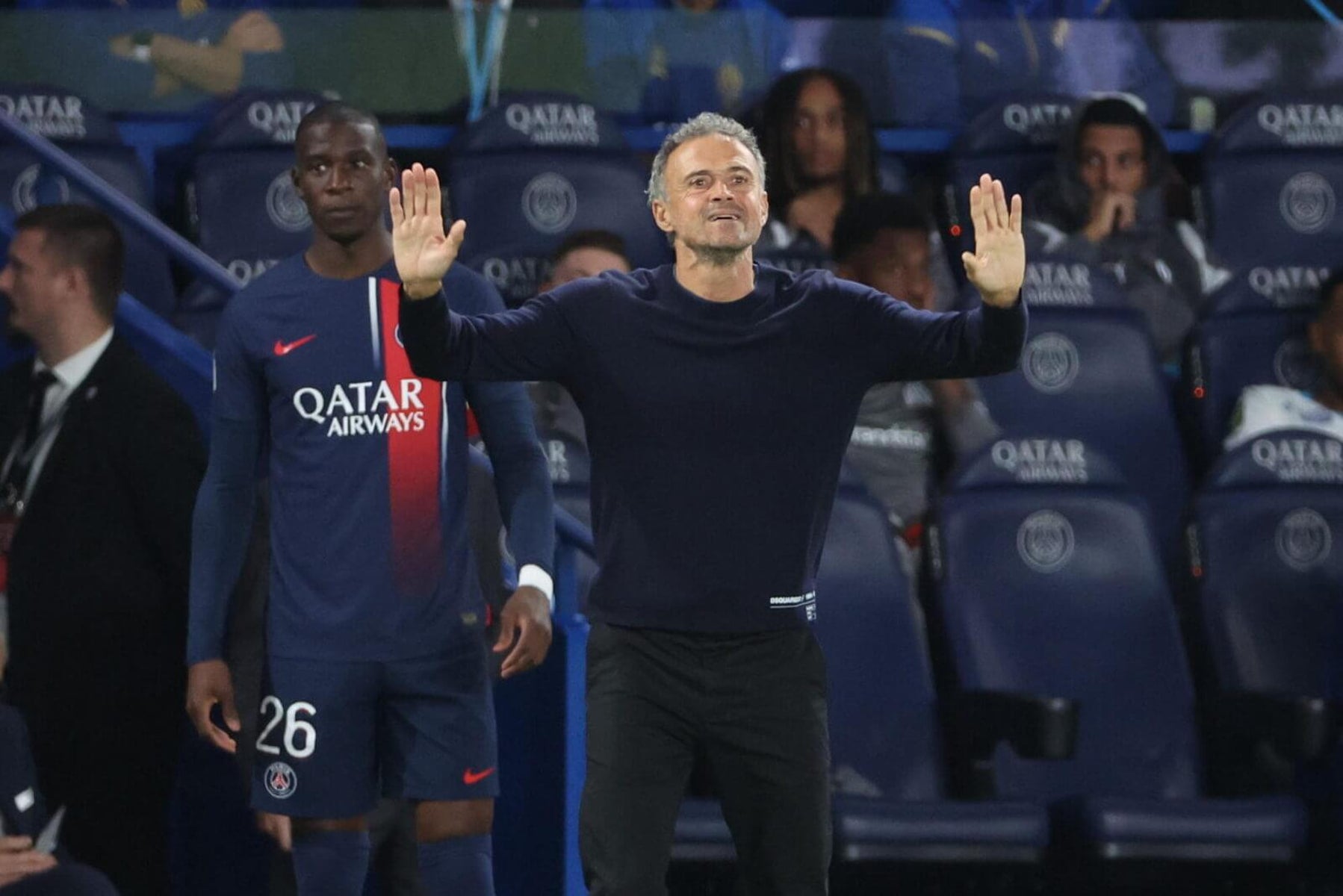
The numbers do not lie. Across Europe’s top five leagues, managerial casualties accumulate every single season with the regularity of a calendar event. Clubs spend millions buying out contracts, absorb transition costs, and reset entire playing philosophies, only to find themselves circling back to the same names. PSG hired Luis Enrique, and what Enrique did was not reinvent the squad; he simply demanded that the dressing room serve the team rather than the other way around. Madrid came back to Ancelotti before eventually turning to Mourinho, and Ancelotti himself now leads Brazil into the 2026 World Cup, the most decorated manager in football history, still very much in demand. Mauricio Pochettino won three trophies at PSG, got sacked at Chelsea, and was immediately handed the job of leading the United States men’s national team into a home World Cup. Even Vincent Kompany, whose Burnley side was relegated in his first Premier League season, was appointed by Bayern Munich the following year. The market, it turns out, has a very short memory and an even shorter list.
A new generation of coaches has emerged, and they are genuinely exciting. Nagelsmann, Kompany, Arteta, Xabi Alonso, Iraola, Will Still, Cesc Fabregas, Thiago Motta and a host of others. The ideas are sharp, the tactical intelligence is undeniable. But there is a pattern that keeps surfacing at the highest levels, and it is not about tactics. Ruben Amorim arrived at Manchester United off the back of one of the most impressive coaching tenures in recent Portuguese football history. His ideas were clear. His system had worked. Within months, results were collapsing, not because the tactics were wrong in isolation, but because man management at a club drowning in ego and dysfunction is a different discipline entirely. Xabi Alonso, coming off an invincible league season at Bayer Leverkusen, found similar walls at Real Madrid. The game plan survives until the dressing room does not. To be fair, some coaches genuinely underperform, too, and that accountability is real. But it rarely justifies the speed at which clubs pull the trigger.

This is precisely where experience becomes a different currency. Mourinho, Ancelotti, Conte, Luis Enrique, Guardiola and peers, these are managers who have made mistakes, absorbed the chaos of superstar egos, and developed the specific emotional architecture required to hold a dressing room together when the football gets complicated. Diego Simeone has had his own son Giuliano in the Atletico squad for more than two seasons and still commands the kind of discipline and respect most coaches spend their careers chasing. Didier Deschamps has held the France job since 2012, and the results have spoken consistently enough that the federation has never felt the urge to search elsewhere. That kind of longevity is not stubbornness. It is evidence.

There is also a structural conversation worth having. The distinction between a head coach and a manager is not semantic. A head coach operates within a system defined above him. A manager shapes the system. Chelsea’s recent history is a case study in what happens when that line gets blurred. Thomas Tuchel never operated with full autonomy at Stamford Bridge. Maresca faced similar constraints while he had the reins there. The club’s sporting structure routinely overrides the person supposedly running the team. In that environment, even elite coaching talent struggles to function. And notably, Chelsea went years without appointing a manager in the truest sense of the word, until Xabi Alonso’s recent arrival.

Arne Slot is having a difficult second season at Liverpool. The fan reaction has been predictable. But Liverpool’s reluctance to move on is actually the more interesting story. Because the club understands something the stands do not always accept: finding a genuinely good manager is hard, and replacing one in the middle of a difficult run with an untested alternative is rarely the solution.
The coaching pool is not empty. But it is nowhere near as deep as the football conversation pretends. The next time a fanbase demands their club sack the manager and bring in someone better, the honest question is always the same one Madrid quietly answered when they picked up the phone and called Mourinho. Better than who, exactly?
Leave a Reply